Why is Hell’S Kitchen Called Hell’S Kitchen: Unveiling History
Have you ever found yourself wondering why the lively neighborhood of Hell’s Kitchen in New York City carries such a fiery name? You might picture sizzling pans and the bustling energy of famous chefs, but the real story behind this intriguing name is even more captivating.
Imagine walking through streets filled with tales of the past, where every corner whispers its own piece of history. As you uncover the origins of Hell’s Kitchen, you’ll be drawn into a world where folklore meets fact, and the spirit of resilience and transformation comes alive.
Prepare to satisfy your curiosity and discover why this iconic area earned such a memorable name.
Origins Of The Name
Have you ever wondered why Hell’s Kitchen, a neighborhood in Manhattan, carries such a fiery name? The origins of the name are as intriguing as the area itself. Over the years, various theories and stories have emerged, adding layers of depth to this urban legend. Let’s dive into the fascinating history behind the moniker Hell’s Kitchen.
Early Perceptions Of The Area
In the late 1800s, Hell’s Kitchen was notorious for its tough reputation. The area was predominantly inhabited by Irish immigrants, and it was known for its gang activity and frequent brawls. This tumultuous environment led to the perception that the neighborhood was as hot and dangerous as hell itself.
There are several theories about how the area got its name. One popular story suggests that a police officer named the area Hell’s Kitchen during a particularly violent altercation. He allegedly remarked that the place was worse than the original Hell’s Kitchen, a notorious tenement building in London.
Media Influence
Newspapers played a significant role in solidifying the name. Sensationalized media coverage highlighted the area’s crime and poverty, often referring to it as Hell’s Kitchen. This attention only amplified the neighborhood’s infamous reputation.
Changing Times
Despite its turbulent past, Hell’s Kitchen has evolved dramatically. Today, it’s a vibrant neighborhood with trendy restaurants and theaters. Yet, the name remains a nod to its colorful history, reminding us of the transformative power of urban renewal.
So, what do you think? Does a name define a place, or does the place define its name? Exploring the origins of Hell’s Kitchen invites us to consider how history shapes our perceptions. It’s a reminder that every name has a story, waiting to be uncovered.
19th Century New York
In the 19th century, New York was a bustling city full of contrasts. Streets echoed with the clamor of industrial progress while immigrant communities shaped the neighborhood’s character. Yet, amidst this vibrancy, Hell’s Kitchen earned its fierce reputation. The stories of this era, steeped in grit and tenacity, offer a glimpse into why this neighborhood was aptly named.
Immigrant Communities
Immigrant communities played a crucial role in shaping Hell’s Kitchen during the 19th century. Irish immigrants, fleeing famine, found refuge here and brought with them a rich cultural tapestry.
As more immigrants arrived, the neighborhood became a melting pot of cultures and traditions. This diversity created both a vibrant community and fierce competition for jobs and resources.
Imagine walking down the streets, hearing a symphony of languages, smelling a fusion of cuisines. This was the daily life in Hell’s Kitchen, where survival was the name of the game. How did such cultural richness coexist with turmoil?
Industrial Growth
The industrial boom further fueled Hell’s Kitchen’s transformation. Factories cropped up, providing jobs but also adding to the chaos and pollution.
Workers endured harsh conditions, laboring long hours for meager pay. The struggle for a better life was palpable in the air, making the neighborhood synonymous with resilience.
Yet, this growth attracted more people, creating a densely populated area rife with crime and unrest. As you ponder the challenges of living amidst such industrial sprawl, one question arises: How did the community manage to thrive despite these adversities?
Notorious Gangs And Crime
Hell’s Kitchen, a neighborhood in Manhattan, is notorious for its turbulent past, marked by notorious gangs and rampant crime. The name itself evokes images of gritty streets and shadowy figures. But what led this area to earn such a fierce reputation?
The Gopher Gang
In the late 19th and early 20th centuries, Hell’s Kitchen was the stomping ground for the infamous Gopher Gang. Known for their audacious and violent activities, they ruled the streets with an iron fist. Their story is not just one of crime but of survival in a city that was rapidly changing.
Picture the chaotic streets, where gang leaders like One-Lung Curran and Happy Jack Mulraney became legends. Their exploits included everything from petty theft to complex extortion schemes. It’s a tale that feels almost cinematic, yet it was very real for those living through it.
Impact On Local Reputation
The presence of gangs like the Gopher Gang had a lasting impact on Hell’s Kitchen’s reputation. The area was often seen as dangerous and unwelcoming, a place where only the brave or desperate dared to tread. Could the history of such notorious gangs still influence perceptions of the area today?
Residents had to navigate a world where alliances could mean survival. Yet, amidst the crime, there was a strong sense of community, a testament to the resilience of its people. This duality makes Hell’s Kitchen’s story both fascinating and complex.
While the neighborhood has evolved, remnants of its gritty past linger in stories and whispered tales. Reflect on how history shapes our understanding of a place and its people. What does Hell’s Kitchen’s story tell you about transformation and redemption?

Credit: www.imdb.com
Theories Behind The Name
Hell’s Kitchen is a vibrant neighborhood with a mysterious name. Theories about its origin add intrigue to this bustling area. Some stories are colorful, while others are steeped in history. Let’s explore the most popular theories behind its name.
The Dutch Connection
One theory traces back to the Dutch settlers. They called the area “Hellegat,” meaning “hell’s hole.” This name described the rough waters of the East River. The name stuck, evolving into Hell’s Kitchen. It paints a picture of the area’s challenging nature.
The Journalist’s Tale
Another story involves a journalist in the 19th century. He witnessed a riot and described the chaotic scene as “Hell’s Kitchen.” The phrase captured the area’s lawlessness at the time. This dramatic depiction resonated with locals, cementing the name. It reflects the gritty past of this dynamic district.
Transformation Over Time
The name “Hell’s Kitchen” traces back to the 19th century. It was a rough neighborhood with crime and poverty. Over time, it transformed into a vibrant area known for dining and arts.
Transformation Over Time The history of Hell’s Kitchen is as fiery as its name suggests, but its transformation over time is a story of resilience and reinvention. Once infamous for its gritty streets and notorious gangs, Hell’s Kitchen has evolved into a vibrant neighborhood brimming with culture and diversity. This metamorphosis is a testament to the dynamic nature of urban landscapes and their ability to reinvent themselves.Urban Development
Urban development has played a critical role in Hell’s Kitchen’s transformation. In the mid-20th century, the area witnessed significant changes as part of New York City’s broader efforts to modernize and improve infrastructure. Skyscrapers began to dot the skyline, and new residential buildings emerged, gradually changing the neighborhood’s character. You might wonder how these changes impacted the local community. With urban development came new opportunities, attracting diverse populations and businesses. This influx fostered a new sense of community, paving the way for Hell’s Kitchen to shed its rough image.Cultural Shifts
Cultural shifts have been equally influential in the area’s transformation. As Hell’s Kitchen welcomed residents from different backgrounds, it became a melting pot of cultures. This diversity is reflected in the neighborhood’s vibrant arts scene and eclectic mix of restaurants. Consider how a simple stroll through Hell’s Kitchen today offers a world of experiences, from authentic ethnic cuisines to avant-garde theater productions. This cultural richness not only enhances the neighborhood’s appeal but also strengthens its community bonds. Have you ever visited Hell’s Kitchen and experienced its unique blend of history and modernity? This transformation over time is a reminder of the enduring spirit of neighborhoods and their ability to evolve while retaining their essence.
Credit: www.instagram.com
Hell’s Kitchen In Popular Culture
Hell’s Kitchen, a neighborhood in New York City, has earned its fiery name in popular culture, becoming a backdrop for countless stories in movies, television, literature, and art. Its gritty and vibrant atmosphere has captured the imagination of creators and audiences alike. But what is it about Hell’s Kitchen that makes it so intriguing? As you delve into its portrayals, you begin to see how this district has shaped narratives and inspired creativity across different mediums.
Movies And Television
Hell’s Kitchen has been a favorite setting for filmmakers and TV producers due to its rich history and urban charm. Shows like “Daredevil” depict the neighborhood as a hotbed of action and intrigue, adding layers of complexity to its streets. Movies such as “West Side Story” showcase its cultural diversity and the drama of city life. You might even wonder how many stories were born from the hustle and bustle of these streets, each echoing the real-life struggles and triumphs of its residents.
Literature And Art
Authors and artists have found Hell’s Kitchen to be a muse for their work. Books like “The Kitchen God’s Wife” explore themes of family and resilience against the backdrop of this storied neighborhood. In art, Hell’s Kitchen is often depicted as a canvas of human emotion, capturing the essence of city life in bold strokes and vivid colors. Could it be that the raw energy of Hell’s Kitchen offers a unique perspective that challenges and inspires creators to push boundaries?
Modern Hell’s Kitchen
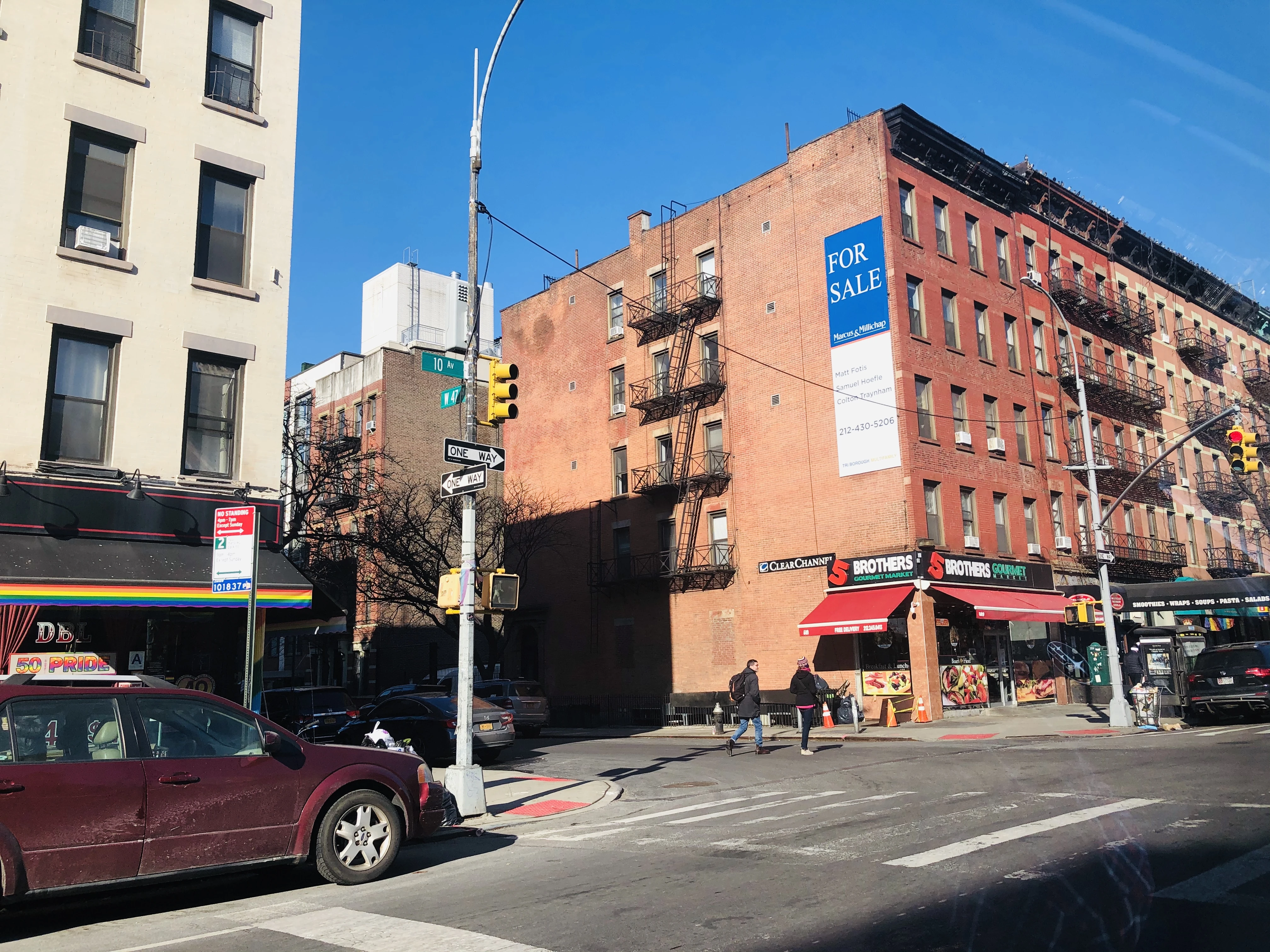
Modern Hell’s Kitchen is a vibrant neighborhood in New York City. Its transformation from a gritty past to a lively present attracts many residents and visitors. The area is now a hub of diversity and bustling activity.
Current Demographics
The demographic landscape of Hell’s Kitchen is rich and varied. Residents come from different backgrounds, adding to the cultural tapestry. The population includes a mix of young professionals, families, and longtime locals. This diversity creates a unique community spirit.
Economic And Cultural Revitalization
Economic growth in Hell’s Kitchen has been significant. New businesses and restaurants have emerged, boosting the local economy. The arts scene flourishes with theaters and galleries, drawing creatives and audiences alike. This revitalization enhances the area’s appeal and liveliness.
Credit: historica.fandom.com
Frequently Asked Questions
How Did Hell’s Kitchen Get Its Name?
Hell’s Kitchen got its name from its notorious reputation in the 19th century. The area was known for crime and poverty. A New York Times reporter allegedly compared it to “Hell’s Kitchen,” saying it was worse than hell. The name stuck and became synonymous with the neighborhood.
What’s The Story Behind Hell’s Kitchen?
Hell’s Kitchen is a reality TV cooking show featuring intense culinary challenges. Chefs compete under pressure, led by Gordon Ramsay. The show began in 2005, showcasing drama-filled competitions. Its name refers to Ramsay’s fiery personality and the heated environment. The series has gained global popularity.
What Do They Call Hell’s Kitchen Now?
Hell’s Kitchen is now often referred to as Clinton or Midtown West. It retains its vibrant character and rich history. The neighborhood is known for its dining, entertainment, and proximity to Broadway. Despite the name change, many locals and visitors still affectionately call it Hell’s Kitchen.
What Does Hell’s Kitchen Mean In Slang?
“Hell’s Kitchen” in slang refers to a chaotic or dangerous area. It suggests a place with intense activity or unruly behavior. The term originates from a neighborhood in New York City historically known for crime and poverty. Today, it can describe any rough or lively area.
Conclusion
Hell’s Kitchen holds a rich history and intriguing name. Its origins, debated by many, reflect a colorful past. The name evokes images of a vibrant and gritty neighborhood. It’s a place of cultural diversity and urban tales. Today, Hell’s Kitchen is a bustling area with unique charm.
Its name adds to the allure, drawing curious visitors. The stories behind the name enrich its identity. It’s more than a name; it’s a symbol. A symbol of transformation and resilience. Explore Hell’s Kitchen to experience its unique vibe. Discover the stories that shaped its name and legacy.