How Do You Clean Laminate Kitchen Cabinets: Expert Tips
Your kitchen is the heart of your home, and its cabinets play a big role in setting the tone. But those laminate kitchen cabinets can start to look dull and grimy if they aren’t cleaned properly.
You might be wondering how to keep them looking fresh without damaging the material. Imagine walking into your kitchen, where the cabinets are so clean they almost shine, making the whole room feel welcoming and vibrant. You deserve a space that not only looks great but also feels clean and inviting.
You’ll discover simple, effective methods to clean your laminate kitchen cabinets. We’ll guide you through step-by-step processes, share secret tips that experts swear by, and highlight common mistakes to avoid. By the end, you’ll be equipped with the knowledge to transform your cabinets from drab to fab, maintaining that just-installed look for years to come. So, are you ready to give your kitchen the refresh it deserves? Keep reading, and let’s get those cabinets sparkling!
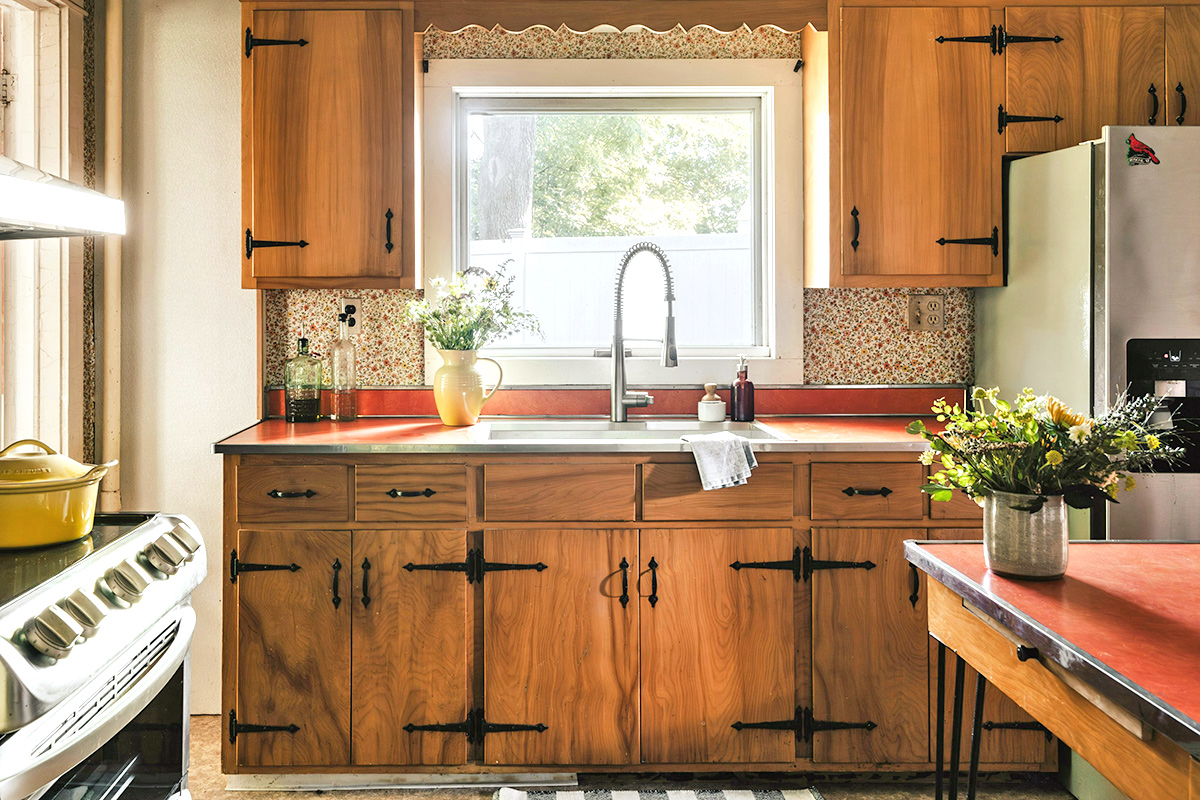
Credit: houseoutlook.com
Choosing The Right Cleaning Products
Cleaning laminate kitchen cabinets requires careful selection of cleaning products. Using the right agents preserves the beauty and longevity of your cabinets. It ensures they remain spotless without causing damage.
Safe Cleaning Agents
Choose gentle cleaning agents for laminate surfaces. Mild dish soap mixed with warm water works well. It cleans effectively without stripping the finish. White vinegar diluted in water is another safe option. It removes grease and odors naturally. Baking soda can tackle stubborn stains and doesn’t harm the surface.
Avoiding Harsh Chemicals
Harsh chemicals can damage laminate cabinets. Avoid bleach, ammonia, and abrasive cleaners. They can scratch or discolor the surface. Opt for natural or mild products instead. Check labels for any warnings before use. Harsh chemicals may leave residue or cause fading over time. Choose wisely to maintain cabinet condition.
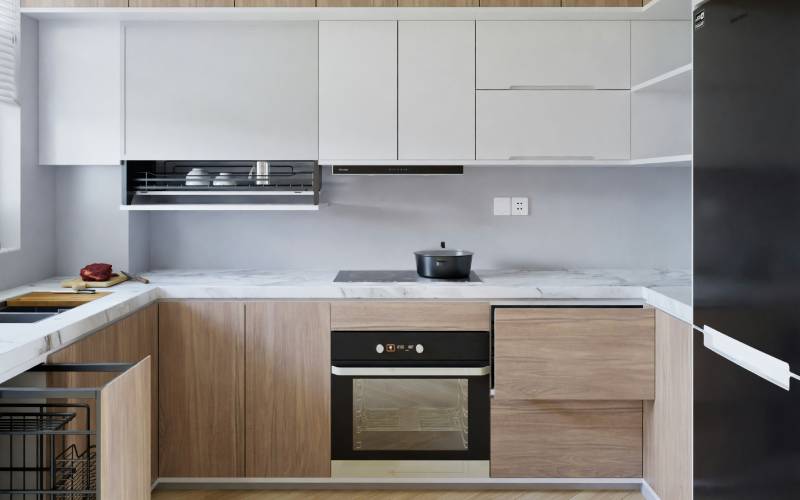
Credit: bluelinehomeconstruction.com
Preparing Cabinets For Cleaning
Dust off the cabinets with a soft cloth to remove loose particles. Prepare a gentle cleaning solution using warm water and mild detergent. Apply the solution to a cloth and wipe the laminate surfaces, ensuring all corners and edges are cleaned thoroughly.
Preparing your laminate kitchen cabinets for cleaning is essential. This step ensures you achieve the best results and prolong the cabinet’s lifespan. A thorough preparation involves removing contents and eliminating surface dust. It sets the stage for deeper cleaning. By taking these initial steps, you create a clean slate for more effective cleaning.Emptying The Cabinets
Start by removing all items inside the cabinets. This includes dishes, food, and utensils. Emptying the cabinets helps you access every corner. Place items on a nearby table or counter. Check for any expired food or items you no longer use. Dispose of these items properly. This is a great time to organize your kitchen essentials.Dusting And Initial Wipe Down
Once the cabinets are empty, dust the surfaces. Use a microfiber cloth or a feather duster. Dusting prevents dirt from sticking during cleaning. After dusting, perform an initial wipe down. Use a damp cloth with warm water. This removes any loose dirt or debris. Be gentle to avoid scratching the laminate surface.Cleaning Techniques
Gently wipe laminate kitchen cabinets with a soft cloth and mild soapy water. Rinse with a damp cloth to remove residue. Dry with a clean towel to prevent moisture damage.
Cleaning laminate kitchen cabinets requires careful techniques to maintain their look. Using the wrong methods can damage the surface. With the right approach, they can shine beautifully. Here are some effective cleaning techniques.Gentle Wiping Methods
Start with a soft microfiber cloth. Dampen it slightly with warm water. Avoid soaking the cloth to prevent moisture damage. Wipe the surface gently in circular motions. This removes dust and light dirt effectively. For sticky spots, use a mild dish soap solution. Mix a few drops of soap with warm water. Wet the cloth with this mixture and gently scrub the area. Rinse the cloth and wipe again to remove soap residue.Spot Cleaning Stubborn Stains
For tougher stains, baking soda is useful. Create a paste by mixing baking soda with water. Apply the paste to the stain using a soft cloth. Let it sit for a few minutes. Gently scrub with the cloth in circular motions. This helps lift the stain without scratching the cabinet. Wipe the area clean with a damp cloth. Ensure no baking soda residue remains. For grease stains, white vinegar is effective. Spray vinegar on the stain and let it sit briefly. Wipe clean with a soft cloth. This method removes grease without harming the finish.Dealing With Grease And Grime
Laminate kitchen cabinets often face the challenge of grease and grime. Cooking can lead to a sticky buildup that dulls their shine. Regular cleaning helps maintain their appearance. Effective methods can restore them to their original state.
Using Natural Degreasers
Natural solutions are ideal for tackling grease. Vinegar works wonders in breaking down oily residue. Mix equal parts of vinegar and water for a safe cleaning solution. Spray it on cabinets and wipe with a soft cloth. Baking soda is another excellent option. Create a paste with water and apply it to stubborn spots. Let it sit for a few minutes before wiping it clean. Lemon juice also helps dissolve grease due to its acidic nature. Use it with a damp cloth for a refreshing clean.
Handling Persistent Build-up
Sometimes grime doesn’t budge easily. In such cases, try stronger methods. Dish soap mixed with warm water can be effective. Use a sponge to scrub the stubborn areas gently. Avoid abrasive scrubbing pads to protect the laminate surface. For really tough spots, use a small amount of rubbing alcohol. Apply it with a cotton ball, then rinse thoroughly. Another option is a commercial degreaser designed for kitchen use. Test it on a small area first to ensure it doesn’t damage the laminate.
Drying And Polishing
Dry the cabinets with a soft cloth after cleaning. Polish them gently to restore shine and remove streaks. Regular polishing helps maintain their bright appearance.
Drying and polishing laminate kitchen cabinets is essential for a spotless finish. After cleaning, it’s crucial to dry and polish the surfaces. This not only enhances their appearance but also extends their lifespan. Proper drying prevents water spots and streaks, while polishing adds a beautiful shine.Effective Drying Techniques
Use a soft, lint-free cloth for drying. Microfiber cloths work best. They absorb water quickly and leave no residue. Gently wipe the surfaces in circular motions. Ensure all moisture is removed from the cabinet surface. Pay extra attention to corners and edges where water may collect. For hard-to-reach areas, a dry cotton swab can be useful. This helps ensure every part of the cabinet is dry.Polishing For Extra Shine
Polishing adds a glossy finish to your cabinets. Choose a polish specifically for laminate surfaces. Apply a small amount of polish to a clean cloth. Gently rub it onto the cabinet surface in circular motions. This helps spread the polish evenly. Let it sit for a few minutes. Use another clean, dry cloth to buff the surface. This enhances the shine and gives a smooth touch. Regular polishing keeps your cabinets looking new. It adds a layer of protection against stains and scratches.Maintaining Clean Cabinets
Cleaning laminate kitchen cabinets involves using a gentle cleaner mixed with warm water. Wipe the surface with a soft cloth, ensuring thorough coverage. Regularly drying with a clean towel prevents moisture damage and keeps cabinets looking fresh.
Maintaining clean cabinets is not just about aesthetics; it’s essential for preserving the longevity and functionality of your kitchen. When your laminate kitchen cabinets are spotless, they make cooking more enjoyable and food preparation more hygienic. However, achieving and maintaining this pristine look requires regular care and preventive measures.Regular Cleaning Schedule
Consistency is key in keeping your laminate cabinets looking fresh. Establishing a regular cleaning schedule can prevent dirt and grime from building up. – Daily Wipe-Down: Use a damp microfiber cloth to quickly wipe away spills and splatters. This reduces the chances of sticky residue setting in. – Weekly Deep Clean: Incorporate a gentle soap solution to remove any lingering grease. Avoid abrasive cleaners that could scratch or dull the surface. – Monthly Inspection: Check for any signs of wear or damage. Addressing small issues promptly can prevent bigger problems down the line. Do you find yourself skipping the wipe-down because you’re in a rush? Consider setting a reminder on your phone for a quick evening clean-up. A few minutes can save you hours of scrubbing later.Preventing Future Damage
Protecting your cabinets from future damage is as crucial as cleaning them. By taking preventive steps, you can extend their lifespan and maintain their beauty. – Use Protective Pads: Place felt pads under kitchen appliances to avoid scratches and dents. – Control Humidity Levels: Excess moisture can warp laminate. Use a dehumidifier if your kitchen feels damp. – Avoid Excessive Heat: Laminate cabinets aren’t fans of high temperatures. Use heat-resistant mats if placing hot pots nearby. Imagine hosting a dinner party and feeling proud of your spotless cabinets. By preventing damage, you ensure they remain a stunning focal point for guests. Are you ready to make your cabinets last longer while keeping them pristine? The steps are simple, but the impact is profound.Common Mistakes To Avoid
Avoid using harsh cleaning chemicals that can damage the laminate surface. Always use a soft cloth to prevent scratches. Keep cabinets dry by wiping them down after cleaning to avoid moisture damage.
Cleaning laminate kitchen cabinets seems easy. Yet, people make common mistakes that can harm the surface. Avoiding these errors ensures your cabinets stay pristine and last longer. Let’s explore these pitfalls.Over-wetting The Surface
Laminate is sensitive to water. Excess moisture can seep into seams, causing warping. Use a damp cloth, not a soaked one. Quick drying is key. Wipe surfaces promptly after cleaning. This prevents water damage.Using Abrasive Tools
Scrubbing pads and hard brushes can scratch laminate. Scratches dull the finish and ruin the look. Opt for soft cloths or sponges. Gentle cleaning preserves the surface. Avoid tools that might cause harm.Eco-friendly Cleaning Options
Cleaning laminate kitchen cabinets doesn’t need harsh chemicals. Eco-friendly options offer safe, effective ways to maintain your cabinets. They protect the environment and your home. Let’s explore some natural solutions.
Homemade Cleaning Solutions
Creating your own cleaning solution is easy. Use common household items. Mix equal parts of vinegar and water in a spray bottle. Vinegar cuts through grease and grime. It disinfects without harmful chemicals. Add a few drops of essential oil for a pleasant scent.
Baking soda is another effective cleaner. It’s gentle yet powerful. Sprinkle baking soda on a damp cloth. Gently scrub your cabinets. It removes stains and neutralizes odors. Rinse with a clean, damp cloth. Dry the surface with a soft towel.
Benefits Of Eco-friendly Products
Eco-friendly products are safe for your family. They reduce exposure to toxic chemicals. This is especially important in the kitchen. These products are also biodegradable. They break down naturally, causing less harm to the planet.
Using eco-friendly products supports sustainable practices. Many companies use recycled packaging. They prioritize reducing their carbon footprint. Supporting these products encourages more companies to go green.
Eco-friendly cleaning options are cost-effective. Many homemade solutions use inexpensive ingredients. Vinegar and baking soda are affordable and versatile. They can replace multiple commercial cleaners, saving money.
Credit: bluelinehomeconstruction.com
Frequently Asked Questions
What To Use To Clean Laminate Kitchen Cabinets?
Use a mixture of warm water and mild dish soap to clean laminate kitchen cabinets. Apply with a soft cloth and wipe gently. Avoid harsh cleaners or abrasives to prevent damage. Dry cabinets thoroughly after cleaning to maintain their appearance and longevity.
How To Clean Laminate Cupboards Streak Free?
Use a soft cloth with a mix of water and mild detergent. Wipe gently in circular motions. Dry immediately with a microfiber cloth for a streak-free finish. Avoid harsh chemicals or abrasive sponges to prevent damage to the laminate surface.
Keep cupboards clean and shiny effortlessly.
Is It Better To Use A Spray Or Cloth On Wood Cabinets?
Using a cloth is gentler on wood cabinets, preventing damage. For cleaning, spray onto the cloth, not directly on the wood. This method ensures even distribution and reduces the risk of moisture damage. Always opt for a microfiber cloth for the best results.
What Is The Best Cleaner For Laminate Kitchen Doors?
Use a gentle, non-abrasive cleaner for laminate kitchen doors. A mix of water and mild dish soap works well. Avoid harsh chemicals and abrasive sponges. Dry with a soft cloth to prevent streaks. Regular cleaning keeps laminate doors looking pristine and extends their lifespan.
Conclusion
Keeping your laminate kitchen cabinets clean is straightforward. Regular cleaning prevents grime buildup. Use mild soap and warm water for daily cleaning. Soft cloths or sponges work best. Avoid harsh chemicals. They can damage the surface. For stubborn stains, try vinegar or baking soda.
These are safe and effective. Remember, gentle scrubbing is key. Consistent care keeps cabinets looking new. Shine and freshness last longer. A clean kitchen boosts your home’s appeal. Ensures a healthier space for cooking. Simple cleaning habits make a big difference.
Your kitchen deserves easy, regular care. Enjoy cooking in a clean, fresh space!