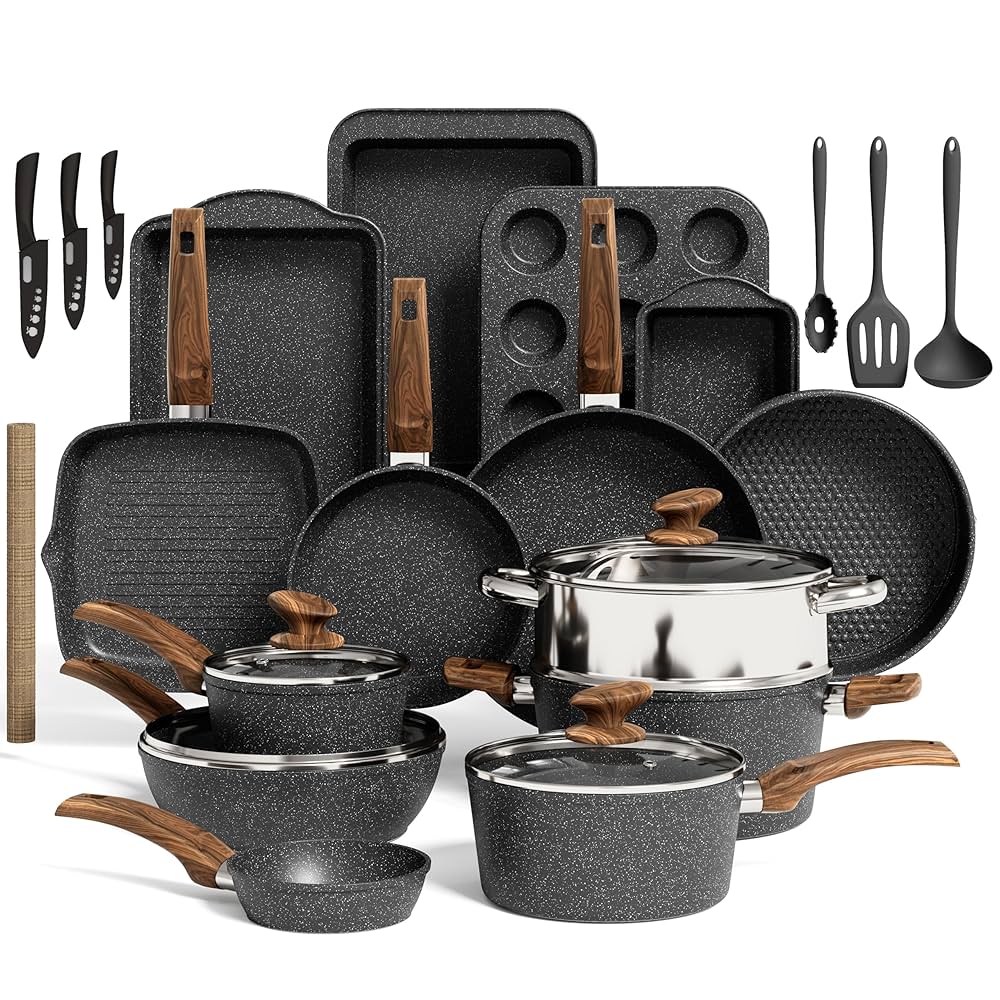
Cookware & Bakeware: Elevate Your Culinary Creations
When you step into your kitchen, what do you see? A collection of pots and pans waiting to create culinary masterpieces?
Or perhaps, a jumble of mismatched baking trays that make each cooking experience a challenge? Whether you’re a seasoned chef or a home cook just starting out, the right cookware and bakeware can transform your kitchen adventures. Imagine slicing into a perfectly baked cake or searing a steak to perfection—sounds satisfying, doesn’t it?
This article will guide you through the essentials you need for a functional and inspiring kitchen setup. You’ll discover how choosing the right tools can save you time, enhance your cooking skills, and even make the cleaning process a breeze. Ready to unlock the full potential of your kitchen? Let’s dive into the world of cookware and bakeware that will make cooking a joy, not a chore.
Choosing The Right Cookware
Selecting the best cookware and bakeware can enhance your cooking experience. Consider material, durability, and heat distribution for optimal results. Choose wisely to ensure safety and ease in your kitchen tasks.
Choosing the right cookware can significantly enhance your cooking experience. It’s not just about aesthetics; it’s about functionality and performance. Whether you’re a novice cook or a seasoned chef, the right tools can make all the difference.
Material Matters
The material of your cookware affects heat conduction and the cooking process. Stainless steel is durable and non-reactive, making it ideal for a variety of dishes. Cast iron retains heat well, perfect for slow-cooked meals, while non-stick pans simplify cooking and cleaning. Consider your cooking habits. Do you often make acidic dishes? Opt for non-reactive materials like stainless steel. For searing meats, a cast iron skillet could be your best friend.
Types Of Cookware
Cookware comes in various forms, each designed for specific tasks. Saucepans are great for soups and sauces, while frying pans are perfect for sautéing. Stock pots are essential for large quantities, like making broth or boiling pasta. Think about your usual recipes. If you bake often, a sturdy baking dish or a versatile Dutch oven might be essential. Having a diverse set ensures you’re always ready to tackle any recipe.
Cookware For Different Stovetops
Not all cookware is compatible with every stovetop. Induction cooktops require magnetic materials like cast iron or certain stainless steels. Gas stoves offer flexibility, accommodating a wider range of materials. Electric stoves work well with flat-bottomed cookware for even heat distribution. Always check your stove’s compatibility to ensure safety and efficiency. Have you ever struggled with uneven cooking? The right match between your cookware and stove can solve that issue. Choosing the right cookware is more than a decision—it’s an investment in your culinary journey. What material suits your cooking style? What types will enhance your favorite recipes? Equip your kitchen with the right tools, and transform your cooking from a chore into a joy.
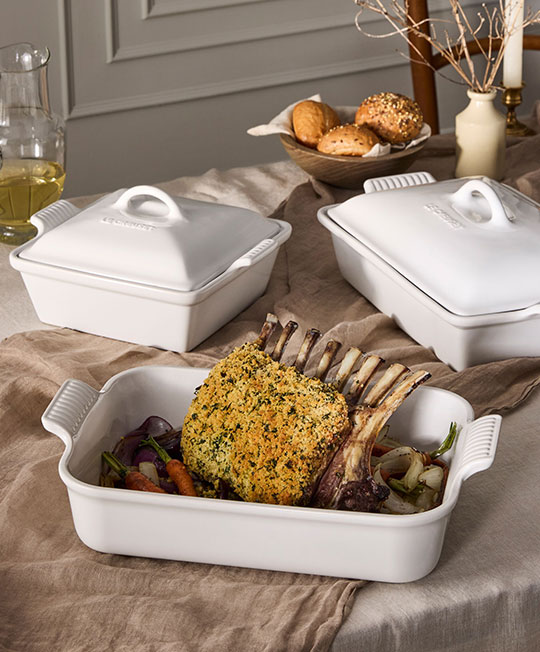
Credit: www.lecreuset.com
Exploring Bakeware Options
When diving into the world of bakeware, the variety can be overwhelming. From cookies to casseroles, each dish calls for specific tools. Choosing the right bakeware can significantly affect your baking results, making it essential to understand what options are available to you.
Essential Bakeware Pieces
Every baker should have a few key pieces in their kitchen arsenal. A baking sheet is perfect for cookies and roasting vegetables. Muffin tins, available in various sizes, are not just for cupcakes—they can also be used for mini quiches or breakfast egg cups. And don’t forget about cake pans; whether you prefer round, square, or rectangular, having a few options allows you to tackle any recipe.
Understanding Bakeware Materials
Bakeware comes in various materials, each with its pros and cons. Metal pans, such as aluminum or stainless steel, are excellent for even heat distribution and browning. Glass is great for baking dishes where you want to monitor the cooking process—think casseroles or pies. Silicone bakeware is a newer option, offering flexibility and easy release for sticky batters. Consider your baking needs and prioritize accordingly.
Specialty Bakeware For Unique Dishes
If you’re looking to expand your baking repertoire, specialty bakeware can open new possibilities. Bundt pans create stunning cakes with intricate designs. Tart pans, with their removable bottoms, make serving desserts a breeze. Pizza stones can transform your homemade pizza game, offering crispy crusts that rival your favorite pizzeria. What dish have you always wanted to master? The right specialty bakeware might just be the answer.
Non-stick Vs. Stainless Steel
Choosing cookware can feel like a task. Non-stick and stainless steel are popular. Both have unique benefits. This guide helps you decide which suits your cooking style.
Benefits Of Non-stick
Non-stick cookware is easy to clean. Food slides right off the surface. You need less oil or butter. This makes your meals healthier. It’s perfect for cooking delicate foods. Eggs and pancakes cook well without sticking.
Non-stick pans heat quickly. You can save time in the kitchen. They are often lighter than other pans. This makes them easier to handle.
Advantages Of Stainless Steel
Stainless steel is strong and durable. It can last for years. These pans can handle high temperatures. They are great for browning and searing.
They do not react with acidic foods. This keeps flavors pure. Stainless steel is also dishwasher safe. This makes cleaning easier.
Choosing Based On Cooking Needs
Consider what you cook most often. If you cook delicate foods, non-stick might be best. For high-heat cooking, stainless steel is ideal.
Think about maintenance too. Non-stick requires gentle care. Stainless steel needs more cleaning effort.
Cookware For Healthy Cooking
Choosing the right cookware and bakeware supports healthy cooking. Opt for non-toxic materials like stainless steel and cast iron. These options ensure safe food preparation while maintaining essential nutrients.
Cookware for Healthy Cooking Cooking healthy meals starts with choosing the right tools. Quality cookware can make a big difference. It helps in preserving nutrients and reducing fat. Let’s explore some essential aspects of cookware for healthier cooking.
Low-oil Cooking Solutions
Non-stick pans are popular for low-oil cooking. They require less oil for frying and sautéing. Ceramic-coated options are great alternatives. They offer non-stick properties without harmful chemicals. Cast iron skillets also work well. They distribute heat evenly, reducing the need for extra oil.
Safe Cookware Choices
Safety is crucial when selecting cookware. Avoid options with harmful coatings. Look for stainless steel or glass options. They are free from toxic chemicals. Consider using cookware made from natural materials. Carbon steel and clay pots are safe choices. They don’t leach unwanted substances into food.
Durability And Health Considerations
Durability matters for cookware that promotes health. Invest in high-quality pieces. They last longer and retain their cooking properties. Stainless steel and cast iron are durable and reliable. They withstand high temperatures and resist wear. Choose cookware that supports healthy cooking and lasts for years.
Bakeware For Perfect Results
Bakeware delivers consistent cooking results every time. Quality materials ensure even heat distribution and durability. Choose the right bakeware for flawless cakes and pastries.
Bakeware for Perfect Results Choosing the right bakeware can make all the difference in achieving the perfect bake. Whether you are a novice baker or a seasoned pro, understanding the nuances of bakeware can elevate your baking game. Let’s dive into the key aspects that ensure perfect results every time you bake.
Heat Distribution Properties
The secret to evenly baked goods lies in the bakeware’s heat distribution properties. Materials like aluminum and stainless steel are known for their excellent heat conduction. They ensure that your cookies are golden on the edges and soft in the middle. Glass bakeware, on the other hand, retains heat longer, which is ideal for casseroles but might over-brown your delicate pastries. Consider what you bake most often and choose materials accordingly.
Choosing The Right Size
Size matters more than you might think. An oversized pan can lead to thin, overcooked edges, while a too-small pan can cause batter overflow and uneven cooking. Always match your bakeware size to the recipe’s specifications. It’s a simple step that ensures your cakes rise beautifully and your brownies have that perfect fudgy texture.
Bakeware For Consistent Baking
Consistency is key for reliable baking results. Non-stick surfaces are great for easy release, but be cautious as they can sometimes lead to uneven browning. Opt for bakeware with a light-colored surface to prevent over-browning. Keep your bakeware collection consistent—using similar material and surface type helps maintain even results across different recipes. Next time you reach for your bakeware, remember these tips. What changes could you make to achieve your perfect bake?

Credit: www.amazon.ca
Care And Maintenance
Proper care keeps cookware and bakeware in top condition. Clean with mild soap and soft sponges. Avoid metal utensils to prevent scratches. Dry thoroughly to prevent rust. Store in a dry place for longevity.
Caring for your cookware and bakeware is crucial to ensure they last long and perform well. Proper maintenance not only protects your investment but also enhances your cooking experience. The joy of cooking is amplified when your tools are clean and functional. Let’s dive into how you can care for them efficiently.
Proper Cleaning Techniques
Cleaning your cookware and bakeware correctly can make a huge difference. Use warm, soapy water and a soft sponge to avoid scratching surfaces. Avoid harsh abrasives that can damage the finish. For stuck-on food, soak the items in hot water before cleaning. This simple step can save you time and effort. Remember, gentle cleaning preserves the integrity of non-stick coatings.
Storing Cookware And Bakeware
Storage is more than just putting your tools away. Stack pots and pans carefully to prevent dents and scratches. Use protective liners if necessary to maintain their finish. Consider wall-mounted racks for easy access and to free up cabinet space. Organizing your bakeware and cookware not only extends their life but also enhances your kitchen’s functionality.
Extending The Lifespan Of Your Tools
Extend the lifespan of your cookware and bakeware with simple routines. Regularly inspect for signs of wear and tear. Promptly address any damage to prevent further deterioration. Think about how you use your tools. Are you using high heat when low will suffice? Adjusting cooking temperatures can prevent warping and damage. How you care for your tools today affects your cooking tomorrow.
Innovative Cookware And Bakeware
Innovative cookware and bakeware have transformed kitchen experiences. Technology and design improvements make cooking easier and more enjoyable. Modern tools offer solutions to many common cooking challenges. This has led to a wide array of choices for home cooks and professionals alike.
New Technologies In Cookware
Cookware technology has advanced significantly. Many pots and pans now feature non-stick surfaces. This prevents food from sticking and makes cleaning easier. Some cookware uses smart technology. These devices connect to apps and help monitor cooking times and temperatures. Induction cooktops are also gaining popularity. They use magnetic fields to heat cookware directly, saving energy and time.
Eco-friendly Options
Sustainability is a growing concern in cookware manufacturing. Many brands focus on eco-friendly materials. Recycled aluminum and biodegradable coatings are popular choices. Ceramic cookware offers a non-toxic alternative to traditional non-stick surfaces. Bamboo utensils are also widely available. They are sustainable and durable, making them a great choice for eco-conscious cooks.
Trends In Culinary Tools
Trends in cookware and bakeware constantly evolve. Multifunctional tools are in demand, saving space and money. For example, air fryer ovens combine baking, grilling, and frying in one device. Silicone bakeware is lightweight and flexible, making storage easy. Colorful and stylish designs have become a trend, adding personality to any kitchen. These tools not only serve a purpose but also inspire creativity.

Credit: www.amazon.ca
Frequently Asked Questions
What Is The Best Brand Of Cookware?
All-Clad is renowned for its high-quality cookware, offering durability and excellent heat distribution. Le Creuset is famous for its colorful enameled cast iron. Lodge provides affordable and reliable cast iron options. Choose based on your cooking style and budget for the best results.
What Is The Difference Between Cookware And Bakeware?
Cookware is used for stovetop cooking, while bakeware is for oven baking. Cookware includes pots and pans; bakeware includes baking sheets and molds. Both are essential kitchen tools made from different materials suitable for their specific functions.
What Is The Healthiest Bakeware To Buy?
Choose bakeware made from stainless steel, glass, or ceramic for healthier cooking. These materials avoid harmful chemicals and provide even heating. Ensure products are free from non-stick coatings, which can contain toxins. Opting for high-quality, toxin-free bakeware ensures healthier meals and peace of mind in your kitchen.
What Cookware Do Professional Bakers Use?
Professional bakers prefer stainless steel, cast iron, and non-stick cookware for durability and even heat distribution. Aluminum baking sheets and silicone mats are popular for baking. They also use glass or ceramic bakeware for consistent results. Quality tools enhance precision and reliability in baking.
Conclusion
Choosing the right cookware and bakeware is important. It impacts your cooking results. Quality materials ensure even heat distribution. This leads to better tasting meals. Non-stick options simplify cleanup. Consider your cooking needs and space. Different materials suit different dishes.
Always check durability and safety features. Investing in good tools saves time and effort. Your kitchen should fit your lifestyle. Explore, experiment, and find what works best. Enjoy the process of cooking and baking. With the right tools, every meal becomes a joy.
Happy cooking!


