
Have you ever paused to consider the humble fork? This everyday object often goes unnoticed in the grand scheme of kitchen activities.
Yet, it holds a pivotal role in your culinary adventures. Imagine a meal without this trusty utensil—suddenly, the prospect of enjoying your favorite dish becomes a challenge. Your fork is more than a mere tool; it’s an unsung hero of your dining experience.
But have you ever wondered, are forks truly kitchen utensils? This question might seem trivial, yet it opens up a world of intriguing insights about what defines the tools you use in your kitchen. Dive into this exploration as you discover the surprising history, versatile uses, and the undeniable importance of forks in your culinary journey. Stay with us as we unravel this fascinating topic, promising you’ll never look at your fork the same way again.
Credit: www.temu.com
History Of Forks
Forks might seem like an ordinary kitchen utensil today, but they have a fascinating history that spans centuries and cultures. Understanding the journey of the fork from a peculiar tool to an essential part of dining can add a unique perspective to your culinary experiences. Let’s explore how this handy implement evolved over time.
Origins And Early Use
The fork’s origin dates back to ancient civilizations, where it was first used in the Middle East. Initially, forks had only two tines and were primarily employed for cooking and serving meat. Ancient Greeks and Romans used forks more as an aid for roasting rather than dining. Imagine the simplicity of their design compared to the multi-tined varieties we use today.
In medieval Europe, forks were considered extravagant and were often associated with royalty. They were crafted from precious materials like silver and gold, signaling wealth and status. Think of forks as the luxury cars of dining utensils back then—rare and coveted.
Evolution In Different Cultures
As forks spread across different regions, they adapted to suit local customs and cuisines. In Italy, forks gained popularity during the Renaissance, partly due to pasta dishes requiring a more efficient tool for eating. This was a turning point, as forks became more accepted across Europe.
In China, chopsticks remained dominant, but forks eventually found a niche among Western-influenced culinary practices. Contrast this with Japan, where forks are still mostly used for Western-style meals. It’s intriguing how a simple utensil can reflect cultural preferences.
By the 17th century, forks were common in France and England, gradually becoming a staple in households. This shift was influenced by changing dining etiquette and the move towards more sophisticated table settings. Have you ever wondered how a simple object can mirror the evolution of social norms?
Forks In Modern Dining
Forks play a crucial role in modern dining. They are not just tools but symbols of culture. Their evolution reflects changes in culinary practices and dining etiquette. Today, forks come in various styles and materials, adding elegance to tables worldwide.
Varieties And Designs
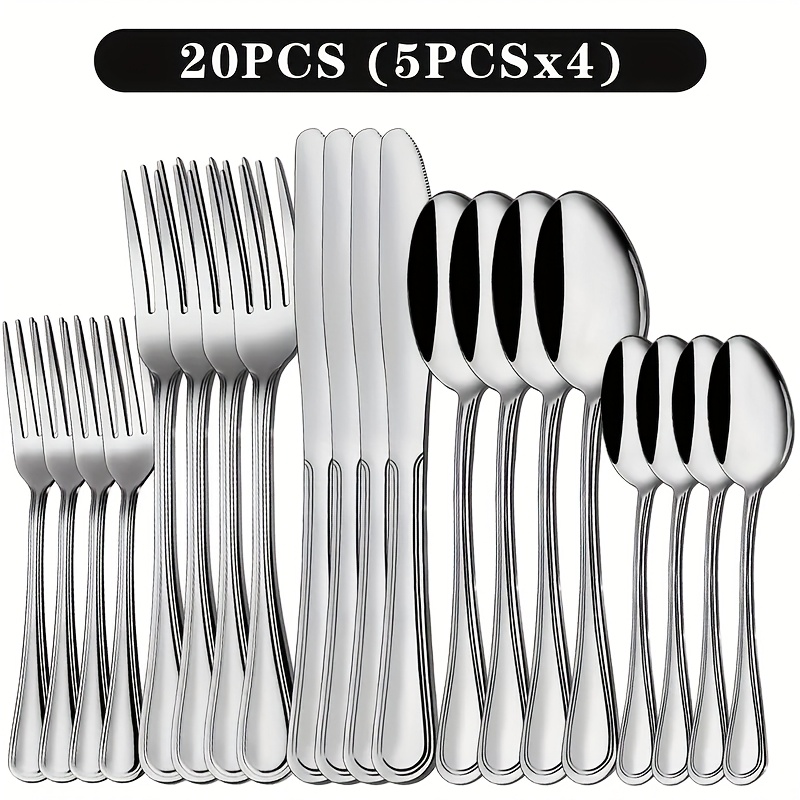
Modern forks have diverse designs and purposes. Some common types include:
- Table Forks:The standard for main courses.
- Salad Forks:Smaller, ideal for leafy greens.
- Dessert Forks:Petite, perfect for sweets.
- Fish Forks:With wider tines for seafood.
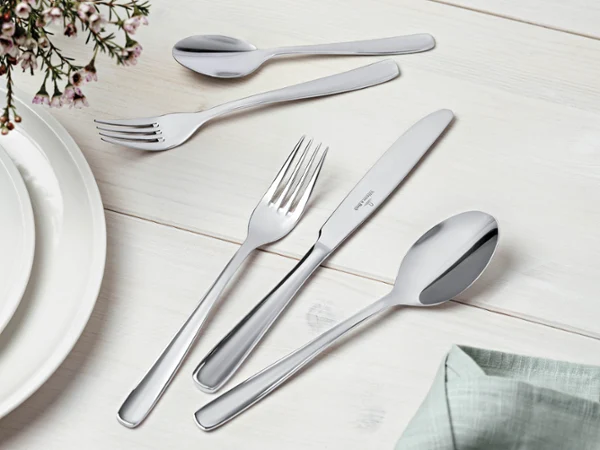
Many forks feature unique patterns and engravings. These details enhance their aesthetic appeal. Designers often create sets with matching knives and spoons. This brings harmony to table settings.
Materials And Manufacturing
Forks are crafted from various materials. Common choices include stainless steel, silver, and wood. Stainless steel is durable and easy to maintain. Silver offers elegance and a classic look. Wooden forks provide a rustic charm.
Manufacturing processes vary by material. Stainless steel forks are often stamped and polished. Silver forks may require intricate handcrafting. Wooden forks are carved and sanded for smoothness. Each method ensures quality and comfort in use.
Choosing the right material affects dining experiences. It influences weight, balance, and grip. Proper selection enhances mealtime enjoyment.
Cultural Significance
Forks are more than just kitchen utensils. They carry cultural significance across the globe. Their presence at the dining table often reflects traditions and values. Understanding the cultural symbolism and etiquette surrounding forks offers insight into different societies.
Symbolism And Etiquette
Forks symbolize manners and sophistication in many cultures. In Europe, using a fork properly is a sign of refinement. Etiquette dictates holding the fork in the left hand. The fork is used to spear food gracefully. It is essential for formal dining. In America, the fork is held in the right hand. Switching hands is common while eating. Each method reflects cultural norms.
Forks also play a role in social interactions. Sharing food with a fork can signify trust and friendship. In some cultures, offering a fork to someone is a gesture of hospitality. Forks can represent a connection between people during meals.
Comparative Global Usage
Fork usage varies around the world. In Asia, chopsticks are more prevalent. Forks are often used for Western-style dishes. In the Middle East, people may eat with their hands. Forks are seen as a Western influence. In Africa, forks are used in urban areas. Rural areas might prefer traditional eating methods.
Different countries have adapted fork designs. Italian forks have longer tines for pasta. French forks may have a wider head for holding food. These adaptations reflect local culinary practices. Forks showcase the diversity of dining experiences globally.
Credit: www.villeroy-boch.co.uk
Forks In Culinary Arts
Forks are more than just tools for eating—they are vital instruments in the culinary arts. Their design and versatility make them indispensable in kitchens around the world. Whether you are a home cook or a professional chef, understanding the role of forks can elevate your cooking and presentation skills.
Role In Food Presentation
Forks play a crucial role in food presentation. Their structure helps in arranging delicate ingredients with precision. You might find yourself using forks to create intricate designs on a plate or to strategically place garnishes that enhance the visual appeal of a dish.
Imagine serving a beautifully plated salad. The fork is not just for eating; it can assist you in layering ingredients, ensuring that each bite is a delightful mix of flavors. Have you ever noticed how a simply forked arrangement can transform a dish’s appearance?
Food presentation is an art, and forks are your brushes. Next time you plate a dish, consider how a fork can help you create symmetry and balance. Your guests will appreciate the effort, and you’ll enjoy the satisfaction of a job well done.
Specialty Forks For Chefs
Chefs often have a collection of specialty forks tailored for specific tasks. These forks come in various shapes and sizes, each designed for a unique purpose. Think of them as the secret weapons in a chef’s arsenal.
For instance, a pastry fork has wider tines for handling delicate desserts without damaging them. Meanwhile, a carving fork is essential for stabilizing meat while slicing, ensuring clean cuts that enhance presentation.
Have you ever tried using a pickle fork? Its narrow tines make it perfect for grabbing small items from jars with ease. Experimenting with specialty forks can open up new possibilities in your cooking. Why not give it a try and add some variety to your culinary toolkit?
Environmental Impact
Exploring the environmental impact of kitchen utensils, forks play a role. They often contribute to waste if disposable. Opting for reusable forks can help reduce landfill contributions and support sustainability.
The environmental impact of forks is a topic that often goes unnoticed. Yet, it plays a significant role in our daily lives. The choices we make about the utensils we use can have lasting effects on the planet.Disposable Vs. Reusable Forks
Disposable forks may seem convenient, but they contribute significantly to landfill waste. Every time you use a plastic fork, you are adding to the growing problem of plastic pollution. Reusable forks, on the other hand, present a more sustainable option. They reduce waste and can be a part of your daily routine with minimal effort. By simply carrying a reusable fork, you can cut down on single-use plastic consumption dramatically. Consider the times you’ve grabbed a plastic fork for a quick meal. What if you had a reusable one on hand? This small change can make a big difference over time.Sustainable Alternatives
If you’re looking to minimize your environmental footprint, explore forks made from sustainable materials. Bamboo forks are a popular choice due to their biodegradability and renewability. They offer durability and can be an eco-friendly addition to your kitchen. Stainless steel forks are another excellent alternative. Not only are they long-lasting, but they also have a sleek and modern look. Investing in a set of stainless steel forks can be both a sustainable and stylish choice. Think about the impact your utensils have on the environment. How can you incorporate more sustainable options into your daily life? By making conscious choices, you can contribute to a healthier planet.Consumer Trends
The humble fork has come a long way from its early days as a simple pronged tool. Today, consumer trends show a growing interest in forks that offer both functionality and style. As people become more particular about their kitchen utensils, forks have seen various innovations and brand developments to meet these demands.
Innovations In Fork Design
Forks are no longer just about utility; they are about innovation. Designers are constantly experimenting with materials and shapes. You might find forks made from titanium for lightweight durability or bamboo for eco-friendliness. Some forks come with ergonomic handles to reduce strain during use. There are even forks with retractable prongs for easy storage.
Have you ever thought about how the design of a fork can change your dining experience? A well-balanced fork can make eating more enjoyable, while a poorly designed one can be frustrating. Next time you hold a fork, notice how it feels in your hand. Does it enhance your meal or detract from it?
Popular Brands And Models
When it comes to forks, some brands are leading the charge with innovative models. Companies like Zwilling and Oneida have set the standard for quality and style. Zwilling offers forks that are both durable and elegantly designed, making them a favorite among home cooks and professional chefs alike.
Oneida, on the other hand, is known for its classic designs that fit seamlessly into any table setting. Their forks often come with intricate patterns that add a touch of sophistication to your dining experience. Which brand resonates with your style? It’s worth considering how brand reputation can influence your choice of kitchen utensils.
As you explore different forks, you might find a model that surprises you with its unique features. Whether it’s a fork with a special grip or one that can be customized with different colors, the options are endless. What would you choose to add a personal touch to your kitchen?

Credit: www.amazon.com
Frequently Asked Questions
Is A Fork A Kitchen Utensil?
Yes, a fork is a kitchen utensil. It is commonly used for eating and serving food. Forks have prongs to help pick up and hold food. They are essential in kitchens and dining settings worldwide.
Are Spoons And Forks Considered Utensils?
Yes, spoons and forks are considered utensils. They are essential tools for eating and serving food. Utensils like these are common in kitchens and dining settings. They help in handling and consuming food efficiently.
What Is A Fork Classified As?
A fork is typically classified as a utensil. It features prongs used for eating or serving food. Commonly made of metal or plastic, forks are essential in dining and cooking. Different types include dinner forks, salad forks, and dessert forks, each designed for specific uses.
What Is Classified As A Kitchen Utensil?
Kitchen utensils are tools used for food preparation, cooking, and serving. They include knives, spoons, spatulas, and peelers. These items help in measuring, mixing, cutting, and serving food efficiently. Common materials for utensils are stainless steel, wood, and plastic. Proper utensils enhance cooking experiences and kitchen organization.
Conclusion
Forks are essential kitchen utensils. They simplify eating and cooking tasks. Their design supports easy handling of food. People use forks daily, without noticing their importance. They come in various styles and materials. Each type serves different culinary needs. From casual meals to fine dining, forks play a vital role.
They help with serving, mixing, and picking up food. Without forks, simple tasks become challenging. Next time you use a fork, appreciate its function. This humble tool holds a significant place in our kitchens.