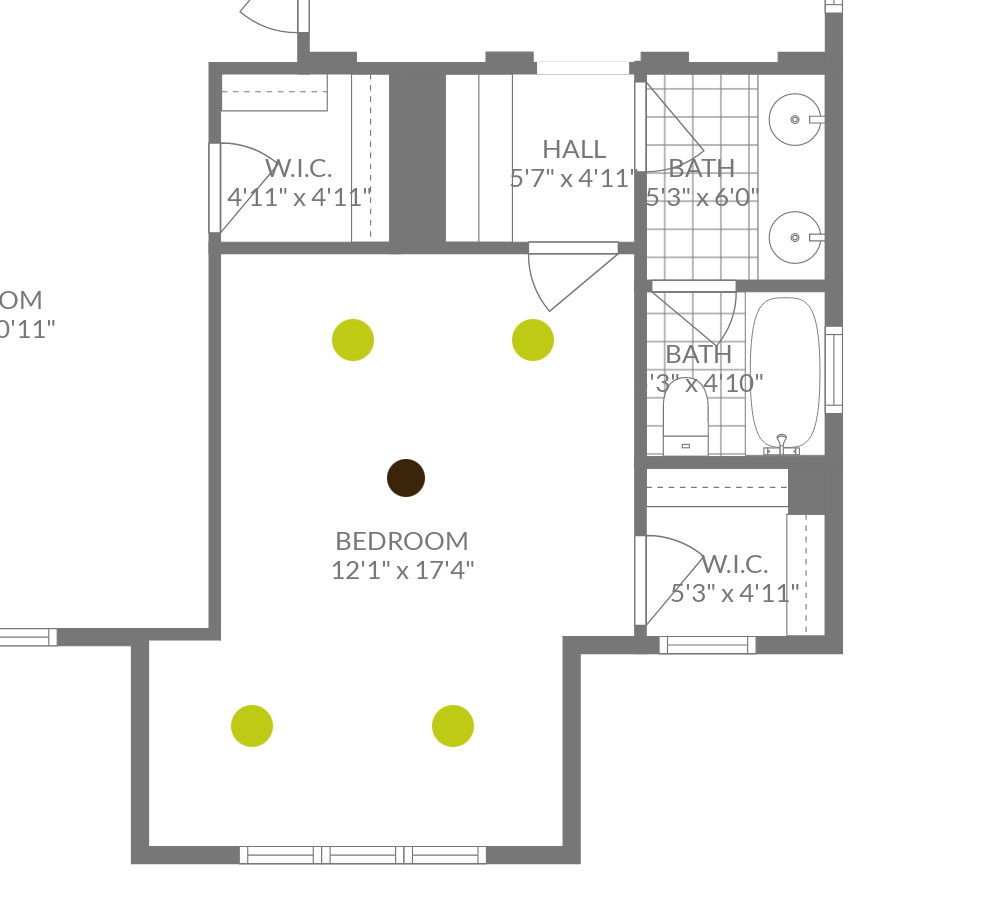
Can Light Spacing Kitchen: Optimize Your Cooking Space
Imagine stepping into your kitchen and feeling an immediate sense of peace and clarity. The secret?
It’s all about the right light spacing. You may not realize it, but the way you arrange lighting can transform your cooking space into a haven of comfort and efficiency. This isn’t just about aesthetics—it’s about creating an environment where you and your family can thrive.
With the right lighting setup, meal prep becomes smoother, your kitchen looks more welcoming, and even your mood can improve. Curious about how to achieve this magic in your own kitchen? Dive into this article and discover how strategic light spacing can make all the difference.

Credit: www.reddit.com
Importance Of Kitchen Lighting
Kitchen lighting is vital for creating a functional and pleasant space. It enhances the atmosphere, making the kitchen welcoming and cozy. Proper lighting aids in daily tasks, ensuring safety and efficiency. Good lighting design can transform the kitchen into a lively area.
Why Proper Kitchen Lighting Matters
Lighting impacts how you perceive space and color in the kitchen. It makes cooking easier and more enjoyable. Proper lighting reduces accidents, providing clarity during food prep. It helps highlight the best features of your kitchen design.
There are various types of lighting for kitchens. Ambient lighting provides overall illumination. Task lighting focuses on specific areas, like countertops. Accent lighting highlights features, adding depth and interest to the space.
Choosing The Right Light Fixtures
Light fixtures can enhance the kitchen’s style. Pendant lights add elegance and charm. Recessed lights offer a sleek, modern look. Under-cabinet lights improve functionality, illuminating work surfaces.
Benefits Of Can Lighting In Kitchens
Can lights are versatile and unobtrusive. They provide even lighting across the room. Can lights fit various kitchen styles, from contemporary to traditional. Their adjustable placement ensures optimal light distribution.
Optimizing Can Light Spacing
Proper spacing ensures effective illumination. Avoid shadows by spacing lights evenly. Consider ceiling height and room size for ideal placement. Balance aesthetics and functionality for the best outcome.
Types Of Kitchen Lighting
Choosing the right kitchen lighting enhances both function and style. Effective lighting makes cooking easier and creates a welcoming space. Understanding the types of lighting can help in designing a well-lit kitchen.
Ambient Lighting
Ambient lighting provides general illumination. It fills the kitchen with a soft, comfortable glow. Ceiling-mounted fixtures, such as chandeliers or recessed lights, work well here. This lighting helps in moving around safely and sets the mood.
Task Lighting
Task lighting focuses on specific areas. It aids in completing tasks like chopping or reading recipes. Under-cabinet lights are a great choice. They shine directly onto countertops, enhancing visibility. Task lighting helps in reducing shadows and eyestrain.
Accent Lighting
Accent lighting highlights special features in the kitchen. It draws attention to artwork or architectural details. Spotlights or track lights serve this purpose well. Accent lighting adds depth and dimension to the room.
Choosing The Right Bulbs
Select bulbs with the right brightness for kitchen light spacing. Consider the size of the space and fixture style. This ensures an evenly lit kitchen, enhancing both functionality and ambiance.
Choosing the right bulbs for your kitchen can make all the difference in creating a warm and inviting space. The bulbs you select not only affect the ambiance but also the functionality of your kitchen. Whether you’re preparing a meal or gathering with friends, the lighting plays a crucial role. But how do you decide between LED and fluorescent, or choose between warm and cool light?Led Vs. Fluorescent
LED bulbs have become a popular choice for many homeowners. They are energy-efficient and last longer than traditional bulbs, saving you money in the long run. Their brightness and clarity are perfect for kitchen tasks where precision is key. Fluorescent bulbs, on the other hand, offer a softer light. They may be less expensive upfront, but they don’t last as long as LEDs. If you prefer a diffused light for a relaxed atmosphere, they might be worth considering. Think about your kitchen activities. Do you need clear, focused light, or is a softer glow more your style?Warm Vs. Cool Light
Warm light creates a cozy and inviting atmosphere. It’s ideal for dining areas where you want to foster intimate conversations. Warm lights can make your kitchen feel like a homey retreat. Cool light is more vibrant and energizing. It enhances concentration, making it a great choice for task lighting areas, like countertops and islands. It’s the type of light that stimulates productivity and keeps you alert. Consider where you spend the most time in your kitchen. Do you want a soothing vibe or a space that keeps you lively and active? Choosing the right bulbs is about more than just lighting your kitchen. It’s about setting the mood and making the space your own.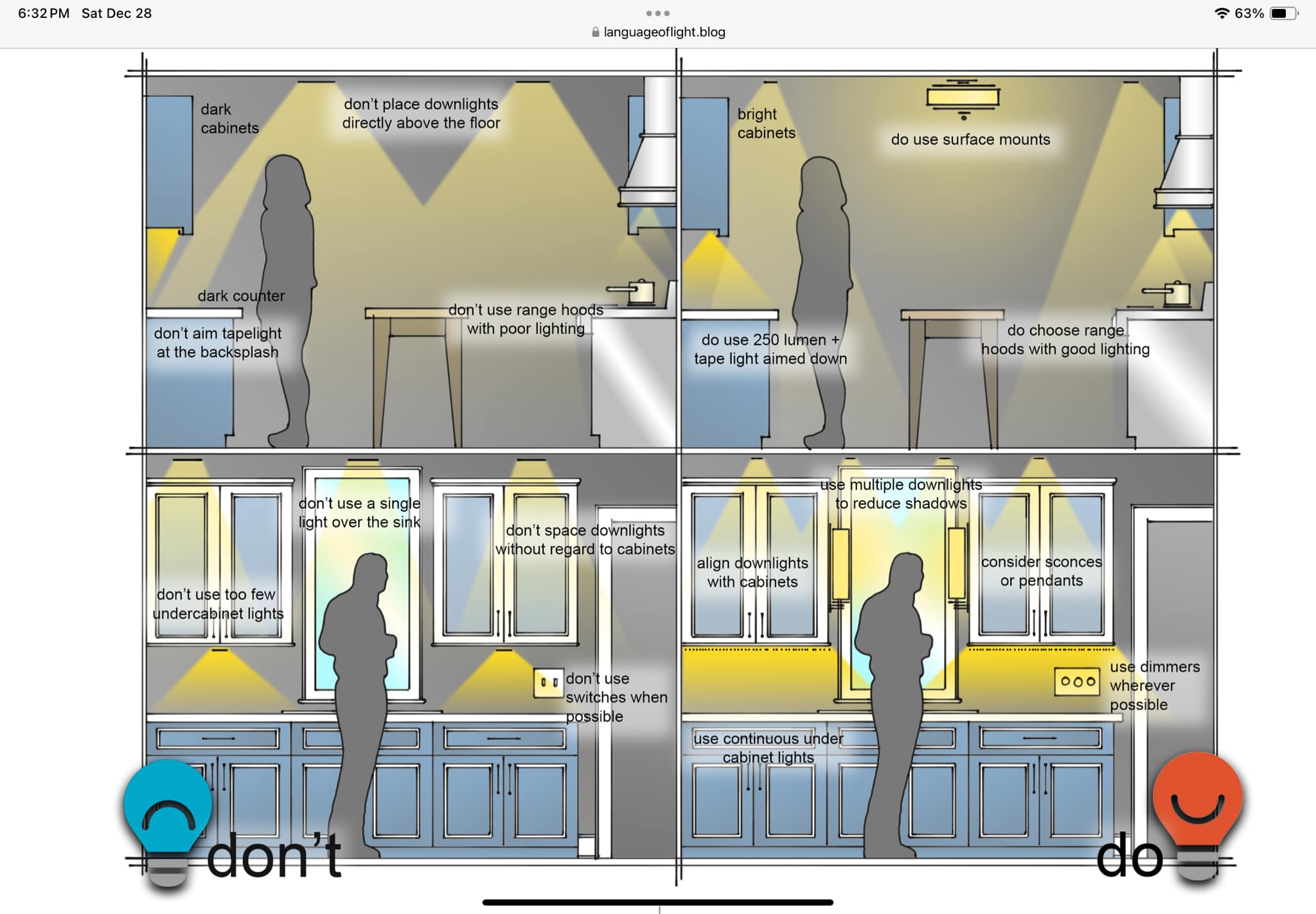
Credit: www.facebook.com
Strategic Light Placement
Strategic light placement transforms the kitchen into a functional space. Proper lighting enhances the room’s aesthetic appeal and usability. Consider the role of each light type to achieve a balanced illumination. Tailor the light sources to meet specific needs.
Overhead Lights
Overhead lights provide general illumination across the kitchen. They are ideal for lighting large areas uniformly. Choose fixtures that complement the kitchen’s design. Opt for LED or fluorescent bulbs for energy efficiency.
Position overhead lights to minimize shadows. A central location works well for even light distribution. Multiple fixtures may be necessary for larger kitchens. Ensure that the lighting is bright but not harsh.
Under-cabinet Lighting
Under-cabinet lighting enhances functionality and ambiance. It illuminates countertops, making food preparation easier. This type of lighting adds depth to the kitchen’s design. LED strip lights are a popular choice for this purpose.
Install lights directly beneath cabinets. They should provide focused light without glare. Under-cabinet lighting also highlights backsplash details. Consider dimmable options for flexible lighting control.
Pendant Lights
Pendant lights add a decorative touch to the kitchen. They are perfect for lighting islands and dining areas. Choose pendant lights that match the kitchen’s style. Consider varying heights for visual interest.
Position pendant lights over key areas like islands. They should hang at a height that avoids head bumps. Ensure the light is sufficient for tasks without overpowering the space. Pendant lights can serve as focal points in the room’s design.
Maximizing Natural Light
Light spacing in the kitchen enhances natural illumination. Arrange fixtures evenly to brighten all corners. Use reflective surfaces to boost light flow.
Maximizing natural light in your kitchen enhances its beauty and functionality. A bright kitchen feels more inviting and spacious. There are simple ways to increase natural light without major renovations.Window Treatments
Choose light and airy window treatments. Sheer curtains allow sunlight to filter through. Light-colored blinds reflect more light than dark ones. Keep window treatments minimal to avoid blocking sunlight. Consider removing heavy drapes for a brighter space. Clean windows regularly to maximize light entry. Dirt and grime can reduce light significantly.Reflective Surfaces
Use reflective surfaces to bounce light around the room. Glossy tiles on the backsplash can enhance brightness. Stainless steel appliances also reflect light well. Mirrors strategically placed can create an illusion of more windows. Light-colored countertops and cabinets can make a big difference. They reflect light better than darker colors. Opt for shiny finishes over matte to boost light reflection. These small changes can dramatically brighten your kitchen.Credit: www.diychatroom.com
Light Fixtures And Style
Choosing the right light fixtures for your kitchen is crucial. It impacts both the functionality and the style of the space. Light fixtures can transform your kitchen from ordinary to extraordinary. They not only provide necessary illumination but also add character and charm. Selecting the right style of light fixtures can enhance your kitchen’s design theme.
Modern Fixtures
Modern light fixtures are sleek and stylish. They often feature clean lines and minimalistic designs. These fixtures usually come in neutral colors like black, white, or metallic shades. LED recessed lights are a popular choice for modern kitchens. They provide ample light and can be adjusted for brightness. Pendant lights with geometric shapes also add a contemporary touch. Modern fixtures often use energy-efficient technology, saving you money on electricity bills.
Vintage And Rustic Options
Vintage and rustic light fixtures add warmth and charm. They often feature distressed finishes and antique designs. These fixtures can create a cozy, inviting atmosphere. Edison bulbs are popular in rustic kitchens, offering a soft, warm glow. Metal fixtures with bronze or copper finishes enhance the rustic look. Wooden chandeliers or lantern-style pendants add a touch of farmhouse charm. These options blend well with natural materials like wood and stone.
Energy Efficiency Tips
When thinking about can light spacing in your kitchen, energy efficiency should be at the forefront of your decisions. Not only does this help reduce your environmental footprint, but it also lowers your utility bills. Here are some practical tips to achieve an energy-efficient kitchen lighting setup.
Smart Lighting Solutions
Invest in smart lighting systems that allow you to control brightness and colors. These systems can be programmed to adjust based on the time of day, maximizing natural light use. Imagine starting your day with soft, warm lighting that gradually brightens as you sip your morning coffee.
Consider installing motion sensors in your kitchen. This ensures lights are only on when needed, cutting down unnecessary energy use. You won’t have to worry about leaving the lights on when your hands are full or when you forget to flip the switch.
Energy-saving Practices
Switch to LED bulbs for your can lights. They use significantly less energy and last much longer than traditional bulbs. This simple change can save you money in the long run and reduce the hassle of frequent replacements.
- Position your can lights strategically to minimize the number of fixtures needed.
- Use dimmer switches to adjust lighting levels according to your activities.
- Regularly clean your light fixtures to maintain maximum brightness with less energy.
Are you ready to transform your kitchen into a model of energy efficiency? By making small changes, you can enjoy a brighter space that is kinder to the planet and your wallet.
Balancing Aesthetics And Functionality
Balancing aesthetics and functionality in kitchen lighting enhances the space while ensuring practical use. Proper light spacing creates a welcoming ambiance, making food preparation enjoyable and safe. Thoughtful design decisions can transform any kitchen into a harmonious blend of beauty and efficiency.
Balancing aesthetics and functionality in kitchen lighting is essential. Proper can light spacing enhances beauty and efficiency. It sets the mood while ensuring tasks are done safely. A well-lit kitchen reflects style and practicality. This section explores how to achieve this balance effectively.Understanding Light Placement
Correct placement of can lights impacts both look and function. Position lights to highlight key areas. Consider workspaces like the countertop and sink. Even distribution prevents shadows and ensures safety.Choosing The Right Number Of Lights
The number of lights affects brightness and ambiance. Too few lights create dark spots. Too many lights can be overwhelming. Calculate the right amount based on room size and design.Spacing Techniques For Uniformity
Uniform spacing ensures even light distribution. Measure distances between lights carefully. Avoid clustering lights too closely. Maintain a consistent pattern for harmony.Integrating With Existing Decor
Can lights should complement the kitchen’s style. Match light fixtures with current decor elements. Consider color schemes and material finishes. This integration adds to the kitchen’s cohesive look.Adjusting For Ceiling Height
Ceiling height influences light placement. Higher ceilings may require more lights or brighter bulbs. Lower ceilings need careful spacing to avoid clutter. Adjust accordingly for optimal results.Diy Lighting Projects
Transforming your kitchen lighting doesn’t have to be a daunting task or a costly affair. DIY lighting projects offer a fantastic opportunity to add personal flair and functionality to your space. Whether you’re looking for simple upgrades or envisioning custom lighting designs, there’s something for every skill level and style preference. Let’s dive into some exciting ideas that can light up your kitchen!
Simple Upgrades
Sometimes, the smallest changes make the biggest impact. Consider swapping out old bulbs for energy-efficient LEDs. You’ll notice the difference not just in brightness but in your energy bills too. Another easy fix is adding dimmer switches. They allow you to adjust the mood and ambiance, perfect for those cozy dinners or lively gatherings.
Reflect on how under-cabinet lighting can transform your space. Installing adhesive LED strips beneath your cabinets provides focused task lighting and adds a modern touch. It’s an easy project that you can complete in an afternoon. Plus, the additional illumination can make meal prep a breeze.
Custom Lighting Designs
If you’re feeling adventurous, custom lighting designs could be your next project. Think about pendant lights over your kitchen island. They not only illuminate but also serve as a focal point in the room. Choose fixtures that complement your kitchen’s style, whether it’s rustic, modern, or eclectic.
Consider creating a statement chandelier using recycled materials. It’s a great way to add personality and eco-friendly elements to your decor. Have you ever thought about mixing different types of lighting fixtures? Combining track lighting with recessed lights can add depth and layers to your kitchen’s illumination.
Custom designs allow for creativity and personalization. What unique lighting element could you add to your kitchen that would truly reflect your style? The possibilities are endless, and the results are rewarding!
Professional Lighting Services
Choosing the right lighting for your kitchen can be a game-changer, not just in terms of aesthetics, but also functionality. While DIY projects can be fulfilling, there are times when hiring professional lighting services can truly elevate your kitchen’s ambiance. Professional lighting experts bring a wealth of knowledge and experience to the table, ensuring that your kitchen is not only well-lit but also stylishly illuminated.
When To Hire A Pro
Feeling overwhelmed by the myriad of lighting options and technical details? That’s your cue to call in the professionals. A lighting expert can help you navigate complex factors like ceiling height, fixture type, and light intensity. They ensure that your can light spacing aligns perfectly with your kitchen’s layout and design.
Sometimes, it’s not just about installing lights; it’s about creating a mood. Professionals can offer insights on how to use lighting to enhance your kitchen’s personality. Imagine transforming your cooking space into a cozy nook with just the right amount of warmth and brightness.
Cost Considerations
Wondering how much hiring a professional will set you back? It’s essential to weigh the costs against the benefits. While hiring a pro might seem like a big expense upfront, consider the long-term savings from energy-efficient designs and avoiding costly mistakes.
Professionals can provide a detailed quote that covers materials, labor, and any additional services. This transparency helps you budget effectively, ensuring no surprise expenses down the line. Plus, the value added to your home by a well-lit kitchen can be priceless.
Frequently Asked Questions
How Far Apart Should Can Lights Be In A Kitchen?
Space can lights 4 to 6 feet apart for optimal kitchen lighting. Consider ceiling height and bulb wattage. Ensure even coverage by aligning lights with countertops or work areas. Adjust spacing based on room size and layout. Proper placement enhances visibility and aesthetics in the kitchen.
How Much Space Should Be Between Can Lights?
Space can lights about 4 to 6 feet apart. Consider ceiling height and room size for optimal lighting. Adjust spacing for specific lighting needs or design preferences. Proper spacing ensures even light distribution and enhances room aesthetics.
How Many Recessed Lights For A 12×12 Kitchen?
Use four to six recessed lights for a 12×12 kitchen. Position them evenly for optimal lighting. Consider task areas like countertops or islands for focused lighting. Adjustable trim can help direct light where needed. LED options offer energy efficiency and long lifespan.
How Far Apart Should 6 Recessed Lights Be Spaced?
Space 6 recessed lights 4 to 6 feet apart for optimal illumination. Consider room size and purpose when spacing. Ensure even light distribution for a well-lit space. Adjust spacing for specific lighting needs or design preferences.
Conclusion
Light spacing in the kitchen makes a big difference. It creates a welcoming vibe. Proper lighting helps you see better. It makes cooking easier. Thoughtful light placement also adds style. Choose lights that match your taste. Consider energy-efficient options. They save money and help the environment.
Remember, too much light can be harsh. Find a balance that suits your needs. Experiment with different setups. See what works best for you. Good lighting enhances your kitchen experience. It makes the space more enjoyable. Start improving your kitchen lighting today.
Enjoy a brighter, more inviting space.