
Do You Need a Permit to Renovate a Kitchen: Essential Guide
Renovating your kitchen can be an exciting adventure. It’s a chance to bring your dream kitchen to life, add value to your home, and create a space that truly reflects your style.
But before you start picking out countertops and cabinets, there’s an important question to consider: do you need a permit to renovate your kitchen? Understanding whether or not you need a permit can save you time, money, and headaches down the road.
Imagine the frustration of completing your renovation, only to find out you need to undo your hard work because you didn’t have the right paperwork. Avoiding this scenario is crucial for a smooth, stress-free renovation process. We’ll guide you through the ins and outs of kitchen renovation permits. You’ll learn when a permit is necessary, how to obtain one, and why it’s so important to get it right. Whether you’re planning a small update or a complete overhaul, knowing these details will empower you to move forward with confidence. So, let’s dive in and ensure your kitchen renovation starts on the right foot!

Credit: www.huckleberryhomedesignbuild.com
Kitchen Renovation Basics
Renovating your kitchen can be an exciting venture, but before diving into the project, it’s crucial to understand the basics. Knowing whether you need a permit is just the start. A kitchen renovation involves planning, budgeting, and hiring professionals. Let’s explore the essentials to ensure your kitchen makeover is smooth and successful.
Understanding Permits
Permits are often required for structural changes or electrical work. If you’re only updating cabinets or countertops, you might not need one. However, anything involving plumbing or gas lines typically demands a permit.
Think about the scope of your renovation. Are you moving walls or altering the layout? These changes usually require approval from local authorities. It’s always better to check first rather than face fines later.
Planning Your Budget
Setting a budget is a foundational step. It guides your choices and prevents overspending. Consider costs for materials, labor, and unexpected expenses.
A well-planned budget helps you prioritize essential upgrades without sacrificing quality. Research prices for appliances and materials to create a realistic financial plan.
Hiring Professionals
Professional help can make or break your renovation. Do you need an architect or just a contractor? Their expertise ensures compliance with building codes and quality workmanship.
Interview multiple professionals to find someone who understands your vision and fits your budget. Personal recommendations or online reviews can guide your decision.
Choosing Materials And Design
The materials you choose affect durability and style. Are you looking for a modern vibe or a cozy, rustic feel? Each choice impacts your kitchen’s functionality and aesthetic.
Consider how materials will hold up over time. For instance, quartz countertops are durable and low-maintenance compared to marble. Think about your lifestyle and select materials accordingly.
Timeline Expectations
Every renovation has a timeline. Setting realistic expectations helps manage stress and keeps the project on track. Are you prepared for potential delays?
Discuss the timeline with your contractor and plan around key milestones. This ensures you know what to expect and can adjust plans if needed. Remember, patience is key to a successful outcome.
Ultimately, a well-planned kitchen renovation can enhance your home’s value and functionality. The key is understanding the basics, from permits to materials, so you can enjoy the process and the beautiful results.
Understanding Building Permits
Renovating a kitchen may require a permit, depending on your location and the extent of changes. Structural modifications, electrical, or plumbing updates often need approval. Checking local regulations ensures compliance and safety.
Understanding building permits can seem challenging. They are crucial for many home projects, like kitchen renovations. Permits ensure safety and compliance with local regulations. They also protect your investment by ensuring quality work. Without a permit, you might face fines or have to redo work. Knowing what permits you need can save time and money.What Is A Building Permit?
A building permit is an official approval. It allows you to proceed with a construction project. Local government agencies issue these permits. They ensure the project follows building codes and safety standards. This process helps maintain the safety and integrity of buildings.Why Are Permits Necessary?
Permits ensure that renovations meet local standards. They prevent unsafe construction practices. Permits also protect homeowners from faulty work. This helps maintain property value and safety.Types Of Permits For Kitchen Renovation
Different permits might be needed for a kitchen renovation. These can include electrical, plumbing, and structural permits. Each type ensures specific aspects of the project meet regulations. Check with local authorities to understand what you need.How To Apply For A Building Permit
To apply for a permit, visit your local building department. Fill out the required forms. Submit detailed plans of your renovation project. Pay any applicable fees. Some projects might need inspections before approval. Skipping permits can lead to serious consequences. You might face fines or legal issues. Unpermitted work might also complicate future home sales. It can lower your property’s value. Always ensure you have the necessary permits before starting.When Permits Are Required
Renovating a kitchen often requires permits to ensure safety and compliance with local building codes. Structural changes, electrical updates, and plumbing work typically need approval from local authorities. Always check with your city or county to determine specific permit requirements for your kitchen renovation project.
Renovating your kitchen can be an exciting journey, but before you swing that sledgehammer, it’s crucial to know when permits are required. Ignoring this step could lead to unwanted fines or future headaches when selling your home. Understanding the types of renovations that necessitate permits ensures your project runs smoothly and legally.Structural Changes
Are you thinking of knocking down a wall to create an open-concept kitchen? This is where structural changes come into play. Any alteration that affects the integrity of your home’s structure typically requires a permit. Whether you’re removing a load-bearing wall or adding a new window, these changes can impact the safety and stability of your home. A permit ensures that the work is up to code and safe for future use. It’s worth checking with your local building authority to confirm if your planned changes need approval.Electrical Modifications
Updating your kitchen’s electrical system can be more than just swapping out light fixtures. Adding new outlets or upgrading your wiring might seem straightforward but can require a permit. Electrical work involves precise regulations to prevent hazards. Ensuring a licensed professional handles this can protect you from potential electrical fires or failures. Remember, safety first—especially when electricity is involved.Plumbing Updates
If your renovation includes moving sinks, dishwashers, or installing a new gas line for that fancy stove, you’ll likely need a plumbing permit. Plumbing updates can dramatically impact your home’s water system. Incorrect installations could lead to leaks, water damage, or worse. A permit helps ensure that your plumbing meets local safety standards. It’s a small step that can save you from costly repairs down the line. By understanding when permits are necessary, you’re not just following the law—you’re protecting your investment. Have you considered what permits you might need for your kitchen renovation? Taking the time to research and apply for the right permits can make all the difference in your renovation success.
Credit: decorcabinets.com
Exemptions To Permit Requirements
Some kitchen renovations may not need permits, such as simple cosmetic changes like painting or replacing cabinet doors. Structural changes, plumbing, or electrical work usually require permits to ensure safety and compliance. Always check local regulations before starting your project.
Exemptions to permit requirements can simplify your kitchen renovation. Not all changes need a permit. Understanding what is exempt can save time and money. Dive into these common exceptions to permit needs.Cosmetic Changes
Cosmetic updates often don’t require a permit. Painting walls? Adding new backsplash? No permit needed. Small changes like these brighten your kitchen easily. They enhance without structural alterations.Cabinet Replacements
Replacing cabinets doesn’t always need permits. Swapping old for new is straightforward. If you keep the layout unchanged, you’re likely exempt. It transforms your kitchen’s look swiftly.Appliance Upgrades
Upgrading appliances might not need a permit. Swapping a fridge or stove is simple. If you’re not altering electrical or gas lines, you’re clear. This boosts functionality without hassle.Consequences Of Skipping Permits
Skipping permits for kitchen renovations can lead to hefty fines and legal issues. Unapproved changes might also affect home resale value. Ensure compliance to avoid costly setbacks.
Renovating a kitchen is an exciting venture that can transform your home. However, skipping permits can lead to serious consequences. It may seem like an unnecessary hassle, but the repercussions can be far-reaching and costly. Ignoring this crucial step might save time initially, but can lead to significant headaches down the line. Let’s explore why obtaining the right permits is essential through some important aspects.Legal Implications
Undertaking a kitchen renovation without the necessary permits can land you in legal trouble. Local authorities may issue fines or stop-work orders, halting your project mid-way. A friend once had to pause their renovation for months, costing them more in legal fees than the initial permit would have. Beyond fines, non-compliance can lead to lawsuits, especially if the work violates building codes or causes damage. It’s essential to check local regulations before starting any work. Ensuring compliance will save you from potential legal battles and give you peace of mind.Impact On Property Value
Skipping permits can negatively affect your property’s value. When it’s time to sell, buyers or their agents might request proof of permits for renovations. Missing documentation can raise red flags, causing potential buyers to walk away or offer less. Imagine investing thousands into a dream kitchen, only to have its value diminished due to lack of permits. Permits ensure that your renovation is up to code and can enhance your property’s appeal. It’s a small investment for a potentially significant return.Insurance Issues
Insurance companies can deny claims for renovations completed without permits. If an accident occurs, your policy might not cover the damages, leaving you financially responsible. A neighbor faced this issue when a small kitchen fire led to extensive repairs, and their insurance refused to pay. Permits act as a safeguard, ensuring that all work is done safely and correctly. Without them, you risk invalidating your insurance policy. It’s crucial to protect your investment by adhering to permit requirements and securing your financial future.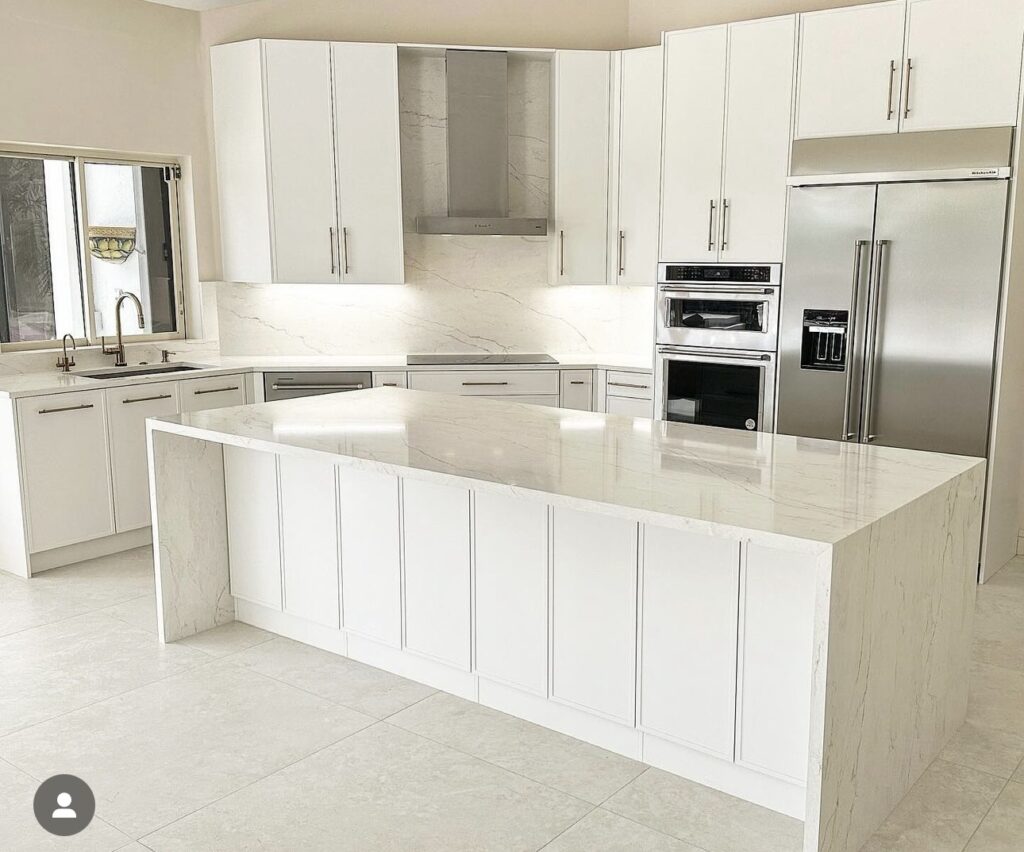
Credit: decorcabinets.com
How To Obtain A Kitchen Renovation Permit
Obtaining a kitchen renovation permit involves checking local regulations and submitting necessary documents to the planning department. Permits ensure safety and compliance with building codes. Always consult your local authority to understand specific requirements for your area.
Renovating your kitchen can be an exciting adventure, but before you start knocking down walls and installing sleek cabinets, you might need a permit. Navigating the permit process might seem daunting, but it’s necessary to ensure your renovation is safe and up to code. Understanding how to obtain a kitchen renovation permit is crucial for a smooth and successful upgrade.Application Process
The first step in obtaining a kitchen renovation permit is submitting an application to your local building department. You’ll need to fill out forms detailing your project and what changes you plan to make. Often, this involves describing the scope of the renovation, including alterations to plumbing, electrical systems, or structural changes. Consider reaching out to your local building department for guidance. They can offer insights specific to your area and help clarify any questions about the application process.Required Documentation
Gathering the right documentation is vital for your application. This typically includes detailed plans or blueprints of your renovation project. Your documents should clearly outline the layout changes, materials to be used, and any structural modifications. Additionally, you may need to provide proof of ownership or permission from your landlord if you’re renting. It’s a good idea to check if other permits are necessary, like electrical or plumbing permits, as these might require separate documentation.Inspection Procedures
Once your permit is approved, inspections ensure your renovation adheres to safety standards. Your kitchen will likely undergo several inspections at different phases—before, during, and after the renovation. Prepare for these inspections by scheduling them in advance and ensuring everything is accessible and up to code. If something doesn’t pass, inspectors will provide feedback, allowing you to make necessary adjustments. Have you ever thought about the importance of each inspection? Ensuring your kitchen is safe and compliant can protect your home and family in the long run. Navigating the permit process might seem overwhelming, but with the right preparation and understanding, you can tackle it successfully. Are you ready to transform your kitchen into the culinary space of your dreams?Cost Considerations
Budgeting for kitchen renovations includes permit costs. Check local rules, as fees vary by location. This helps avoid unexpected expenses.
Renovating a kitchen is exciting but involves many costs. Understanding these is crucial for a smooth process. From permit fees to unexpected expenses, planning carefully ensures your budget stays intact. Let’s explore important cost considerations.Permit Fees
Getting a permit is often necessary for kitchen renovations. Permit fees vary based on location and project scope. It’s essential to research local requirements. Some areas charge a flat rate, while others base fees on project cost. Contact your local building department for precise information. This helps in setting realistic budget expectations.Budgeting For Unexpected Costs
Renovations often bring surprises. Pipes might need replacement or outdated wiring updated. These unforeseen issues can increase costs significantly. Allocate extra funds for these unexpected expenses. Professionals recommend setting aside 10-20% of your budget. This cushion ensures you can handle surprises without stress. Understanding these cost factors helps in planning your renovation effectively. Be proactive in gathering information and preparing for potential challenges.Working With Professionals
Consulting with professionals can clarify if a kitchen renovation permit is necessary. Local regulations often dictate permit requirements. Understanding these rules ensures a smooth renovation process.
Renovating your kitchen is an exciting journey, often filled with dreams of a modern space where function meets style. Yet, the process can also be daunting, especially when permits are involved. Working with professionals can ease this burden and ensure your renovation is smooth and compliant with local regulations. You might wonder, how do professionals make the process more manageable for you?Hiring A Licensed Contractor
A licensed contractor is your go-to expert for a kitchen renovation. They bring years of experience and know the ins and outs of permit requirements. By hiring one, you not only ensure quality work but also peace of mind knowing that all legalities are covered. Consider a friend who tackled their kitchen overhaul solo. Despite their best efforts, they faced delays due to unexpected permit issues. A contractor could have navigated these hurdles effortlessly. Are you prepared to handle such challenges on your own?Consulting With An Architect
An architect can be a game-changer, particularly if your renovation involves structural changes. Their expertise ensures that your design is not only stunning but also safe and up to code. An architect’s insight can prevent costly mistakes and streamline the permit process. Imagine redesigning your kitchen layout only to realize structural walls were removed without proper checks. Consulting an architect could save you from such costly oversights. Wouldn’t it be wiser to have a professional guide your vision?Utilizing A Permit Expediter
A permit expediter can be your secret weapon in speeding up the permit approval process. They specialize in dealing with the bureaucratic side of renovations, ensuring you get the necessary permits without unnecessary delays. This service is invaluable if you’re aiming for a quick turnaround. Think about waiting weeks for a permit while your dream kitchen sits in limbo. A permit expediter cuts through red tape, helping you move forward faster. Could this be the solution to keeping your project on track? Choosing to work with professionals can transform your kitchen renovation from a stressful task into an exciting, well-managed project. Consider these options carefully and decide which fits your needs best. After all, isn’t a hassle-free renovation worth it?Tips For A Smooth Renovation Process
Embarking on a kitchen renovation can be thrilling. Ensuring a smooth process involves careful planning. Here are some tips to streamline your renovation journey.
Planning And Design
Start with clear goals for your kitchen space. Consider functionality and aesthetics. Sketch out a rough design. Enlist professional help if needed. Consult with a designer for optimal layout. Balance your budget with your design vision. Make sure to choose durable materials. This saves money in the long run.
Timeline Management
Create a realistic timeline for your project. Break tasks into manageable phases. Factor in unexpected delays. Keep track of progress regularly. Adjust timelines as necessary. Communicate any changes promptly. This avoids confusion and keeps the project on track.
Communication With Stakeholders
Maintain open dialogue with everyone involved. This includes contractors, designers, and suppliers. Set clear expectations from the start. Use regular updates to keep all parties informed. Address any issues immediately. This ensures a collaborative and efficient renovation process.
Frequently Asked Questions
Do Kitchen Renovations Require A Permit?
Yes, many kitchen renovations need a permit. Structural changes, plumbing, or electrical work often require one. Always check local regulations first.
Can I Renovate My Kitchen Without A Permit?
Minor updates like painting or replacing cabinets usually don’t need permits. However, major changes might. Always consult your local authorities before starting.
What Happens If I Don’t Get A Permit?
Renovating without a permit can lead to fines. It might also cause issues when selling your home. Permits ensure safety standards are met.
How Do I Obtain A Renovation Permit?
Contact your local building department for permit requirements. Submit plans for review and pay any necessary fees. Approval is essential before starting work.
Conclusion
Renovating a kitchen requires careful planning. Permits might be necessary for your project. Check local laws to avoid issues. Contact your local building department for guidance. They provide the correct information on what permits you need. Remember, rules can vary by location.
Knowing the requirements saves time and money. Proper permits ensure safe and legal renovations. Talk to a professional if unsure about the process. This helps prevent future complications. Renovating can be exciting. Just make sure you’re following the rules. Your dream kitchen awaits!