How Big is Hell’S Kitchen: Exploring NYC’s Iconic Neighborhood
Have you ever wondered just how expansive Hell’s Kitchen truly is? Nestled in the heart of Manhattan, this vibrant neighborhood is more than just a catchy name.
It’s a melting pot of culture, history, and culinary delights waiting to be explored. But how big is Hell’s Kitchen really? If you’re curious about its size, what defines its borders, and why it holds such a special place in the heart of New York City, you’re in the right place.
This article will unveil the dimensions of Hell’s Kitchen and reveal its hidden gems. Prepare to uncover a side of New York you might not know, and by the end, you may just find yourself eager to visit and experience it firsthand. Let’s dive into the details and discover what makes Hell’s Kitchen a unique slice of the Big Apple.

Credit: www.enr.com
History And Origins
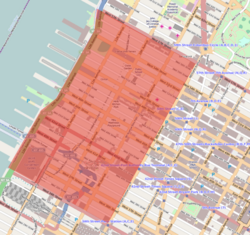
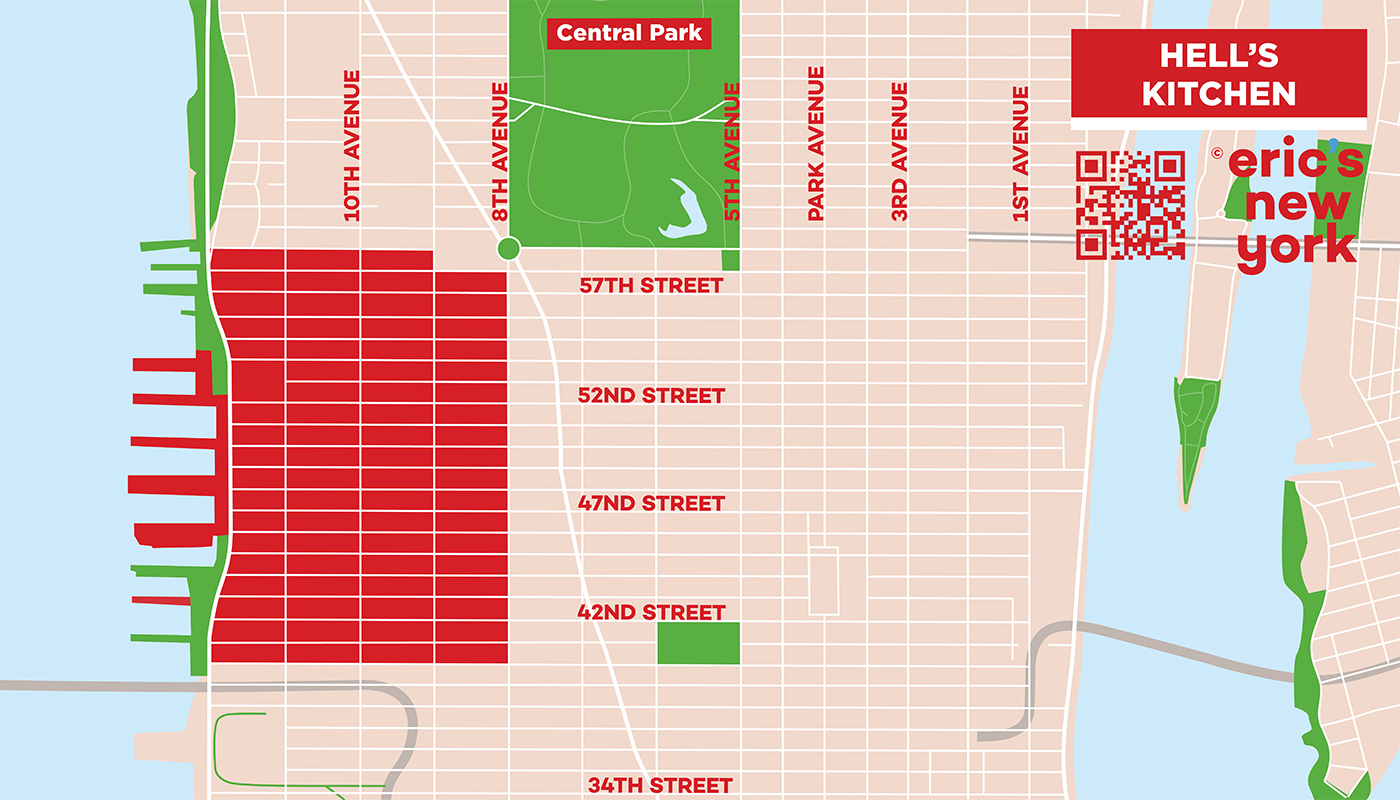
Hell’s Kitchen, a vibrant neighborhood in Manhattan, spans roughly 1. 7 square miles. It stretches from 34th to 59th Street and 8th Avenue to the Hudson River. Known for its diverse culture and rich history, this area has transformed over decades.
Hell’s Kitchen, an iconic neighborhood in New York City, boasts a rich tapestry of history and vibrant origins. Known for its gritty charm and colorful past, it has transformed from a rough-and-tumble district to a trendy urban hotspot. Understanding how Hell’s Kitchen came to be offers insight into its unique character and enduring allure.Early Beginnings
In the 19th century, Hell’s Kitchen was primarily a working-class neighborhood. Immigrants, mainly Irish, settled here due to affordable housing and proximity to job opportunities along the Hudson River. This influx laid the foundations for a diverse community, as various ethnic groups joined the mix over time.The Origin Of The Name
The name “Hell’s Kitchen” is shrouded in mystery and colorful tales. One popular story suggests it was coined by a journalist witnessing a police riot in the area, referring to it as “Hell’s Kitchen” due to the chaos. Others believe it was derived from the tough conditions faced by residents. Regardless of its true origin, the name has stuck, becoming synonymous with resilience and grit.Transformation Over Time
Hell’s Kitchen underwent significant changes throughout the 20th century. The area saw periods of decline and resurgence, influenced by economic shifts and urban development. Despite challenges, the community remained tight-knit, fostering a sense of pride and camaraderie among residents. Today, Hell’s Kitchen is a melting pot of old-world charm and modern flair.Personal Experience
Strolling through Hell’s Kitchen, you’re met with a blend of historic architecture and contemporary designs. As someone who once lived nearby, I recall its bustling streets filled with diverse eateries and vibrant nightlife. These experiences underscore the neighborhood’s ability to evolve while retaining its unique character. Is there a hidden gem in Hell’s Kitchen that you cherish or a story that resonates with you? Exploring its history might reveal connections to your own urban journey.Geographical Boundaries
When exploring the vibrant neighborhood of Hell’s Kitchen, understanding its geographical boundaries offers insight into its unique character. Nestled in the heart of New York City, Hell’s Kitchen is a dynamic blend of history, culture, and modernity. But where exactly does this intriguing neighborhood begin and end?
Understanding The North And South Boundaries
Hell’s Kitchen stretches from 34th Street in the south to 59th Street in the north. This span covers a diverse array of streets and avenues, each with its own vibe. Walking through these streets, you can feel the transition from the bustling energy of Midtown to the more laid-back atmosphere as you approach the upper boundary.
The East And West Extents
On the east, Hell’s Kitchen is bordered by Eighth Avenue. This boundary is where the neighborhood meets the bright lights and skyscrapers of Midtown Manhattan. To the west, it reaches the Hudson River, offering stunning views and a breezy waterfront experience.
Mapping Out The Heart Of The Neighborhood
Within these geographical lines, Hell’s Kitchen is a tapestry of experiences. Whether you’re savoring a culinary delight at a local eatery or catching a show, each block is filled with stories. Have you ever strolled down Ninth Avenue during the International Food Festival?
Why Boundaries Matter
Understanding these boundaries can enhance your experience in Hell’s Kitchen. Knowing where the neighborhood starts and ends helps in planning your visit. It also allows you to appreciate the distinct character that each section of Hell’s Kitchen brings to the whole.
Have you ever walked the entire length of Hell’s Kitchen? The diversity in just a few blocks is astounding. Next time, pay attention to how the neighborhood subtly shifts from one street to the next. You’ll discover something new each time.
Cultural Diversity
Hell’s Kitchen boasts a rich tapestry of cultural diversity. This vibrant neighborhood spans approximately one square mile, offering a melting pot of traditions and cuisines. Its bustling streets reflect the unique blend of cultures that make it a dynamic and lively community.
Cultural diversity in Hell’s Kitchen is like a vibrant tapestry, woven from threads of various ethnic backgrounds and traditions. Walking down the streets of this historic neighborhood, you’ll encounter a rich blend of cultures that shape its unique identity. From the tantalizing aromas of diverse cuisines to the colorful festivals celebrated year-round, Hell’s Kitchen is a melting pot where every culture adds its distinct flavor.Rich Culinary Landscape
Hell’s Kitchen boasts an impressive array of restaurants offering global cuisines. Whether you’re craving authentic Thai, hearty Italian, or spicy Mexican, the neighborhood has it all. Each eatery tells a story of cultural heritage, inviting you to taste the world without leaving New York City. Have you ever tried Peruvian ceviche or Ethiopian injera? If not, Hell’s Kitchen is the place to start your culinary adventure.Festivals And Celebrations
Throughout the year, Hell’s Kitchen comes alive with festivals that celebrate its cultural diversity. Events like the International Food Festival and the Puerto Rican Day Parade showcase the vibrant customs and traditions of its residents. These celebrations are not just about enjoying food and music; they are about connecting with people from different backgrounds and sharing in their joy. What festival do you look forward to attending?Art And Music Scene
The cultural diversity in Hell’s Kitchen extends to its thriving art and music scene. You’ll find galleries featuring works from artists of various ethnicities, each bringing unique perspectives and styles. Music venues host performances ranging from jazz and blues to Latin rhythms. Have you ever experienced a live salsa performance? It’s an electrifying way to immerse yourself in the neighborhood’s cultural heartbeat.Community Engagement
Residents in Hell’s Kitchen actively engage in building a community that celebrates diversity. Local initiatives and organizations work tirelessly to promote cultural understanding and inclusion. These efforts create a welcoming environment where everyone feels at home, regardless of their background. How can you contribute to fostering cultural inclusivity in your community?
Credit: www.reddit.com
Famous Landmarks
Hell’s Kitchen spans approximately 1. 6 square miles in Manhattan, New York City. Known for vibrant nightlife and diverse dining, this neighborhood offers a bustling urban experience. Home to iconic theaters and attractions, it draws tourists and locals alike.
Famous Landmarks Hell’s Kitchen, a vibrant neighborhood in Manhattan, is not just about its lively atmosphere and culinary delights. This area is home to several famous landmarks that capture the essence of New York City. Each landmark tells a unique story, offering a glimpse into the rich history and culture of this bustling neighborhood.Html Syntax
If you’re a theater enthusiast, the Theater Row on 42nd Street is a must-visit. This collection of off-Broadway theaters presents an array of performances that cater to different tastes. It’s not uncommon to catch a rising star before they make it big on Broadway.The Intrepid Sea, Air & Space Museum
Located on Pier 86, this museum is an impressive sight. It showcases a fascinating collection of military artifacts including the legendary aircraft carrier, USS Intrepid. Walking through the exhibits, you can almost hear the echoes of history resonating through the decks.Hudson River Park
This expansive park offers a refreshing escape from the urban hustle. Stretching along the Hudson River, it provides spectacular views and a peaceful atmosphere. Whether you’re jogging, cycling, or simply enjoying a leisurely walk, this park is a perfect spot to unwind.Dewitt Clinton Park
Named after a former New York City mayor, this park is a hidden gem. With its lush greenery and recreational facilities, it serves as a community hub for residents and visitors alike. You might find yourself drawn to its serene walking paths or its vibrant community garden.St. Malachy’s Church
Known as the “Actor’s Chapel,” this church has a rich history intertwined with Broadway. Many famous performers have visited its pews, seeking solace and inspiration. It’s a place where spirituality and creativity beautifully converge. These landmarks not only define Hell’s Kitchen but also offer a deeper understanding of its cultural tapestry. Have you explored any of these spots? What was your experience like?Culinary Scene
Hell’s Kitchen is a food lover’s paradise. The neighborhood boasts a rich and diverse culinary scene. From cozy eateries to upscale dining, Hell’s Kitchen has it all. The area’s vibrant food culture caters to every palate and budget.
Exploring International Flavors
Hell’s Kitchen offers a melting pot of international cuisines. You can savor authentic Italian dishes or spicy Thai curries. Japanese sushi bars and Mexican taquerias are plentiful too. This diversity makes each dining experience exciting and new.
Street Food Delights
Street food in Hell’s Kitchen is a must-try. Food trucks line the streets serving quick bites. From gourmet burgers to artisanal ice creams, options abound. It’s the perfect way to enjoy a casual meal on the go.
Farm-to-table Restaurants
Many restaurants in Hell’s Kitchen embrace the farm-to-table trend. They source fresh ingredients from local farms. This ensures high quality and supports local producers. The menus change with the seasons, offering fresh and flavorful dishes.
Cozy Cafes And Bakeries
For a more relaxed experience, visit a local cafe. Sipping coffee in a cozy setting feels comforting. Treat yourself to freshly baked pastries and breads. These spots are perfect for a quiet afternoon or catching up with friends.
Vegan And Vegetarian Options
Hell’s Kitchen caters to vegans and vegetarians too. Many eateries offer plant-based menus. These dishes are creative and tasty, satisfying non-meat eaters. It’s easy to find delicious and healthy meals here.
Residential Life
Hell’s Kitchen, a vibrant neighborhood in Manhattan, spans from 34th to 59th Streets. Known for its rich culture, it offers a mix of residential life with lively dining and entertainment options. Residents enjoy the area’s unique blend of urban charm and community spirit.
Residential Life in Hell’s Kitchen offers a unique urban experience. This neighborhood in New York City is known for its vibrant culture and diverse community. Living here means being part of a lively environment with a mix of old and new.Exploring The Neighborhood
Hell’s Kitchen features a blend of modern apartments and historic buildings. Residents enjoy easy access to parks, theaters, and restaurants. The streets are filled with a variety of shops and cafes. It’s a place where cultures meet and thrive.Community Atmosphere
The community is welcoming and friendly. Neighbors often gather in local events and street fairs. Social clubs and community centers offer activities for all ages. This creates a sense of belonging among residents.Convenient Transportation
Public transportation is highly accessible. Subway lines and buses connect Hell’s Kitchen to the rest of NYC. Residents can commute easily to work or school. This convenience enhances the living experience.Local Amenities
Hell’s Kitchen boasts a range of amenities. You’ll find gyms, libraries, and health centers nearby. Grocery stores and markets cater to daily needs. This makes life comfortable and hassle-free for residents.Diverse Dining Options
The dining scene is diverse and exciting. Residents can enjoy cuisines from around the world. From casual eateries to fine dining, options are endless. Food lovers find Hell’s Kitchen a delightful place to live.Safety And Security
Safety is a priority for the community. Police patrols and community watches ensure a secure environment. Residents feel safe walking the streets at any time. This sense of security adds peace of mind. Hell’s Kitchen is a vibrant place to call home. Its rich culture and amenities create a dynamic residential life.Notable Events And Festivals
Hell’s Kitchen hosts vibrant events and festivals that draw crowds each year. Its bustling streets come alive with music, food, and cultural celebrations. Visitors experience a unique blend of excitement and community spirit.
Hell’s Kitchen, a vibrant neighborhood in Manhattan, is not only famous for its rich history and diverse culinary scene but also for its lively events and festivals that bring the community together. Whether you’re a local resident or a curious visitor, these events provide a unique opportunity to experience the heart and soul of Hell’s Kitchen. From street fairs to cultural celebrations, there’s always something happening that captures the essence of this dynamic area.Annual Ninth Avenue International Food Festival
Every May, the Ninth Avenue International Food Festival transforms Hell’s Kitchen into a culinary wonderland. With over 50 blocks lined with food stalls, this festival offers a taste of global cuisines right in the heart of Manhattan. Have you ever tried exotic delicacies or authentic street food? The festival is a great place to discover new flavors and indulge in your favorites.Hell’s Kitchen Arts Festival
The Hell’s Kitchen Arts Festival is a celebration of creativity and talent. Local artists showcase their work, from paintings and sculptures to live performances. It’s a perfect chance to explore the artistic side of the neighborhood. You might find yourself inspired by the creativity that flows through the streets, sparking your own passion for the arts.New York Comic Con
Held annually at the nearby Javits Center, New York Comic Con draws fans from all over the world, turning Hell’s Kitchen into a hub of excitement. Whether you’re a comic enthusiast or just curious, the event offers a chance to meet creators, attend panels, and explore the latest in pop culture. Could there be a better place to unleash your inner superhero?Hudson River Park Events
The scenic Hudson River Park hosts numerous events throughout the year, from outdoor movie nights to fitness classes. It’s a great way to enjoy the natural beauty of the waterfront while participating in community activities. How often do you get to combine stunning views with engaging events? These festivals and events are more than just gatherings; they are experiences that weave the community together. Whether you’re exploring new tastes, appreciating the arts, or diving into pop culture, Hell’s Kitchen offers a unique blend of activities that reflect its diverse character.Transportation And Accessibility
Hell’s Kitchen, located in Manhattan, is vibrant and bustling. Its transportation network makes it easily accessible for residents and visitors. The neighborhood’s connectivity enhances its appeal, making travel convenient.
Public Transportation
Hell’s Kitchen benefits from an extensive public transportation system. The subway lines, including the A, C, E, and 7, serve the area well. Buses also crisscross the neighborhood, providing numerous options for commuters.
Proximity To Major Hubs
The neighborhood is close to key transportation hubs. Times Square and Penn Station are within walking distance. This proximity makes Hell’s Kitchen a strategic location for travelers.
Walking And Biking
Many residents prefer walking or biking. The streets are pedestrian-friendly, with sidewalks and bike lanes. This encourages a healthy and eco-friendly lifestyle.
Ride-sharing And Taxis
Ride-sharing services are popular in Hell’s Kitchen. Taxis are also readily available throughout the day. This flexibility makes getting around the city easy and efficient.
Accessibility For All
The neighborhood aims to be accessible for everyone. Ramps and elevators in subway stations assist those with mobility challenges. This inclusivity enhances its livability.
Real Estate Trends
Hell’s Kitchen covers about 0. 77 square miles in Manhattan. Known for its vibrant culture, it boasts diverse real estate opportunities. This neighborhood offers a mix of historic buildings and modern developments.
Real estate trends in Hell’s Kitchen showcase a dynamic market. This iconic New York neighborhood has a rich history and vibrant culture. The area attracts diverse residents and investors. Homebuyers and renters find a variety of options here. From historic brownstones to modern high-rises, Hell’s Kitchen offers something for everyone.Current Market Overview
The real estate market in Hell’s Kitchen is bustling. Prices fluctuate with demand and economic conditions. Buyers can expect competitive pricing for prime locations. Inventory includes luxury condos and spacious apartments. Each property offers unique amenities and benefits.Residential Property Demand
Demand for residential properties remains strong in Hell’s Kitchen. This is due to its central location and cultural attractions. Many seek homes near theaters, restaurants, and parks. The neighborhood’s charm draws young professionals and families alike.Commercial Real Estate Opportunities
Hell’s Kitchen offers various commercial real estate opportunities. Businesses find prime locations for retail, dining, and office spaces. The area’s foot traffic and visibility appeal to entrepreneurs. Investing in commercial properties can be profitable here.New Developments And Construction
New developments in Hell’s Kitchen add modern flair. Construction projects often aim to blend with the neighborhood’s character. These developments offer state-of-the-art facilities. Many include eco-friendly designs and smart home technology.Future Real Estate Projections
Experts predict continued growth in Hell’s Kitchen’s real estate market. The area’s appeal remains strong among residents and investors. Future projects may further enhance its urban landscape. This could lead to increased property values and demand.Future Developments
Hell’s Kitchen is a vibrant neighborhood in New York City. It has seen remarkable growth over the years. With many new projects lined up, its future looks promising. These developments aim to enhance the area’s appeal.
Residential Projects
Several residential buildings are in the planning stages. These projects will offer modern living spaces. They will cater to diverse demographics seeking urban life.
Commercial Expansion
New commercial buildings are set to rise. These will host offices and retail spaces. This expansion will boost local businesses and attract new companies.
Green Spaces
Plans include developing more parks and green areas. These spaces will provide relaxation and recreation. They will enhance the neighborhood’s environment.
Transport Upgrades
Improvements in public transportation are underway. Better transit options will make commuting easier. This will benefit residents and visitors alike.
Cultural Initiatives
New cultural centers and galleries are planned. These will promote art and creativity. They aim to enrich Hell’s Kitchen’s cultural scene.
Community Involvement
Local groups are collaborating on community projects. These initiatives will strengthen neighborhood bonds. They focus on creating a supportive environment.
Credit: www.newyork.co.uk
Frequently Asked Questions
How Big Is Hell’s Kitchen In Miles?
Hell’s Kitchen spans approximately 1. 1 square miles in Manhattan, New York City. This vibrant neighborhood is located between 34th and 59th Streets, from Eighth Avenue to the Hudson River. Known for its dining and entertainment, Hell’s Kitchen offers a lively urban experience.
Why Does Daredevil Only Protect Hell’s Kitchen?
Daredevil protects Hell’s Kitchen because it’s his home and he feels a strong personal connection to it. His mission is to defend the neighborhood against crime, using his skills and powers to safeguard its residents. His deep commitment to Hell’s Kitchen stems from his upbringing and sense of justice.
How Many Streets Are In Hell’s Kitchen?
Hell’s Kitchen in Manhattan has around 25 streets. The area is bordered by 34th to 59th Streets.
Why Is The Area Called Hell’s Kitchen?
Hell’s Kitchen got its name from its gritty reputation in the 19th century. The area’s tough living conditions and crime levels led to its infamous moniker. Today, it’s a vibrant neighborhood in New York City.
Conclusion
Hell’s Kitchen offers a blend of old and new charms. Streets buzz with energy. Buildings tell stories of a rich past. The community is diverse and vibrant. Restaurants serve flavors from around the world. Parks offer peaceful retreats. Hell’s Kitchen is a dynamic neighborhood.
It constantly evolves yet retains its character. Visitors and locals find unique experiences here. Exploring its streets reveals hidden gems. The area promises excitement and warmth for everyone. Discover Hell’s Kitchen and enjoy its lively spirit.