How Much is a Kitchen Island: Discover Costs & Options
Are you dreaming of revamping your kitchen with a stunning new island, but unsure about the cost involved? You’re not alone.
Many homeowners are captivated by the idea of having a kitchen island, a feature that adds both style and functionality to your space. But before you dive into this exciting project, it’s crucial to understand the financial aspects. We’ll explore the factors that influence the price of a kitchen island, giving you a clear picture of what to expect.
Whether you’re considering a simple, budget-friendly option or a luxurious custom design, knowing how much a kitchen island really costs can help you make informed decisions. So, let’s uncover what makes a kitchen island an investment worth considering, and ensure you get the most value for your money. Stay with us, and you’ll soon have all the insights you need to make the right choice for your home.
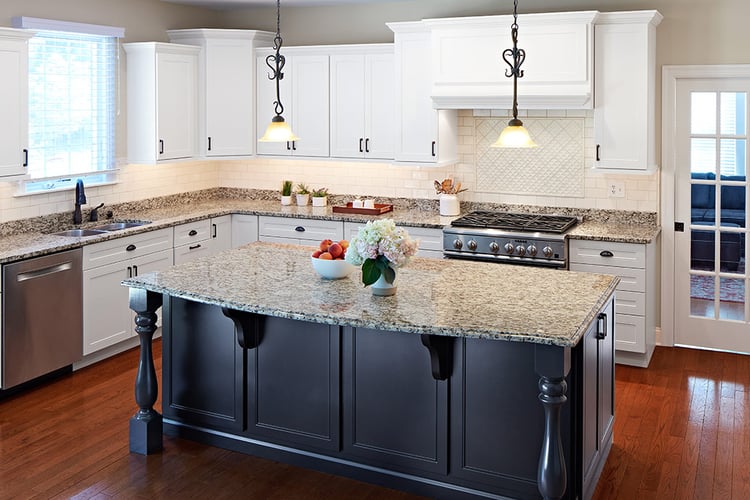
Credit: blog.kitchenmagic.com
Kitchen Island Basics
Kitchen islands have become a staple in modern kitchens, offering both functionality and style. They are not just a place to chop vegetables or store cookware; they can serve as a dining area, a homework station, or even a gathering spot during parties. But before you dive into purchasing one, it’s essential to understand the basics of kitchen islands, their types, and costs associated with them.
What Defines A Kitchen Island?
A kitchen island is a freestanding cabinet with a countertop that stands in the middle of a kitchen. Unlike traditional kitchen counters, islands can be accessed from all sides, offering more space for activities. They can be customized with features like sinks, stoves, or dishwashers, making them highly versatile.
Types Of Kitchen Islands
- Portable Islands:These are movable and can be relocated according to your needs. Ideal for small spaces.
- Fixed Islands:Built-in and often larger, offering more storage and appliance options.
- Multi-level Islands:Feature varying heights for different uses like cooking and dining.
Materials And Design Choices
Choosing the right material for your kitchen island is crucial. Popular options include granite for durability, wood for a rustic feel, or stainless steel for a modern look. Consider the design elements—color, shape, and additional features like seating or lighting—to ensure it complements your existing kitchen decor.
Practicality Vs. Aesthetics
While aesthetics are important, the practicality of your kitchen island should be your primary focus. Think about how you will use the island daily. Do you need extra storage, a prep area, or seating? Balancing utility with style ensures your island is a worthwhile investment.
Cost Factors To Consider
- Size:Larger islands will generally cost more due to more materials and labor.
- Materials:High-end materials like marble will increase the price significantly.
- Features:Built-in appliances or custom cabinetry can add to the overall cost.
Now, take a moment and picture your dream kitchen. Does it include a stylish, functional island? Could this addition transform your kitchen into the perfect hub of your home? The right kitchen island can be a game-changer, but understanding the basics is the first step towards making the best choice.
Factors Affecting Cost
Choosing a kitchen island involves considering various factors that influence cost. Each element plays a role in determining the final price. Understanding these factors helps make informed decisions and budget effectively.
Size And Dimensions
The size of the kitchen island impacts its cost significantly. Larger islands require more materials and labor, increasing expenses. Smaller islands are typically less expensive but may offer limited functionality. Consider the kitchen space to choose an appropriate size that meets needs without overwhelming the area.
Material Selection
The choice of materials affects the overall price of the kitchen island. High-end materials like marble or granite raise costs, while budget-friendly options like laminate or wood are more affordable. Each material has unique benefits and drawbacks, influencing durability and aesthetics.
Design Complexity
Complex designs often lead to higher costs due to increased labor and craftsmanship. Intricate shapes and custom features require skilled labor, adding to the expense. Simpler designs are generally less costly but might lack visual appeal.
Additional Features
Additional features can significantly increase the price of a kitchen island. Built-in appliances, electrical outlets, and seating areas add functionality but also increase costs. Consider the necessity of each feature to balance budget and utility.
Material Choices
Choosing materials affects the cost of a kitchen island. Granite offers a luxurious look, while laminate is budget-friendly. Wood provides warmth, and stainless steel suits modern designs.
Choosing the right material for your kitchen island can make a big difference in both style and functionality. The material you select will influence not only the price but also the durability and maintenance of your kitchen island. Before making a decision, consider how you use your kitchen and what aesthetic you’re aiming for.Wood
Wood offers a warm, inviting look that suits a variety of kitchen styles. It’s versatile and can be stained or painted to match your decor. However, wood requires regular maintenance to prevent scratches and stains. If you’ve ever spent a lazy Sunday sanding down a vintage chair, you know the dedication it takes to keep wood looking its best. But the charm it brings to your kitchen might just be worth the effort.Granite
Granite is a popular choice for its durability and natural beauty. Each slab is unique, giving your kitchen a one-of-a-kind look. It’s resistant to heat and scratches, making it perfect for avid cooks. Think about the time you accidentally placed a hot pan on a countertop without a coaster—granite can take that heat without a hitch. However, it does require sealing to prevent stains.Quartz
Quartz countertops offer a modern look with the added benefit of being low maintenance. They’re engineered to be non-porous, which means they resist stains and don’t need sealing. If you’re someone who cringes at the thought of spills and messes, quartz might be your best friend. The consistency in color and pattern can also be a selling point for those who appreciate a uniform look.Stainless Steel
Stainless steel brings an industrial vibe to your kitchen and is a favorite among professional chefs. It’s incredibly durable and easy to clean, making it ideal for a high-traffic kitchen. Ever notice how restaurant kitchens gleam under the lights? Stainless steel is why. However, it can show fingerprints and scratches, which means it might require a bit more daily attention. What material resonates with your lifestyle and cooking habits?
Credit: www.costway.ca
Design Styles
Exploring the cost of a kitchen island involves considering size, materials, and features. Prices vary widely based on customization and design style. Budgeting for installation and additional fixtures is essential for an accurate estimate.
Designing your kitchen island is an opportunity to showcase your personal style while enhancing functionality. Whether you lean towards classic elegance or prefer a sleek modern vibe, the design style you choose will impact both the aesthetic and cost. Let’s dive into some popular design styles to consider for your kitchen island.Traditional
The traditional design style offers a timeless appeal with intricate details and rich finishes. Think ornate moldings, classic woodwork, and elegant hardware. These islands often feature warm tones like cherry or mahogany. A traditional kitchen island might include built-in shelving or glass-front cabinets for added charm.Modern
Modern kitchen islands boast clean lines and minimalistic features. Opt for materials like stainless steel or quartz for a sleek finish. You may choose a waterfall countertop for a chic look. Modern styles often incorporate smart storage solutions, keeping the space clutter-free and functional. Consider hidden outlets or integrated appliances to maximize your island’s utility.Rustic
Rustic design embraces natural elements and earthy tones. A rustic kitchen island might incorporate reclaimed wood or stone surfaces. This style often features distressed finishes and exposed beams, adding character and warmth. Think about including open shelving for a casual, lived-in feel. It’s a perfect choice if you’re looking to bring a bit of the outdoors into your home.Industrial
The industrial style is all about raw materials and edgy finishes. Steel frames, concrete countertops, and exposed plumbing make industrial islands stand out. This design works well in loft-style homes or spaces with an urban vibe. You might opt for pendant lighting with metal accents to complete the look. Industrial islands are practical and durable, often featuring robust surfaces that withstand heavy use. Choosing a design style for your kitchen island is more than just a visual decision. It’s about creating a space that reflects your lifestyle and meets your everyday needs. Which style speaks to you?Popular Features
Kitchen islands have become a staple in modern homes. They offer both style and function. Let’s explore some popular features that people love in kitchen islands.
Built-in Appliances
Many kitchen islands now come with built-in appliances. This can include a small fridge or a wine cooler. Some even have dishwashers or microwaves. These appliances save space and keep the kitchen tidy.
Seating Options
Seating is a key feature for kitchen islands. Some islands have space for stools or chairs. This creates a cozy spot for meals or chatting. It’s a great way to make the kitchen more inviting.
Storage Solutions
Storage is essential in any kitchen. Islands often include cabinets and drawers. These offer extra space for pots, pans, and utensils. Some islands even have shelves for cookbooks or decor.
Lighting Enhancements
Good lighting makes a big difference. Many islands feature pendant lights. These provide focused light for tasks. They also add a touch of style. Some islands have built-in lighting for a modern look.
Installation Costs
Installation costs for kitchen islands vary widely. Factors influencing the price include the size, materials, and complexity of the design. Professional installation often ensures quality and precision, but DIY options can save money. Each option has its pros and cons.
Professional Installation
Hiring a professional guarantees expertise and attention to detail. Professionals handle electrical and plumbing connections with ease. Their experience helps avoid costly mistakes. Expect to pay more for labor. Rates vary by region and complexity. Some installers charge by the hour. Others offer flat rates. Check their credentials before hiring. It ensures quality and peace of mind.
Diy Considerations
DIY installation is more affordable. You save on labor costs. It requires skill and patience. Ensure you have the right tools. Follow instructions carefully. Mistakes can lead to extra expenses. Consider the complexity of the island. Simple designs are easier to install. Complex ones may require professional help. Assess your abilities honestly. Safety is crucial. Electrical and plumbing work needs care. Mistakes can be dangerous.
Budget-friendly Alternatives
Kitchen islands are a popular feature in modern homes. They offer extra space for cooking and storage. But not everyone can afford a custom-built island. Fortunately, there are budget-friendly alternatives. These options allow you to enjoy the benefits of a kitchen island without breaking the bank.
Pre-made Islands
Pre-made islands are a great choice for tight budgets. These islands are mass-produced and come in various styles. You can find them at home improvement stores and online retailers. Pre-made islands often have shelves and drawers for storage. They are easy to assemble and usually less expensive than custom options.
Many pre-made islands come with wheels. This feature lets you move the island around your kitchen. It adds flexibility to your space. You can choose from different materials like wood, metal, or laminate. Each material has its own unique look and benefits. Compare prices and features to find the best fit for your needs.
Repurposed Furniture
Repurposing furniture is an eco-friendly way to add a kitchen island. Old dressers or tables can be transformed into functional islands. This option is perfect for DIY enthusiasts. You can customize the furniture with paint or new hardware. Adding a countertop can complete the look.
Visit thrift stores or garage sales to find pieces to repurpose. Look for sturdy items that can support additional weight. You might need to reinforce them for kitchen use. Repurposed furniture adds character and charm to your space. It’s a unique way to personalize your kitchen without spending much.
Custom Vs. Prefabricated
Deciding between custom and prefabricated kitchen islands affects costs. Custom islands offer personalized design but are pricier. Prefabricated options come ready-made, usually at a lower price.
The kitchen island has become a staple in modern homes, offering both functionality and style. But when choosing a kitchen island, one of the biggest decisions you’ll face is whether to go custom or prefabricated. Both options have their advantages and drawbacks, and understanding these can help you make the best choice for your kitchen design and budget.Custom Kitchen Islands
Opting for a custom kitchen island means you can tailor it to fit your specific needs and preferences. This flexibility allows you to choose everything from the size and shape to the materials and finishes. Imagine designing an island that perfectly matches your kitchen’s layout, with just the right amount of storage and seating. Custom islands can accommodate unique requirements, such as specific appliances or unusual kitchen layouts. They can also incorporate personalized features like a wine rack or a built-in cooktop. However, this level of personalization comes at a cost. Custom kitchen islands typically require a larger budget and more time for design and construction.Prefabricated Kitchen Islands
Prefabricated kitchen islands offer a more budget-friendly and time-efficient option. These islands come in standard sizes and designs, making them a great choice if you want to avoid the hassle of custom planning. They are ready-made, allowing for quick installation, and they often come with helpful features like built-in storage and seating. One of the main advantages of prefabricated islands is their cost-effectiveness. You can find a variety of styles and finishes to suit your kitchen without breaking the bank. However, they might not fit perfectly into your kitchen space or match your aesthetic as precisely as a custom option would.Making Your Decision
When choosing between custom and prefabricated kitchen islands, consider what’s more important for you: personalization or convenience. Do you have specific design needs that only a custom island can fulfill? Or is staying within a budget and timeline your top priority? Evaluate your kitchen space and how you plan to use the island. If you love hosting and need extra seating, a custom design might be worth the investment. But if you’re renovating on a tight budget, a prefabricated island could be the perfect solution. Whatever you choose, ensure it complements your kitchen’s functionality and style.Financing And Budgeting
Creating a kitchen island involves careful planning and budgeting. It’s a centerpiece that adds functionality and style. Understanding the financial aspect is crucial for a successful project. Let’s dive into cost estimation and financing options for your kitchen island.
Cost Estimation
Estimating the cost of a kitchen island depends on several factors. The size, materials, and design all impact the final price. Custom islands cost more due to personalization and unique features. Basic islands with stock materials are cheaper. Labor costs should also be considered. Hiring professionals adds to the expense but ensures quality. Researching prices in advance helps manage expectations.
Financing Options
Financing a kitchen island can be done through various means. Personal savings is the simplest option. Using savings avoids interest fees. Home improvement loans are available for larger projects. These loans offer manageable monthly payments. Credit cards offer another financing avenue. Choose cards with low interest rates to minimize costs. Some stores offer installment plans. These plans divide the cost over several months. Compare all options to find the best fit for your budget.
Return On Investment
The decision to install a kitchen island often involves considering the return on investment (ROI). A kitchen island can significantly enhance the functionality and aesthetics of your kitchen. But does it truly add value to your home? Let’s explore how a kitchen island impacts your home’s value and the benefits it brings.
Enhancing Home Value
A kitchen island is more than just a trendy addition; it can substantially increase your home’s value. Potential buyers often see it as a luxury feature, adding to the home’s appeal. An island can make your kitchen appear larger and more inviting, enticing buyers who are looking for both style and practicality.
Boosting Functionality
Think about the extra counter space for meal prep or the additional storage options for your cookware. A kitchen island offers multifunctionality, serving as a dining area, workspace, or even a spot for your morning coffee. This versatility can be a selling point, showcasing your kitchen as a hub of activity.
Improving Aesthetic Appeal
Imagine walking into a kitchen with a sleek, modern island perfectly complementing the decor. The visual appeal is undeniable. Islands come in various styles and materials, allowing you to customize them to fit your home’s aesthetic. A well-designed island can make your kitchen stand out, attracting buyers who appreciate thoughtful design.
Practical Considerations
While a kitchen island can elevate your home’s value, it’s essential to consider the cost and space requirements. Will the investment pay off in your specific market? Is your kitchen large enough to accommodate an island without feeling cramped? Weighing these factors can guide your decision.
Personal Experience
I remember upgrading my kitchen with a small island. Not only did it transform our cooking space, but it also became a gathering spot during family dinners. The ROI was clear when we eventually sold our home, with the island being a key feature that attracted buyers. Could a kitchen island be the game-changer for your home too?

Credit: www.allinstripes.com
Frequently Asked Questions
How Much Does It Cost To Put A Kitchen Island In?
The cost to install a kitchen island ranges from $3,000 to $10,000. Factors include size, materials, and features. Custom options, plumbing, and electrical work can increase expenses. Consult with professionals for accurate estimates based on your specific needs and preferences.
Budget wisely for a functional and stylish kitchen island.
Is $10,000 Enough For A Kitchen Remodel?
$10,000 can cover a minor kitchen remodel. Focus on updating cabinets, countertops, and paint. Prioritize essential changes for the best impact. Consider DIY options to save costs. Prices vary by location and materials, so plan carefully. Consult professionals for accurate estimates and explore budget-friendly alternatives.
How Much Does An Island Cost In A Kitchen?
A kitchen island costs between $3,000 and $5,000 on average. Prices vary based on size, materials, and customization. Smaller, prefabricated islands may cost less, while larger custom designs can exceed $10,000. Consider installation and additional features like plumbing or electrical work, which can impact the total cost.
Does A Kitchen Island Add Value To A House?
A kitchen island can increase a home’s value. It provides extra storage and enhances functionality. Many buyers find kitchen islands desirable, making homes more appealing. An island can improve the kitchen’s aesthetic and offer additional seating space. Investing in a well-designed kitchen island can boost resale value.
Conclusion
A kitchen island can transform your space. Its cost varies widely. Materials, size, and design impact the price. You can choose affordable options or splurge on luxury. It’s crucial to balance needs and budget. Consider installation costs too. A well-planned kitchen island enhances functionality.
It adds value to your home. Make sure it fits your lifestyle. A kitchen island is an investment worth considering. Carefully plan before making a decision. This ensures satisfaction with your choice. Enjoy the benefits it brings to your kitchen.