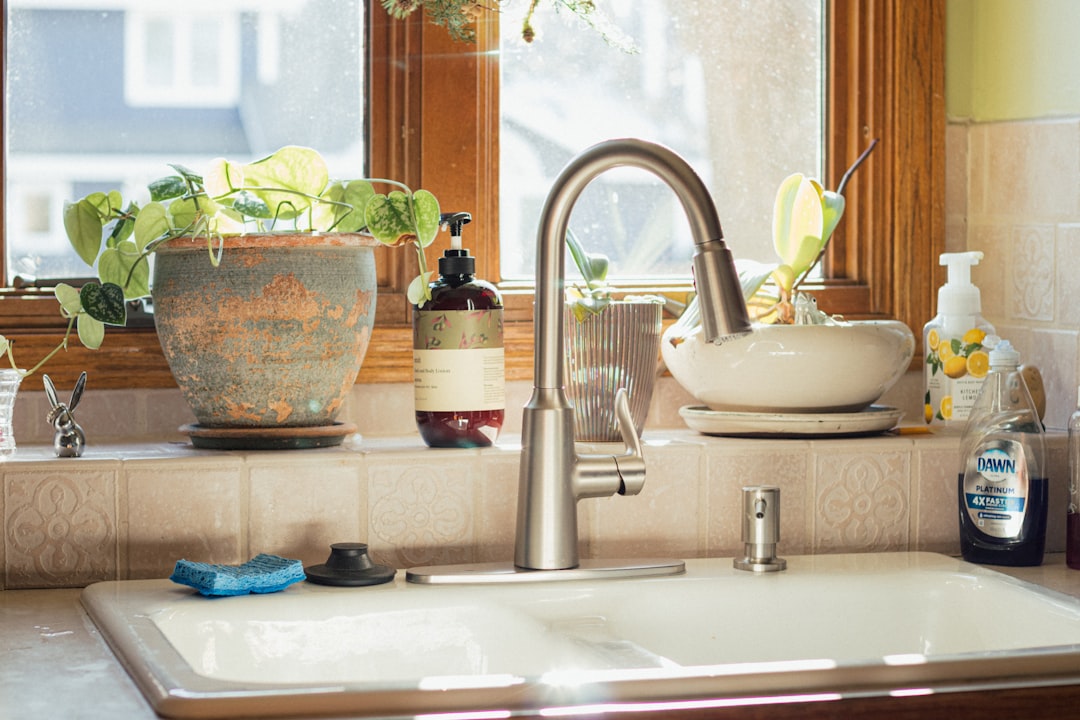
How to Clean Kitchen Faucet: Quick and Easy Guide
Is your kitchen faucet looking a little worse for wear? You might not realize it, but this everyday fixture can harbor grime, water stains, and even germs if not cleaned regularly.
A sparkling clean faucet not only makes your kitchen look pristine but also ensures a healthier environment for you and your family. Imagine the satisfying shine of a faucet that looks brand new, enhancing the overall appeal of your kitchen.
Are you ready to discover the simple yet effective steps to achieve this gleaming result? Stick around, because what you’re about to learn could transform your kitchen cleaning routine and elevate your faucet from dull to dazzling.
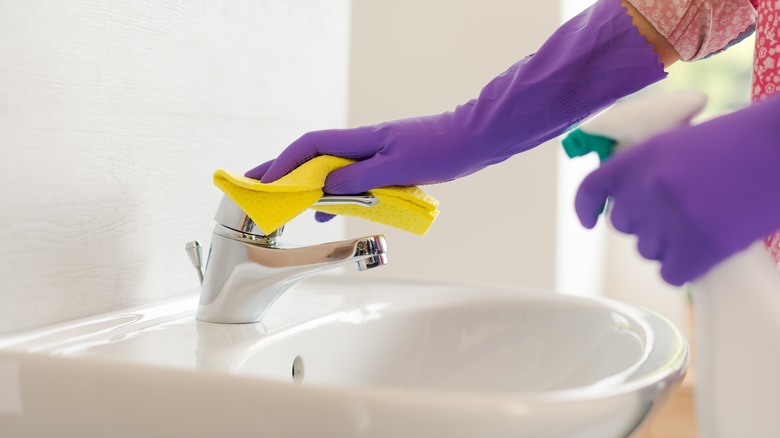
Credit: www.thetakeout.com
Materials Needed
Gather a soft cloth, mild dish soap, white vinegar, and a small brush. A clean, dry towel is also useful.
Cleaning your kitchen faucet is a simple task. It can restore its shine and functionality. To get started, gather the necessary materials. This will make the process smooth and efficient. Having the right tools is crucial for effective cleaning. Let’s explore the materials you need for this task.White Vinegar
White vinegar is a powerful cleaning agent. It helps remove stains and mineral deposits. It’s safe for most faucet finishes.Baking Soda
Baking soda acts as a gentle abrasive. It can scrub away grime without scratching surfaces.Soft Cloth Or Sponge
Use a soft cloth or sponge to apply the cleaning solutions. This prevents damage to the faucet’s finish.Old Toothbrush
An old toothbrush is perfect for scrubbing hard-to-reach areas. It helps clean crevices and grooves.Small Bowl
A small bowl is useful for mixing cleaning solutions. It keeps everything organized and easy to access.Rubber Gloves
Rubber gloves protect your hands from cleaning agents. They keep your skin safe and clean.Warm Water
Warm water helps rinse off cleaning solutions. It ensures a clean and shiny faucet.Microfiber Towel
A microfiber towel dries the faucet without leaving streaks. It enhances the final appearance.Preparation Steps
Gather necessary cleaning supplies like vinegar, baking soda, and a soft cloth. Turn off water and clear the area.
Cleaning your kitchen faucet might not be at the top of your to-do list, but it’s an essential task for maintaining a hygienic and efficient kitchen space. Before diving into the cleaning process, it’s crucial to prepare effectively. Preparation steps ensure you have everything you need and help prevent potential mishaps. Let’s explore the essential steps to set the stage for a successful faucet cleaning experience.Gather Your Materials
Start by collecting all necessary cleaning supplies. You’ll need a mild dish soap, a sponge or cloth, white vinegar, baking soda, and a toothbrush. Having these items ready will streamline the process and minimize interruptions.Clear The Sink Area
Remove any dishes or clutter from around the sink. This not only gives you more room to work but also prevents accidental breakages or spills. A clear area allows you to focus on cleaning without distractions.Identify Your Faucet Material
Understand what material your faucet is made of—whether it’s stainless steel, chrome, or brass. This knowledge is crucial because different materials require specific cleaning methods. For instance, vinegar is great for stainless steel but might damage brass.Turn Off Water Supply
Consider turning off the water supply to the faucet. While this step isn’t mandatory, it can prevent unexpected leaks or drips during cleaning. It’s a small precaution that can save you from a wet mess.Protect Surrounding Areas
Use towels or rags to cover areas around the faucet. This prevents cleaning solutions from damaging countertops or other surfaces. It’s especially useful if you’re working with acidic substances like vinegar.Plan For Time
Allocate enough time for the task. Cleaning a faucet thoroughly might take longer than you expect. Rushing can lead to missed spots and less effective results. So, plan accordingly to ensure a sparkling finish. By following these preparation steps, you’re setting yourself up for a smooth and effective cleaning experience. Are there any other steps you take before cleaning your kitchen faucet?Basic Cleaning Process
The kitchen faucet is a crucial part of daily chores. Keeping it clean ensures hygiene and maintains its shine. The basic cleaning process is simple and effective. It helps remove dirt and ensures the faucet functions smoothly.
Removing Dirt And Grime
Dirt and grime often build up over time. These can affect the faucet’s appearance and performance. Start by wiping the faucet with a damp cloth. Use mild soap to gently scrub the surface. Pay attention to the edges and handles where dirt collects.
For tough grime, use a soft-bristled toothbrush. This helps clean hard-to-reach areas. Rinse the faucet with clean water and dry with a soft towel. This simple routine maintains the faucet’s shine and cleanliness.
Cleaning With Vinegar
Vinegar is a natural cleaner and disinfectant. It effectively removes mineral deposits and stains. Mix equal parts of water and vinegar in a spray bottle. Spray the solution on the faucet, especially on stubborn spots.
Let the vinegar sit for a few minutes. This allows it to break down deposits. Use a cloth to wipe the faucet. For tough spots, use a toothbrush dipped in vinegar. Rinse thoroughly with water and dry with a towel.
Regular cleaning with vinegar ensures a sparkling faucet. It keeps germs at bay and enhances durability.

Credit: www.tiktok.com
Deep Cleaning Tips
Deep cleaning your kitchen faucet can transform its look and function. Over time, mineral deposits and stains can mar its shine. Regular upkeep helps, but sometimes a deeper clean is needed. Here are some effective tips to bring back your faucet’s sparkle.
Dealing With Stubborn Stains
Stubborn stains can make your faucet look old. Start with a gentle cleanser like dish soap and water. Use a soft cloth to wipe away surface dirt. For tougher stains, create a paste with baking soda and water. Apply it to the stain and let it sit for 15 minutes. Scrub gently with a toothbrush, then rinse thoroughly.
Removing Limescale Buildup
Limescale can dull your faucet’s shine. It’s caused by hard water deposits. To remove it, soak a cloth in white vinegar. Wrap the cloth around the affected area and leave it for 30 minutes. The vinegar helps dissolve the limescale. Afterward, scrub gently with a brush. Rinse with warm water for a gleaming finish.
Cleaning Faucet Aerator
The kitchen faucet aerator is a vital component. It mixes air with water, ensuring a steady flow. Over time, debris and mineral deposits can clog it. Cleaning the aerator enhances water flow and maintains efficiency. Below, learn the simple steps to clean your faucet aerator.
Detaching The Aerator
Detach the aerator gently using pliers. Wrap the pliers with a cloth to prevent scratches. Turn it counterclockwise to loosen. If it’s stuck, apply a lubricant for ease. Once loosened, remove it by hand.
Cleaning And Reassembling
Rinse the aerator under warm water to remove debris. Use a toothbrush to scrub away stubborn deposits. Soak the parts in vinegar for 30 minutes to dissolve minerals. Rinse thoroughly after soaking.
Check for any remaining debris and rinse again if necessary. Reassemble the aerator carefully. Align threads properly to avoid cross-threading. Tighten gently with pliers, using a cloth to protect the finish. Test the faucet to ensure proper flow.

Credit: www.yahoo.com
Polishing The Faucet
Polishing the faucet can brighten your kitchen. Use a mix of vinegar and water to dissolve stains. Buff with a soft cloth for a sparkling finish.
Polishing the kitchen faucet adds a brilliant finish. It makes your kitchen shine. A well-polished faucet enhances the overall look of your space. Using the right techniques ensures your faucet looks like new.Using Natural Polishes
Natural polishes are a great choice. They are safe and effective. Vinegar is a popular option. It removes hard water spots easily. Mix equal parts of vinegar and water in a spray bottle. Spray the solution on the faucet. Let it sit for a few minutes. Wipe it with a soft cloth. Lemon juice is another natural polish. It helps in removing stains. Rub a slice of lemon on the faucet. Rinse with water and dry with a cloth.Avoiding Scratches
Protecting your faucet from scratches is important. Use a microfiber cloth for cleaning. It’s gentle and prevents scratches. Avoid abrasive cleaners. They can damage the surface. Always clean with a soft touch. For stubborn stains, use a soft-bristle toothbrush. It cleans without scratching. Rinse thoroughly after cleaning. Drying with a cloth prevents water spots. A gentle approach keeps your faucet scratch-free.Maintenance Tips
Cleaning a kitchen faucet involves simple steps. Use mild soap and water to wipe away dirt and grime. A toothbrush helps scrub hard-to-reach areas, ensuring a spotless finish. Regular cleaning prevents buildup and keeps the faucet shiny and functional.
Taking care of your kitchen faucet is more than just about making it sparkle. It’s about ensuring it functions well, remains durable, and adds to the aesthetic appeal of your kitchen. Proper maintenance can save you money and extend the life of your faucet. So, how can you keep this essential kitchen fixture in top shape?Regular Cleaning Schedule
Creating a regular cleaning schedule is crucial. Consider setting a weekly routine to wipe down your faucet with a soft cloth and mild soap. This habit prevents grime from building up and keeps your faucet looking shiny. Use a toothbrush to get into those hard-to-reach areas. It’s surprising how much dirt accumulates around the base and crevices. Regular cleaning can also help you spot potential problems early, like a loose handle or a small leak.Preventing Future Buildup
Prevention is better than cure, and this applies to your kitchen faucet too. Installing a water softener can reduce mineral deposits if you live in a hard water area. This simple step can prevent unsightly white spots and prolong the life of your faucet. Consider using a mixture of vinegar and water for a deep clean every month. This natural solution breaks down mineral deposits effectively. Just soak a cloth in the mixture, wrap it around the faucet, and let it sit for about 30 minutes before wiping clean. Ever thought about what small steps you can take today to ensure your kitchen faucet remains in excellent condition for years? It’s the little things, like regular cleaning and preventive measures, that truly make a difference.Frequently Asked Questions
How To Clean Buildup Off A Kitchen Faucet?
To remove buildup from a kitchen faucet, mix equal parts of white vinegar and water. Soak a cloth in the solution, wrap it around the faucet, and let it sit for 30 minutes. Scrub gently with a soft brush, then rinse with water to reveal a clean, sparkling faucet.
Do Baking Soda And Vinegar Clean Faucets?
Yes, baking soda and vinegar effectively clean faucets. Mix them to create a paste, apply, and scrub gently. Rinse with water for a shiny finish. This natural solution helps remove grime and mineral deposits. It’s eco-friendly and safe for most faucet surfaces.
How To Clean A Kitchen Sink Faucet Head?
Remove the faucet head and soak it in vinegar for 30 minutes. Scrub with a toothbrush to remove debris. Rinse thoroughly and reattach. Regular cleaning prevents buildup and maintains water flow.
How To Clean Sediment Buildup In A Faucet?
Turn off the water supply. Remove the aerator from the faucet. Soak it in vinegar for 30 minutes. Scrub off loosened sediment using a brush. Rinse thoroughly and reattach the aerator. Restore the water supply and check for improved flow.
Conclusion
Cleaning your kitchen faucet is simple and rewarding. Regular care keeps it shiny and prevents buildup. Use gentle cleaners to avoid damage. Remember to scrub all parts, including the handles and spout. Removing mineral deposits helps water flow freely. A clean faucet enhances your kitchen’s appearance.
It also ensures safe, clean water for cooking and drinking. Tackle any stubborn stains with vinegar. Your kitchen deserves a fresh, clean faucet. Follow these easy steps and enjoy a spotless kitchen. Happy cleaning!