How to Degrease Kitchen Cupboards: Expert Tips Unveiled
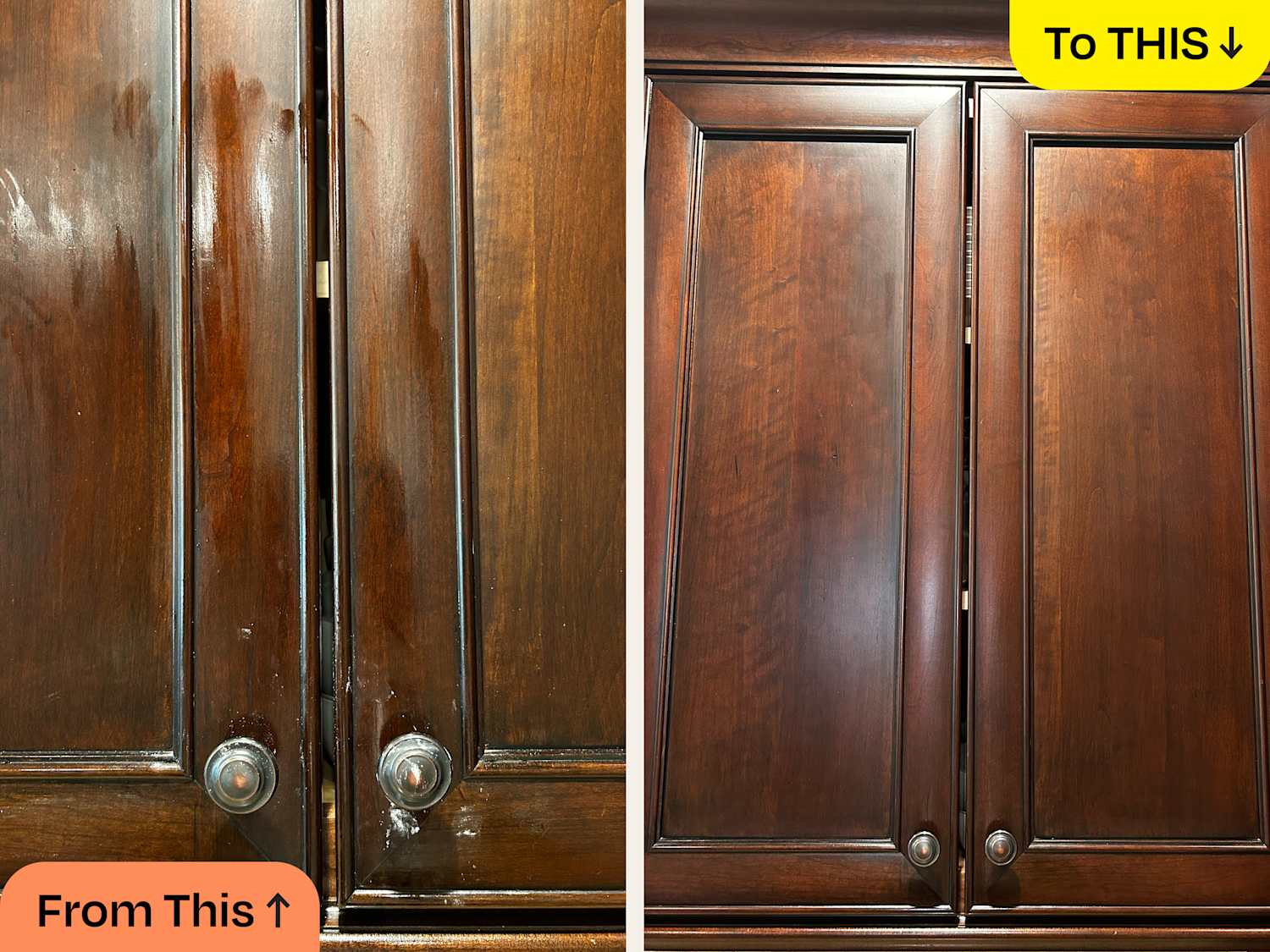
Are your kitchen cupboards looking a little worse for wear? Over time, grease and grime can build up, turning your once-sparkling storage spaces into a sticky mess.
But don’t worry, you’re not alone in this battle against kitchen chaos. Imagine opening your cupboards to find gleaming surfaces and the fresh scent of cleanliness. It’s not just a dream; it’s a reality within your reach. You deserve a kitchen that inspires joy and efficiency, and with a few simple steps, you can transform those grease-laden cupboards into pristine havens.
Stick with us, and you’ll discover the secrets to effortlessly degreasing your kitchen cupboards, ensuring they remain as clean and inviting as the day you installed them. Get ready to reclaim your kitchen space with confidence and ease.

Credit: www.facebook.com
Importance Of Degreasing
Degreasing kitchen cupboards is vital for maintaining a clean and hygienic space. Removing grease buildup prevents stains and odors, ensuring your kitchen remains inviting and fresh. Regular degreasing keeps surfaces free from grime, prolonging the life of your cupboards.
Degreasing your kitchen cupboards isn’t just about maintaining a clean appearance; it’s essential for a healthy living environment. Grease buildup can harbor bacteria and create unpleasant odors, impacting the overall hygiene of your kitchen. Regular cleaning helps in prolonging the life of your cupboards and keeps your cooking space inviting.Why Grease Builds Up
Grease accumulates over time due to the regular use of oils and fats during cooking. It can settle on surfaces, making them sticky and difficult to clean. Have you noticed how your cupboards feel after a few weeks of heavy cooking? That’s the grease talking.Impact On Kitchen Hygiene
Greasy surfaces can attract dust and bacteria, creating a breeding ground for germs. This can compromise the cleanliness of your food preparation area. Would you want to serve meals from an unclean kitchen?Prolonging Cupboard Lifespan
Consistent degreasing helps in maintaining the integrity of your cupboard materials. Over time, grease can cause stains and damage that are difficult to repair. Keeping up with cleaning means your cupboards will stay looking new for longer.Improving Kitchen Aesthetics
A clean kitchen is a happy kitchen. Grease not only affects the hygiene but also the visual appeal of your kitchen. Imagine showing off your gleaming cupboards the next time friends visit.Enhancing Cooking Experience
A tidy kitchen makes cooking more enjoyable and less stressful. When everything is clean and in its place, you can focus on creating delicious dishes. After all, who doesn’t love cooking in a neat environment? By recognizing the importance of degreasing, you can maintain a healthier, more attractive, and efficient kitchen space. Ready to roll up your sleeves and get started? Your cupboards—and your kitchen—will thank you.
Credit: www.facebook.com
Common Causes Of Grease Buildup
Grease buildup in kitchen cupboards is a common issue many face. Understanding its causes can help prevent it. This residue not only looks unsightly, but it can also harbor germs and bacteria. Knowing what leads to this problem can guide you in maintaining a cleaner kitchen environment.
Cooking Techniques
Frying and sautéing release grease into the air. This grease settles on nearby surfaces, including cupboards. Even with good ventilation, some grease particles escape and cling to surfaces.
Lack Of Ventilation
Inadequate ventilation can worsen grease buildup. Without proper airflow, grease particles linger and stick to surfaces. Regular use of exhaust fans can minimize this.
Open Cupboard Design
Open cupboard designs are trendy but expose surfaces more. They catch more airborne particles and dust, contributing to grease accumulation.
Frequent Cooking
Cooking often can lead to more grease. The more you cook, the more grease particles get released, increasing buildup on cupboards.
Using Oils And Butter
Oils and butter are common in many recipes. They create more airborne grease, leading to quicker accumulation on kitchen surfaces.
Essential Cleaning Supplies
Degreasing kitchen cupboards requires essential cleaning supplies like a powerful degreaser, microfiber cloths, and warm water. Spray the degreaser, let it sit for a few minutes, then wipe away grime with a damp cloth. Regular cleaning keeps cupboards spotless and fresh.
Cleaning your kitchen cupboards can seem like a daunting task, especially when faced with stubborn grease stains. But don’t worry—having the right cleaning supplies can make this chore much easier and more effective. Whether you prefer natural solutions or commercial products, having a well-stocked cleaning arsenal is essential.Natural Cleaning Agents
For those who prefer eco-friendly solutions, natural cleaning agents can work wonders. Vinegar is a household staple that cuts through grease effectively. Mix equal parts of vinegar and warm water in a spray bottle, and you have a powerful degreaser. Baking soda is another natural option. It acts as a gentle abrasive and can be mixed with water to form a paste that lifts grime without scratching surfaces. Lemon juice not only helps to cut grease but also leaves a fresh scent.Commercial Products
Sometimes, natural solutions just won’t cut it. That’s when commercial cleaning products come into play. A good degreasing spray is specifically formulated to tackle tough grease. Check for products that are safe for your cabinet material. Dish soap is another versatile option. It’s designed to break down grease on dishes, so it works well on cupboards too. Just mix a few drops with warm water and use a sponge to clean.Tools And Accessories
Having the right tools is just as important as the cleaning agents you choose. Microfiber cloths are excellent for wiping down surfaces without leaving lint. They’re soft yet effective at picking up grease. Sponges with a scrubbing side can help tackle tougher stains, while a toothbrush is perfect for getting into nooks and crannies. Don’t forget gloves to protect your hands from harsh chemicals or hot water. Do you ever find yourself overwhelmed by the sheer number of cleaning products available? Narrowing down your choices can help you focus on what really works for you.Preparation Steps
When it comes to degreasing your kitchen cupboards, preparation is key to ensuring a smooth and successful cleaning process. By taking the time to prep properly, you can protect your kitchen’s surfaces and make the task much more manageable. Let’s dive into the essential preparation steps to get you started on the right foot.
Clearing Cupboards
Before you begin degreasing, empty out your cupboards completely. Remove all dishes, cookware, and any pantry items. This not only gives you clear access to every nook and cranny but also prevents any cleaning solution from accidentally damaging your belongings.
Take this opportunity to reorganize and declutter. You might find expired spices or items you no longer use. It’s a win-win: a cleaner cupboard and a more organized kitchen.
Protecting Surrounding Areas
Protect your countertops and floors from any cleaning drips or spills. Place old towels or newspapers around the cupboards to catch any stray cleaner.
If your cupboards are adjacent to walls or appliances, consider taping plastic sheeting or using painter’s tape to shield these surfaces. This precaution can save you from unnecessary clean-up later.
Have you ever accidentally splashed cleaning fluid onto your favorite kitchen gadget? Ensuring proper protection can prevent such mishaps and keep your cleaning focused and efficient.
Effective Degreasing Techniques
Effective degreasing techniques ensure clean kitchen cupboards. Use a mix of warm water and dish soap for gentle cleaning. For stubborn grease, try vinegar or baking soda paste.
Cleaning kitchen cupboards might not be the most glamorous task, but it’s crucial for maintaining a fresh and hygienic environment. Greasy buildup can make your kitchen look unkempt and even affect the lifespan of your cabinets. Luckily, you don’t need expensive cleaners to tackle this issue. Let’s dive into some effective degreasing techniques that you can try with simple household items.Using Vinegar Solutions
Vinegar is a natural cleaner that’s both affordable and versatile. To create your vinegar solution, mix equal parts of vinegar and warm water in a spray bottle. Spray the mixture onto the greasy areas and let it sit for about 5-10 minutes. This waiting period allows the vinegar to break down the grease. Afterward, wipe the surface with a damp cloth. You’ll notice the grease loosening up, making it easier to clean. A quick tip: If the smell of vinegar is too strong for your liking, add a few drops of lemon essential oil to the solution for a fresher scent.Baking Soda Method
Baking soda is a go-to for tackling tough grease. Its abrasive texture helps in scrubbing away stubborn stains without scratching surfaces. Simply make a paste by combining baking soda with a small amount of water. Apply this paste directly onto the greasy spots using a sponge or cloth. Gently scrub in circular motions. The grease will start to lift, and your cupboards will look cleaner than ever. If you’ve ever used baking soda in your fridge to absorb odors, you already know how effective it can be. Just imagine what it can do for your cupboards!Dish Soap And Warm Water
Sometimes, the simplest solution is the best one. Dish soap is specially formulated to cut through grease, making it a perfect choice for kitchen cupboards. Fill a bowl with warm water and add a few drops of your favorite dish soap. Dip a sponge into the soapy water and wring it out until it’s damp, not soaking. Start wiping down the cupboard surfaces, focusing on greasy areas. The combination of dish soap and warm water will break down the grease effectively. Have you ever noticed how dish soap makes cleaning dishes a breeze? The same principle applies here—easy and effective cleaning with minimal effort. Each of these techniques offers a practical, cost-effective way to keep your kitchen looking its best. Which method will you try first?Tackling Stubborn Grease
Grease build-up on kitchen cupboards is a common challenge that can make your cooking space look worn and grimy. Tackling stubborn grease requires a strategic approach, combining the right cleaners and techniques to restore your cupboards to their original shine. Whether you’re facing years of accumulated grime or just a few stubborn spots, understanding how to effectively degrease your kitchen cupboards can make all the difference.
Heavy-duty Cleaners
Sometimes, ordinary cleaners just won’t cut it for tough grease stains. Consider using heavy-duty degreasers designed specifically for kitchen use. Products containing citrus oil or vinegar can break down thick grease effectively. Always read the label to ensure the cleaner is safe for your cupboard material.
If you’re wary of chemicals, try a homemade solution. Mix equal parts of baking soda and water to form a paste. Apply it to greasy areas, letting it sit for a few minutes before wiping clean. This natural option is not only effective but also eco-friendly.
Scrubbing Tips
Choosing the right scrubber can significantly impact your results. Use non-abrasive scrub pads to avoid scratching the cupboard surfaces. Microfiber cloths are excellent for absorbing grease while being gentle on wood and laminate finishes.
Apply some elbow grease when needed, but don’t overdo it. Circular motions can help lift grease without damaging the cupboard surface. Have you ever tried scrubbing in small sections? This method ensures thorough cleaning and prevents the spread of grease.
What about those hard-to-reach corners? A toothbrush can be your secret weapon for scrubbing tight spaces and grooves. It’s precise and can get into areas larger brushes might miss.
Maintenance Tips
Degreasing kitchen cupboards requires simple steps. Use a mix of warm water and mild detergent. Scrub with a soft cloth to remove stubborn grease. Rinse with clean water and dry thoroughly to prevent moisture damage. Regular cleaning keeps your cupboards looking fresh and hygienic.
Keeping kitchen cupboards clean requires regular maintenance. Consistent care prevents grease buildup and keeps your cupboards looking fresh. Here are some tips to help maintain your kitchen cupboards effectively.Regular Cleaning Routine
Clean your cupboards weekly to prevent stubborn stains. Use a soft cloth and mild detergent. Wipe all surfaces gently. Rinse with a clean, damp cloth. Dry thoroughly with a towel. This prevents moisture damage.Preventive Measures
Use liners to protect cupboard shelves. They catch spills and crumbs. Replace them regularly for hygiene. Store oily items in sealed containers. This reduces the risk of grease stains. Wipe lids before placing them back. Encourage family to follow these practices. It keeps cupboards clean longer.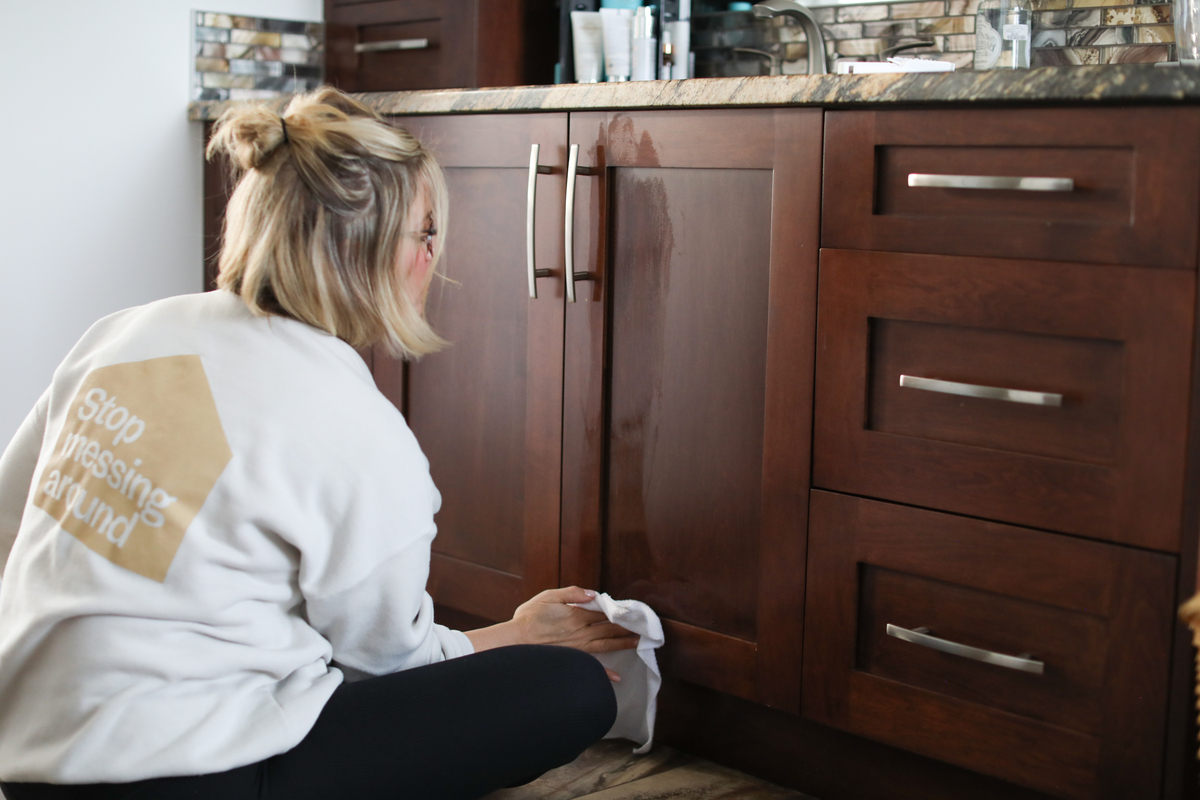
Credit: www.housework.com
Safety Precautions
Cleaning kitchen cupboards may involve the use of chemicals. Safety precautions are crucial. These measures protect you and ensure effective cleaning. Let’s explore key safety tips.
Handling Chemicals
Use gloves when dealing with cleaning agents. This prevents skin irritation. Keep the area well-lit to avoid accidents. Read labels on cleaning products carefully. Follow all instructions provided. Avoid mixing different chemicals. This can cause harmful reactions. Store chemicals out of children’s reach. This ensures their safety.
Ensuring Ventilation
Proper ventilation is essential during cleaning. Open windows to allow fresh air. Use a fan to disperse fumes. This helps prevent dizziness or nausea. Avoid small, enclosed spaces when cleaning. Ventilated areas keep you safe and comfortable.
Frequently Asked Questions
What Is The Best Degreaser For Kitchen Cabinets?
Simple Green All-Purpose Cleaner is a top choice for kitchen cabinets. It effectively cuts through grease and grime. It’s non-toxic, biodegradable, and safe for various surfaces. Vinegar and water also make a natural alternative. Always test any cleaner on a small area first to ensure safety.
What Dissolves Built-up Grease?
Vinegar, baking soda, and dish soap effectively dissolve built-up grease. Use them separately or in combination. Apply directly, scrub gently, and rinse thoroughly for best results. These household items are safe and eco-friendly alternatives to chemical cleaners. Regular cleaning prevents grease accumulation and maintains a clean surface.
Does Murphy’s Oil Soap Remove Grease From Kitchen Cabinets?
Yes, Murphy’s Oil Soap effectively removes grease from kitchen cabinets. It cleans surfaces gently without causing damage. Apply with a soft cloth or sponge for best results. Its natural ingredients make it safe for regular use. Ensure cabinets are dry after cleaning to prevent residue build-up.
Does Wd-40 Remove Grease From Kitchen Cabinets?
Yes, WD-40 can remove grease from kitchen cabinets. Spray it on the greasy area, let it sit briefly, and wipe off with a clean cloth. Always test on a small spot first to ensure it doesn’t damage the cabinet finish.
Conclusion
A clean kitchen is a happy kitchen. Degreasing cupboards can feel daunting. But, with the right steps, it’s manageable. Regular cleaning helps keep grime away. Use simple solutions for effective results. Choose mild cleaners to protect surfaces. Don’t forget to wipe inside and out.
Tidy cupboards make cooking more enjoyable. Start small and work steadily. Patience and persistence pay off in cleanliness. Keep this guide handy for quick reference. Your kitchen deserves care and attention. Enjoy the fresh, grease-free space. Clean cupboards mean a fresh start every day.