How to Get Rid of Smell in Kitchen Sink: Effective Tips
Executive Chef & Lead Commercial Kitchen Specialist at Daily Kitchup Test Lab
Is your kitchen sink giving off an unpleasant odor? You’re not alone.
Many homeowners face this common problem, and it’s more than just a nuisance—it’s an assault on your senses every time you walk into your kitchen. You might find yourself wondering where the smell is coming from and, more importantly, how to get rid of it once and for all.
The good news is, there’s no need to hold your breath any longer. This guide is here to help you tackle the problem head-on, with easy-to-follow solutions that will leave your kitchen smelling fresh and clean. Stick with us, and discover how you can reclaim your kitchen’s atmosphere and enjoy every moment spent cooking and dining in a scent-free environment.
Common Causes Of Kitchen Sink Odors
Food debris, grease buildup, and mold can cause unpleasant odors in kitchen sinks. Regular cleaning and proper disposal of waste help eliminate these smells.
Common kitchen sink odors are more than just unpleasant. They disrupt the comforting environment of your kitchen. Identifying the root cause of these smells is crucial. Let’s explore some common sources that might be affecting your sink.Food Residue Build-up
Food particles can accumulate in the drain. They start decomposing and produce foul smells. This often happens when scraps are washed down without proper disposal.Grease And Oil Accumulation
Grease and oil can cling to pipe surfaces. Over time, they harden and trap odors. They also catch food particles, making the smell worse.Dirty Garbage Disposal
Garbage disposals can retain food waste. If not cleaned, the waste rots and releases bad odors. Cleaning regularly can prevent this issue.Blocked Drains
Clogs can cause stagnant water. This water becomes a breeding ground for bacteria. The bacteria release unpleasant odors.Mold And Mildew Growth
Excess moisture in pipes promotes mold growth. Mold has a distinct, musty smell. Checking under the sink is important for detecting this issue.Old Plumbing
Old pipes might have cracks or leaks. These can harbor bacteria and cause bad smells. Inspecting plumbing can reveal hidden problems.Credit: www.drano.com
Simple Cleaning Techniques
Does your kitchen sink sometimes smell like last week’s leftovers? It’s a common issue that can make the heart of your home less inviting. Luckily, you don’t need fancy products to tackle this problem. Some straightforward cleaning techniques can help you eliminate those pesky odors.
Using Baking Soda And Vinegar
Start with a simple yet effective duo: baking soda and vinegar. Sprinkle half a cup of baking soda down the drain, followed by half a cup of vinegar. You’ll witness a fizzing reaction as they work together to break down grime and neutralize odors.
Let the mixture sit for about 15 minutes. Meanwhile, you can prepare a kettle of hot water. After the wait, flush the drain with the boiling water to wash away the loosened debris and any lingering smell. This method is not only effective but also eco-friendly.
Utilizing Lemon And Salt
Have you ever noticed how a fresh lemon can brighten up your kitchen? Lemons can do wonders for your sink too. Cut a lemon in half and sprinkle salt on the cut side. Use it to scrub the sink and drain, letting the natural acidity and abrasive salt work their magic.
The combination of lemon and salt helps to break down grime and leaves a refreshing citrus scent. It’s like giving your sink a mini spa treatment! You might find yourself enjoying cleaning more than you expected.
Applying Dish Soap And Hot Water
Sometimes, all you need is a bit of dish soap and hot water. Pour a generous amount of dish soap into the sink and run hot water over it. This simple act can dislodge grease and food particles that are causing the odor.
As the hot water flows, imagine it as a cleansing river washing away the unwanted smells. It’s a quick fix that you can easily do before starting your day or winding down after a meal. Why not give it a try next time you’re dealing with a smelly sink?
These techniques are easy to implement and don’t require a trip to the store. Which method will you try first to bring back freshness to your kitchen sink?
Deep Cleaning Methods
Deep cleaning your kitchen sink can seem daunting, but it’s a straightforward process that can make a big difference in your kitchen’s overall atmosphere. A smelly sink is not only unpleasant but can also be a sign of buildup and bacteria. By dedicating a little time to deep cleaning, you can ensure your kitchen stays fresh and inviting.
Cleaning The Drain Trap
The drain trap, often overlooked, is a common culprit for odors. This U-shaped pipe beneath your sink can accumulate food particles and grease over time. First, place a bucket underneath to catch any water or debris.
Disconnect the trap using a wrench if necessary. Clean it thoroughly with a brush and soapy water. Reattach securely to prevent leaks.
Using Enzyme Cleaners
Enzyme cleaners are a fantastic option for breaking down organic material that causes odors. These products are specifically designed to digest grime and bacteria. Pour the recommended amount down your drain and let it sit overnight.
The enzymes work their magic by breaking down food residues. Rinse with hot water the next morning to clear away any remaining particles.
Employing A Plumbing Snake
If odors persist, a plumbing snake can help you reach deep blockages. Insert the snake into the drain and gently twist to navigate through the pipe. This tool is great for dislodging stubborn clogs that may be harboring smells.
After using the snake, flush the drain with hot water. This ensures any loosened debris is washed away completely.
Have you ever tried these methods to combat sink smells? Each approach offers a practical solution to keep your kitchen fresh and clean. Deep cleaning doesn’t just eliminate odors; it also maintains your plumbing’s health.

Credit: www.youtube.com
Natural Deodorizers
Banish unwanted odors from your kitchen sink with natural deodorizers. Use baking soda and vinegar to neutralize smells effectively. Refreshing your sink can be simple and chemical-free.
Natural deodorizers offer a chemical-free way to tackle unpleasant kitchen sink smells. These solutions tap into nature’s power, using simple ingredients to refresh your space. While commercial products can mask odors temporarily, natural deodorizers aim to eliminate them at the source. Let’s explore two effective options that can transform your kitchen sink from a source of distress to a haven of fresh scents.Essential Oils
Using essential oils is a delightful way to freshen up your kitchen sink. Their concentrated essence can neutralize odors and infuse your space with refreshing scents. Start by adding a few drops of oils like lemon, lavender, or peppermint directly into the drain. Mixing essential oils with baking soda or vinegar can amplify their effectiveness. Imagine your kitchen sink radiating the calming aroma of lavender or the invigorating scent of peppermint. Isn’t it amazing how a tiny bottle can pack such a powerful punch against pesky odors?Activated Charcoal
Activated charcoal is another natural powerhouse in the fight against sink odors. Known for its absorbent properties, it can trap and neutralize unpleasant smells effectively. Placing a small dish of activated charcoal near your sink can continuously purify the air. For more direct action, consider using charcoal sachets or bags specifically designed for odor elimination. These can be tucked under the sink or hung nearby. Have you ever thought about how something so simple could be so efficient in maintaining a fresh kitchen atmosphere?Preventive Maintenance Tips
Regularly clean the drain with baking soda and vinegar to keep smells at bay. Use boiling water to flush debris and eliminate odors. Ensure the sink trap is free of food particles and grime for a fresher kitchen environment.
Keeping your kitchen sink fresh and odor-free doesn’t have to be an uphill battle. With a few simple preventive maintenance tips, you can ensure your kitchen remains a pleasant place to cook and entertain. These strategies not only help in eliminating existing odors but also prevent new ones from developing. Here’s how you can maintain a fresh-smelling kitchen sink effortlessly.Regular Rinsing And Flushing
Make it a habit to rinse and flush your sink after each use. Running hot water for a minute helps to dissolve any grease or food particles clinging to the pipes. You might be surprised at how this simple step can prevent buildup and keep odors at bay. Consider setting a weekly reminder to do a thorough flush. A quick rinse with vinegar or lemon juice can add an extra burst of freshness. Have you ever tried this after cooking a particularly aromatic meal?Avoiding Food Particles In Drain
Be mindful of what goes down your sink. Food particles, especially those from greasy or sticky dishes, can accumulate and cause unpleasant smells. Use a drain strainer to catch bits of food and dispose of them in the trash. Think of each time you clean your plate as an opportunity to prevent clogs. This small step can save you from more extensive cleaning later. Do you often forget to use a strainer? Try keeping it in plain sight as a reminder.Monthly Baking Soda Flush
Once a month, treat your sink to a baking soda flush. Sprinkle half a cup of baking soda into the drain, followed by a cup of vinegar. Let it fizz for a few minutes before rinsing with hot water. This natural cleaning method acts as a deodorizer and helps break down any lingering residue. It’s an easy routine that can make a noticeable difference. Have you added this to your regular cleaning schedule yet?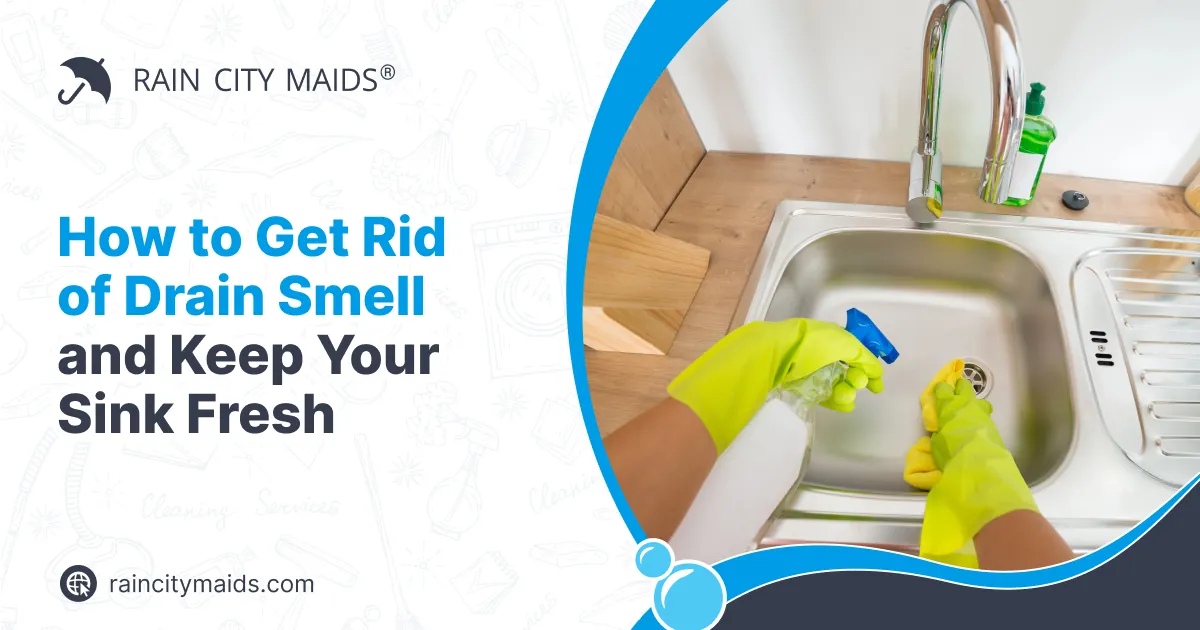
Credit: www.raincitymaids.com
When To Call A Professional
Persistent odors in kitchen sinks may require professional help. Stubborn smells often indicate deeper plumbing issues or bacteria buildup. Experts can offer effective solutions and prevent future problems.
A kitchen sink that smells can disrupt the harmony of your home. While there are numerous DIY solutions, there are times when calling a professional is the best choice. But how do you know when to make that call? Deciding to bring in an expert shouldn’t be taken lightly, but sometimes, it’s the most practical solution.Persistent Odors Despite Cleaning
You’ve scrubbed, rinsed, and deodorized, yet the smell lingers. This could indicate a deeper issue, such as a blockage or faulty plumbing. Professionals have the tools and expertise to identify and resolve such hidden problems.Slow Draining Water
A slow drain could be more than just a minor inconvenience. It might suggest a significant clog or buildup in your pipes. If you’ve tried plunging or natural remedies without success, it’s time to call in the experts.Unusual Noises
Hearing gurgling or clanking sounds from your sink? These noises could signal air trapped in the pipes or a more complex plumbing issue. Professionals can diagnose and fix these issues before they escalate.Recurring Problems
If you’ve dealt with the same smell problem more than once, it might be a recurring issue. Temporary fixes won’t solve an ongoing problem. A professional can provide a long-term solution, saving you time and frustration.Complicated Plumbing Systems
Some homes have intricate plumbing systems that are best handled by a professional. Attempting a DIY fix in such systems could cause more harm than good. Experts can navigate these complexities safely and efficiently.Water Damage Or Leaks
A bad smell could be a sign of water damage or leaks, which can lead to mold growth. This not only affects your sink but could also pose health risks. A professional can assess and repair any damage, protecting your home and health. When was the last time you called a professional for your kitchen sink? Sometimes, investing in expert help can save you money and stress in the long run.Frequently Asked Questions
How Do I Get The Smell Out Of My Kitchen Sink?
Pour baking soda down the drain, followed by vinegar. Let it fizz for 10 minutes. Rinse with hot water. Use lemon slices for a fresh scent. Clean the drain regularly to prevent odors. Ensure proper disposal of waste to keep the sink smelling fresh and clean.
What Do You Pour Down The Drain To Get Rid Of Smell?
Pour baking soda and vinegar down the drain to eliminate odors. Let it fizz for 15 minutes. Rinse with hot water for best results. This natural method effectively neutralizes drain smells and keeps pipes clean. Repeat weekly for ongoing freshness.
How Do You Clean And Deodorize A Sink?
Clean and deodorize a sink by sprinkling baking soda and vinegar. Scrub with a brush, then rinse. For lingering odors, pour lemon juice down the drain. Repeat weekly for freshness. Keep the sink dry and free of food particles to prevent smells.
Always ensure proper drainage for best results.
What Is The Best Cleaner For Smelly Sink Drains?
Use baking soda and vinegar to clean smelly sink drains. Pour half a cup of baking soda, then add one cup of vinegar. Let it fizz for 15 minutes, then flush with hot water. This natural method effectively eliminates odors and keeps drains fresh.
Conclusion
Eliminating kitchen sink odors is simpler than it seems. Regular cleaning helps. Baking soda and vinegar work wonders. Use hot water to flush drains weekly. Clean the garbage disposal with citrus peels for freshness. Avoid putting grease down the sink.
Keep your sink area dry. These steps prevent future smell issues. Enjoy a fresh and pleasant kitchen environment. Taking action today ensures a cleaner tomorrow. Embrace these tips and savor the difference. A little effort makes a big impact. Happy cooking in your refreshed kitchen!

Similar Posts