How to Pack Camp Kitchen: Ultimate Guide for Outdoor Cooking
Imagine you’re standing in the middle of a lush forest, the scent of pine trees and fresh earth filling the air. The sun is setting, and your stomach is starting to growl.
It’s time to cook up a delicious meal, but suddenly you realize you’re missing a crucial utensil or ingredient. Sound familiar? Packing a camp kitchen can feel overwhelming, especially when you want to ensure you have everything you need to create those memorable outdoor meals.
But worry not! With a little planning and the right approach, you can streamline the process and make sure you’re fully prepared. By the end of this article, you’ll have the confidence to pack your camp kitchen like a pro, ensuring every meal is as satisfying as the adventure itself. Stay with us, and let’s make your next camping trip a culinary success.
Credit: www.takethetruck.com
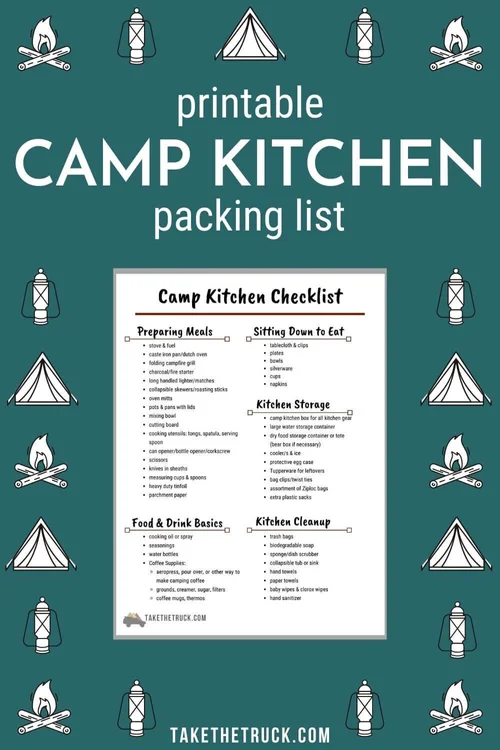
Essential Kitchen Gear
When you head into the wilderness, a well-packed camp kitchen makes all the difference. Essential kitchen gear keeps your meals tasty and easy to prepare. With the right equipment, cooking at camp becomes a joy, not a chore.
Cookware And Utensils
Pack lightweight pots and pans. Non-stick surfaces help with easy cleaning. A compact stove is crucial for cooking. Bring a sturdy spatula and ladle. Don’t forget a sharp knife for chopping.
- Lightweight pots and pans
- Compact stove
- Sturdy spatula
- Sharp knife
Food Storage Solutions
Proper food storage keeps your ingredients fresh. Use airtight containers to prevent spills. Pack resealable bags for snacks. A cooler is essential for perishables. Label your containers for easy access.
- Airtight containers
- Resealable bags
- Cooler for perishables
- Labeled containers
Cleaning Supplies
Cleanliness is key in a camp kitchen. Bring biodegradable soap for washing. A scrub brush helps with stubborn stains. Pack a dishcloth for drying. Don’t forget trash bags for waste.
- Biodegradable soap
- Scrub brush
- Dishcloth
- Trash bags
Choosing The Right Stove
Selecting the right stove is crucial for a well-packed camp kitchen. Consider the type of fuel needed and stove size. Look for compact and lightweight options for easy transport and storage.
Packing your camp kitchen is a crucial part of any outdoor adventure, and choosing the right stove is a pivotal decision. A stove can dictate how efficiently you cook, the variety of meals you can prepare, and even your overall camping experience. Are you ready to elevate your outdoor culinary skills? Let’s dive into the essentials of selecting the perfect stove for your camping needs.Types Of Camping Stoves
Camping stoves come in various shapes and sizes, each catering to different needs and preferences. Here are some common types to consider:- Backpacking Stoves:Lightweight and compact, these are ideal for solo or small group backpacking trips. They usually boil water quickly, perfect for dehydrated meals.
- Canister Stoves:Easy to use and highly portable, they work well for short trips. Their adjustable flame allows for precise cooking but be mindful of fuel canister availability.
- Liquid Fuel Stoves:Versatile and reliable in various weather conditions, they are great for longer expeditions. They require regular maintenance but can burn multiple fuel types.
- Wood Stoves:Eco-friendly and fuel-free, these stoves use twigs and wood. They bring a rustic feel to your cooking but require constant feeding and attention.
Fuel Options And Considerations
Choosing the right fuel for your stove can greatly impact your cooking efficiency and environmental footprint. Consider these options:- Propane:Widely available and easy to use, propane is a popular choice for car camping. However, the canisters are heavier and less suitable for backpacking.
- Butane:Lightweight and efficient, butane is excellent for short trips in mild climates. It’s less effective in cold weather, so plan accordingly.
- White Gas:Known for its high performance in cold conditions, white gas is ideal for winter camping. It’s a bit more challenging to handle but offers great reliability.
- Alcohol:A budget-friendly option, alcohol stoves are simple and great for ultralight backpacking. They have a slower cooking time, so patience is key.
Meal Planning Tips
Meal planning for a camping trip can be both fun and challenging. It requires careful consideration to ensure everyone enjoys delicious meals without excess baggage. Thoughtful planning can enhance your camping experience and save you from food mishaps.
Menu Selection
Choose recipes that are simple and quick to cook. Opt for meals that require minimal ingredients and cookware. Consider the preferences and dietary needs of your group. Variety is key to keeping everyone satisfied.
Portion Control
Estimate the right amount of food for each person. Avoid overpacking by calculating servings based on each meal. Use measuring tools to ensure consistency. Proper portioning prevents waste and ensures everyone gets enough.
Packable Ingredients
Select ingredients that are light and easy to store. Canned goods and dehydrated foods are excellent choices. Fresh produce should be durable and long-lasting. Pack spices and seasonings in small containers for flavor enhancement.
Efficient Packing Strategies
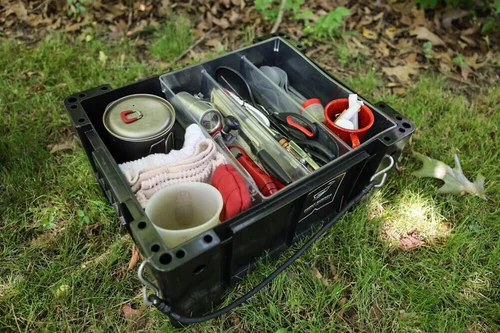
Organize camp kitchen gear by using stackable containers and resealable bags. Prioritize essentials like a portable stove and lightweight utensils. Keep perishable items in a cooler to maintain freshness.
Packing a camp kitchen efficiently can make or break your outdoor adventure. Imagine arriving at your site only to find your cooking gear tangled and disorganized. Avoid this hassle with smart packing strategies that prioritize space-saving and organization. With a bit of planning, you can enjoy a seamless cooking experience in the great outdoors.Space-saving Techniques
Maximize every inch of your camping gear with clever space-saving techniques. Stackable containers are your best friend. They not only save space but also keep your ingredients fresh and critter-proof. Consider collapsible bowls and pots. These items shrink down to a fraction of their size when not in use, leaving ample room in your pack for other essentials. Another trick is to pack dual-purpose items. A pot that doubles as a bowl or a spork that serves as both spoon and fork can drastically reduce the number of items you need to carry.Organizational Hacks
Keeping your camp kitchen organized is key to a stress-free trip. Use clear, resealable bags for spices and small ingredients. This way, you can easily see and access what you need without rummaging through your pack. Labeling is essential. Clearly mark each container or bag with its contents and even the cooking instructions. This helps you find what you need quickly and ensures you don’t forget any steps when cooking. Create a checklist of kitchen essentials. This ensures you don’t leave behind crucial items like a can opener or matches. A well-organized checklist helps streamline packing and reduces the chance of overlooked essentials. How do you pack your camp kitchen to ensure efficiency and ease? By incorporating space-saving techniques and organizational hacks, you ensure every meal is an enjoyable part of your outdoor adventure.Safety And Hygiene
Packing a camp kitchen prioritizes safety and hygiene. Store food in airtight containers to prevent contamination. Keep cleaning supplies handy and separate from cooking equipment to ensure proper sanitation.
Ensuring safety and hygiene in your camp kitchen is crucial for a successful outdoor adventure. A well-packed camp kitchen not only keeps your meals delicious but also ensures you and your group stay healthy. Let’s dive into how you can maintain top-notch safety and hygiene while enjoying the great outdoors.Food Safety Practices
Keeping food safe during your camping trip starts with proper storage and handling. Use a cooler with plenty of ice packs to keep perishable items cold. Make sure raw meats are securely wrapped and stored separately to avoid cross-contamination. Always wash your hands before handling food. Pack a small bottle of biodegradable soap and a collapsible basin for easy washing. Don’t forget a towel for drying. Antibacterial wipes can also be handy for quick clean-ups. Consider meal prep before leaving home. Cutting, chopping, and marinating in advance can reduce the mess and hassle at the campsite. Plus, pre-portioned meals in sealed containers help maintain freshness and prevent spoilage.Bear-proofing Your Camp
Securing your camp kitchen against wildlife is essential, especially in bear country. Store all food and scented items in bear-proof containers or bear hangs. This includes toiletries and trash, as bears are attracted to strong smells. Place your cooking area at least 100 feet away from your sleeping area. This reduces the chance of bears wandering into your tent area looking for food. Remember, a clean camp is a safe camp. Consider using odor-proof bags for extra protection. These bags can help mask the scent of food and keep curious wildlife away. Regularly check your campsite for food scraps and dispose of waste properly. Have you ever underestimated the importance of safety and hygiene in your camp kitchen? By following these steps, you can ensure a safe and enjoyable camping experience.Eco-friendly Practices
Packing a camp kitchen with eco-friendly practices involves using reusable containers and utensils to minimize waste. Opt for biodegradable soap and cloth bags to reduce environmental impact. Choose locally sourced food to support sustainable agriculture and lessen the carbon footprint.
Eco-friendly practices in packing a camp kitchen can significantly reduce your environmental footprint. By making mindful choices, you contribute to preserving nature. These practices not only protect the environment but also enhance your camping experience. Let’s explore how to minimize waste and use sustainable packaging effectively.Minimizing Waste
Reduce waste by choosing reusable containers for food storage. Opt for stainless steel or glass containers. These can be washed and reused many times. Avoid single-use plastics. They contribute to pollution and harm wildlife. Bring your own cutlery and plates. Compostable or biodegradable items are better if reusable ones aren’t available. Plan meals carefully to avoid excess food. This prevents unnecessary waste. Consider using cloth napkins instead of paper ones. They are durable and washable.Sustainable Packaging
Select packaging materials that are eco-friendly. Use beeswax wraps for food items. They are reusable and biodegradable. Store dry goods in cloth bags or jars. This reduces reliance on plastic bags. Choose packaging made from recycled materials. It supports sustainable production practices. Avoid packaging that cannot be recycled. Check labels for recyclable options. Buy in bulk to reduce packaging waste. This limits the number of containers you need. Use a cooler with eco-friendly ice packs. They keep food fresh without melting and leaking.Weather And Terrain Considerations
Packing your camp kitchen needs more than just a checklist. Weather and terrain play a crucial role. Understanding these factors can make your outdoor cooking hassle-free. Different climates demand specific gear. Terrain influences what you carry and how you pack.
Adapting To Climate
Weather can change rapidly in the wilderness. Rainy climates require waterproof bags and containers. In cold areas, pack insulated items to keep food warm. Hot weather calls for coolers to prevent spoilage. A portable stove is crucial for windy areas. Always check the forecast before heading out.
Campground Restrictions
Every campground has unique rules. Some restrict open fires; others may ban certain cooking equipment. Check if the site allows gas stoves or only electric ones. Understand waste disposal rules to avoid fines. Following these guidelines ensures a smooth camping experience. Respecting restrictions keeps the environment clean.

Credit: www.youtube.com
Checklists And Essentials
Organizing a camp kitchen starts with packing essentials like portable stoves, cookware, and utensils. Ensure freshness by including a cooler for perishables. Remember to pack cleaning supplies and garbage bags to maintain cleanliness.
Packing a camp kitchen efficiently is crucial for any outdoor adventure. A well-organized kitchen ensures you have everything you need for cooking and dining. It’s about having the right items and knowing what to bring. A checklist helps you pack smartly and avoid forgetting essentials. With the right gear, your outdoor meals can be enjoyable and stress-free.Packing Checklist
A checklist keeps your packing organized and efficient. Here’s what you need:- Portable stove or campfire grill
- Fuel for stove
- Cooking pots and pans
- Utensils: spatula, ladle, tongs
- Plates, bowls, and cups
- Reusable cutlery
- Chopping board and knife
- Dish soap and sponge
- Trash bags
- Biodegradable soap
- Water container
Essential Extras
Some items enhance your camping cooking experience. Consider bringing these extras:- Portable coffee maker
- Condiments and spices
- Marshmallow roasting sticks
- Cooler with ice packs
- Aluminum foil
- Ziplock bags for leftovers
- Can opener
- Fire starters
- Tablecloth
Credit: www.takethetruck.com
Frequently Asked Questions
How To Pack Kitchen Stuff For Camping?
Pack essentials like pots, pans, and utensils in a sturdy box or bag. Use zip-lock bags for spices and small items. Bring a portable stove or grill. Include a cooler for perishables. Ensure items are lightweight and compact for easy transport.
What To Pack In A Camp Kitchen?
Pack a portable stove, fuel, pots, pans, utensils, plates, cups, cutting board, sharp knife, matches, biodegradable soap, sponge, trash bags, and food storage containers. Include non-perishable foods, spices, and a can opener. Don’t forget a cooler with ice packs for perishables and a water filter or purifier.
What To Include In A Camp Kitchen?
Include a portable stove, pots, pans, cooking utensils, cutting board, knife, dish soap, sponge, and trash bags. Don’t forget tableware, cooler, ice packs, and a water container. Pack spices, oil, and non-perishable food items. A campfire grill and chairs enhance the experience.
What To Pack For Camp Cooking?
Pack essential cookware like pots, pans, and utensils. Include portable stove, fuel, and matches. Bring food storage containers and cooler. Don’t forget biodegradable soap, sponge, and towel for cleaning. Carry lightweight, non-perishable foods and spices. Include a cutting board and knife.
Pack a sturdy tablecloth for dining comfort.
Conclusion
Packing a camp kitchen doesn’t need to be complicated. Focus on essentials. Bring lightweight pots, pans, and utensils. Don’t forget a portable stove. Choose easy-to-cook meals. Store food in airtight containers to keep fresh. Remember to pack cleaning supplies. A small dish soap and sponge work wonders.
Keep everything organized in bins. Label them for easy access. Check your list twice before leaving. Stay prepared for unexpected weather changes. Enjoy cooking under the stars. Share meals and stories with friends. Celebrate the simplicity and joy of outdoor cooking.
Happy camping!