How to Unclog Your Kitchen Sink: Quick Solutions
Executive Chef & Lead Commercial Kitchen Specialist at Daily Kitchup Test Lab
Is your kitchen sink refusing to cooperate just when you need it the most? A clogged sink can throw a wrench in your plans, turning cooking and cleaning into a frustrating ordeal.
But don’t worry, you’re not alone, and there’s a simple solution waiting for you. Imagine the relief and satisfaction you’ll feel once the water flows freely again, restoring order to your kitchen. With a few easy steps, you can tackle this common problem without calling a plumber.
By the end of this guide, you’ll have the know-how to unclog your kitchen sink quickly and efficiently. Ready to take back control of your kitchen? Let’s dive into the practical tips that will have you saying goodbye to that pesky clog.
Common Causes Of Sink Clogs
Kitchen sink clogs can disrupt your daily routine. Understanding their common causes helps prevent future blockages. Let’s explore the typical culprits behind these pesky obstructions.
Food Residue
Small bits of food often escape through the drain. Over time, they accumulate and block water flow. Rice, pasta, and fibrous vegetables are usual offenders. They swell in water and stick to pipes.
Grease Buildup
Pouring grease down the sink is a common mistake. As grease cools, it solidifies, clinging to pipe walls. This creates a stubborn barrier that traps other debris. Frequent grease disposal can quickly lead to significant clogs.
Foreign Objects
Non-food items sometimes find their way into the sink. Dish rags, utensils, or even small toys can obstruct pipes. These objects create instant blockages, often requiring professional removal.
Preliminary Steps
Gather necessary tools like plunger, baking soda, and vinegar before starting. Clear out any visible debris first. Ensure a clean work area to avoid mess.
Unclogging a kitchen sink might seem challenging. But starting with the right steps makes it easier. Before diving into the task, prepare by taking some preliminary actions. This ensures a smoother unclogging process. Here’s how to get started.Clear The Area
Remove any dishes from the sink. Clear surrounding countertops. This gives you enough space to work. It also prevents accidents or breakage. Ensure the sink’s drain area is visible. This will help you assess the situation better.Gather Necessary Tools
Before starting, collect all the needed tools. You’ll need a plunger and a bucket. A plumber’s snake might be handy too. Keep a pair of rubber gloves nearby. They protect your hands from dirt and chemicals. Having tools ready saves time and effort.Natural Remedies
Baking soda and vinegar are great for unclogging kitchen sinks. Pour baking soda down the drain. Follow it with vinegar. Let it fizz for a while. Rinse with hot water. This natural method is simple and effective.
Natural kitchen sink remedies are effective and eco-friendly. They use simple ingredients you likely have. These methods are less harsh than chemicals. They can also save you money. Try these solutions before calling a plumber.Baking Soda And Vinegar
Baking soda and vinegar create a fizzy reaction. It helps break down clogs. Pour half a cup of baking soda down the drain. Follow with a cup of vinegar. Cover the drain with a cloth. Let it sit for 15 minutes. The fizzing helps clear the blockage. Rinse with hot water. Repeat if needed.Boiling Water Method
Boiling water is another simple solution. Heat a pot of water until it boils. Carefully pour it down the clogged drain. The hot water can dissolve minor clogs. Repeat the process two to three times. This method works well for grease build-up. It is quick and requires no extra ingredients. Always handle boiling water with caution.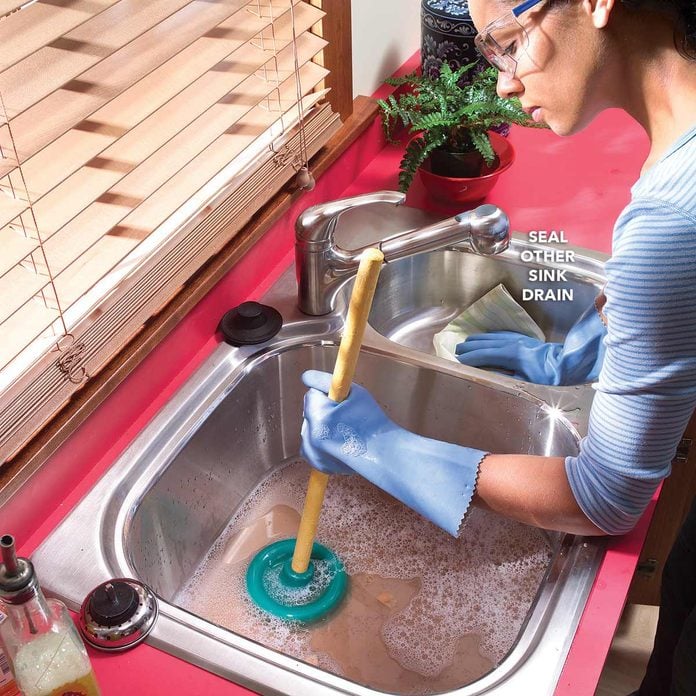
Credit: www.familyhandyman.com
Using A Plunger
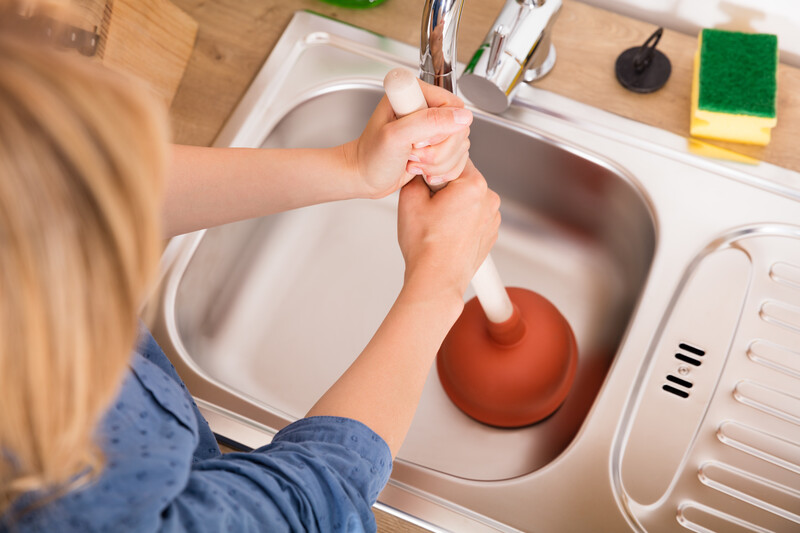
Unclogging your kitchen sink with a plunger is a simple task. Firmly press the plunger over the drain. Push and pull vigorously to create suction and clear the blockage. Repeat until water drains smoothly.
Using a plunger is a simple way to unclog your kitchen sink. It requires minimal tools and effort. Plungers are effective for clearing minor blockages. They work by creating suction to dislodge debris. Let’s explore how to make the most of this tool.Choosing The Right Plunger
Select a plunger with a good seal. A cup-shaped plunger works best for sinks. Ensure the rubber is flexible. It should cover the drain completely. Avoid using a toilet plunger; it’s not suitable. Proper size and shape make a big difference.Effective Plunging Techniques
Fill the sink with some water. This helps create suction. Place the plunger over the drain. Press down firmly to remove air. Pull up quickly without breaking the seal. Repeat this motion several times. Check if the water drains properly. If not, try again until successful.Chemical Drain Cleaners
Kitchen sinks often face clogging issues due to food particles or grease. Chemical drain cleaners offer a quick solution. They dissolve clogs using strong chemicals. These cleaners can be useful when other methods fail. But using them requires caution. Understanding when and how to use them is essential.
When To Use Chemicals
Use chemical drain cleaners for stubborn clogs. Try other methods first. If plungers or baking soda don’t work, chemicals might be needed. They are effective for dissolving organic matter. Avoid using them on completely blocked pipes. In such cases, mechanical cleaning might be necessary.
Safety Precautions
Safety is crucial when using chemical cleaners. Always wear gloves and goggles. Chemicals can cause burns or eye damage. Ensure the room is well-ventilated. Open windows or use fans to avoid inhaling fumes. Never mix different drain cleaners. Mixing can create toxic gases or explosions.
Employing A Drain Snake
Dealing with a clogged kitchen sink can be frustrating. A drain snake offers a practical solution to clear blockages efficiently. This handy tool reaches deep into pipes, removing debris causing the clog.
How To Use A Drain Snake
Start by inserting the snake into the drain opening. Rotate the handle gently to maneuver the snake through the pipe. Feel for resistance, indicating contact with the blockage. Twist the snake to break up the clog. Pull out the snake, removing debris from the pipe.
Run water to check if the blockage is cleared. Repeat if necessary for stubborn clogs.
Benefits Of Drain Snaking
Drain snaking effectively removes tough clogs. It prevents damage to pipes, unlike harsh chemicals. This method is eco-friendly, avoiding chemical usage. It saves money by reducing plumber visits. Drain snakes are reusable, offering long-term value.
Preventing Future Clogs
Regularly clean your kitchen sink to prevent future clogs. Use hot water and baking soda weekly to keep drains clear. Avoid pouring grease and food scraps down the drain for smooth water flow.
Preventing future clogs in your kitchen sink is crucial to maintaining a smoothly running household. Imagine the inconvenience of a sink that doesn’t drain right when you’re hosting a dinner party or rushing in the morning. You can avoid these scenarios by adopting some simple yet effective practices.Regular Maintenance Tips
Regular maintenance of your kitchen sink can save you from unexpected clogs. Consider setting a reminder to clean your sink’s drain monthly. Use a mixture of baking soda and vinegar; let it fizz for a few minutes before rinsing with hot water. Install a drain guard to catch food particles before they enter the pipes. It’s a small investment with a big impact. Also, run hot water through your sink after each use to help keep the pipes clear.Proper Disposal Practices
What you put down your sink has a major impact on preventing clogs. Avoid pouring grease or oil down the drain, as they can solidify and cause blockages. Instead, collect them in a container and dispose of them in the trash. Be mindful of food scraps and coffee grounds, which are frequent culprits of clogs. Consider starting a compost bin for these items. Do you dispose of leftover pasta or rice in the sink? These expand with water, potentially leading to blockages. Dispose of them in the trash instead. By making small changes in your daily habits, you can ensure a clog-free kitchen sink. What changes will you start implementing today?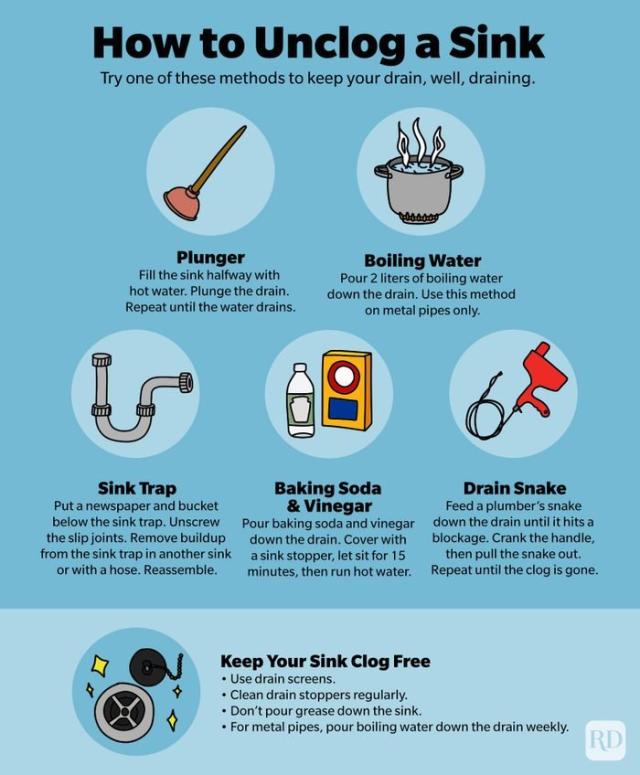
Credit: www.aol.com
When To Call A Professional
Unclogging a kitchen sink can be a messy task. Sometimes, home remedies don’t work. Knowing when to call a professional is essential. Professionals have the right tools and expertise. They can tackle stubborn clogs safely. This section guides you on recognizing signs for expert help. It also helps you find a reliable plumber.
Signs You Need Expert Help
DIY efforts can fail. Persistent clogs are a sign to call for help. Water backing up into the sink is another warning. Strange noises, like gurgling, indicate deeper issues. Foul odors are a hint of trapped debris. If multiple drains clog, it’s time for a professional.
Finding A Reliable Plumber
Choosing the right plumber is crucial. Start by asking friends for recommendations. Check online reviews for honest feedback. Look for licensed and insured professionals. Verify their experience with kitchen sinks. Compare quotes to get a fair price. Ensure they offer a service guarantee.
Credit: www.homeserve.com
Frequently Asked Questions
What Is The Best Way To Unclog A Kitchen Sink?
Pour boiling water down the drain to loosen debris. Use baking soda and vinegar for a chemical reaction. Plunge the sink vigorously to dislodge clogs. Alternatively, remove the trap for manual cleaning. Regular maintenance prevents future blockages.
What Can I Pour Down The Sink To Unblock It?
Use baking soda and vinegar to unblock the sink. Pour baking soda down, then add vinegar. Wait 15 minutes. Flush with hot water.
What Will Dissolve A Blocked Drain?
Use baking soda and vinegar to dissolve a blocked drain. Pour half a cup of baking soda, followed by half a cup of vinegar. Let it sit for 15 minutes, then flush with hot water. This method effectively clears minor blockages without harsh chemicals.
How Do I Fix A Slow Draining Kitchen Sink?
To fix a slow draining kitchen sink, remove debris from the drain using a plunger. Pour baking soda and vinegar, then flush with hot water. Clean the P-trap if needed. Consider using a plumber’s snake for stubborn clogs. Regularly maintain the sink to prevent future issues.
Conclusion
Clearing a clogged kitchen sink can be simple. Follow these steps to avoid stress. Regular maintenance helps keep pipes clear. Use hot water and baking soda often. Avoid pouring grease down the drain. These tips save time and money. No need for costly plumbers.
DIY methods are effective and easy. Your sink will flow smoothly again. Feel confident handling minor clogs yourself. A few simple tools and ingredients are all you need. Enjoy a clean and functional kitchen. Keep these tips in mind for the future.
Your sink will thank you. Happy unclogging!

Similar Posts