What is a Range in Kitchen: Essential Cooking Guide
Imagine your kitchen as a symphony of sizzling pans, bubbling pots, and aromatic dishes coming together to create delicious harmony. At the heart of this symphony lies an unsung hero: the kitchen range.
But what exactly is a range in a kitchen, and why does it hold such importance? If you’re looking to elevate your culinary skills or simply want to understand this essential appliance better, you’re in the right place. This article is tailored just for you, with insights that promise to unravel the mystery of kitchen ranges, making you not only informed but inspired.
You’ll discover how the right range can transform your cooking experience, adding a touch of magic to every meal. Curious to learn more? Keep reading to unlock the secrets of choosing the perfect range for your kitchen.
Credit: www.samsung.com
Types Of Kitchen Ranges
When planning your kitchen, choosing the right range can make all the difference in your cooking experience. The variety of kitchen ranges available today offers options to suit every style and function. Understanding the types of ranges can help you decide what fits best in your cooking space.
Freestanding Ranges
Freestanding ranges are the most common type you’ll find in kitchens. They are versatile and can be placed almost anywhere in your kitchen, thanks to their finished sides and back. Many people appreciate their affordability and ease of installation. Imagine baking your favorite cookies without worrying about a complex setup. These ranges often come with a built-in backsplash, which can be a real space saver.
Slide-in Ranges
Slide-In ranges are designed to blend seamlessly into your kitchen cabinetry. They offer a sleek, integrated look with controls located at the front for easy access. Have you ever wanted a kitchen with uninterrupted counter space? These ranges allow for that aesthetic by eliminating the need for a bulky back panel. Their flush fit makes cleaning a breeze, as crumbs and spills have fewer places to hide.
Drop-in Ranges
Drop-In ranges are a bit more specialized and require custom cabinetry for installation. They offer a built-in look, similar to slide-in models, but without a bottom storage drawer. If you’re aiming for a high-end, tailored kitchen, drop-in ranges can offer that sophisticated touch. However, they might require professional installation. Think of it as investing in a bespoke suit for your kitchen.
Which type resonates with your cooking style and kitchen layout? Consider your priorities in terms of aesthetics, functionality, and budget as you make your decision.
Fuel Options For Ranges
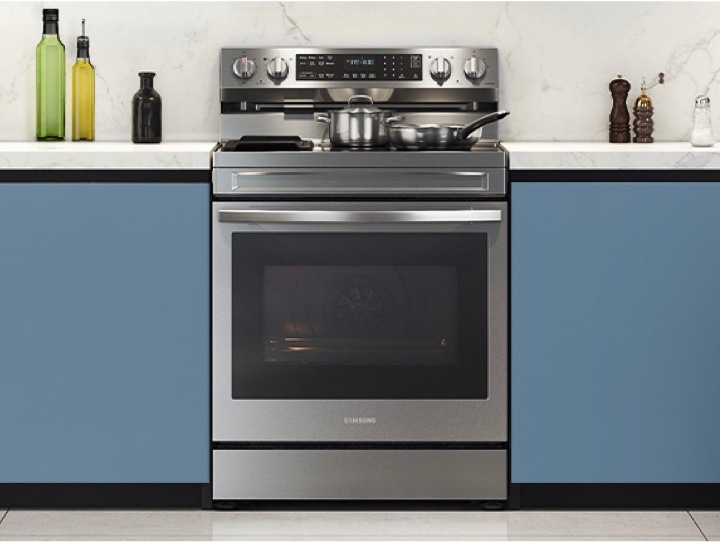
A range is a kitchen appliance combining a cooktop and an oven. Fuel options for ranges include gas, electric, and dual-fuel. Each type offers unique benefits, catering to different cooking needs and preferences.
Fuel options for kitchen ranges play a crucial role in determining the efficiency, cost, and cooking experience in your kitchen. Each type of fuel has its advantages, catering to different culinary preferences and lifestyles. Whether you’re a passionate home cook or someone who loves hosting gatherings, understanding these options can help you make an informed decision.Gas Ranges
Gas ranges are a favorite among many chefs due to their precise temperature control. You can quickly change heat levels, making them ideal for dishes requiring finesse, like sauces or stir-fries. Plus, the visual cue of the flame provides instant feedback on heat levels. However, installation might require a natural gas line, which could be a hassle if your kitchen isn’t already equipped. Additionally, they can be less energy-efficient compared to other options. But if you enjoy the art of cooking and the tactile experience of adjusting flames, gas ranges offer a satisfying experience.Electric Ranges
Electric ranges are known for their sleek design and ease of use. They provide a consistent cooking temperature, which is excellent for baking and slow cooking. The flat surface also simplifies cleaning, making it a practical choice for busy households. On the downside, they can take longer to heat up compared to gas ranges. If you’re looking to whip up a quick meal, this might be a consideration. However, electric ranges often come with advanced features like induction cooking, which can offer faster heating and energy efficiency.Dual Fuel Ranges
Dual fuel ranges offer the best of both worlds. They combine the instant heat of gas burners with the consistent oven temperatures of an electric range. This setup is perfect for those who want versatility in their cooking methods. They tend to be more expensive, both in initial cost and installation, as they require both gas and electric connections. But if you’re serious about cooking and want a range that can handle anything from searing steaks to baking delicate pastries, dual fuel ranges are worth considering.Features And Functions
A kitchen range combines a cooktop and an oven into one appliance. It offers various cooking methods, such as baking, boiling, and frying, in one convenient unit. Available in different sizes, styles, and fuel types, it suits diverse cooking needs and kitchen designs.
The kitchen range is a versatile appliance, offering several features and functions. It combines a cooktop and oven in one unit, providing a complete cooking solution. Understanding its features can help you make the most of your cooking experience.Convection Ovens
Convection ovens circulate hot air, ensuring even cooking. They reduce cooking time by maintaining consistent temperatures. This feature is ideal for baking and roasting.Self-cleaning Options
Self-cleaning ovens use high heat to burn off residues. This process simplifies maintenance and keeps the oven interior spotless. It saves time and effort in scrubbing.Smart Technology
Smart ranges connect to Wi-Fi, allowing remote control. You can adjust settings via smartphone apps. This feature enhances convenience and efficiency in the kitchen.
Credit: www.samsung.com
Choosing The Right Size
Choosing the right size for your kitchen range can transform your cooking experience. It’s not just about fitting into the available space; it’s about aligning with your cooking style and household needs. Whether you’re renovating your kitchen or setting up a new one, understanding the different sizes of ranges can make a significant difference. Let’s dive into the options you might consider.
Compact Ranges
Compact ranges are perfect for small kitchens or apartments. Typically measuring around 20 to 24 inches, these ranges offer a space-saving solution without sacrificing functionality. They usually come with fewer burners, which may be ideal if you don’t cook elaborate meals often. Imagine hosting a small dinner party with ease, thanks to your compact range efficiently utilizing every inch of your kitchen.
Standard Sizes
Standard ranges are the go-to choice for most households. At approximately 30 inches wide, they strike a balance between size and utility. These ranges can accommodate multiple pots and pans simultaneously, making them suitable for families who enjoy home-cooked meals. Picture yourself preparing a full-course meal for your family, with each dish cooked to perfection, thanks to the ample space of a standard range.
Commercial Sizes
For those who entertain large groups or have a passion for gourmet cooking, commercial sizes might be the perfect fit. These ranges can stretch beyond 36 inches, offering professional-grade features and more burners. Imagine hosting a holiday feast with ease, having the capability to cook several dishes at once without compromising on quality. If you’re serious about your culinary adventures, why not bring a touch of restaurant-style cooking into your home?
So, which size fits your kitchen and lifestyle? Consider your cooking habits, available space, and future needs before making a decision. After all, the right range size can elevate your cooking experience and turn your kitchen into a culinary haven. What choice would best meet your needs?
Installation Considerations
A kitchen range requires proper space and ventilation for installation. Consider the power source and size that fits your kitchen layout. Ensure accessibility to gas or electric connections for efficient use.
Installing a kitchen range is an exciting endeavor that can transform your cooking space. Yet, it’s essential to consider several factors to ensure a smooth installation process. From ventilation needs to layout planning, each aspect plays a crucial role in maximizing functionality and safety. Let’s dive into the key considerations that will guide you in setting up your kitchen range effectively.Ventilation Requirements
Proper ventilation is critical for your kitchen range. Without adequate airflow, cooking can lead to smoke and odors lingering in your home. Consider installing a range hood or exhaust fan that suits the size and power of your range. This setup not only improves air quality but also enhances safety by reducing the risk of grease buildup. Reflect on the type of cooking you do. If you often cook with high heat, a more robust ventilation system may be necessary to keep your kitchen fresh and comfortable.Space And Layout
The placement of your range affects your kitchen’s workflow. A well-planned layout can make meal preparation more efficient. Measure the available space carefully. Ensure there’s enough room around the range for movement and that adjacent countertops are easily accessible. Think about how you use your kitchen. Do you need extra space for pots and pans, or a nearby prep area? Tailor the layout to fit your cooking habits for a seamless experience.Safety Precautions
Safety should never be an afterthought when installing a kitchen range. Taking a few precautions can prevent accidents and ensure peace of mind. Make sure your range is installed at a safe distance from flammable materials like curtains or wooden cabinets. This can prevent fires and other hazards. Invest in safety features such as child locks or anti-tip brackets, especially if you have young children. These additions can safeguard your family while allowing you to cook without worry. Installing a kitchen range is more than just placing an appliance; it’s about creating a space that meets your needs and keeps your loved ones safe. What considerations have you found most important in your kitchen setup?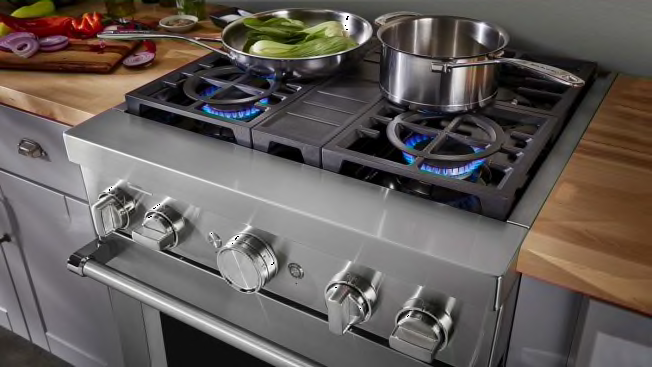
Credit: www.consumerreports.org
Maintenance And Care
A range in the kitchen combines a stove and oven in one appliance, providing essential cooking and baking functions. Regular maintenance involves cleaning burners and oven interiors to ensure efficient performance and longevity. Proper care prevents damage and keeps your kitchen range in top working condition.
Maintaining and caring for your kitchen range is essential to ensure its longevity and efficiency. A well-maintained range not only enhances your cooking experience but also ensures safety in your kitchen. Simple routine practices can make a big difference in keeping your range in top condition.Cleaning Tips
Regular cleaning is the first step to a well-maintained range. Wipe down the stovetop after each use with a damp cloth to prevent food residue buildup. For stubborn stains, use a mixture of baking soda and water, applying it with a soft sponge. Don’t forget about the oven. Remove racks and clean them separately, using a gentle dish soap. A monthly deep clean with a non-abrasive cleaner can help maintain the oven’s efficiency.Routine Inspections
Routine inspections can save you from costly repairs. Check the burners for any clogs or uneven flames, which might indicate a blockage. If your range has gas burners, ensure the connections are secure and free from leaks. Inspect the oven door seal for any tears. A damaged seal can lead to heat loss and increased cooking times, affecting your meal quality.Troubleshooting Common Issues
Encountering issues with your range can be frustrating. If your burner won’t ignite, check if the gas supply is on and the igniter is clean. A simple cleaning might be all that’s needed. Oven not heating evenly? Ensure the racks are positioned correctly and the oven is preheated. A faulty thermostat could also be the culprit, requiring professional attention. Have you ever faced a problem with your range? Remember, addressing minor issues early can prevent bigger headaches later. Regular maintenance is your best friend for a hassle-free cooking experience.Cost And Budgeting
Investing in a kitchen range is more than just adding an appliance; it’s about enhancing the heart of your home. Understanding the cost and budgeting for a range can be a journey filled with surprises and insights. Whether you’re a seasoned chef or just someone who loves to cook, knowing how to budget for a range can make a significant difference in your kitchen experience.
Initial Costs
Let’s start with the price tag. Kitchen ranges can vary widely in price, from modest models to top-tier professional designs. You might find a budget-friendly option for around $400, while a high-end range could set you back over $2,000. Think about the features that matter most to you. Do you need a convection oven or would a simple gas range suffice? Consider your cooking habits to determine which features are worth the initial investment.
Long-term Expenses
The initial purchase is just the beginning. Over time, ranges may incur additional costs. Energy consumption is a critical factor; gas ranges might be cheaper to run than electric ones, depending on your local utility rates. Maintenance and repair costs should also be factored in. A model with more complex features might require specialized repairs, which could add up over the years.
Value For Money
Is the price tag worth it? Evaluating the value for money involves more than just the cost. Consider the lifespan of the range and how often you’ll use it. A quality range that lasts 15 years and supports daily cooking can be a great investment. Read reviews and ask for recommendations. Sometimes, spending a bit more upfront can save you money and hassle in the long run.
As you weigh your options, keep your cooking style and budget in mind. What would make your kitchen experience exceptional without breaking the bank? Balancing your needs with the price can lead to a satisfying purchase that enhances your culinary adventures.
Frequently Asked Questions
What Is A Range In A Kitchen?
A range in a kitchen combines a stove and an oven into a single appliance. It offers cooking versatility with burners on top for boiling or frying and an oven below for baking or roasting. Ranges come in various sizes and styles to suit different kitchen needs and preferences.
What Is The Difference Between A Stove And A Range?
A stove is an appliance with burners or heating elements for cooking. A range combines a stove and an oven in one unit. Stoves are typically standalone, while ranges offer integrated functionality for baking and cooking. Both are essential kitchen appliances, but ranges provide more versatility.
Is It Better To Repair Or Replace A Cooking Range?
Repairing a cooking range is cost-effective for minor issues. Replace it if repair costs are high or efficiency decreases. Consider warranty, age, and repair history. Evaluate energy efficiency and new features to make an informed decision.
What Do You Call A Range Without An Oven?
A range without an oven is called a cooktop or stovetop. It features burners for cooking but lacks an oven. Cooktops are available in gas, electric, or induction models, offering various styles and functionalities to suit different kitchen needs.
Conclusion
A kitchen range is essential for cooking. It combines a stovetop and oven. Gas and electric are common types. Each offers unique benefits. Gas ranges provide precise heat control. Electric ranges are easy to clean. Choose based on cooking style and budget.
Brands vary in features and price. Consider size and fuel type. Think about installation space and needs. Research thoroughly before purchasing. A good range enhances kitchen efficiency. It makes cooking enjoyable and convenient. Explore options to find the perfect fit.
Your kitchen deserves the best range. Keep your culinary adventures delightful and stress-free.