What is Standard Kitchen Counter Depth: Essential Guide
Have you ever found yourself wondering about the ideal kitchen counter depth? You’re not alone.
Whether you’re renovating your kitchen or planning a new one, understanding the standard kitchen counter depth can make a huge difference in both functionality and aesthetics. Imagine a kitchen space where everything fits perfectly, from your appliances to your cooking tools, creating a seamless and efficient environment.
But what is this magic number, and why does it matter to you? As you read on, you’ll discover how choosing the right counter depth can enhance your cooking experience, transform your kitchen’s look, and even improve your home’s value. Get ready to unlock the secrets of kitchen design and ensure your space is perfectly tailored to your needs.
Standard Kitchen Counter Depth
Standard kitchen counter depth typically measures 24 inches, providing ample space for appliances and food preparation. This dimension ensures a comfortable reach for tasks, enhancing overall kitchen efficiency.
Understanding the dimensions of your kitchen counter is crucial for both functionality and aesthetics. The standard kitchen counter depth is more than just a number; it impacts how you use your kitchen daily. Imagine preparing a meal or organizing your appliances—everything revolves around this vital measurement.
What Is The Standard Kitchen Counter Depth?
The standard depth for kitchen counters is typically 24 inches. This measurement allows enough space for most kitchen tasks while ensuring ample room for appliances and storage. You might notice that some counters seem to be deeper or shallower, but the 24-inch standard caters to the average adult’s reach and comfort.
Why Is Knowing The Standard Kitchen Counter Depth Important?
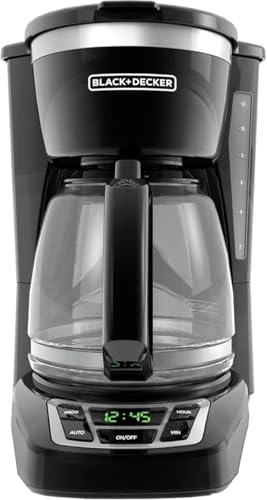
Having the correct counter depth is important for ergonomics. It ensures you can reach the back of the counter without straining. This depth also accommodates standard appliances. Imagine trying to fit your microwave or coffee maker on a counter that’s too shallow—frustrating, right?
How Does The Standard Depth Affect Kitchen Design?
Counter depth plays a significant role in kitchen layout. Designers use this measurement as a baseline to create functional and visually appealing spaces. It influences cabinet design and placement, ensuring everything aligns perfectly. Would you prefer a cluttered kitchen or one that feels spacious and organized?
Can You Customize Your Kitchen Counter Depth?
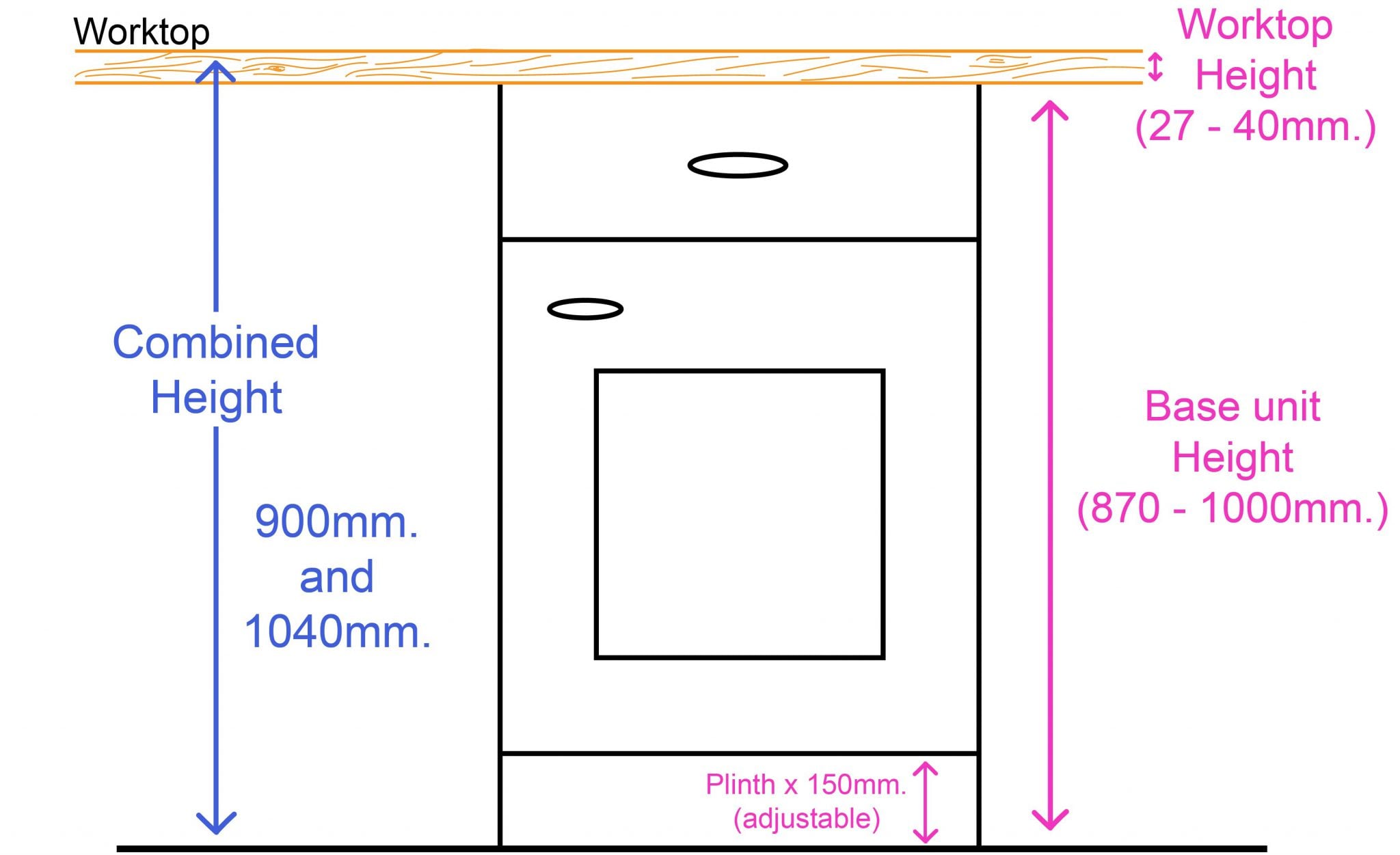
While 24 inches is standard, customization is possible. Some prefer a deeper counter for baking or prepping large meals. Others might opt for a slightly shallower depth to save space. Consider your lifestyle and kitchen activities when choosing the best depth.
Credit: houseofworktops.co.uk
Importance Of Counter Depth
The kitchen is the heart of the home. The counter depth plays a crucial role in its functionality. It affects how you move and work in the space. A standard kitchen counter depth ensures optimal use. It balances comfort and efficiency.
Choosing the right counter depth enhances kitchen usability. It impacts cooking, cleaning, and storage. A well-measured counter depth can prevent back strain. It provides enough space for appliances without overcrowding. Proper depth helps in organizing kitchen tasks smoothly. It is essential for maintaining a clutter-free zone.
Comfort And Accessibility
The right counter depth makes kitchen tasks easier. It allows easy access to appliances and utensils. You can reach items without bending awkwardly. This enhances comfort during cooking and cleaning. It is especially important for people with mobility issues.
Space Optimization
Standard counter depth maximizes kitchen space. It ensures enough room for movement. You can open cabinet doors and drawers easily. This prevents obstruction in busy kitchens. Proper depth makes the space feel open and welcoming.
Visual Appeal
A well-chosen counter depth adds to kitchen aesthetics. It creates a balanced look. It ensures the kitchen layout is harmonious. Proper depth complements the design elements. It adds to the overall beauty of the space.
Functional Efficiency
Standard depth supports efficient kitchen workflow. It provides ample space for food preparation. You can work without feeling cramped. It aids in organizing kitchen activities smoothly. This enhances the cooking experience significantly.
Measuring Counter Depth
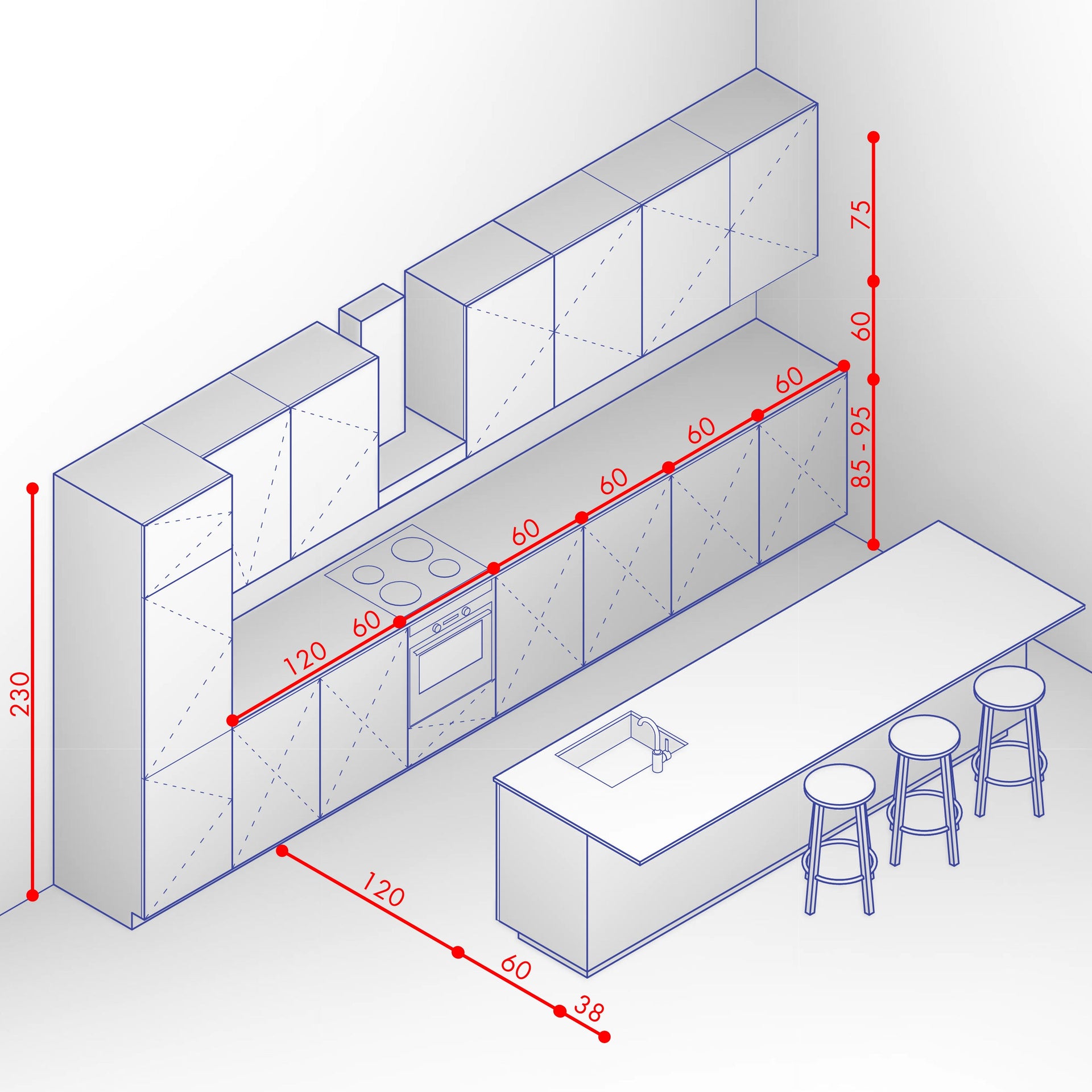
Standard kitchen counter depth typically measures 24 inches from the wall to the counter’s edge. This depth ensures enough workspace while maintaining a sleek and functional kitchen design. It’s essential for fitting appliances like dishwashers and stoves seamlessly under the counter.
Measuring the depth of your kitchen counter is essential for planning. Knowing the exact dimensions helps in selecting appliances. It also ensures a seamless fit in your kitchen space. This section will guide you through measuring counter depth accurately.
Tools Needed
- Tape measure
- Pencil and paper
- Level
- Calculator
Step-by-step Process
Start by ensuring the counter is clear of items. This gives you an accurate measurement. Use a tape measure to check the distance from the front edge to the wall. Hold the tape measure at the front and extend it towards the wall. Keep the tape measure level for accuracy.
Record the measurement on paper. Double-check your measurement to avoid errors. Use the level to make sure the counter is flat. If the counter is not level, adjust your measurements accordingly. The standard depth is typically between 24 and 25 inches.
Use a calculator to confirm your measurements. Accurate measurements help in planning for appliances and cabinetry. Follow these steps to ensure your kitchen counter fits perfectly in your space.
Factors Influencing Counter Depth
Standard kitchen counter depth is influenced by various factors. These include the kitchen layout, appliance integration, and user preferences. Each of these factors plays a crucial role. Understanding them helps in designing a functional kitchen space.
Kitchen Layout
The kitchen layout significantly impacts counter depth. In a small kitchen, space is limited. A deeper counter might restrict movement. In contrast, larger kitchens allow more flexibility. Here, deeper counters can be installed without crowding the space. The layout dictates how much depth can be added without compromising functionality.
Appliance Integration
Appliances also influence counter depth. Built-in appliances like ovens and dishwashers require specific counter dimensions. These appliances need adequate space to operate efficiently. Counter depth must accommodate these requirements. This ensures a seamless integration of appliances into the kitchen design.
User Preferences
User preferences play a vital role in determining counter depth. Some prefer more workspace for cooking and preparation. Others might prioritize aesthetics over functionality. Personal habits and cooking styles also affect preferences. It’s essential to balance these needs with practical space considerations.
Standard Counter Depth Vs. Custom Options
Choosing the right kitchen counter depth is crucial. It affects both functionality and aesthetics. Standard counter depths are the norm in most homes. Yet, custom options offer flexibility for unique spaces. Understanding the differences can help in making the right choice.
Standard Counter Depth
Standard kitchen counter depth is typically 24 inches. This size fits most appliances and cabinetry. It provides enough space for meal preparation. The standard depth is popular for its balance of utility and design. It’s the go-to choice for many homeowners.
Custom Counter Depth Options
Custom counter depths cater to specific needs. They can be deeper or shallower than the standard. Some kitchens require extra depth for large appliances. Others might need less depth for tighter spaces. Custom options offer personalized solutions.
Benefits Of Standard Counter Depth
The standard depth is cost-effective. It aligns with most kitchen layouts. Installation is often quicker due to its common size. It ensures a seamless look with standard cabinetry. This option suits those who prefer a straightforward choice.
Advantages Of Custom Counter Depth
Custom counters maximize kitchen space. They accommodate unique kitchen designs. This option is ideal for unconventional layouts. Custom depths can enhance both style and functionality. They provide a tailored kitchen experience.
Impact On Kitchen Design
Standard kitchen counter depth typically measures around 24 to 25 inches. This measurement impacts kitchen design, influencing space utilization and appliance placement. Optimal depth ensures functional workspaces and integrates seamlessly with cabinetry and kitchen layout.
The standard kitchen counter depth, typically around 24 to 25 inches, plays a crucial role in shaping the overall design and functionality of your kitchen. This dimension not only influences the aesthetics of your space but also affects how you interact with your kitchen daily. Understanding the impact of counter depth can help you make informed decisions when designing or renovating your kitchen.
Aesthetics
The depth of your kitchen counters significantly impacts the visual appeal of your kitchen. Standard counter depth ensures a seamless look, aligning perfectly with kitchen cabinetry and appliances. Imagine entering a kitchen where the counters jut out awkwardly; it disrupts the harmony and flow of the space. A well-designed kitchen with standard counter depth creates a balanced look that makes the kitchen feel open and inviting. If you’ve ever admired a friend’s kitchen, it’s likely because the counters fit neatly into the overall design, enhancing the aesthetic without overwhelming the room.
Functionality
Functionality is another vital aspect influenced by counter depth. Standard depth counters provide enough workspace for meal preparation, without causing strain or discomfort. Have you ever tried chopping vegetables on a too-narrow counter? It can turn a simple task into a challenging exercise. Consider how you use your kitchen daily. Do you enjoy cooking elaborate meals or prefer quick snacks? Standard counter depth accommodates various kitchen activities, offering ample space for cookware, utensils, and ingredients. It ensures you have room to maneuver, making your cooking experience efficient and enjoyable. Incorporating standard counter depth into your kitchen design can also enhance storage solutions. It allows for optimal cabinet placement, maximizing storage while maintaining ease of access to your kitchen essentials. Would you rather dig through cramped shelves or easily reach for your favorite saucepan? Ultimately, the standard kitchen counter depth balances aesthetics and functionality, ensuring your kitchen is both beautiful and practical. How does your kitchen’s counter depth affect your daily routine?
Choosing The Right Depth For Your Kitchen
Choosing the right depth for your kitchen counters is essential. It can affect your kitchen’s functionality and aesthetics. The standard depth for kitchen counters is typically 24 inches. This depth accommodates most appliances and provides ample workspace. Consider your kitchen’s unique needs before settling on this standard measurement. Below are some factors to help you decide the ideal counter depth for your kitchen.
Space Considerations
Space is crucial in determining counter depth. Measure your kitchen area carefully. Ensure there’s enough room for movement and opening appliances. Smaller kitchens might benefit from narrower counters. Larger kitchens may accommodate deeper counters for more workspace. Think about the flow of the kitchen and how you move around.
Lifestyle Needs
Your lifestyle plays a big role in choosing counter depth. If you cook often, deeper counters provide more space for prep work. Families may need space for multiple cooks or extra storage. Consider how you use your kitchen daily. A depth that suits your lifestyle will make cooking more enjoyable.
Credit: www.kitchenaid.com
Common Mistakes To Avoid
Mistaking the standard kitchen counter depth can lead to design issues. Typically, the standard depth is 24 inches. Ensure accurate measurement for functional space.
Understanding the standard kitchen counter depth is crucial for creating an efficient and aesthetically pleasing kitchen space. Yet, many homeowners make common mistakes that can lead to unnecessary complications. Let’s dive into these pitfalls and learn how to avoid them, ensuring your kitchen is both functional and stylish.
Ignoring Your Kitchen Layout
One of the biggest mistakes is not considering how your counter depth fits into your overall kitchen layout. A deeper counter might seem appealing, but if it disrupts the flow of your kitchen, it can create more problems than it solves. Make sure your counter depth complements your kitchen’s design and doesn’t obstruct pathways.
Overlooking Appliance Size
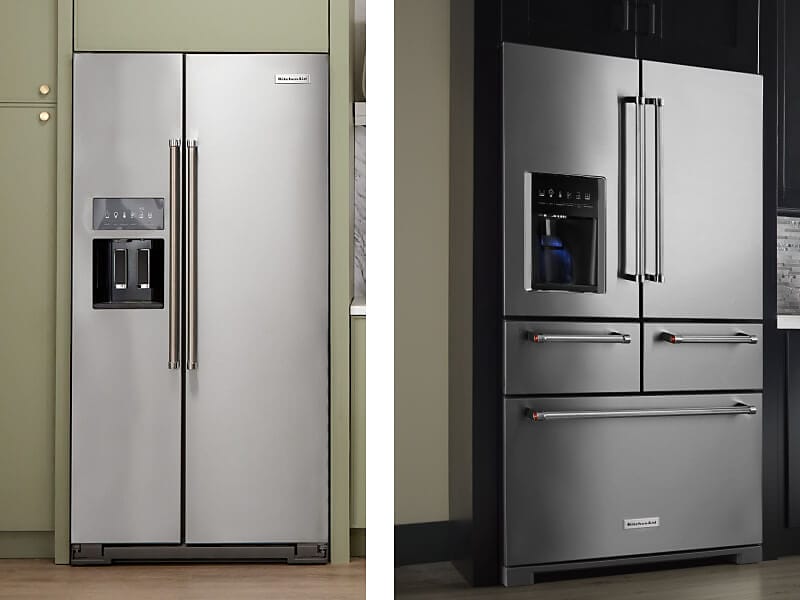
Appliances like refrigerators and ovens need to be accounted for when deciding on counter depth. Mismatched depths can lead to gaps or awkward overhangs that are both unsightly and impractical. Always measure your appliances and ensure your counters align with them seamlessly.
Disregarding Ergonomics
Comfort should never be sacrificed for style. Counters that are too deep can strain your back as you reach for items. Consider how you use your kitchen daily. Opt for a depth that allows easy access without compromising your comfort.
Forgetting About Future Needs
Sometimes, people focus only on their current needs and forget about future requirements. If you plan to upgrade appliances or change your kitchen’s design, your counter depth should accommodate those plans. Think ahead and ensure your counter depth is versatile enough to adapt to future changes.
Neglecting Personal Preferences
While standard depths are a guideline, your personal preference matters. Some might prefer a little extra space to accommodate large cooking projects. Assess what works best for you and your cooking habits. After all, it’s your kitchen, and it should suit your style and needs.
Expert Tips For Optimal Counter Depth
Standard kitchen counter depth typically measures 24 inches from the wall to the edge. This depth allows ample space for various kitchen tasks and appliances. Ensuring optimal counter depth enhances functionality and provides a balanced aesthetic in your kitchen space.
When considering a kitchen renovation or build, the depth of your counters plays a crucial role in both functionality and aesthetics. The standard kitchen counter depth is typically around 24 inches, but this measurement isn’t set in stone. Choosing the optimal counter depth involves evaluating your cooking habits, the space available, and even your height. Let’s dive into some expert tips to help you determine the best counter depth for your kitchen.
Understand Your Cooking Needs
Consider how you use your kitchen daily. If you’re someone who frequently hosts large gatherings and needs ample space for meal prep, you might benefit from a deeper counter. On the other hand, if your kitchen tasks are minimal, sticking to the standard depth could save valuable space.
Assess Your Kitchen Layout
The layout of your kitchen dictates how much depth you can afford. In a galley kitchen, for example, every inch counts. Ensure that your counter depth allows for comfortable movement around the kitchen without compromising on workspace.
Factor In Appliance Size
Your kitchen appliances can greatly influence counter depth. If you have large appliances like an oversized refrigerator, deeper counters might be necessary to maintain a seamless look. Measure your appliances first to see how they fit with the standard depth.
Consider Ergonomics
The height and depth of your counters should complement your stature. Taller individuals might find deeper counters more comfortable, reducing the need to lean forward. Conversely, if you’re shorter, standard depth might be more ergonomic, allowing easier access to items at the back of the counter.
Utilize Visual Tricks
If space is limited but you crave the look of deep counters, use visual tricks. Opt for lighter colors and reflective surfaces to create an illusion of depth. This can make even the most compact counters feel expansive and inviting.
Consult With A Professional
Sometimes, expert advice can illuminate options you hadn’t considered. A kitchen designer can offer insights based on your specific space and needs. They might suggest custom solutions that maximize efficiency and style, ensuring your kitchen is both beautiful and functional. Choosing the right counter depth can significantly enhance your kitchen experience. By focusing on your needs and space constraints, you can create a kitchen that not only looks great but also works seamlessly for your lifestyle.

Credit: dkorinteriors.com
Frequently Asked Questions
What Is The Most Popular Kitchen Countertop Right Now?
Quartz is currently the most popular kitchen countertop material. It offers durability, easy maintenance, and a wide range of colors. Homeowners appreciate its non-porous surface, which resists stains and bacteria. Quartz countertops also provide a stylish and modern look, making them a top choice for kitchen renovations.
What Are Common Countertop Depth Mistakes?
Incorrect measurements lead to countertop depth errors. Overlooking appliance sizes or not accounting for cabinet overhangs are common mistakes. Ensure accurate measurements and consider all kitchen elements for proper fit. Misjudging depth can affect functionality and aesthetics, causing space issues or misalignment with kitchen features.
What Countertop Depth Is Best For Small Kitchens?
A countertop depth of 24 inches is ideal for small kitchens. It maximizes space and functionality. This depth provides enough room for appliances and meal preparation, while keeping the kitchen comfortable and efficient. Choose materials that enhance durability and style, ensuring a practical and aesthetically pleasing kitchen.
Why Are Kitchen Counters 36 Inches?
Kitchen counters are 36 inches high for ergonomic comfort. This height suits most adults, reducing strain during meal preparation.
Conclusion
Understanding standard kitchen counter depth is crucial for planning spaces. It helps organize kitchen essentials efficiently. Most countertops measure 24 to 25 inches deep. This depth balances storage and accessibility. Choosing the right counter depth improves kitchen functionality. It supports smooth cooking and easy cleaning.
Also, it ensures appliance compatibility. Make sure to measure your space accurately. Consider your specific needs and kitchen layout. A well-chosen counter depth enhances your kitchen experience. It creates a comfortable and practical cooking environment. Always prioritize comfort and convenience in your kitchen design.
Happy cooking!