What is True About Chemicals And Sanitizers: Kitchen Safety
When you step into your kitchen, you might not think about the hidden world of chemicals and sanitizers at play. Yet, these unseen warriors are crucial in keeping your cooking space safe and hygienic.
But what exactly do you know about them? Are all sanitizers safe for your food preparation surfaces? How do the chemicals interact with the items you use daily? These questions might have crossed your mind, but finding clear and straightforward answers can feel overwhelming.
Imagine the peace of mind that comes with knowing your kitchen is not only clean but also free from harmful residues. By understanding the true nature of chemicals and sanitizers, you empower yourself to make informed decisions for your home and health. We’ll unravel the myths and reveal the truths about these essential kitchen components. Get ready to discover how you can maintain a spotless kitchen while ensuring the safety of your loved ones. Let’s dive in and explore how you can master the art of kitchen hygiene without compromising on safety!
Chemical Basics
Understanding the basics of chemicals and sanitizers in your kitchen is crucial for maintaining a safe and healthy environment. Whether it’s keeping your countertops germ-free or ensuring your cooking utensils are spotless, chemicals play a vital role. But do you know what these chemicals are and how they work?
Common Kitchen Chemicals
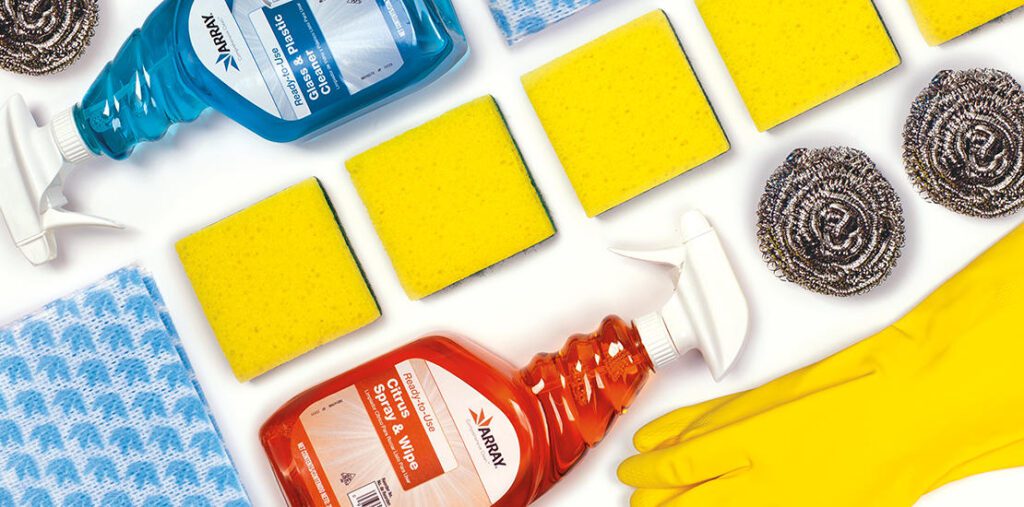
In your kitchen, some of the most common chemicals include bleach, ammonia, and dishwashing detergents. Bleach is a powerful disinfectant used to kill bacteria and viruses. Ammonia, on the other hand, is excellent for cutting through grease and leaving your surfaces sparkling clean.
Dishwashing detergents are specially formulated to remove food residue from your dishes and utensils. They contain surfactants that help lift away grime, ensuring your cookware is safe for the next meal. These chemicals are essential tools in your cleaning arsenal, but knowing their properties and uses is equally important.
Properties And Uses
Bleach is highly effective but must be used with caution due to its corrosive nature. It’s perfect for sanitizing cutting boards and sinks, but always follow the instructions on the label to avoid damage. Ammonia, known for its pungent smell, should never be mixed with bleach as it can create toxic fumes.
Dishwashing detergents are generally safe and user-friendly. They often include enzymes that break down proteins and starches, making them ideal for washing dishes and glasses. Consider the specific needs of your kitchen and choose chemicals that match those requirements.
Have you ever wondered if you’re using the right chemical for the right job? Assess your cleaning routine and ensure you’re maximizing the potential of these powerful kitchen allies. Proper understanding and usage can make a significant difference in maintaining a hygienic kitchen environment.
Credit: cogenthygiene.com
Understanding Sanitizers
Understanding sanitizers is crucial for maintaining a clean and safe kitchen environment. Whether you’re wiping down countertops or cleaning up spills, the right sanitizer can make all the difference in preventing the spread of germs. But with so many options available, how do you choose the right one for your kitchen?
Types Of Sanitizers
Sanitizers are designed to kill bacteria and viruses, but not all are created equal. The most common types include chlorine-based, alcohol-based, and quaternary ammonium compounds. Each has its strengths and ideal use cases.
- Chlorine-based sanitizers:These are often used in commercial kitchens due to their quick action and effectiveness against a wide range of pathogens.
- Alcohol-based sanitizers:Perfect for quick clean-ups and hand sanitizing, they evaporate fast, leaving surfaces dry.
- Quaternary ammonium compounds:Known for their residual effect, these are great for ongoing protection but require proper dilution.
Choosing the right type of sanitizer depends on your specific needs and the surfaces you’re dealing with. Are you sanitizing porous surfaces or stainless steel? Each material may respond differently to these chemicals.
Effectiveness In Kitchens
Sanitizers are your frontline defense against kitchen germs. However, their effectiveness can vary based on how they’re used and the surfaces they’re applied to. It’s essential to follow the manufacturer’s instructions for dilution and contact time. Even the most potent sanitizer won’t work if it’s not given enough time to do its job.
Consider how frequently you sanitize your kitchen. A regular schedule can significantly reduce the risk of contamination. For instance, wiping down surfaces after preparing raw meat can prevent cross-contamination.
Are you aware of the common misconceptions around kitchen sanitizers? Many people believe that more is better, but using excessive amounts can lead to residue build-up, which can be harmful over time.
Taking the time to understand these aspects of sanitizers can drastically improve your kitchen hygiene. Are you confident that your current sanitizing practices are protecting your family effectively?
Health And Safety Concerns
In the kitchen, chemicals and sanitizers play a vital role. They ensure cleanliness and prevent contamination. Yet, their use raises health and safety concerns. Understanding these concerns can help maintain a safe kitchen environment.
Potential Hazards
Chemicals and sanitizers can pose several risks. Improper use may lead to skin irritations. Inhalation of fumes can cause respiratory issues. Certain chemicals can be toxic if ingested. These hazards highlight the importance of cautious handling.
Safe Handling Practices
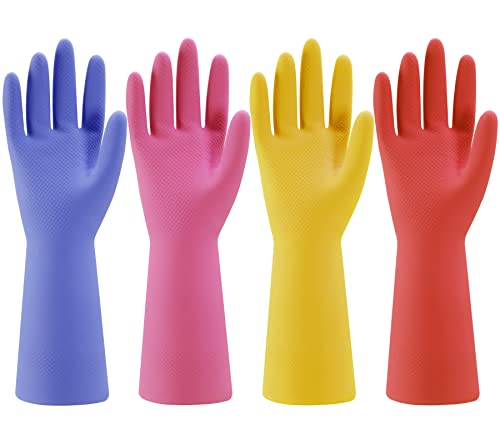
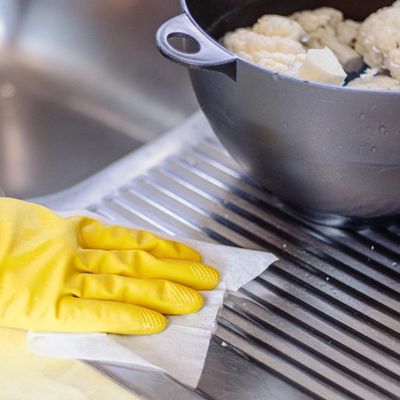
Always read labels before using any chemical or sanitizer. Use protective gloves to avoid skin contact. Ensure good ventilation to reduce inhalation risks. Store chemicals away from food and out of children’s reach. Mixing different chemicals can be dangerous. Use each product for its intended purpose only.

Credit: cogenthygiene.com
Proper Storage Techniques
Proper storage of chemicals and sanitizers in the kitchen is essential for safety. Store them in cool, dry places away from food. Label containers clearly to prevent accidents and ensure easy access when needed.
Storing chemicals and sanitizers properly in your kitchen is essential for safety and efficiency. It prevents accidents and contamination, ensuring a clean environment for preparing your meals. Imagine reaching for a cleaning product and finding it spilled all over your ingredients. Proper storage can prevent these mishaps and maintain peace in your kitchen.Preventing Chemical Reactions
To avoid harmful chemical reactions, store each product in its original container. Mix-ups can lead to dangerous fumes or ineffective cleaning. Think about how mixing vinegar and bleach could create toxic chlorine gas. Keep products with different chemical properties apart to prevent accidental combinations.Labeling And Segregation
Labeling is crucial. Clearly marked bottles save time and reduce the risk of misuse. Use large, visible labels with the name of the chemical and its purpose. Segregate chemicals based on their use: cleaning supplies in one area, sanitizers in another. This organization makes it easier to grab what you need in a hurry. Have you ever grabbed a sanitizer when you needed a cleaner? Keeping these items separate can save you from such confusion. Consider using shelves or cabinets to separate and organize your chemicals, making sure each category is easy to access and identify. By adopting these storage techniques, you protect your kitchen from chaos and ensure a safe environment for preparing meals.Environmental Impact
The environmental impact of the chemicals and sanitizers we use in our kitchens is a significant concern. Every time you clean your countertops or sanitize your utensils, you might be contributing to pollution. This pollution can affect water systems, air quality, and even wildlife. It’s crucial to understand the choices you make in your kitchen can have far-reaching effects on the environment.
Biodegradable Options
Choosing biodegradable options for cleaning can significantly reduce your environmental footprint. Biodegradable products break down naturally, minimizing their impact on ecosystems. Look for labels that specify biodegradable ingredients. Brands are increasingly offering eco-friendly alternatives that clean effectively without harmful residues.
Have you ever considered how your cleaning habits can contribute to a healthier planet? By opting for biodegradable sanitizers, you can help preserve the natural world for future generations. This simple switch can be your contribution to reducing pollution.
Reducing Chemical Waste
Reducing chemical waste in your kitchen is easier than you might think. Start by using fewer products and focus on those that serve multiple purposes. This not only decreases waste but also saves money. Diluting your existing products with water can also extend their life and lessen their environmental impact.
Engage in practices like reusing cleaning cloths instead of disposables. This small change can drastically cut down the waste produced by your cleaning routine. Have you ever thought about how much waste a single-use cleaning cloth generates? By reusing, you lessen your contribution to landfills.
So, next time you reach for a cleaner, consider its environmental implications. Are there better, greener options available? Making informed choices can lead to a cleaner kitchen and a healthier planet. Every decision counts in the journey towards sustainability.
Choosing The Right Products
Choosing the right products for cleaning the kitchen is essential. It ensures safety and hygiene while cooking and preparing meals. The key is to understand what chemicals and sanitizers are suitable for your kitchen needs. This involves careful evaluation and consideration of product labels and options. Selecting eco-friendly alternatives can also contribute to a safer and more sustainable kitchen environment.
Evaluating Product Labels
Reading labels can be confusing. Look for clear information about ingredients. Avoid products with harsh chemicals. Choose those with natural or less harmful substances. Check for certification seals. They indicate safety standards and quality assurance. Understand the purpose of each product. Some are for general cleaning, others for sanitizing.
Eco-friendly Alternatives
Eco-friendly products are a great choice. They are safe for the environment and health. Look for biodegradable options. These break down naturally without harming nature. Consider products with recyclable packaging. This reduces waste and supports sustainability. Plant-based cleaners are gentle yet effective. They clean without leaving toxic residue. Making eco-friendly choices benefits everyone.
Regulations And Standards
Chemicals and sanitizers in the kitchen must meet strict regulations to ensure safety. Proper standards help maintain cleanliness and prevent contamination.
Understanding the regulations and standards for chemicals and sanitizers in the kitchen is crucial. These rules ensure safety and hygiene in food preparation areas. Adhering to them protects both consumers and workers.Government Guidelines
Government agencies set strict rules for chemical use in kitchens. The Food and Drug Administration (FDA) outlines what is safe for cleaning. The Environmental Protection Agency (EPA) regulates sanitizer effectiveness. These guidelines ensure chemicals are safe and do not harm health.Industry Best Practices
Industries develop best practices for using chemicals safely. These practices often exceed government rules. Proper training on chemical handling is vital. Businesses emphasize correct storage and labeling. This ensures workers use the right product in the right way. Regular audits help maintain high safety standards.Practical Tips For Kitchen Safety
Ensuring kitchen safety involves understanding the role of chemicals and sanitizers. These substances help maintain a clean, hygienic environment. Proper use prevents contamination and promotes health. Let’s explore some practical tips for maintaining safety in your kitchen.
Daily Cleaning Routines
Develop a consistent daily cleaning routine to keep your kitchen safe. Use appropriate sanitizers for different surfaces. For counters and cutting boards, opt for food-safe disinfectants. Wash utensils and dishes with hot water and detergent. Pay special attention to areas prone to bacteria, like the sink and faucet. Regularly clean these spots to prevent germ buildup. Always store cleaning chemicals in a designated area. Keep them away from food and cooking zones.
Emergency Procedures
Prepare for chemical spills or mishaps with clear emergency procedures. Keep a first aid kit accessible. This should include eye wash solutions and bandages. Know the location of the nearest fire extinguisher. Post emergency contact numbers in a visible spot. In case of a spill, ventilate the area immediately. Open windows and use fans to disperse fumes. Wear gloves and protective gear when handling chemicals. Proper safety measures can mitigate risks in the kitchen.

Credit: cogenthygiene.com
Frequently Asked Questions
Are Kitchen Sanitizers Safe To Use Daily?
Kitchen sanitizers are generally safe for daily use when used as directed. Follow manufacturer guidelines for proper application. Frequent use helps maintain a clean environment. Overuse can be harmful, so balance is key. Always ensure proper ventilation when using chemical sanitizers.
What Chemicals Are Common In Kitchen Sanitizers?
Common chemicals in kitchen sanitizers include bleach, hydrogen peroxide, and quaternary ammonium compounds. These are effective at killing bacteria and viruses. Always follow safety instructions when handling these chemicals. Proper usage ensures a sanitary kitchen environment, minimizing health risks.
Can Chemicals Contaminate Kitchen Food?
Chemicals can contaminate food if not used properly. Ensure sanitizers are food-safe and follow usage instructions. Avoid direct contact between chemicals and food items. Proper rinsing and ventilation can reduce contamination risks. Always prioritize food safety in your kitchen practices.
How To Store Kitchen Sanitizers Safely?
Store kitchen sanitizers in a cool, dry place away from food. Ensure they are out of reach of children and pets. Keep containers tightly sealed to prevent leaks. Follow storage instructions on the label for maximum safety. Proper storage maintains effectiveness and safety.
Conclusion
Understanding chemicals and sanitizers in the kitchen is crucial. Safety starts with knowledge. Choose products wisely for a clean space. Simple steps ensure health. Read labels and follow instructions. Practice safe storage for all chemicals. Keep sanitizers out of reach from children.
Proper usage protects your family. A clean kitchen prevents illness. Always prioritize safety and hygiene. Stay informed for a healthier home. Making smart choices leads to better food safety. Protect your loved ones with good habits. Your kitchen is a place for nourishment, not risk.
Keep it clean, keep it safe.