Where to Store Bread in Kitchen: Maximize Freshness
Have you ever reached for a slice of bread only to find it stale or moldy? It’s frustrating, isn’t it?
Knowing exactly where to store bread in your kitchen can make a world of difference in maintaining its freshness and flavor. Imagine the satisfaction of biting into a perfectly soft slice, every time. This isn’t just about convenience; it’s about preserving the taste and texture that make bread such a staple in your home.
You might be unknowingly placing it in spots that speed up its decline. But don’t worry, this article will guide you through the best storage practices, ensuring your bread stays fresh and delicious for as long as possible. Get ready to transform how you store this everyday essential and elevate your kitchen game.
Optimal Kitchen Locations
Bread should be stored in a cool, dry place. Keep it in a bread box or pantry shelf. Avoid the fridge to prevent dryness.
In the quest for fresh, delicious bread, storage location matters. Bread kept in the right spot stays tasty longer. Let’s explore the best places in your kitchen.Countertop Storage
Storing bread on the countertop can be convenient. It allows easy access when needed. Use a breadbox to keep it fresh. Breadboxes maintain a stable environment. They keep moisture out and prevent staleness. Choose a spot away from direct sunlight. Heat and light can spoil bread faster.Pantry Placement
The pantry is a great place for storing bread. It’s dark and cool, which is perfect. Use a breathable container to prevent mold. You can use paper or cloth bags. These allow airflow while protecting the bread. Place bread on a designated shelf. Keep it away from fruits that emit gases. This helps maintain its freshness.Refrigerator Considerations
Refrigerators are useful but not ideal for bread. Cold temperatures dry bread out quickly. If necessary, store bread in a sealed container. This reduces moisture loss. Consider this option for long-term storage. Fresh bread is best enjoyed sooner. Use refrigeration only when needed.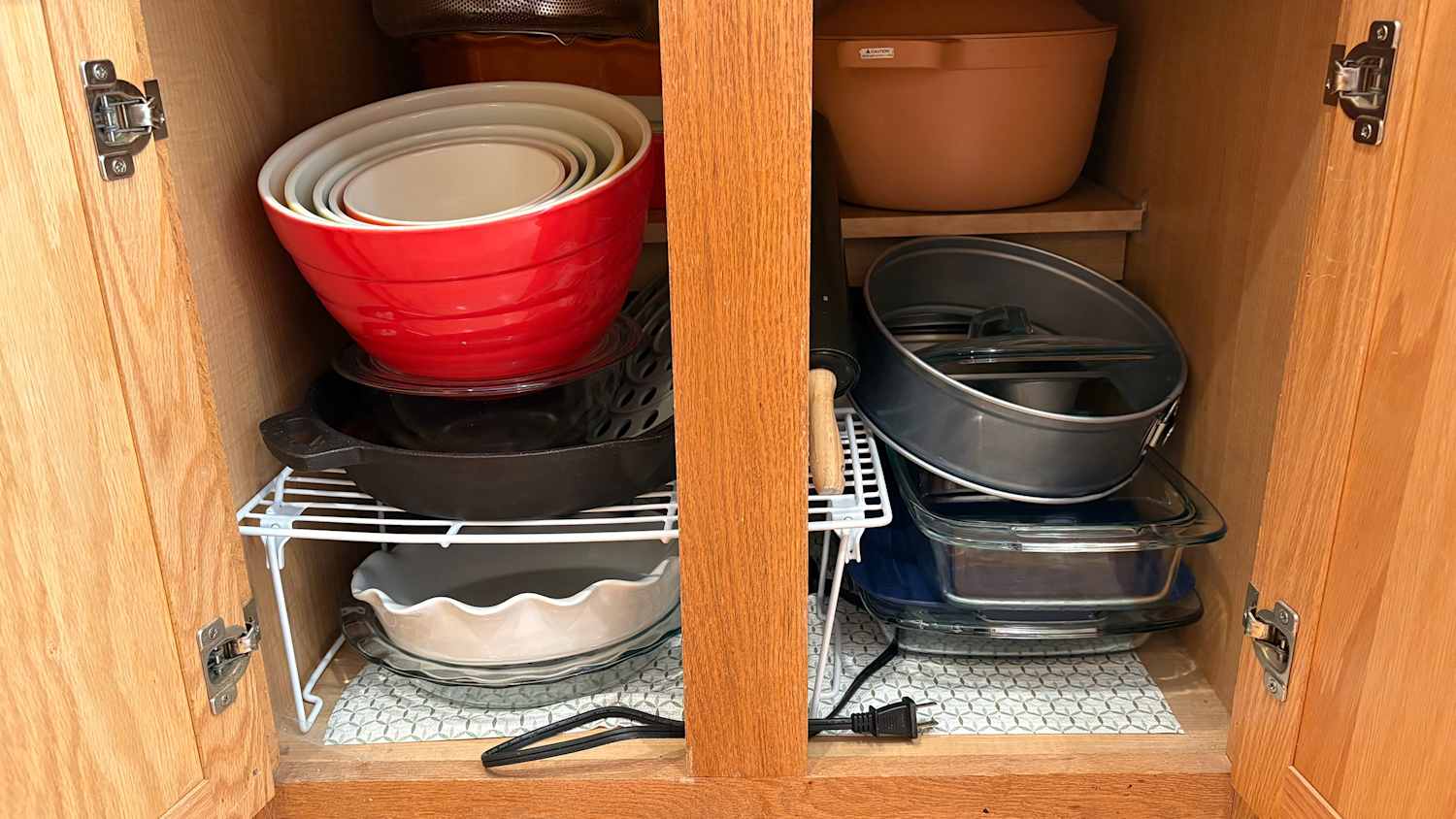
Credit: www.apartmenttherapy.com
Containers And Wrapping
Storing bread properly keeps it fresh and tasty for longer. Choosing the right container or wrapping method is crucial. Let’s explore some options for storing bread effectively.
Bread Boxes
Bread boxes offer a classic storage solution. They provide a dark, cool environment. This helps maintain moisture balance. Bread stays fresher without drying out. Look for boxes with small ventilation holes. These holes allow air circulation, preventing mold.
Plastic And Paper Bags
Plastic bags trap moisture, keeping bread soft. But, too much moisture causes mold. Use them for short-term storage. Paper bags allow bread to breathe. They prevent sogginess and mold. Bread stays crusty and fresh. Combine both for balanced storage.
Cloth Bags And Towels
Cloth bags offer a breathable option. They keep bread at room temperature. This maintains freshness and texture. Towels wrap bread snugly. They reduce exposure to air. Bread remains soft and delicious. Choose cotton or linen materials. These are best for absorbing excess moisture.
Environmental Factors
Store bread in a cool, dry place like a pantry or bread box. Avoid direct sunlight and humid areas. This helps keep the bread fresh longer.
In every kitchen, bread storage depends on environmental factors. These factors include temperature, humidity, and light. Understanding these can help keep bread fresh and tasty.Temperature Impact
Bread thrives in a cool environment. Warm temperatures speed up mold growth. A bread box or pantry can offer stable temperatures. Avoid placing bread near ovens or stoves. Heat makes bread stale quickly.Humidity And Moisture
Humidity affects bread’s texture. Too much moisture makes it soggy. Low humidity causes it to dry out. Use a container with some ventilation. This balances moisture levels. In humid areas, consider a dehumidifier. It helps maintain an ideal environment.Light Exposure
Light can damage bread’s quality. Direct sunlight dries it out. A dark, cool place is ideal for storage. A pantry or cupboard is often best. It keeps the bread from harsh light. This helps maintain its freshness longer.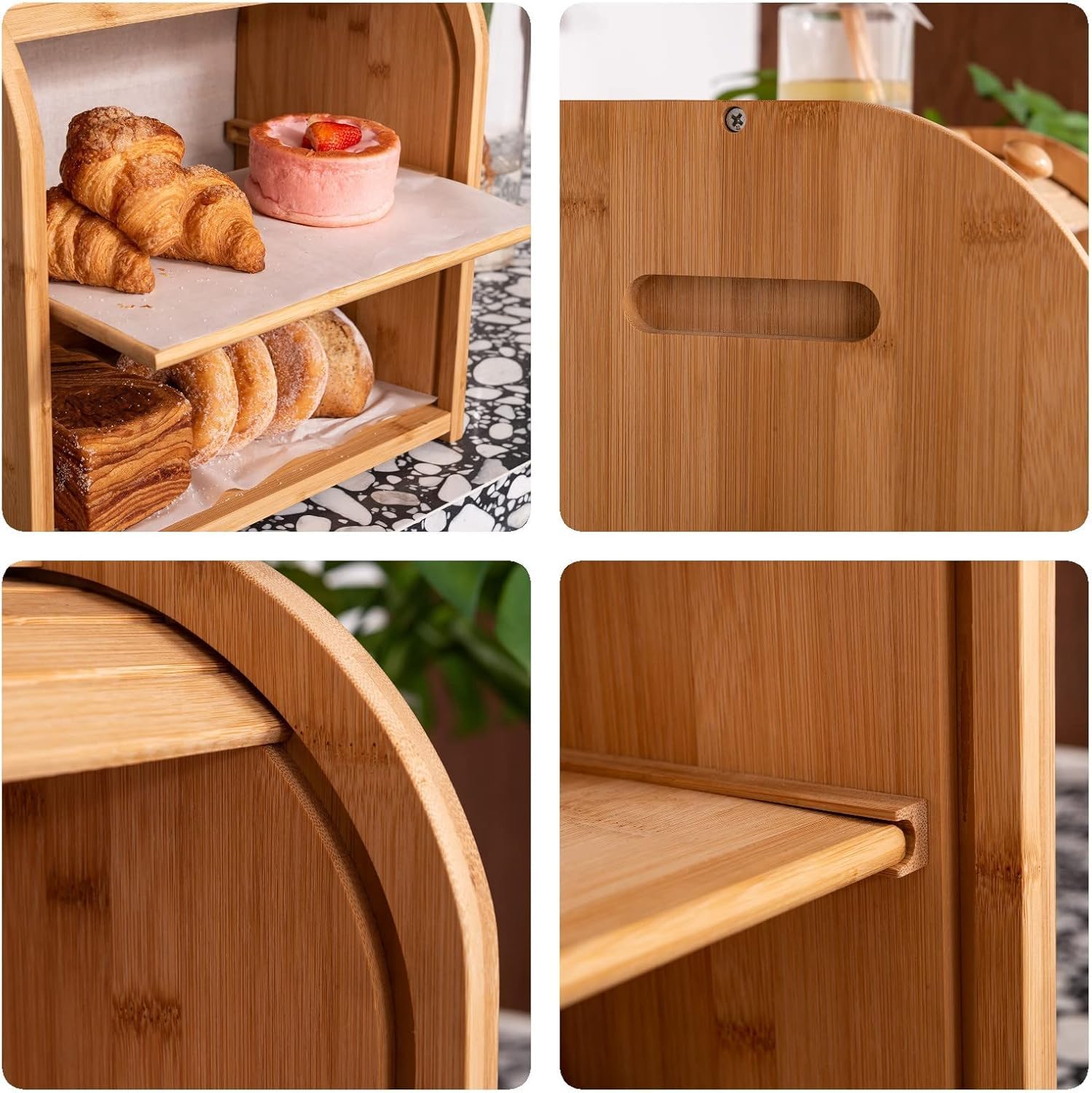
Credit: www.familyschool.es
Freezing Bread
Storing bread properly is key to maintaining its freshness. The freezer is the ideal place to store bread in the kitchen for long-term use. This method helps prevent spoilage and keeps your bread tasting delicious.
Storing bread in the freezer is an excellent way to extend its shelf life while maintaining its freshness. Whether you bake your own loaves or buy them from the store, freezing bread can be a lifesaver in preventing waste and ensuring you always have some on hand. With the right preparation and defrosting techniques, your bread can be just as delicious as the day it was frozen. Let’s dive into how you can effectively freeze bread without compromising its quality.Preparation For Freezing
Before you place your bread in the freezer, take a moment to consider its packaging. Wrapping your loaf in plastic wrap or aluminum foil can help protect it from freezer burn. If you’re freezing slices, place a sheet of wax paper between each piece. This allows you to remove just what you need without defrosting the entire loaf. Make sure to label your bread with the date it was frozen. This way, you can keep track of its freshness and avoid any surprises when it’s time to enjoy it.Best Practices For Defrosting
When it’s time to defrost your bread, patience is key. Taking your loaf out of the freezer and letting it thaw at room temperature is the simplest method. For quicker results, you can pop slices directly into the toaster. This not only defrosts but also gives them a crispy edge. Ever tried reheating bread in the oven? A few minutes at a low temperature can refresh your loaf, making it taste like it’s fresh from the bakery. Have you ever wondered if defrosting techniques affect the taste? Experimenting with different methods might surprise you with the results!Signs Of Spoilage
Proper storage can prevent bread from spoiling. Keep it in a cool, dry place, like a pantry. Avoid storing bread in the fridge as it may dry out and spoil faster.
Storing bread properly keeps it fresh and safe to eat. But bread can spoil if not stored correctly. Knowing the signs of spoilage helps you avoid eating bad bread.Mold And Odors
Mold is a clear sign of spoilage. It appears as green, white, or black spots on bread. Mold grows quickly in warm, moist places. If you see mold, discard the bread immediately. Spoiled bread also gives off a sour or musty smell. If your bread smells off, it is no longer fresh.Texture Changes
Fresh bread feels soft and springy. Spoiled bread becomes hard and dry. Sometimes, it can also feel sticky or wet. A change in texture means the bread is no longer good to eat. Check the texture before using bread to ensure freshness.Tips For Prolonging Freshness
Keeping bread fresh in your kitchen can be a challenge. Freshness depends on how you store it. With some easy tips, your bread can stay fresh longer. Let’s explore simple ways to keep bread at its best.
Slicing As Needed
Slice bread only when you are ready to eat it. Cutting bread exposes more surface to air. Air makes bread stale faster. Leaving it whole keeps it fresh longer. A sharp knife makes slicing easier. It also keeps the texture intact.
Storing Different Types Of Bread
Different breads need different storage methods. For crusty bread, a paper bag works best. It allows some air circulation. It keeps the crust crispy. Soft bread needs airtight containers. Plastic bags or airtight boxes prevent moisture loss. Moisture keeps bread soft and chewy.
Freezing is great for long-term storage. It keeps bread fresh for weeks. Make sure to wrap it tightly. Use foil or freezer bags. This prevents freezer burn. Bread should be thawed slowly. Leave it at room temperature for best results.
- Whole grain breads stay fresh longer.
- Store in a cool, dry place.
- Avoid direct sunlight.

Credit: hawkinswoodshop.com
Frequently Asked Questions
Is It Okay To Keep Bread In A Drawer?
Yes, you can store bread in a drawer. Use a bread box or airtight container to prevent mold. Keep it cool and dry, away from direct sunlight. Avoid storing with strong-smelling foods to maintain freshness. Check regularly to ensure it stays fresh and mold-free.
Where To Store Bread In The Kitchen Overnight?
Store bread overnight in a cool, dry place, like a bread box or pantry. Avoid the refrigerator, as it dries bread out. Wrap it in a clean cloth or paper bag to maintain freshness. Ensure it’s away from direct sunlight and heat sources to preserve its texture and taste.
Is It Better To Keep Bread In The Fridge Or Counter?
Keep bread on the counter for freshness. Refrigeration makes it stale faster. Store in a cool, dry place.
Where Is The Best Place To Store Bread In The Kitchen?
Store bread in a cool, dry place like a pantry or bread box. Keep it away from direct sunlight and moisture. Use a breathable container to prevent mold and retain freshness. Avoid the refrigerator as it can make bread dry and stale quickly.
Conclusion
Finding the best spot for bread keeps it fresh longer. Choose a cool place. Avoid sunlight and heat. Use a bread box for perfect storage. It keeps moisture balanced. Clean it often to prevent mold. Store different types separately. Plastic bags help seal freshness.
But avoid tight seals with fresh bread. Paper bags work too for crusty loaves. Refrigeration is not ideal for bread. It dries out fast there. Freezing bread keeps it fresh for months. Wrap it tightly before freezing. Enjoy fresher bread with these simple tips.
Your kitchen can be a bread haven.