How High are Kitchen Counters: Optimal Measurements Explained
Have you ever paused in the middle of your kitchen, wondering why your counters feel just a tad too high or a bit too low? You’re not alone.
The height of kitchen counters isn’t just about aesthetics; it can affect how you cook, how your kitchen feels, and even your comfort and health. Imagine chopping vegetables without straining your back or reaching for that top shelf without a step stool.
Sounds ideal, right? Understanding the standard height of kitchen counters can transform your culinary experience and make your kitchen a more inviting space. Stick with us to uncover the details that could revolutionize your daily kitchen routine.

Credit: www.reddit.com
Standard Kitchen Counter Height
Kitchen counters are a crucial element of any kitchen design. Understanding the standard height is essential for comfort and functionality. The typical height accommodates most users, providing ease of access and efficient workspace. This standardization ensures uniformity across kitchen designs.
Standard Height Dimensions
The standard kitchen counter height is approximately 36 inches from the floor. This measurement suits most adults comfortably. It allows for easy food preparation and cooking tasks.
Why 36 Inches?
The 36-inch height is chosen for ergonomic reasons. It reduces strain on the back during extended kitchen activities. This height is optimal for tasks requiring standing for long periods.
Adjustments For Different Needs
Some people may require adjustments to the standard height. Taller individuals might prefer counters slightly higher. This customization enhances comfort and usability.
Considerations For Custom Counters
Custom counters can be tailored to specific needs. Adjustments may be needed for accessibility or personal preference. Customization allows for a more personalized kitchen experience.
Impact On Kitchen Design
The height of kitchen counters affects the overall design. It influences cabinet placement and appliance installation. Designers must consider height in the planning stage.

Credit: www.reddit.com
Factors Influencing Counter Height
Choosing the right height for kitchen counters involves several considerations. Each factor plays a role in ensuring comfort and efficiency. Understanding these can help create a functional kitchen space.
User Height And Ergonomics
Counter height should match the user’s height for comfort. Taller individuals may need higher counters. This prevents bending and promotes good posture. Ergonomics in the kitchen enhances cooking ease and safety. Proper height reduces strain on back and shoulders.
Kitchen Functionality
Different kitchen tasks require varied counter heights. Preparing food might need one height. Baking might need another. Consider tasks performed most often. This ensures efficiency and ease of movement. A well-planned kitchen boosts productivity.
Appliance Integration
Built-in appliances affect counter height choices. Dishwashers and ovens need specific counter heights. Ensure seamless integration for a cohesive look. Proper alignment also prevents installation issues. Consider appliance dimensions in the planning stage.
Customizing Counter Heights
Customizing kitchen counter heights can significantly enhance functionality and comfort. Not every kitchen user is the same height, and standard counters may not suit everyone. Tailoring counter heights can make your kitchen more adaptable and inclusive.
Adjustable Solutions
Adjustable counters offer flexibility for diverse needs. They allow users to modify the height according to their preference. This is ideal for households with different users. Adjustable mechanisms can be manual or electric. They ensure ease of use and cater to varied tasks in the kitchen.
Designing For Accessibility
Accessible design focuses on usability for all. For individuals with mobility challenges, customized counters are essential. They should be at a height that accommodates wheelchair users. Consider open spaces beneath the counters for legroom. This design enhances comfort and independence in the kitchen.
Trends In Counter Height Designs
Kitchen counter heights have evolved significantly over the years. Modern kitchens are embracing new trends to fit diverse needs. Today’s designs focus on both style and functionality. The height of a counter can change the entire kitchen experience. Let’s explore some trends in counter height designs.
Modern Kitchen Designs
Modern kitchens often favor sleek and minimalist looks. The standard counter height is about 36 inches. This height suits most cooking and prep tasks. Many modern designs use this standard height for a seamless appearance. The smooth lines create a clean and open feel in the kitchen.
Some designs feature taller counters. These can range from 38 to 42 inches. Taller counters provide a more comfortable space for taller individuals. They also serve as a casual dining area. Modern designs balance aesthetics with practical use, fitting various lifestyles.
Incorporating Multi-level Counters
Multi-level counters are gaining popularity in contemporary homes. These designs offer varied heights for different functions. A lower counter section can be ideal for baking tasks. A higher section might serve as a breakfast bar. This flexibility accommodates diverse kitchen activities.
Multi-level counters also enhance the kitchen’s visual appeal. They create distinct zones within the space. This helps organize the kitchen effectively. Different levels can make small kitchens feel larger. They provide specific areas for cooking, eating, and gathering.
Incorporating multi-level counters requires careful planning. It’s important to consider the kitchen’s layout and user needs. This design trend caters to both style and efficiency. It allows homeowners to customize their space to suit their lifestyle.
Materials Impact On Counter Measurements
When planning your kitchen remodel, the choice of materials for your countertops plays a significant role in determining their height. Different materials come with varying thicknesses, which can subtly influence the final counter height. Understanding how materials impact counter measurements can help you make informed decisions that enhance both functionality and aesthetics.
Choosing The Right Material
The material you choose for your kitchen counters isn’t just about looks; it affects the overall height and feel of your kitchen. Granite and marble slabs are popular for their elegance and durability, but they are usually thicker compared to other options. If you opt for quartz or laminate, you might find these materials offer more flexibility in terms of thickness, allowing for adjustments that can cater to your specific needs.
Consider your kitchen’s layout and how the counter material will complement other design elements. Would a thick stone countertop create a sense of luxury, or would a sleeker surface better suit a minimalist theme? The right material choice can make a significant difference in your kitchen’s ambiance and practicality.
Material Thickness Considerations
Thickness is a crucial factor when selecting your countertop material. Standard countertop thickness ranges from 1 to 1.25 inches, but certain materials like concrete can be much thicker. Thicker materials may result in higher counters, which might not be suitable for all heights and kitchen designs.
If you’re shorter or have young children, consider how a thicker countertop might affect usability. Could it make reaching items more challenging? On the other hand, a thicker counter can also add a robust, substantial look to your kitchen, appealing to those wanting a bold design statement.
Have you considered how these choices align with your lifestyle? Choosing the right material and thickness can make a world of difference in everyday kitchen activities, from meal prep to family gatherings.
Tips For Selecting The Right Height
Choosing the right height for kitchen counters ensures comfort and functionality. Standard counters are typically 36 inches high, ideal for most tasks. Consider adjusting height based on personal needs and kitchen design for optimal use.
Choosing the right height for your kitchen counters can make a world of difference in both functionality and comfort. It’s not just about aesthetics; the correct height can enhance your cooking experience and prevent strain. As you embark on this decision-making journey, consider several factors to ensure your kitchen counters are perfectly suited to your needs.Measuring Your Space
Start by assessing the dimensions of your kitchen. Use a tape measure to determine the distance from the floor to the desired counter height. Consider the height of your appliances and your own height. Are you tall or short? This can influence what feels comfortable during meal prep. If you have children or plan to age in place, think about how the counter height might need to adapt over time. Your space is unique, and your counter should reflect that individuality.Consulting With Professionals
Sometimes, it’s best to call in the experts. A professional kitchen designer can offer insights you might not have considered. They bring experience with diverse layouts and can suggest adjustments to optimize your kitchen’s functionality. Additionally, consulting with professionals can prevent costly mistakes. A small investment in advice can save you from a big headache later on. What insights have you gained from your own kitchen design experience? Would you prioritize personal comfort or future adaptability?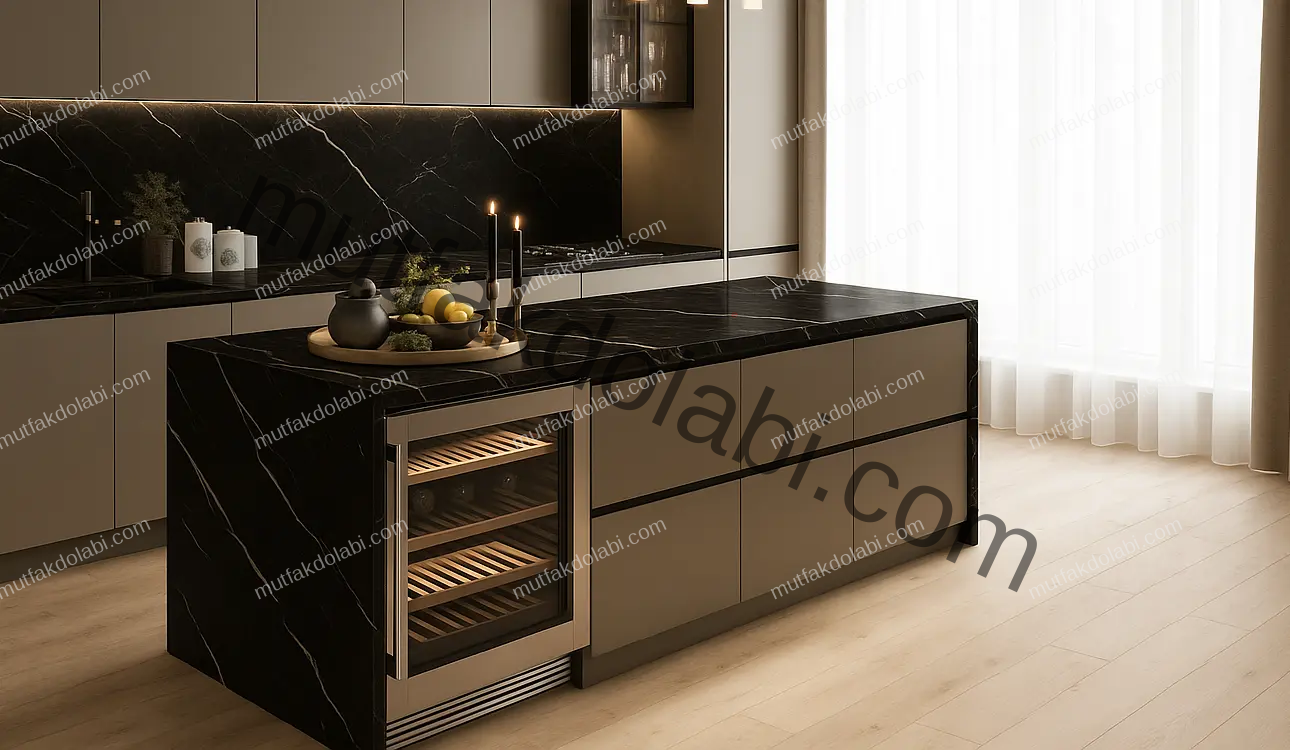
Credit: www.mutfakdolabi.com
Frequently Asked Questions
What Is The Most Common Kitchen Counter Height?
The most common kitchen counter height is 36 inches. This height suits most users comfortably. It provides an ideal working surface for cooking and other tasks. Standard kitchen designs typically use this height for countertops. It balances well with standard appliance and cabinet sizes.
Is 37 Inches Too High For A Kitchen Countertop?
A 37-inch countertop height can be comfortable for tall individuals. Standard kitchen counters are typically 36 inches high. Personal preference and ergonomic needs should guide the decision. Consider your comfort and any specific tasks you perform in the kitchen. Adjusting height can enhance ease of use and efficiency.
Is 40 Inches Too High For A Kitchen Island?
A 40-inch kitchen island is considered tall for most users. Standard height is typically 36 inches for comfortable use. Taller islands might suit bar stool seating, but could be impractical for cooking tasks. Consider your personal needs and preferences before finalizing the height.
What Is A Comfort Height Countertop?
A comfort height countertop is typically 36 inches tall. This height aligns with standard kitchen counter heights, promoting ergonomic benefits. It reduces bending, making tasks like food preparation and dishwashing more comfortable, especially for taller individuals. This design enhances kitchen efficiency and accessibility.
Conclusion
Kitchen counters play a crucial role in every home. Their height matters for comfort and efficiency. Standard heights work for most people. But adjustments can be made for specific needs. Taller counters suit taller individuals. Shorter counters fit kids or wheelchair users.
Consider the space and tasks performed. Think about your daily routine and comfort. Proper height enhances cooking and meal prep. It also prevents strain on the body. Explore options for both style and function. Choose a height that complements your lifestyle.
Make your kitchen a welcoming and practical space for all.