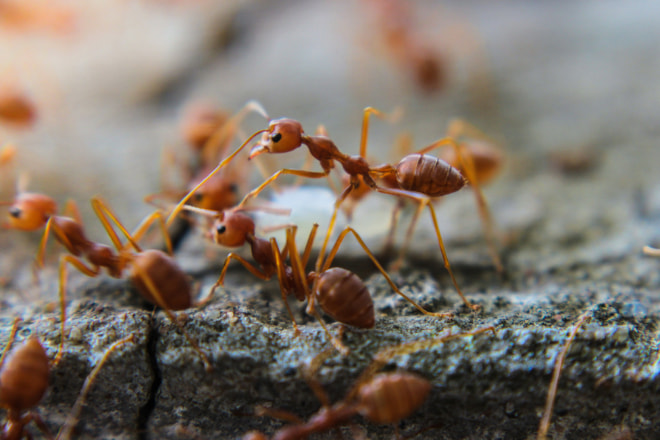
How to Get Rid of Little Ants in Kitchen: Proven Tips
Dealing with tiny ants invading your kitchen can be frustrating. You meticulously clean your counters, yet these pesky intruders seem to appear out of nowhere, marching in lines as if they own the place.
It’s not just about the unsightly view; ants can contaminate your food and become a persistent nuisance. You might be wondering how to get rid of these little ants once and for all. You’re in the right place. This guide will show you effective and simple solutions to reclaim your kitchen.
By the end, you’ll have the tools and tips you need to keep your kitchen ant-free, so you can enjoy your space without worry. Let’s dive in and tackle this problem together!

Credit: www.youtube.com
Identify Common Ant Species
Recognizing common ant species helps in tackling kitchen invasions. Identify tiny ants often attracted to crumbs and spills. Use effective solutions like sealing cracks and maintaining cleanliness to prevent infestations.
Identifying common ant species is crucial for effectively managing an ant infestation in your kitchen. Knowing which type of ant you’re dealing with can guide you in choosing the best approach to eliminate them. Different species have unique habits and preferences, so recognizing them can save you time and effort.Recognizing Sugar Ants
Sugar ants are small and typically range in color from light brown to black. They are attracted to sweet and sugary foods, which is why they often invade kitchens. You’ll often find them scurrying around spilled sugar or syrup. To spot sugar ants, check your countertops and pantry shelves for tiny ants heading towards sugary spills. If you’ve ever left a sticky jar or a soda can out overnight, you’ve likely seen these ants in action.Identifying Odorous House Ants
Odorous house ants are another common invader in kitchens. They get their name from the distinct, rotten coconut smell they emit when crushed. These ants are usually dark brown or black and measure about an eighth of an inch long. Unlike sugar ants, odorous house ants are not picky eaters. They forage for a variety of foods, so you might find them near pet food bowls or leftovers. If you crush one and notice a peculiar smell, you’ve likely identified odorous house ants. Have you ever wondered why ants choose your kitchen as their playground? They are drawn to the promise of a meal, but understanding their species can help you cut off their food supply effectively. What steps will you take to identify and eliminate these pesky invaders?Determine The Source
Determine the Source Identify where ants enter and find food. Check for crumbs, spills, and entry points. Clean thoroughly to prevent attraction.
Determining the source of little ants in your kitchen is crucial for effective control. You might notice them trailing across your counter or even inside your cabinets. But where are they coming from? Understanding their origins is the first step in eliminating these pesky intruders.Tracing Ant Trails
Start by observing the ants’ movements. Do they march in a straight line towards a specific location? Follow the trail to discover where they are heading. Often, ants leave a scent trail to food sources, which can give you clues about what attracts them. Once you have identified their destination, you can remove the food source or clean the area thoroughly to disrupt their path.Locating Entry Points
After tracing the trails, the next task is to find out how ants are entering your kitchen. Look closely at windowsills, door frames, and even tiny cracks in walls. Ants are masters at squeezing through the smallest gaps. Seal these entry points using caulk or weather stripping to prevent further invasions. By blocking their access, you reduce the chances of re-infestation. Have you ever considered the overlooked spots like the gaps around pipes or vents? These areas can be prime entry points for ants, so check them carefully. Taking preventive measures here can save you a lot of hassle in the future.Effective Natural Remedies
Little ants in the kitchen can be quite a nuisance. They invade your space, searching for crumbs and leftovers. Many prefer natural remedies to chemical solutions. These remedies are safe and effective for your family and pets. Let’s explore some easy methods to keep ants at bay.
Using Vinegar Solutions
Vinegar is an excellent tool against ants. It disrupts their scent trails, making it hard for them to return. Mix equal parts of vinegar and water in a spray bottle. Spray this solution along ant trails, kitchen counters, and doorways. You can wipe surfaces with vinegar for added protection. The strong smell keeps ants away, ensuring your kitchen stays ant-free.
Lemon Juice Applications
Lemon juice is another powerful natural remedy. Its acidity masks scent trails, confusing ants. Squeeze fresh lemon juice into a spray bottle. Add a small amount of water and shake well. Spray this mixture on entry points and around the kitchen. You can also place lemon peels near ant-prone areas. The citrus aroma deters ants effectively.
Boric Acid Mixtures
Boric acid is a common household item that works wonders. It acts as a poison for ants, eliminating them quickly. Mix boric acid with sugar and water to create a bait. Place this mixture near ant trails and entry points. Ants will carry the bait back to their nest, solving the problem from the root. Ensure to keep this mixture away from children and pets.
Chemical Solutions
Chemical solutions offer an effective way to tackle little ants in the kitchen. Use ant baits or sprays specifically designed for ants, targeting their trails and nests. Always follow safety instructions to keep your kitchen safe.
Chemical solutions are effective for tackling little ants in the kitchen. They provide quick results and help manage infestations efficiently. Different chemical methods target ants uniquely, making them versatile. Choose the right products for your kitchen to ensure safety and effectiveness.Selecting Ant Baits
Ant baits attract ants and poison them. Place baits near ant trails or entry points. Ants take bait back to their colony. This kills more ants over time. Choose baits with ingredients like borax or hydramethylnon. These are safe for indoor use. Opt for gel or liquid baits. They are effective and easy to apply.Insecticide Sprays
Insecticide sprays kill ants on contact. Use them for immediate relief. Spray around windows, doors, and other entry points. Ensure the product is safe for kitchen use. Follow label instructions carefully. This ensures proper application and safety. Consider non-repellent sprays. They allow ants to carry poison back to their nests.Preventive Measures
Seal any entry points with caulk or tape to block ants from entering. Keep the kitchen clean by wiping surfaces regularly, eliminating food crumbs and spills. Store food in airtight containers to prevent attracting ants.
Preventing little ants in the kitchen requires simple steps. Consistent efforts keep your kitchen ant-free. Focus on sealing entry points, storing food properly, and maintaining cleanliness.Sealing Cracks And Crevices
Ants enter through tiny openings. Inspect your kitchen for cracks. Seal them with caulk or weatherstripping. Pay attention to areas near windows, doors, and pipes. This blocks their entry path.Proper Food Storage
Store food in airtight containers. Ants are attracted to open food packages. Glass or plastic containers with tight lids work best. Keep fruits in the fridge. This reduces the temptation for ants. Check your pantry for spills and crumbs.Regular Cleaning Routines
Clean your kitchen daily to deter ants. Wipe down counters and sweep floors. Ants are drawn to food residues. Use a mix of vinegar and water for cleaning surfaces. This natural solution repels ants. Dispose of garbage regularly to prevent attraction.:max_bytes(150000):strip_icc()/The-number-1-Way-to-Get-Rid-of-Ants-in-Your-Kitchen-63b22b565d2e429c943571b833f56c48.jpg)
Credit: www.eatingwell.com
Long-term Ant Control
Effective long-term ant control involves sealing entry points and keeping the kitchen clean. Use natural repellents like vinegar to deter ants. Regularly check for moisture and food crumbs to prevent infestations.
Long-term ant control is essential if you’re tired of seeing those little invaders in your kitchen. While quick fixes might work temporarily, establishing a sustainable solution is key to keeping your kitchen ant-free for good. Let’s explore some effective strategies that combine expert help and personal diligence.Professional Pest Control Services
Sometimes, it’s worth calling in the pros. Professional pest control services can assess your ant problem and offer tailored solutions that are both effective and safe for your home. These experts use specialized tools and products that target ant colonies at their source, ensuring a thorough eradication. If you’ve tried everything and ants keep coming back, a professional might be your best bet. Investing in professional services can save you time and stress in the long run. Plus, they often provide guarantees, so you can rest easy knowing your ant problem is in capable hands.Maintaining A Pest-free Kitchen
Your kitchen’s cleanliness is your first line of defense. Regular cleaning routines help eliminate food residues that attract ants, making your kitchen less inviting to these pests. Consider adopting habits like wiping down countertops after every meal and storing food in airtight containers. Keep floors swept and mopped to remove crumbs and spills promptly. Don’t forget about your trash. Ensure your garbage can is sealed and emptied regularly. By maintaining these simple yet effective practices, you keep ants at bay and enjoy a cleaner kitchen. Are you willing to make these small changes for a pest-free life? Remember, consistency is key. With a little effort, you can enjoy a kitchen free from pesky ants.
Credit: www.simplepest.com
Frequently Asked Questions
Why Do I Suddenly Have Tiny Ants?
Tiny ants appear due to food crumbs, moisture, or sweet scents. Seal food and clean spills to deter them. Use natural repellents or ant traps for effective control. Regular cleaning and sealing entry points prevent future infestations. Keep your kitchen tidy to avoid attracting ants.
What Is The Best Homemade Ant Killer For The Kitchen?
Mix equal parts of white vinegar and water in a spray bottle. Spray directly on ants and entry points. This natural solution disrupts their scent trails and deters them. Keep the kitchen clean to prevent attracting ants.
How Do I Find Out Where Ants Are Coming From In My Kitchen?
Inspect kitchen corners, cabinets, and countertops for ant trails. Check for cracks, holes, or gaps in walls and floors. Look near windows, doors, or any food sources. Follow ant trails to locate their entry points and nests. Seal entry points to prevent ants from entering your kitchen.
Does Vinegar Get Rid Of Tiny Ants?
Yes, vinegar can help deter tiny ants. Its strong smell disrupts their scent trails. Mix equal parts of vinegar and water. Spray the solution in areas where ants are spotted. Repeat regularly for best results. Vinegar is a natural, chemical-free ant repellent.
Conclusion
Eliminating little ants in the kitchen is possible with simple steps. Maintain cleanliness. Seal food in airtight containers. Use natural repellents like vinegar or citrus. Check for entry points and seal them. Regularly inspect and clean the kitchen. These actions prevent ants from returning.
Consistent efforts lead to a pest-free space. Enjoy a clean and comfortable kitchen. Remember, patience and persistence are key. Following these tips will help keep ants away. Keep your kitchen tidy and pest-free. You’ll find peace of mind in a clean environment.


