How to Make Concrete Kitchen Countertops: DIY Guide
Executive Chef & Lead Commercial Kitchen Specialist at Daily Kitchup Test Lab
Imagine transforming your kitchen into a space that not only looks stunning but also stands the test of time. Concrete kitchen countertops offer a unique blend of durability and elegance, making them an ideal choice for your home.
But how do you create these stunning surfaces without feeling overwhelmed? It’s easier than you might think, and we’re here to guide you every step of the way. You’ll discover simple, actionable steps to craft your own concrete countertops. You’ll learn about the materials you need, the skills you already have, and the rewarding feeling of completing a project yourself.
By the end, you’ll not only have a new countertop but also the satisfaction of knowing you made it with your own hands. So why wait? Dive in and see how you can elevate your kitchen with this DIY project.
Credit: www.instagram.com
Installation Process
Begin by measuring and cutting a mold for your countertop. Mix concrete according to the package instructions. Pour the mixture into the mold, ensuring even distribution. Allow it to set and cure before removing the mold. Finish by sanding and sealing for a smooth surface.
The journey to installing concrete kitchen countertops is both exciting and rewarding. It involves a series of meticulous steps to ensure your new countertop is both beautiful and functional. Whether you’re a DIY enthusiast or simply curious about the process, understanding each stage can help you achieve a stunning result. Let’s dive into the installation process and see how you can transform your kitchen space.Preparing The Base
Before laying your countertop, it’s crucial to prepare a sturdy base. Start by ensuring your cabinets are level. An uneven base can lead to cracks or an uneven surface over time. Use a spirit level to check the cabinet tops. Adjust as necessary with shims to create a flat and stable platform. Consider reinforcing the cabinets with plywood. This adds additional support and ensures the weight of the concrete is evenly distributed.Securing The Countertop
Once your base is ready, it’s time to place the concrete countertop. Carefully position the countertop on the base to avoid any damage. Secure the countertop using construction adhesive. Apply it generously across the top of the base for a firm hold. Finally, fasten the countertop with screws through the plywood into the concrete. This step ensures that your countertop will stay in place for years to come. By following these steps, your concrete kitchen countertops will not only look stunning but will also serve as a durable and lasting addition to your home. Have you ever tackled a home improvement project that transformed your space? Let us know your story in the comments!Maintenance Tips
Concrete kitchen countertops are stylish and durable. They add a unique touch to any kitchen. To keep them looking their best, regular maintenance is crucial. Proper care ensures longevity and keeps the surface smooth. Here are some essential maintenance tips.
Cleaning Guidelines
Concrete countertops need gentle cleaning. Use a mild dish soap mixed with warm water. Avoid harsh chemicals; they damage the surface. A soft cloth is ideal for wiping. Rinse thoroughly to remove soap residue. Dry with a clean towel to prevent water spots.
Periodic Sealing
Sealing is vital for concrete countertops. It prevents stains and damage. Seal the surface every few years. Check the manufacturer’s instructions for specific products. Apply the sealant evenly with a clean brush. Allow it to dry completely before use.

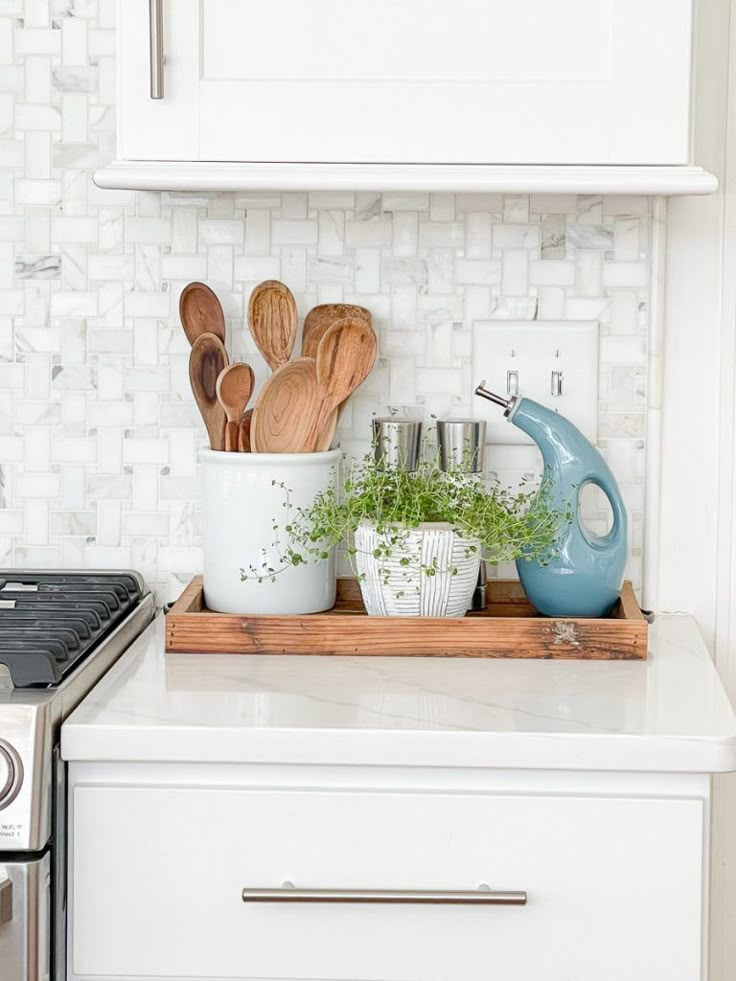
Credit: adabbleddwelling.com
Frequently Asked Questions
Can I Make My Own Concrete Countertops?
Yes, you can make your own concrete countertops. Gather materials, create molds, mix concrete, pour, and cure. Follow a detailed guide and ensure proper sealing for durability. With patience and precision, crafting beautiful and functional countertops is achievable.
Does Concrete Make Good Kitchen Countertops?
Concrete makes excellent kitchen countertops due to its durability and customization options. It withstands heat, scratches, and stains effectively. You can personalize concrete countertops with various textures and colors, enhancing your kitchen’s aesthetic appeal. Regular sealing is essential to maintain their longevity and prevent staining.
How Thick Should A Concrete Kitchen Countertop Be?
Concrete kitchen countertops should generally be 1. 5 to 2 inches thick. This thickness provides durability and supports weight. Ensure proper reinforcement to prevent cracking. Custom designs might require adjustments in thickness for specific aesthetics or functionality. Always consult a professional for tailored advice on your countertop project.
How Much Does It Cost To Make Your Own Concrete Countertops?
Creating your own concrete countertops typically costs between $8 to $15 per square foot. This price includes materials like cement, sand, and pigments. The total cost varies based on the design, thickness, and finish. DIY projects can reduce labor costs significantly, making it a budget-friendly option for many.
Conclusion
Creating concrete kitchen countertops is a rewarding DIY project. They add style and durability to your kitchen space. The process requires patience and attention to detail. Prepare your materials and tools carefully. Follow each step with precision for the best results.
Concrete countertops offer a unique, rustic charm. Plus, they are cost-effective compared to other materials. You can customize them to fit your kitchen’s design. With practice, your skills will improve over time. Enjoy the satisfaction of building something yourself. Ready to start your countertop project?
Dive in and transform your kitchen today!

Similar Posts