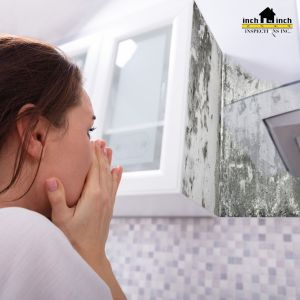
Are your kitchen cabinets starting to show unwanted signs of mold? You’re not alone.
Mold in the kitchen can be a sneaky invader, quietly taking over your cabinets and threatening your health and home. If you’ve noticed those unsightly spots or musty odors, it’s time to take action. This guide will walk you through simple, effective steps to banish mold from your kitchen cabinets for good.
You’ll learn how to tackle the problem with tools you likely already have at home. Say goodbye to mold and hello to a cleaner, healthier kitchen. Stick around to discover the secrets to keeping your cabinets mold-free and pristine.
Identifying Mold In Cabinets
Mold in kitchen cabinets can be a silent invader. Recognizing its presence early is crucial. Mold thrives in dark, damp places, making cabinets a perfect spot. Identifying mold promptly can prevent health issues and damage. Let’s explore how to spot mold and understand its risks.
Common Signs Of Mold
Several indicators suggest mold in cabinets. Musty odors are a common sign. This smell often intensifies in closed spaces. Visible spots or discoloration on surfaces are another clue. Mold can appear as black, green, or white patches. Warped or peeling cabinet materials may also signal mold growth. Keep an eye on any unusual changes in your cabinets.
Health Risks Associated
Mold poses serious health risks. Exposure can lead to respiratory issues. People may experience coughing, sneezing, or throat irritation. Mold can trigger allergic reactions. Symptoms include itchy eyes, runny nose, or skin rashes. Those with asthma might face worsened conditions. Long-term exposure can have severe consequences. Identifying mold early can help safeguard your health.
Preparation For Mold Removal
Preparing to tackle mold in your kitchen cabinets is crucial for a safe and effective cleanup. Mold can be stubborn, and without proper preparation, you might end up spreading it further or causing damage to your cabinets. Setting up correctly before diving into the cleaning process ensures you have everything you need at your fingertips. Let’s explore what you need to get started, focusing on the essential tools and materials, and the safety precautions you should take.
Essential Tools And Materials
- Cleaning Solution:Use a mixture of water and vinegar or a commercial mold remover. Both options work effectively against mold.
- Scrub Brushes:A variety of brushes help you reach tight spots and scrub mold off surfaces.
- Microfiber Cloths:These are perfect for wiping down surfaces without leaving residue.
- Gloves:Protect your hands from chemicals and mold spores with durable gloves.
- Face Mask:A mask prevents inhalation of mold spores, keeping you safe during the process.
- Buckets:Useful for mixing cleaning solutions and rinsing brushes.
Having these tools ready is like gearing up for battle against mold. The right equipment can make a daunting task much more manageable.
Safety Precautions To Take
- Ventilation:Ensure your kitchen is well-ventilated. Open windows and doors to let fresh air circulate while you work.
- Protective Gear:Wearing gloves and masks is non-negotiable. Mold can cause allergic reactions, and safety gear shields you from exposure.
- Mindful Disposal:Dispose of contaminated materials carefully. Seal them in bags before throwing them away to prevent mold spores from spreading.
Safety is paramount when dealing with mold. Ignoring precautions can lead to health issues or make the problem worse. Are you equipped and ready to face the challenge?
Effective Cleaning Solutions
Removing mold from kitchen cabinets requires effective cleaning solutions. Begin by scrubbing surfaces with vinegar or baking soda. Ensure thorough drying to prevent future mold growth.
Cleaning mold from kitchen cabinets can be a daunting task. However, with the right cleaning solutions, you can tackle this problem effectively. Here, we’ll explore both natural remedies and commercial cleaners that can help you restore your cabinets to their former glory.Natural Remedies
You might be surprised to find that some of the best mold-fighting solutions are already in your home. Vinegar is a powerful agent that can kill up to 82% of mold species. Simply spray undiluted white vinegar onto the affected area, let it sit for an hour, and then wipe clean with a damp cloth. Baking soda is another excellent choice. Mix a tablespoon of baking soda with water in a spray bottle, apply it to the mold, and scrub with a brush. This not only removes the mold but also deodorizes the area. If you prefer something with a fresh scent, try tea tree oil. Combine a teaspoon of tea tree oil with water and spray it on the mold. Leave it on without rinsing for continued protection.Commercial Cleaners
Commercial mold removers offer a quick and efficient solution. Look for products specifically designed to tackle mold and mildew. These often contain powerful ingredients that can eliminate mold spores rapidly. Bleach-based cleaners are a common choice for their ability to disinfect surfaces. However, they may discolor your cabinets, so test a small area first. For those who prefer an eco-friendly option, consider purchasing enzyme-based cleaners. These products break down the mold at a molecular level, offering a thorough clean without harsh chemicals. Before applying any commercial cleaner, always read the label for safety instructions and perform a spot test. This ensures you protect your cabinets while effectively removing mold. Have you tried any of these solutions before? Which worked best for you? Share your experiences in the comments below!:max_bytes(150000):strip_icc()/uses-for-hydrogen-peroxide-1389045-01-825a879b60554c87851d0251e818fd32.jpg)
Credit: www.thespruce.com
Step-by-step Mold Removal
Removing mold from kitchen cabinets can seem daunting. With the right steps, it becomes manageable. Mold not only affects the aesthetics but also poses health risks. So, thorough removal is essential. This guide provides clear steps to tackle mold effectively.
Initial Cleaning Steps
Start by emptying the cabinets completely. Remove all items and inspect for mold. Use a vacuum with a HEPA filter to clean loose spores. This prevents spreading them further. Wear gloves and a mask for safety. Mix a solution of warm water and mild detergent. Dip a cloth in the solution and wipe the surfaces. Focus on areas with visible mold. Rinse the cloth regularly to avoid spreading mold. Dry the surfaces with a clean, dry towel.
Deep Cleaning Process
For deep cleaning, create a solution with one part vinegar and one part water. Vinegar kills many types of mold effectively. Spray the solution onto the affected areas. Let it sit for an hour. This gives it time to work on the mold. Scrub the surfaces with a soft brush. Ensure all mold patches are addressed. Rinse the area with clean water. Wipe it dry thoroughly to prevent moisture buildup.
Preventing Mold Recurrence
Removing mold from kitchen cabinets is just the first step. Keeping it away ensures a healthier kitchen environment. Mold thrives in damp, dark places. So, it’s essential to make your cabinets less inviting for mold. Let’s explore ways to keep your cabinets mold-free.
Improving Cabinet Ventilation
Proper ventilation is key to preventing mold. Air circulation reduces moisture build-up. Install vents or fans near cabinets. Open cabinet doors periodically. This allows fresh air to circulate. Avoid overcrowding your cabinets. Leave space for air movement.
Regular Maintenance Tips
Regular cleaning keeps mold at bay. Use mild soap and water for cleaning. Ensure surfaces are dry afterward. Check for leaks under sinks. Fix them promptly to avoid moisture. Examine cabinets for signs of mold regularly. Catching mold early prevents spreading.

Credit: www.thisoldhouse.com
When To Seek Professional Help
Seek professional help if mold covers a large area or causes persistent health issues. Experts ensure complete removal and safe handling.
When to Seek Professional Help Sometimes, tackling mold in your kitchen cabinets can feel overwhelming. You may wonder if it’s time to call in the experts. Knowing when to seek professional help is crucial for ensuring your health and safety.Assessing The Severity
Before making a decision, take a close look at the extent of the mold. Is it a small patch or has it spread over a large area? If mold covers more than a few square feet, professional intervention might be necessary. Consider the color and texture too. Black mold, for instance, can be particularly hazardous and often requires expert removal. Additionally, if you’ve tried cleaning and the mold keeps returning, it might indicate underlying moisture issues. Professionals can identify hidden leaks or sources of dampness that you might miss.Benefits Of Professional Services
Hiring professionals brings several advantages. They use specialized equipment and techniques to effectively remove mold. This ensures that every nook and cranny is properly treated. Professionals also have the expertise to handle toxic mold safely, protecting both you and your family from potential health risks. They can offer advice on how to prevent future mold growth, such as improving ventilation or suggesting moisture-resistant materials. Moreover, think about the peace of mind you’ll gain. Knowing experts are handling the situation allows you to focus on other priorities. Wouldn’t you rather spend your time cooking in a safe, mold-free kitchen instead of battling stubborn mold patches? Remember, while DIY methods can work for minor issues, there are times when the expertise of professionals is invaluable. Are you ready to enjoy a healthier, mold-free kitchen?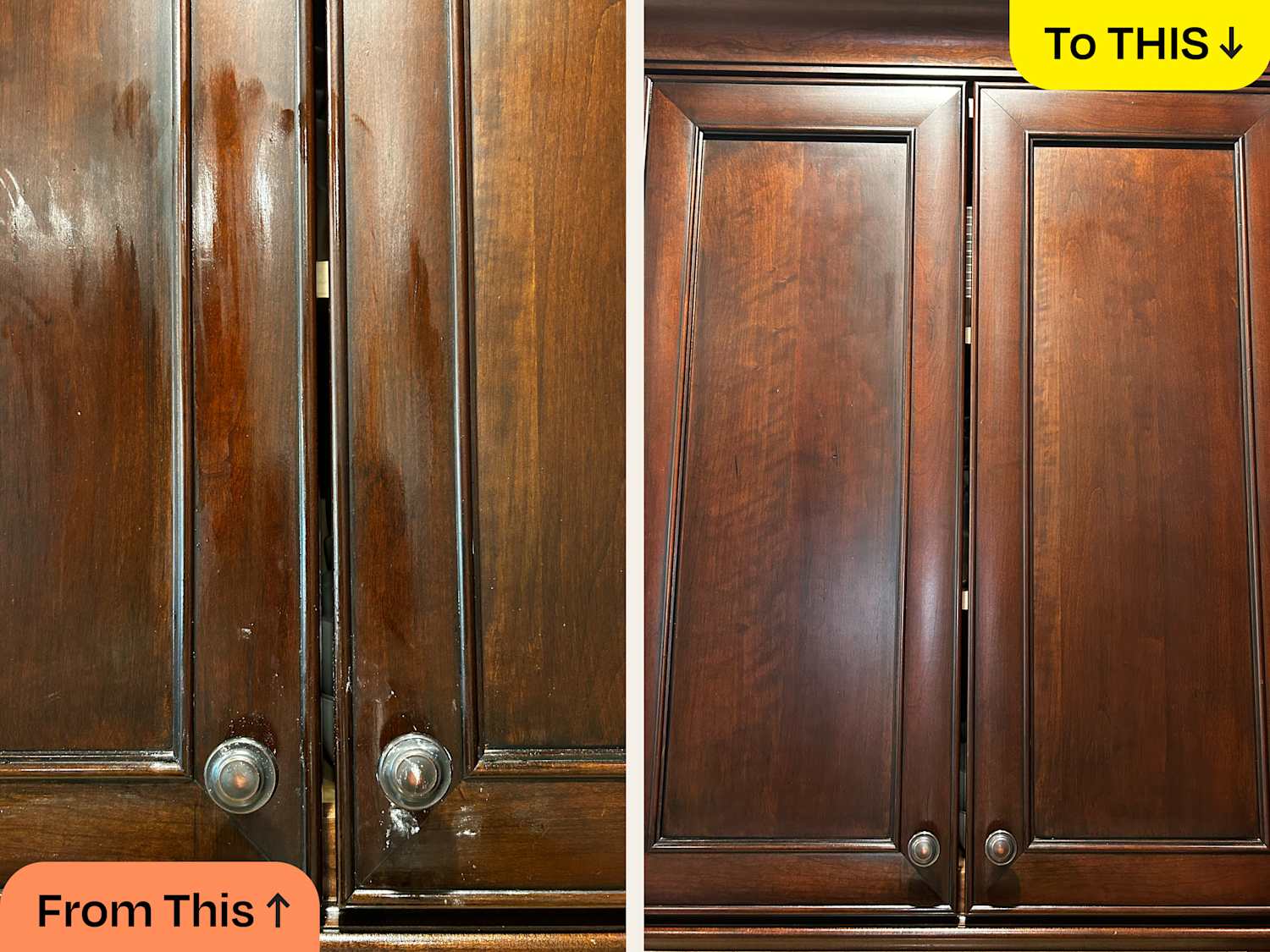
Credit: www.thekitchn.com
Frequently Asked Questions
Can Mold Be Removed From Cabinets?
Yes, mold can be removed from cabinets using vinegar or baking soda solutions. Scrub affected areas thoroughly. Ensure proper ventilation and dryness to prevent recurrence. If mold persists, consider professional help for deep cleaning and damage assessment. Regular maintenance can keep cabinets mold-free.
Is Bleach Or Vinegar Better To Kill Mold On Wood?
Vinegar is better for killing mold on wood. It penetrates porous surfaces, while bleach only works on non-porous surfaces. Bleach can damage wood and cause mold spores to spread. Use undiluted white vinegar for effective mold removal and prevention on wood surfaces.
Do Moldy Cabinets Need To Be Replaced?
Moldy cabinets often need replacement to prevent health risks and further mold spread. Removing mold can be challenging. Replacing ensures safety and cleanliness. Always assess the extent of mold damage first. Consult a professional for severe cases. Early action prevents costlier repairs later.
Keep cabinets dry to avoid mold.
Will Dawn Dish Soap Kill Mold On Wood?
Dawn dish soap can remove mold on wood but isn’t a complete solution. It’s effective for light cleaning. Always test it on a small area first. Consider using a specialized mold remover for severe cases. Ensure proper ventilation and dry wood thoroughly to prevent mold regrowth.
Conclusion
Mold removal from kitchen cabinets can be simple and effective. Start with basic cleaning supplies, like vinegar or baking soda. These are safe and handy options. Ensure proper ventilation to prevent mold in the future. Regular checks help keep the cabinets clean and fresh.
Trust your senses; if you see or smell mold, act quickly. A clean kitchen means healthy living. Keep it tidy and mold-free. Follow these steps, and your kitchen cabinets will stay in top shape. Remember, prevention is key in maintaining a healthy home environment.