
Are the kitchen cabinet doors in your home looking a bit worse for wear? You might be surprised at how much a little grime and grease can dull their appearance.
Keeping them clean not only enhances the beauty of your kitchen but also extends the life of your cabinets. Imagine walking into your kitchen and being greeted by fresh, gleaming cabinet doors that make everything feel brighter and more welcoming.
In this guide, we’ll explore the most effective and straightforward methods to clean your kitchen cabinet doors, using items you likely already have at home. You’ll discover the secrets to maintaining their shine without damaging the material, leaving your cabinets looking as good as new. By the end of this article, you’ll be equipped with easy, actionable steps to transform your kitchen space effortlessly. Dive in to learn how to revitalize your kitchen cabinets and keep them sparkling clean!
Types Of Cabinet Materials
Different materials require specific cleaning methods. Wood cabinet doors benefit from gentle soap and water. Laminate surfaces can handle mild cleaners without damage. Regular maintenance ensures longevity.
When cleaning kitchen cabinet doors, knowing the material is important. Different materials need different cleaning methods. Each type has unique care requirements to maintain its look and function.Wood Cabinet Doors
Wood cabinets add warmth to any kitchen. They require gentle cleaning to avoid damage. Use a soft cloth and mild detergent. Avoid using too much water. Excess moisture can harm the wood. Dry them immediately after cleaning.Laminate Cabinet Doors
Laminate doors are durable and easy to clean. Use a mild cleaner and soft cloth. Avoid abrasive cleaners; they can scratch the surface. A vinegar-water solution works well for stubborn stains. Dry the surface to prevent streaks.Glass Cabinet Doors
Glass doors need regular cleaning to keep them clear. Use a glass cleaner and soft cloth. Avoid ammonia-based cleaners; they can damage the glass. Clean both sides for a spotless look. Buff with a dry cloth for shine.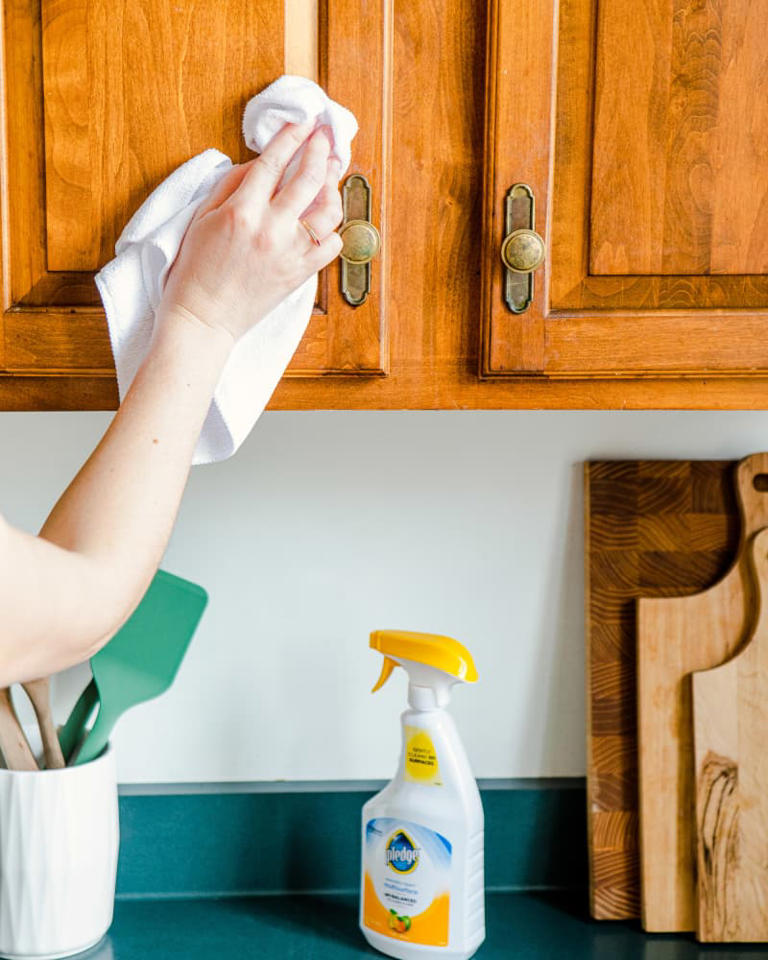
Credit: www.msn.com
Essential Cleaning Supplies
Cleaning kitchen cabinet doors requires the right supplies for efficiency. The right tools and solutions can make a big difference. Let’s dive into the essentials you need for this task.
Natural Cleaning Agents
Natural cleaning agents are eco-friendly and gentle. They are safe for most surfaces and effective at removing grime. Here are a few popular choices:
- Vinegar:A powerful cleaner that cuts through grease.
- Baking Soda:Excellent for scrubbing without scratching surfaces.
- Lemon Juice:Natural disinfectant and leaves a fresh scent.
- Olive Oil:Polishes and conditions wooden surfaces.
Commercial Cleaners
Commercial cleaners are designed for tough kitchen stains. They are convenient and often come with specific instructions. Consider these types:
- All-Purpose Cleaners:Versatile and suitable for most surfaces.
- Degreasers:Specifically target oil and grease build-up.
- Wood Cleaners:Formulated to clean and protect wooden cabinets.
Tools For Cleaning
The right tools make cleaning cabinet doors easier and faster. They help apply solutions effectively and reach every nook. Essential tools include:
- Microfiber Cloths:Gentle and absorbent, perfect for wiping surfaces.
- Soft Brushes:Useful for scrubbing without scratching.
- Sponges:Ideal for applying and rinsing cleaning solutions.
- Spray Bottles:Convenient for mixing and applying liquid cleaners.
Step-by-step Cleaning Process
To clean kitchen cabinet doors, first, gather a soft cloth and mild cleaner. Gently wipe the doors to remove dust and grime. Rinse with a damp cloth and dry thoroughly to prevent water damage. Regular cleaning keeps cabinets looking fresh and neat.
Cleaning kitchen cabinet doors requires a detailed approach for lasting results. Follow this step-by-step process to keep your cabinets looking pristine and prolong their lifespan. With the right techniques, you can maintain their aesthetic appeal without much hassle. This guide will walk you through preparation, daily cleaning, and deep cleaning methods.Preparation And Safety Measures
Start by gathering the necessary supplies. Use mild detergents and a soft cloth to prevent scratches. Test the cleaning solution on a small area first. Ensure the room is well-ventilated to avoid inhaling fumes. Protect your hands with gloves to avoid irritation. Remove any items from the cabinets for easy access.Daily Cleaning Routine
Wipe the cabinet doors with a damp cloth. Focus on areas with visible stains or fingerprints. Use gentle strokes to avoid damaging the finish. Rinse the cloth frequently to keep it clean. Dry the surface with a towel to prevent water spots. Regular cleaning keeps grime from building up.Deep Cleaning Techniques
Mix warm water with a few drops of dish soap. Dip a soft brush into the solution. Scrub the door gently, concentrating on stubborn stains. Rinse with a damp cloth to remove soap residue. Dry thoroughly with a clean towel. For wooden cabinets, apply a wood cleaner for added shine. Ensure all surfaces are free from moisture before closing the doors. Following these steps ensures your kitchen cabinet doors remain spotless and durable.
Credit: www.facebook.com
Removing Tough Stains
Cleaning kitchen cabinet doors requires gentle care to remove tough stains. Mix warm water with dish soap, and scrub gently using a soft cloth. For stubborn spots, add vinegar to the solution and wipe thoroughly.
Cleaning kitchen cabinet doors can be challenging, especially when faced with tough stains. These stains often detract from the overall appearance of your kitchen. Removing them requires specific techniques and tools. Here, we’ll explore effective methods to tackle stubborn stains. Whether it’s grease, water marks, or sticky residues, this guide will help restore the shine to your cabinet doors.Handling Grease And Oil
Grease buildup can make cabinet doors look dull. Mix warm water with dish soap. Use a soft cloth to scrub the surface gently. For stubborn grease, add vinegar to the mix. It helps break down oily residues. Rinse with clean water and dry with a towel.Addressing Water Marks
Water marks can appear from steam or spills. Make a paste using baking soda and water. Apply it to the stain and let it sit for a few minutes. Gently rub with a soft cloth. This helps lift the water marks. Wipe clean with a damp cloth.Dealing With Sticky Residues
Sticky residues often come from food spills or adhesives. Use a mix of vinegar and water. Spray on the affected area. Let it sit for a few minutes. Scrub gently with a sponge. Wipe off with a clean cloth. This method helps remove sticky spots effectively.Protecting And Maintaining Cabinets
Cleaning kitchen cabinet doors involves using mild soap and warm water. Gently wipe with a soft cloth, ensuring all residue is removed. Finish by drying thoroughly to prevent water damage and maintain shine.
Protecting and maintaining kitchen cabinet doors is essential. It keeps them looking fresh and extends their life. With the right care, cabinets can remain beautiful and functional for years. Below are some practical tips for ensuring your cabinet doors stand the test of time.Regular Maintenance Tips
Regular maintenance ensures your cabinets stay in top condition. Dust them weekly with a soft cloth. This prevents dirt build-up. Use a mild soap and water solution for deeper cleaning monthly. Avoid harsh chemicals which can damage the finish. Always dry the surface with a clean towel after cleaning. Keep hinges and handles tight by checking them periodically. Lubricate hinges if they start squeaking.Preventing Future Damage
Preventing damage is easier than fixing it. Use cabinet liners to protect shelves from spills. Avoid hanging wet towels on cabinet doors. Water can seep in and cause warping. Be cautious with heat. High temperatures can harm the finish. Use exhaust fans to reduce humidity in the kitchen. Do not slam doors as this can loosen hinges and warp doors over time.Using Protective Finishes
Applying protective finishes can preserve cabinet appearance. Consider using a clear polyurethane finish. This adds a layer of protection against stains and scratches. Waxing wooden cabinets every six months can enhance shine and shield them from moisture. Always test new products on a small area first to ensure they do not harm the cabinet surface.
Credit: www.reddit.com
Common Mistakes To Avoid
Avoid using harsh chemicals that can damage the cabinet finish. Wipe spills immediately to prevent stains.
Cleaning kitchen cabinet doors seems simple. Yet, many make mistakes that damage them. Avoiding common mistakes helps maintain their look and longevity.Overusing Water
Too much water can harm cabinet doors. Wood absorbs water, causing swelling or warping. Excess moisture may strip paint or finish. Use a damp cloth instead of soaking.Using Abrasive Tools
Abrasive tools scratch surfaces, ruining the finish. Steel wool and rough sponges can leave marks. Opt for soft cloths or sponges to keep cabinets smooth.Ignoring Manufacturer Guidelines
Each cabinet type has unique care instructions. Ignoring these can cause damage. Consult the manufacturer’s guidelines before cleaning. Follow recommended products and methods for best results.Frequently Asked Questions
What Is The Best Thing To Clean Kitchen Cabinet Doors With?
Use a mixture of warm water and mild dish soap to clean kitchen cabinet doors. Apply with a soft cloth, gently wiping the surfaces. For stubborn stains, use a baking soda paste. Rinse with clean water and dry thoroughly to prevent moisture damage.
Avoid harsh chemicals to maintain cabinet finish.
How Do You Clean Kitchen Cabinets Without Removing The Finish?
Use a mild dish soap and warm water solution. Dampen a soft cloth and gently wipe cabinets. Avoid soaking. Dry immediately with a clean towel to prevent moisture damage. For stubborn spots, use baking soda paste. Rinse and dry thoroughly to maintain the cabinet finish.
Can I Use Dawn Dish Soap To Clean Wood Cabinets?
Yes, you can use Dawn dish soap to clean wood cabinets. Mix a few drops with warm water. Use a soft cloth to gently wipe the cabinets, then dry thoroughly. Dawn removes grease effectively while being gentle on wood surfaces.
Regular cleaning helps maintain the cabinets’ appearance.
What Not To Use To Clean Kitchen Cabinets?
Avoid using abrasive cleaners, steel wool, or bleach on kitchen cabinets. These can damage the finish. Harsh chemicals and scrubbing pads can scratch surfaces. Instead, use gentle, non-abrasive cleaners and soft cloths for cleaning. This ensures the longevity and appearance of your cabinets remain intact.
Conclusion
Cleaning kitchen cabinet doors can be simple with the right approach. Regular upkeep keeps them looking fresh and inviting. Start with mild soap and warm water. Wipe gently to avoid scratches. Vinegar and water mix works wonders on greasy spots.
Don’t forget to dry thoroughly. Moisture can damage wood surfaces. For stubborn stains, baking soda paste helps. Use soft cloths for all cleaning tasks. Avoid harsh chemicals; they can ruin finishes. Remember, clean cabinets enhance kitchen beauty. Keep these tips handy for easy maintenance.
Your kitchen will thank you with a lasting shine.