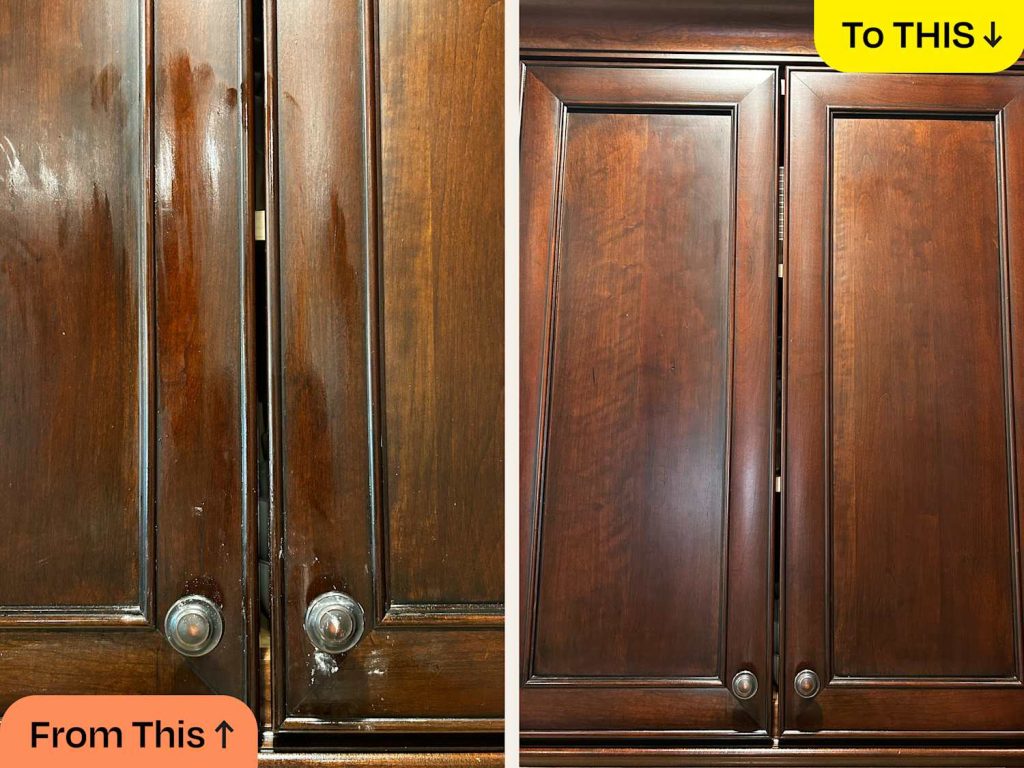
Are your kitchen cabinets looking a little worse for wear? It’s easy for dirt, grease, and grime to build up over time, turning once sparkling surfaces into a sticky mess.
But don’t worry—cleaning your kitchen cabinets doesn’t have to be a daunting task. With the right tips and tricks, you can restore them to their former glory in no time. Imagine opening your cabinets to find shelves that shine and doors that gleam.
Not only will this transformation brighten your kitchen, but it will also create a more inviting and hygienic space for you and your family. Ready to discover the secrets to achieving spotless cabinets? Let’s dive into the simple steps that will make cleaning a breeze!
Preparation Steps
Gather your cleaning supplies, including a mild detergent, soft cloth, and warm water. Remove items from cabinets and wipe surfaces gently. Rinse with clean water and dry thoroughly to prevent moisture damage.
Cleaning your kitchen cabinets starts with good preparation. Setting up before the actual cleaning helps prevent mess. It also ensures that the process is smooth and effective. Here are some simple preparation steps to follow.Gather Cleaning Supplies
First, gather all necessary cleaning supplies. You will need mild soap, warm water, and a soft cloth. Baking soda can be useful for tougher stains. Have a toothbrush ready for scrubbing hard-to-reach areas. Use vinegar for a natural cleaning option. Make sure you have these items handy to save time.Empty The Cabinets
Clear out everything from the cabinets. This includes dishes, pots, and pantry items. Emptying the cabinets allows you to reach every corner easily. It also prevents damage to your items during cleaning. Place the removed items in a safe area. This will keep them clean and organized.Protect Surrounding Areas
Prepare the surrounding areas by covering surfaces. Use old towels or sheets on countertops and floors. This protects them from water splashes and cleaning solutions. It also makes cleanup easier after you finish. Be sure to cover nearby appliances and furniture. This helps avoid accidental spills or scratches.
Credit: www.facebook.com
Choosing The Right Cleaner
Choosing the right cleaner for your kitchen cabinets can make all the difference in maintaining their appearance and longevity. Not all cabinets are created equal; they come in various materials and finishes, each requiring a specific cleaning approach. Whether you’re battling grease or seeking a gentle freshen-up, understanding your options is key to success.
Commercial Cleaners
Commercial cleaners are widely available and designed for convenience. They often come in spray bottles, ready to tackle tough stains and grease. Look for cleaners specifically labeled for kitchen cabinets to ensure they’re safe for your cabinet’s material.
- Check for compatibility with your cabinet finish.
- Read user reviews to gauge effectiveness.
- Consider eco-friendly options if sustainability is important to you.
Diy Cleaning Solutions
If you’re a fan of DIY projects, creating your own cleaning solution can be both effective and satisfying. A simple mix of vinegar and water can work wonders on cabinets without damaging their surface. Add a few drops of essential oils for a pleasant scent.
- Experiment with ratios to find the perfect balance.
- Test on a small, inconspicuous area first.
- Store your mix in a labeled spray bottle for easy use.
Natural Cleaning Options
Natural options are perfect for those who prefer chemical-free cleaning. Baking soda is a versatile cleaner that can remove grime without scratching surfaces. Lemon juice is another natural cleanser that leaves a refreshing aroma.
- Mix baking soda with water to create a paste.
- Use lemon juice directly on stubborn stains.
- Explore other natural ingredients like tea tree oil for added power.
Choosing the right cleaner doesn’t have to be daunting. Think about what works best for your lifestyle and cabinet type. What cleaner will you choose to bring out the best in your kitchen cabinets?
Cleaning Techniques
Regular cleaning keeps kitchen cabinets looking fresh. Use a mild detergent and warm water. Gently scrub with a soft cloth. Dry with a clean towel to prevent water spots.
Cleaning your kitchen cabinets can transform your cooking space. It keeps the area fresh and welcoming. Different techniques are needed for effective cleaning. Some methods target dust, while others tackle stubborn stains or grease. Let’s explore these techniques to make your cabinets shine.Dusting And Wiping
Regular dusting is essential. Use a microfiber cloth to remove dust. Wipe surfaces gently to avoid scratches. A damp cloth can help with sticky spots. Ensure the cloth is not too wet. Moisture can damage wooden cabinets. Dry the surface with a clean towel afterwards.Removing Stubborn Stains
Stains can be challenging. Create a paste with baking soda and water. Apply the paste to the stain. Let it sit for a few minutes. Gently scrub with a soft cloth. Rinse with water and dry with a towel. Avoid harsh chemicals which can harm the surface.Cleaning Grease Buildup
Grease can accumulate over time. Use a mixture of vinegar and water. Spray it on the greasy areas. Let it soak for a few minutes. Wipe with a clean cloth. For tough grease, add a few drops of dish soap. Rinse and dry the surface thoroughly. These techniques help keep your kitchen cabinets clean and inviting.Handling Different Materials
Cleaning kitchen cabinets might seem like a chore you’d rather avoid, but knowing how to handle different materials can make the task much simpler and more effective. Each type of cabinet material requires unique care to maintain its shine and durability. Whether you’re dealing with wood, laminate, or metal, understanding the specifics can help you preserve the beauty of your kitchen.
Wood Cabinets
Wood cabinets are a classic choice that adds warmth and elegance to any kitchen. However, they require gentle care to maintain their finish. Start by dusting the cabinets with a soft cloth to remove any surface dirt. Mix a solution of mild dish soap and warm water for a deeper clean. Dip a sponge into the solution, wring it out thoroughly, and gently wipe the wood surfaces. Avoid soaking the wood, as excess moisture can cause warping or damage. For stubborn stains, consider using a mixture of vinegar and water for a natural yet effective cleaning solution.
Laminate Cabinets
Laminate cabinets are durable and easy to maintain, making them a popular choice for busy households. Begin by removing dust with a microfiber cloth. For cleaning, a mixture of warm water and a few drops of dish soap is usually sufficient. Use a soft sponge to clean the cabinets, and make sure to dry them with a clean towel to prevent streaking. If you encounter sticky spots or grease, a little baking soda sprinkled on a damp sponge can do wonders. Remember, laminate can be scratched easily, so avoid abrasive cleaners or scrubbing pads.
Metal Cabinets
Metal cabinets bring a sleek, modern touch to your kitchen, but they can show fingerprints and smudges easily. To clean them, start by wiping with a damp cloth to remove dust and surface grime. For tougher dirt, mix water with a mild detergent and use a soft sponge to gently clean the surface. Avoid using harsh chemicals that can corrode the metal. If your metal cabinets have a glossy finish, you can use a mixture of water and vinegar to polish them and restore their shine. Always dry the surface completely to prevent water spots.
Polishing And Finishing
Polishing and finishing kitchen cabinets enhances their appearance. Use a gentle cleaner to wipe surfaces thoroughly. Dry with a soft cloth for a sleek shine.
Polishing and finishing kitchen cabinets keep them looking fresh. This step brings out the shine and protects the surface. It prevents damage from daily use. Let’s explore how to polish effectively.Choosing The Right Polish
Select a polish suitable for your cabinet’s material. For wood, use a wood-specific polish. It should nourish and protect the wood. For laminate, choose a non-abrasive cleaner. Avoid products with harsh chemicals. Test the polish on a small area first. This ensures compatibility with your cabinets.Applying Polish Effectively
Start with a clean, soft cloth. Apply a small amount of polish to the cloth. Rub the polish gently over the cabinet surface. Use circular motions for an even finish. Cover all visible areas, including corners. For tough spots, apply a little extra polish. Let it sit for a few minutes. Buff the cabinets with a dry cloth. This enhances the shine and removes excess polish. Repeat every few months for best results.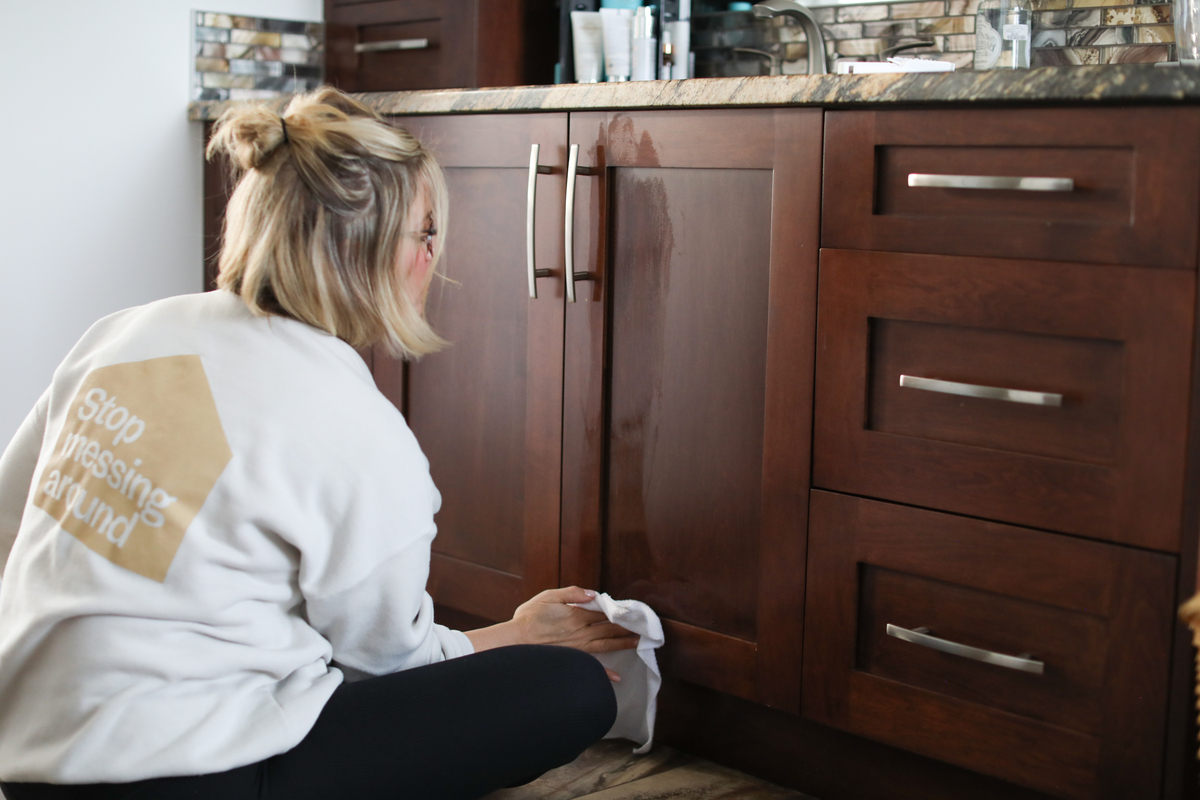
Credit: www.housework.com
Maintenance Tips
Regularly clean kitchen cabinets to keep them fresh and neat. Use a mild soap and warm water solution. Dry with a soft cloth to prevent water damage.
Maintaining the cleanliness of your kitchen cabinets can be a simple yet effective way to enhance the overall appearance of your kitchen. Regular maintenance not only keeps your cabinets looking fresh but also prolongs their lifespan. Let’s dive into some practical tips that can help you keep your cabinets in top-notch condition.Regular Cleaning Schedule
Creating a consistent cleaning schedule can significantly reduce the buildup of grease and grime. Aim to wipe down your cabinets weekly using a soft cloth and a gentle cleaning solution. This routine helps in catching spills and splatters before they harden, making cleaning easier. Have you ever noticed how much easier it is to clean a fresh spill than a dried one?Preventing Damage
It’s crucial to be mindful of the products you use on your cabinets. Avoid harsh chemicals that can strip the finish or cause discoloration. Instead, opt for natural cleaners like vinegar and water. Place protective mats inside cabinets to prevent scratches and stains from pots and pans. By being proactive, you can keep your cabinets looking pristine for years to come.Organizing For Easy Cleaning
A well-organized cabinet is easier to clean and maintain. Group items by category and use baskets or dividers to keep things tidy. This not only saves time during cleaning but also helps you find what you need quickly. Consider labeling shelves to maintain order and make cleaning a breeze. Isn’t it satisfying to open a cabinet and see everything neatly arranged? Regular maintenance is your secret weapon against cabinet chaos. By incorporating these tips into your routine, you can enjoy a cleaner kitchen with less effort.
Credit: 417forged.com
Frequently Asked Questions
What Is The Best Thing To Clean Cabinets With?
Use a mixture of warm water and mild dish soap to clean cabinets. Gently wipe with a soft cloth. Avoid harsh chemicals to prevent damage. Dry with a clean towel to prevent moisture build-up. Regular cleaning helps maintain their appearance and extends their lifespan.
Can You Use Dawn Dish Soap On Wood Cabinets?
Yes, you can use Dawn dish soap to clean wood cabinets. Mix with warm water and gently wipe surfaces. Avoid soaking wood to prevent damage. Dry thoroughly after cleaning. Dawn effectively removes grease and grime, making it suitable for kitchen cabinets.
Always test on a small area first.
How Do You Clean Kitchen Cabinets Without Removing Finish?
Use a soft cloth with a mixture of mild dish soap and warm water. Gently scrub the cabinets. Rinse with a damp cloth and dry immediately. Avoid harsh chemicals or abrasive pads to protect the finish. Regular cleaning keeps cabinets looking fresh and new.
How Do I Deep Clean My Kitchen Cabinets?
Begin by emptying the cabinets completely. Use a mild detergent mixed with warm water to scrub surfaces. Rinse with clean water and dry thoroughly. Pay attention to corners and handles. Reorganize items, discarding expired products. Regularly deep clean to maintain hygiene and freshness in your kitchen.
Conclusion
Keeping your kitchen cabinets clean is simple and rewarding. Regular cleaning prevents dirt and grime buildup. Use gentle cleaners to protect the finish. Soft cloths work best for wiping surfaces. Don’t forget the hardware—clean handles and knobs thoroughly. Dry cabinets after cleaning to avoid water damage.
A clean kitchen boosts your mood and health. It creates a welcoming space for family and friends. Start today and enjoy a fresher kitchen tomorrow. Happy cleaning!