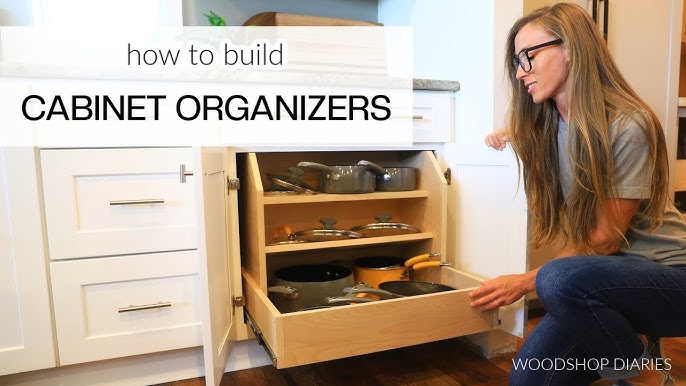
Are you ready to transform your kitchen into the heart of your home? Building your own kitchen base cabinets is not just a rewarding DIY project, it’s a chance to tailor your space exactly to your needs.
Imagine creating cabinets that fit perfectly with your style and functionality, all while saving money. In this guide, you’ll discover step-by-step how to bring your vision to life, even if you’re a DIY novice. Feel the thrill of crafting something with your own hands, and watch your kitchen evolve into a place you truly love.
Let’s dive into the process and unlock the secrets to creating beautiful, custom kitchen base cabinets that make a real impact.
Essential Tools And Materials
Gather essential tools like a tape measure, saw, and drill. Choose durable materials like plywood and screws for sturdy cabinets.
Building kitchen base cabinets requires essential tools and materials. These ensure precision and ease during construction. Without the right tools, the project could become challenging. The quality of the materials impacts the longevity and appearance of your cabinets. Let’s explore what you need for this project.Tools You Need
- Measuring Tape:Accurate measurements ensure a perfect fit.
- Drill:Useful for making holes and assembling parts.
- Saw:A table saw is ideal for cutting panels.
- Clamps:Hold pieces together while glue dries.
- Square:Ensures corners are perfectly aligned.
- Level:Checks that surfaces are even and flat.
Materials You Need
- Wood Panels:Base for the cabinet structure.
- Screws:Secure parts together firmly.
- Glue:Provides additional hold for wood pieces.
- Hinges:Attach doors smoothly to the cabinet.
- Handles:Make opening doors easy.
- Finish:Protects wood and adds shine.
Safety Gear
- Gloves:Protect hands from sharp tools.
- Goggles:Shield eyes from debris.
- Dust Mask:Prevents inhalation of wood dust.
Planning And Measuring
Accurate measurements and detailed planning are key to building kitchen base cabinets. Determine dimensions based on available space and appliance needs. Create a checklist to ensure you have all materials and tools before starting construction.
Building kitchen base cabinets begins with careful planning and measuring. This initial step lays the foundation for a successful project. Accurate measurements ensure cabinets fit perfectly in your space. Planning involves visualizing the layout and functionality. Start with understanding your space, then move to design sketches. These steps are crucial for creating efficient and stylish cabinets.Space Assessment
Evaluate your kitchen’s layout. Identify areas for base cabinets. Measure width, depth, and height of available space. Consider door and appliance placement. Ensure enough room for cabinet doors to open. Note any obstacles like electrical outlets or plumbing. Use these details to guide your cabinet design.Sketching Designs
Draw your cabinet layout. Use graph paper for precise scaling. Mark positions for drawers and shelves. Include spaces for appliances if needed. Consider cabinet style and finishes. Sketch different designs. Compare options for functionality and aesthetics. Keep your kitchen workflow in mind. Make adjustments to improve access and storage.Cutting Cabinet Parts
Cutting cabinet parts involves precise measurements for kitchen base cabinets. Use quality materials for sturdy construction. Accurate cuts ensure fitting components and a seamless assembly process.
Cutting cabinet parts is a crucial step in building kitchen base cabinets. This stage demands attention to detail and precision, as each piece must fit together seamlessly for a sturdy and attractive cabinet. Whether you’re a seasoned DIY enthusiast or a first-timer, understanding the essentials of cutting cabinet parts will set you on the path to success.Selecting Wood
Choosing the right wood is the foundation of your project. You might consider plywood for its affordability and ease of use. It’s durable and offers a smooth finish, making it a popular choice for cabinets. Solid wood can add a touch of elegance but requires more care and precision. Consider your budget and the cabinet’s intended use when selecting your wood type. Always inspect the wood for warps or imperfections before buying.Precision Cutting Techniques
Accuracy is key when cutting cabinet parts. A table saw provides the precision needed for straight cuts. Ensure your saw blade is sharp and properly aligned to avoid rough edges. Consider using a circular saw for larger sheets of plywood. Use a straight edge or a guide to maintain accuracy. Measure twice and cut once to minimize waste and ensure each piece fits perfectly. Invest in quality measuring tools like a carpenter’s square and a tape measure. These tools are essential for achieving precise cuts and angles. Your attention to detail during this stage will pay off with a cabinet that fits together beautifully.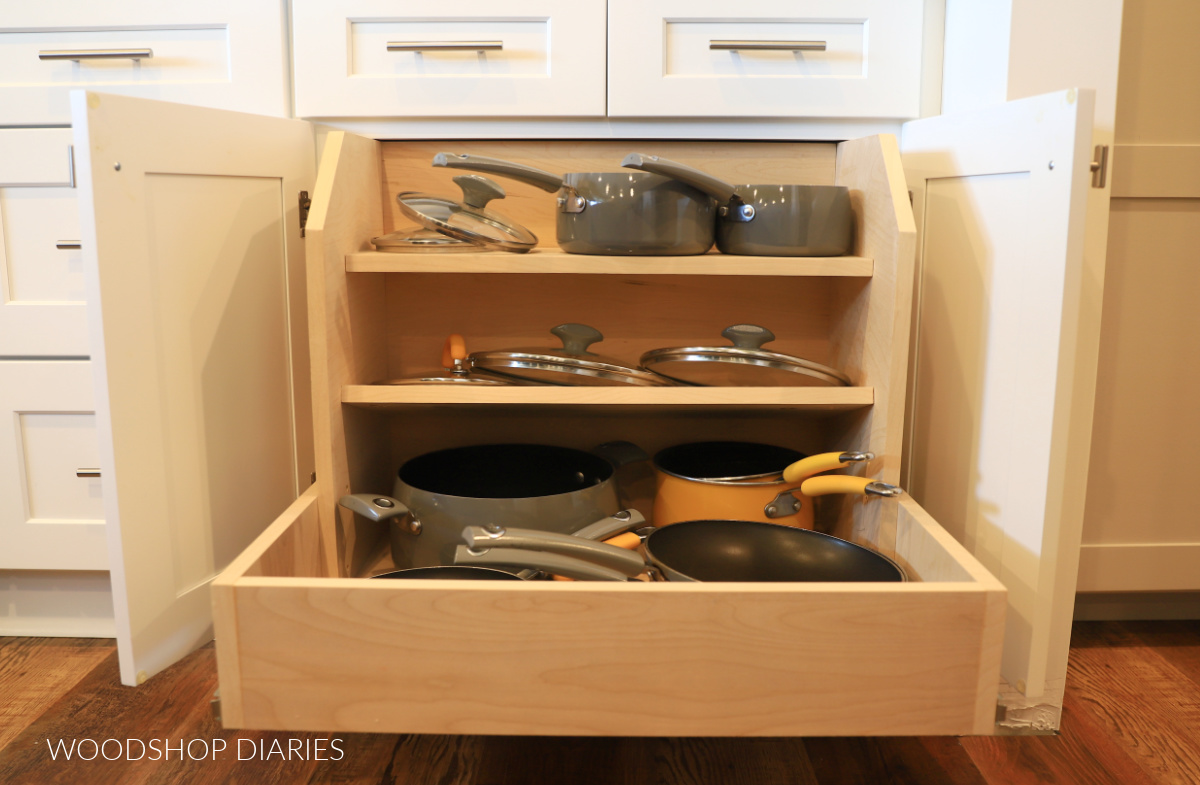
Credit: www.woodshopdiaries.com
Assembly Process
The assembly process of kitchen base cabinets is a crucial step in creating a functional and stylish kitchen. This process involves constructing the frame, attaching panels, and securing everything with screws. Each step is essential to ensure the durability and stability of the cabinets.
Building The Frame
Start by gathering all necessary materials. Use sturdy wood for the frame. Cut the wood to the required size. Assemble the base by connecting the pieces. Ensure the corners are square. Use clamps to hold the frame together while you work.
Attaching Panels
Once the frame is ready, it’s time to attach the panels. Use plywood or MDF for the panels. Measure and cut the panels to fit the frame. Align the panels with the frame edges. Use wood glue to attach the panels securely. Allow the glue to dry before moving to the next step.
Securing With Screws
Secure the panels and frame using screws. Choose screws that match the thickness of the wood. Drill pilot holes to prevent wood splitting. Insert screws at regular intervals for strength. Tighten the screws until everything feels secure.
Installing Hardware
Building kitchen base cabinets involves installing hardware like hinges and drawer slides. Properly aligning these components ensures smooth functionality and longevity. Careful measurements and quality tools make the process efficient and effective.
Installing hardware on kitchen base cabinets might seem like a daunting task, but it’s a crucial step that can greatly affect both functionality and aesthetics. The right hardware not only enhances the look of your cabinets but also ensures smooth operation. With some thoughtful choices and careful alignment, you can transform your kitchen space into a more efficient and beautiful area.Choosing Hinges And Handles
Selecting the right hinges and handles is about more than just style—it’s about usability and durability. Consider the frequency of use and the weight of your cabinet doors. Soft-close hinges are a popular choice for reducing noise and wear. Handles come in various shapes and finishes, from sleek modern pulls to classic knobs. Think about how these will complement your kitchen’s overall design. Matching the finish of your handles with other kitchen fixtures can create a cohesive look.Proper Alignment
Ensuring proper alignment of your hardware is key to achieving a professional look. Misaligned hinges can lead to crooked doors, while uneven handles can be an eyesore. Use a measuring tape and a level to ensure precision. A handy trick is to create a template for drilling holes. This can save you time and prevent mistakes. Remember, even a small misalignment can affect the functionality of your cabinets. Taking the time to meticulously install your hardware can make a significant difference. Have you ever noticed how a slight tilt in a handle can catch your attention every time you enter the room? Attention to detail is what transforms a good project into a great one.Finishing Touches
Finishing touches can transform your kitchen base cabinets from a simple DIY project to a professional masterpiece. These final steps are crucial in ensuring your cabinets not only look fantastic but also last for years. The secret to a polished finish lies in careful attention to detail, including sanding, painting, or staining.
Sanding And Smoothing
Sanding is your best friend when it comes to achieving a smooth surface. It removes any rough spots or imperfections, creating an ideal canvas for painting or staining. Start with a coarse grit sandpaper and gradually move to finer grits for a flawless finish.
Use a sanding block or an electric sander for even pressure. Don’t forget to sand the edges and corners, as these areas can easily be overlooked. How often have you seen cabinets with rough edges? That’s usually a sign of skipped sanding. Make sure you vacuum or wipe down the surfaces to remove all dust.
Painting Or Staining
Deciding between paint and stain can be a tough choice. Paint offers a wide range of colors and can create a sleek modern look. Stain, on the other hand, enhances the natural beauty of the wood, giving it a warm, rustic feel. Which style speaks to you?
If painting, apply a primer first to ensure the paint adheres well. Use a high-quality brush or roller for a smooth application. For staining, choose a stain that complements your kitchen’s color scheme. Apply it evenly with a cloth, following the wood grain for the best results.
Consider adding a sealant to protect the surface from wear and tear. It can extend the life of your cabinets significantly. A little extra effort now can save you from headaches later.
Installation In Kitchen
Installing kitchen base cabinets is a crucial step in kitchen remodeling. Proper installation ensures functionality and longevity. It brings new life to your kitchen space. This process involves precise positioning and secure attachment. Following the right steps makes the installation smooth and effective.
Positioning Cabinets
Start by measuring the space for the cabinets. Ensure the measurements are accurate. Place the cabinets along the designated wall. Check for levelness using a spirit level. Adjust as necessary to ensure balance. This prevents future issues with alignment.
Align the cabinets with marked guidelines on the wall. This helps in maintaining consistency. Consider the height of countertops for alignment. Positioning is key for a seamless look. Verify each cabinet fits perfectly within the space. This avoids gaps or overlaps.
Securing To Wall
Once positioned, secure the cabinets to the wall. Use screws designed for cabinet installation. This ensures they hold firmly. Drill pilot holes to prevent wood splitting. Fasten the cabinets, starting from the top corners. This provides stability.
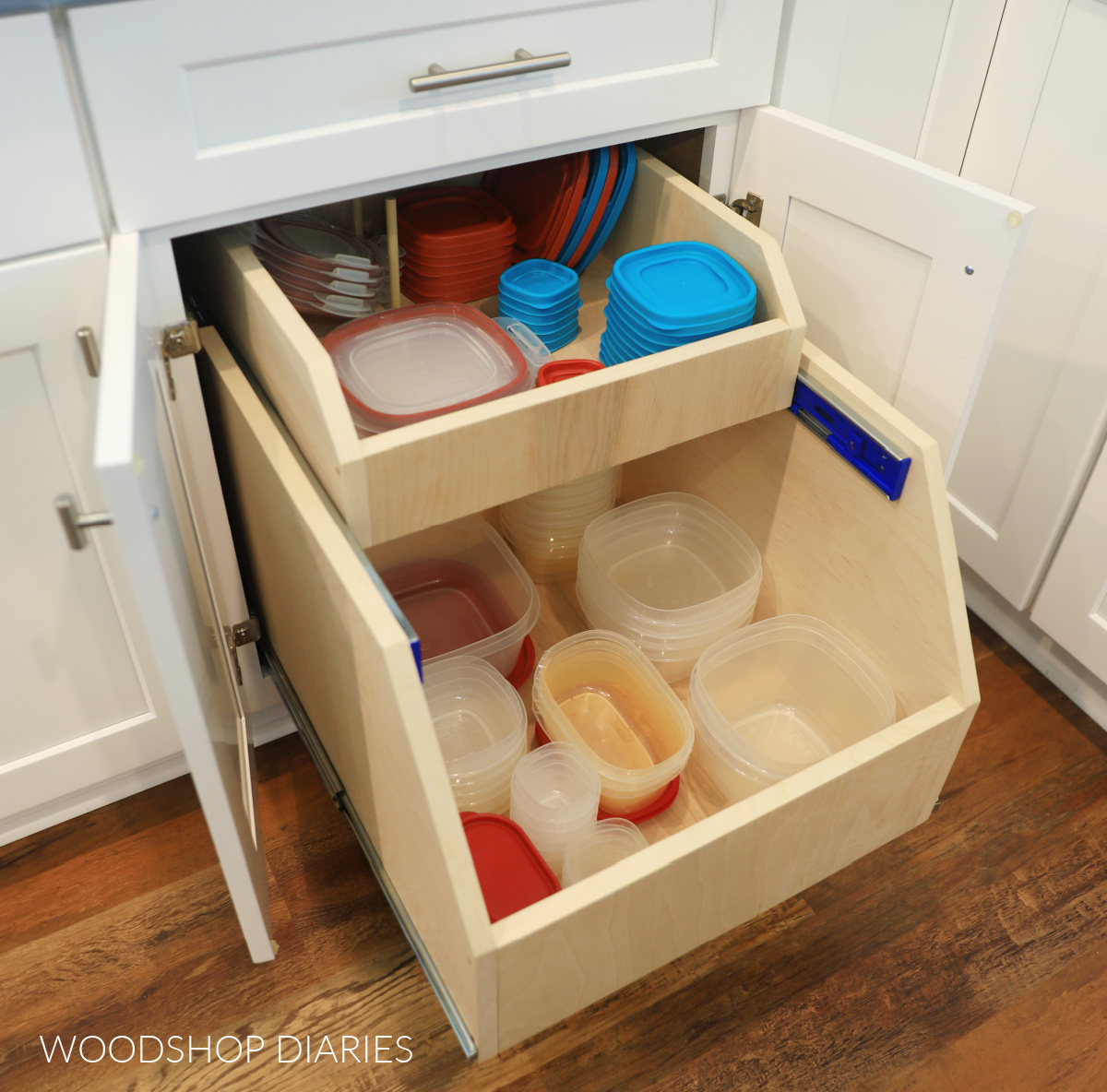
Check all fasteners are tight and secure. Ensure the cabinets do not wobble or shift. Repeat the process for each cabinet. Connect adjoining cabinets with screws to unify them. This creates a solid, integrated structure. Ensure the final setup is sturdy and reliable.
Credit: www.woodshopdiaries.com
Maintenance Tips
Building kitchen base cabinets requires careful planning and precise measurements. Use quality materials for durability and a professional finish. Regularly check tools for safety and accuracy to ensure smooth assembly.
Maintaining your kitchen base cabinets is essential to ensure their longevity and functionality. Proper care not only keeps them looking great but also prevents potential issues down the road. Let’s dive into some practical maintenance tips that will help you keep your cabinets in top condition.Cleaning Recommendations
Regular cleaning is key to maintaining the appearance of your kitchen base cabinets. Use a soft, damp cloth to wipe down surfaces, ensuring you remove any dirt or spills immediately. Avoid harsh chemicals, as they can damage the finish; instead, opt for mild soap or a dedicated wood cleaner. Make cleaning a routine task. A quick wipe after cooking can prevent grime buildup. Consider using a microfiber cloth, which is gentle and effective for dusting and polishing.Preventing Damage
Damage prevention starts with being mindful of how you use your cabinets. Avoid slamming doors and drawers, as this can weaken hinges and cause misalignment. Installing soft-close hinges can be a worthwhile investment for this reason. Protect cabinet surfaces by using liners inside drawers and shelves. These can prevent scratches and make cleaning easier. Be cautious with moisture; always wipe up spills promptly, especially around sink areas to prevent water damage. Have you ever noticed how a small habit can make a big difference? Implementing these simple practices can significantly extend the life of your kitchen base cabinets. What steps will you take to ensure your cabinets last for years to come?
Credit: www.youtube.com
Frequently Asked Questions
Is It Cheaper To Build Your Own Kitchen Cabinets?
Building your own kitchen cabinets is often cheaper than buying them. You save on labor costs and can customize materials. However, DIY requires time, skills, and tools, which could add to expenses. Consider your budget and abilities before deciding on a DIY approach for kitchen cabinets.
Can You Use 2×4 For Cabinet Base?
Yes, you can use 2×4 lumber for a cabinet base. It provides sturdy support and is cost-effective. Ensure the wood is properly treated to prevent warping or moisture damage. Always double-check measurements for a precise fit.
What Is The Best Wood For Base Cabinets?
Solid hardwood is ideal for base cabinets due to its durability and appealing aesthetics. Popular choices include oak, maple, and cherry. These woods provide strength and a timeless look, ensuring cabinets last long and enhance kitchen interiors. Properly treated, they resist moisture and warping, making them highly reliable.
Can A Beginner Make Kitchen Cabinets?
Yes, a beginner can make kitchen cabinets with the right tools and guidance. Start with simple designs and follow detailed tutorials. Practice basic woodworking skills and ensure precise measurements. Patience and attention to detail are key. Consider using pre-cut kits for easier assembly and better results.
Conclusion
Building kitchen base cabinets can be a rewarding project. With the right tools, anyone can do it. Measure carefully and cut precisely for the best results. Assemble the pieces with patience and care. Secure the cabinet firmly to the wall.
Check for level and alignment. Paint or stain for a finished look. The process might seem challenging, but it’s doable. You’ll enjoy the satisfaction of crafting something useful. Plus, it adds a personal touch to your kitchen space. Remember, practice makes perfect.
Keep learning, keep building. Happy woodworking!