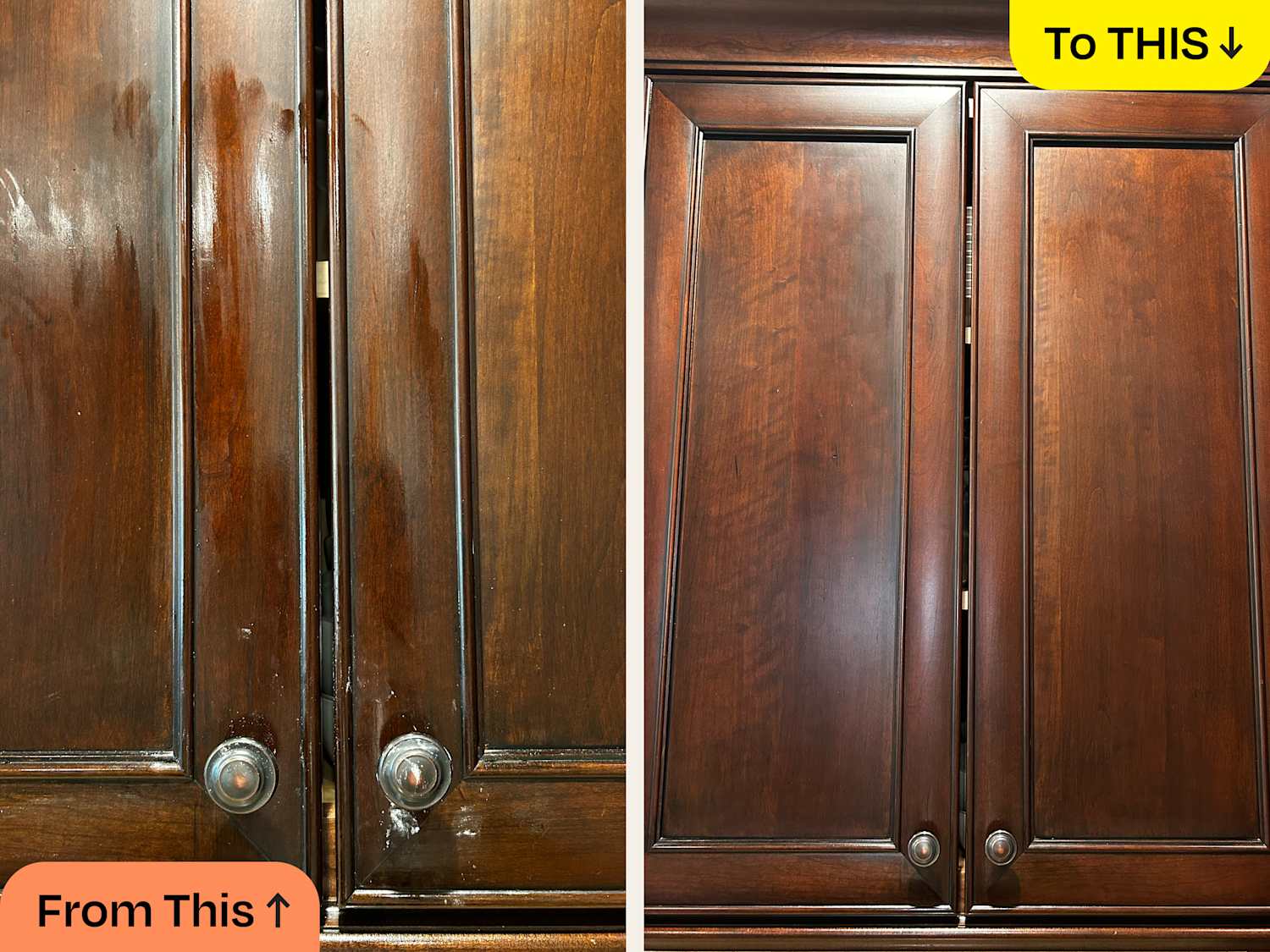
How to Clean Greasy Kitchen Cupboards: Quick Tips
Do you ever feel like no matter how often you wipe down your kitchen cupboards, they still seem to cling onto that stubborn, greasy residue? You’re not alone.
Greasy kitchen cupboards can be a nagging problem, making your cooking space feel less inviting and more like a cleaning battleground. The good news? There’s a solution, and it’s simpler than you might think. Imagine opening your cupboards to find them spotless and fresh, every single time.
This guide will show you exactly how to achieve that, using easy steps and materials you probably already have at home. Stick around to discover the secrets to transforming your kitchen cupboards from grimy to gleaming, and reclaim the joy of cooking in a clean environment. Your kitchen deserves it, and so do you.
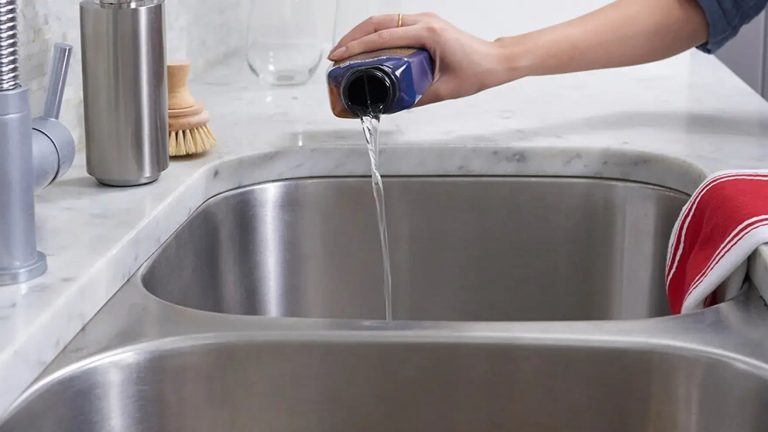
:max_bytes(150000):strip_icc()/SPR-how-pro-cleaners-clean-a-sink-11781060-6d7babfdf0074ca79564864a6c7325dd.jpg)
Credit: www.thespruce.com
Why Grease Builds Up
Grease builds up in kitchen cupboards due to cooking splatters and airborne particles. Over time, this creates a sticky layer. Cleaning regularly helps prevent thick layers from forming, making maintenance easier.
Grease buildup on kitchen cupboards is a common problem that many of us face. You might wonder why it happens, even if you clean regularly. The answer lies in the daily activities in your kitchen. Cooking, especially frying, releases tiny oil particles into the air. These particles settle on surfaces, forming a sticky layer over time. The main culprit behind greasy cupboards is the cooking process itself. When you cook, especially with oils and fats, they release vapors. These vapors contain oil droplets that float through the air. Grease buildup is not just about the type of cooking. The frequency of cooking also plays a role. If you’re cooking multiple meals daily, your kitchen is constantly exposed to these oil particles. Ventilation is another factor to consider. Without a good exhaust system, these particles have nowhere to go. They settle on the nearest surfaces, including your cupboards. Using the right kind of oil can also affect grease buildup. Some oils have higher smoke points, releasing more oil particles when heated. If you frequently use such oils, your cupboards can become greasy faster. Have you ever noticed that your cupboards around the stove are greasier than others? This is because they are in the direct line of these oil particles. Understanding why grease builds up can help you tackle the problem more effectively.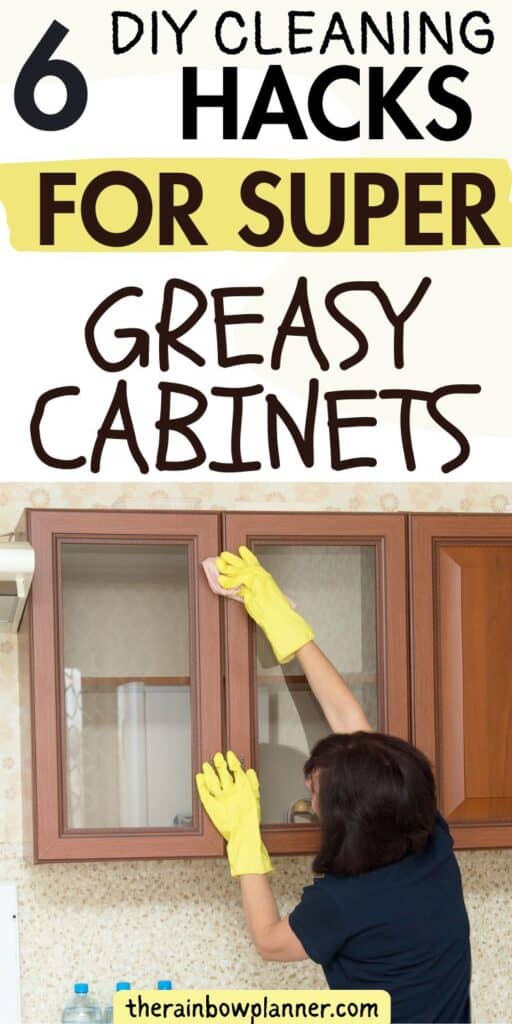
Credit: therainbowplanner.com
Essential Cleaning Supplies
Degreasing kitchen cupboards requires a few essential cleaning supplies. Begin with a gentle dish soap mixed with warm water. Use a microfiber cloth for scrubbing, followed by a vinegar solution to tackle stubborn grease.
Cleaning greasy kitchen cupboards may seem daunting, but with the right supplies, you’ll tackle the grime with ease. Think of these essential cleaning tools as your allies in achieving a spotless kitchen. They not only simplify the cleaning process but also ensure thorough results without damaging surfaces.Kitchen Degreaser
A powerful kitchen degreaser is a must-have. It cuts through the toughest grease and leaves surfaces sparkling clean. Choose a product that’s safe for your specific cupboard material, whether it’s wood, laminate, or stainless steel.Microfiber Cloths
Microfiber cloths are ideal for wiping down cupboards. They trap dirt and grease effectively without scratching the surface. Plus, they’re reusable, making them an eco-friendly choice.Baking Soda
Baking soda is a versatile cleaning agent. Mix it with water to create a paste that tackles stubborn stains. It’s gentle yet effective, perfect for scrubbing without causing damage.White Vinegar
White vinegar acts as a natural cleaner and deodorizer. It’s great for removing grease and lingering odors. Mix equal parts vinegar and water in a spray bottle for easy application.Dish Soap
Good old dish soap works wonders on grease. It’s mild yet powerful, especially when combined with warm water. Use it for regular cleaning to maintain your cupboard’s cleanliness.Soft-bristle Brush
A soft-bristle brush is excellent for getting into corners and crevices. It helps dislodge dirt that cloths can’t reach. Ensure the bristles are gentle to avoid scratches.Rubber Gloves
Protect your hands with rubber gloves. They shield your skin from harsh chemicals and hot water. Plus, they provide a better grip when scrubbing stubborn grease. Are you ready to tackle those greasy cupboards? Remember, a cleaner kitchen is just a few supplies away.Preparing Your Kitchen
Remove grease from kitchen cupboards with a mixture of warm water and mild dish soap. Scrub gently using a sponge or cloth to lift stubborn stains. Rinse with clean water and dry with a towel for a sparkling finish.
Preparing your kitchen for a thorough cleaning is like setting the stage for a successful performance. Before diving into scrubbing those greasy cupboards, it’s essential to create an environment that makes the task smoother and more efficient. You’ll want to ensure that your workspace is organized and protected, allowing you to focus solely on the cleaning process without any distractions or potential mishaps.Clearing The Area
Start by removing all items from your kitchen cupboards. Emptying them not only gives you access to every nook and cranny but also prevents your belongings from getting splattered with cleaning products. Consider this a mini decluttering session. As you clear the area, you might find expired spices or forgotten kitchen gadgets. Use this opportunity to reevaluate what you truly need. Are there items that have been untouched for months? Perhaps it’s time to part ways with them. Once everything is out, neatly stack them away from the cleaning zone. This way, you won’t accidentally knock over a jar or misplace anything during the cleaning frenzy.Protecting Surfaces
Now that the area is clear, it’s crucial to safeguard your kitchen surfaces. Cleaning products can be harsh, and you don’t want them damaging your countertops or floors. Lay down old towels or newspapers beneath the cupboards to catch any drips or spills. If you’re using a ladder or step stool to reach high cupboards, ensure it has rubber feet or place it on a non-slip mat. This prevents any scratches on your flooring and keeps you steady. Have you ever found your sink cluttered with cleaning rags and tools? To avoid this chaos, designate a specific spot for your cleaning supplies. Use a tray or basket to keep everything organized and within reach. This simple step saves time and prevents any potential mess from spreading across your kitchen surfaces.
Credit: www.facebook.com
Homemade Cleaning Solutions
Cleaning greasy kitchen cupboards can be challenging. Homemade cleaning solutions offer an effective and budget-friendly option. They use common household items and are eco-friendly. These solutions are gentle on surfaces while tough on grease. Let’s explore some easy-to-make mixtures that will make your cupboards sparkle.
Vinegar And Water Mix
Vinegar is a powerful cleaner. Mix equal parts of vinegar and water in a spray bottle. Spray the solution on greasy spots. Let it sit for a few minutes. Wipe with a clean cloth. This mixture cuts through grease effectively. It also disinfects and deodorizes your cupboards.
Baking Soda Paste
Baking soda is a natural scrubber. To make a paste, mix baking soda with a little water. The paste should be thick. Apply it to greasy areas with a sponge. Let it sit for 10-15 minutes. Scrub gently, then wipe with a damp cloth. Baking soda removes grease and leaves surfaces fresh.
Effective Cleaning Techniques
Cleaning greasy kitchen cupboards can be easy with a mix of vinegar and water. Apply, scrub gently, and wipe clean with a damp cloth. For stubborn spots, sprinkle baking soda on a damp sponge and scrub, then rinse.
Cleaning greasy kitchen cupboards can be quite a challenge, but with the right techniques, you can restore them to their original shine. Understanding effective cleaning techniques is crucial for tackling stubborn grease and grime without damaging your cabinets. Let’s explore two powerful methods that will help you achieve spotless cupboards.Wiping With A Cloth
Start with a microfiber cloth, which is gentle yet effective. These cloths are excellent for absorbing grease without scratching surfaces. – Warm Water and Dish Soap: Mix warm water with a few drops of dish soap. Soak the cloth, wring out excess water, and wipe down the cupboard surfaces. This simple solution helps break down grease. – Vinegar Solution: If you prefer natural cleaners, combine equal parts vinegar and water. Vinegar is a great degreaser that cuts through stubborn grime. Apply with a cloth and let it sit for a few minutes before wiping clean. Have you ever noticed how satisfying it is to see the cloth lifting away layers of grime? It’s a simple yet effective method that ensures your cupboards look fresh without harsh chemicals.Scrubbing Stubborn Spots
Sometimes, wiping alone isn’t enough for those stubborn spots. A bit of scrubbing can make all the difference. – Baking Soda Paste: Create a paste using baking soda and water. It acts as a gentle abrasive that won’t damage surfaces. Apply the paste to trouble spots with a soft brush or sponge, and scrub gently. – Magic Eraser: These sponges are designed for tough stains. Dampen the eraser and scrub directly on the greasy area. It’s surprisingly effective and often removes grime that other methods miss. – Old Toothbrush: For crevices and detailed areas, use an old toothbrush. Its bristles can reach into small spaces, ensuring thorough cleaning. Why not try these methods and see the transformation for yourself? You’ll find that a little elbow grease and the right tools can turn your greasy cupboards into gleaming surfaces.Addressing Tough Grease
Tackling greasy kitchen cupboards can be challenging. Begin by wiping with a mixture of vinegar and warm water. Finish by drying with a clean cloth to prevent residue.
Tackling the stubborn grease on kitchen cupboards can feel like an uphill battle. Grease accumulates over time, turning sticky and resistant to simple wiping. To restore your cupboards to their shiny glory, it’s essential to approach the task with effective methods and a bit of patience.Using Commercial Degreasers
Commercial degreasers are often the go-to for many households. They are designed specifically to break down tough grease, making your job easier. Brands like Simple Green or Krud Kutter are popular choices that can be found in most stores. Before applying a commercial degreaser, ensure that your cupboards are compatible with chemical cleaners. Some finishes may become damaged, so always do a patch test. Simply spray the degreaser onto a microfiber cloth and scrub the greasy areas. Don’t forget to wear gloves to protect your skin from harsh chemicals.Alternative Natural Methods
If you’re looking for a more natural approach, there are plenty of options available. Vinegar and baking soda are not just for baking; they make a powerful cleaning duo. Mix equal parts vinegar and water in a spray bottle and add a tablespoon of baking soda. Spray the solution onto the greasy areas and let it sit for about 10 minutes before wiping it clean with a damp cloth. Another alternative is using lemon juice. Its natural acidity helps break down grease while leaving a fresh scent. Squeeze some lemon juice onto a sponge and scrub away the grime. Do you have a favorite method for tackling greasy cupboards? Sometimes, a little creativity with household items can do wonders. Choose what works best for your home and give it a try.Maintenance Tips
Greasy kitchen cupboards need a gentle touch. Mix warm water with mild dish soap for a simple cleaning solution. Use a soft cloth to wipe away grime without scratching surfaces.
Maintaining clean kitchen cupboards can feel like a never-ending battle, especially when dealing with stubborn grease. However, with consistent maintenance, you can keep those cupboards looking as good as new. Here are some practical tips to help you maintain grease-free kitchen cupboards effortlessly.Regular Cleaning Routine
Establishing a regular cleaning routine is crucial to prevent grime buildup. Aim to clean your cupboards at least once a week. Use a mild detergent mixed with warm water and a soft cloth to wipe down the surfaces. This simple habit can stop grease from becoming a permanent resident in your kitchen. Keep cleaning supplies handy, maybe under the sink, to make this task less daunting. A quick wipe here and there can make all the difference.Preventing Future Buildup
Preventing grease buildup involves more than just cleaning. Consider using shelf liners—they act as a barrier between your cupboard surfaces and potential spills. Cooking with lids on pots and pans can significantly reduce the amount of grease that ends up on your cupboards. It’s a small change with a big impact. Think about the last time you checked your kitchen ventilation. A well-functioning range hood can drastically reduce airborne grease. Is it time for a filter change? By incorporating these simple practices, you can maintain a clean, welcoming kitchen space. What small change will you make today to keep your kitchen spotless?Safe Disposal Of Cleaning Waste
Safe Disposal of Cleaning Waste Properly dispose of greasy cleaning waste to prevent environmental harm. Use sealed bags for waste and consult local disposal guidelines.
Cleaning greasy kitchen cupboards can be a messy task. Once the cleaning is done, dealing with the waste is important. Safe disposal of cleaning waste ensures a healthy environment. Improper disposal can lead to harmful effects. It’s crucial to know the right ways.Understanding Cleaning Waste
Cleaning waste includes used rags, sponges, and cleaning solutions. These items often contain grease, dirt, and chemical residues. Disposing of them properly prevents environmental harm.Separate Recyclables From Non-recyclables
Identify items that can be recycled. This includes containers of cleaning products. Rinse them before recycling. Non-recyclable items should be disposed of carefully.Dispose Of Hazardous Materials Safely
Some cleaning products contain hazardous chemicals. Check labels for disposal instructions. Contact local waste management for guidance if unsure.Use Biodegradable Cleaning Products
Opt for biodegradable products to reduce waste impact. These products break down naturally. They are less harmful to the environment.Compost Organic Waste
Some kitchen waste can be composted. This includes food residues wiped from cupboards. Composting reduces the amount of waste in landfills.Minimize Waste Production
Use reusable cleaning tools. This reduces the amount of waste generated. Microfiber cloths and washable sponges are good options.Utilize Local Waste Disposal Services
Check if your area offers special waste disposal services. Many places have facilities for hazardous waste. Use these services for safe disposal.Frequently Asked Questions
How Do You Clean Dirty Greasy Kitchen Cabinets?
Use a mixture of warm water and dish soap. Scrub cabinets with a soft cloth. Rinse and dry. For stubborn grease, apply baking soda paste. Gently scrub, then rinse and dry.
What Is The Best Degreaser For Kitchen Cabinets?
Simple Green All-Purpose Cleaner is highly effective for kitchen cabinets. It removes grease and grime efficiently. The non-toxic formula makes it safe for daily use. You can also try Krud Kutter Original Concentrated Cleaner for tough stains. Always test a small area first for safety.
Does Magic Eraser Work On Greasy Cabinets?
Yes, magic erasers effectively clean greasy cabinets. Gently scrub the surface to remove grease and grime. Ensure the cabinet finish isn’t damaged by testing on a small area first. Magic erasers can be a quick solution for maintaining clean kitchen cabinets.
Does Murphy’s Oil Soap Remove Grease From Kitchen Cabinets?
Yes, Murphy’s Oil Soap effectively removes grease from kitchen cabinets. It cleans gently without harming the finish. Use a damp cloth with the soap for best results. This solution is safe for wood surfaces, leaving them clean and shiny. Always test a small area first to ensure compatibility.
Conclusion
Cleaning greasy kitchen cupboards is straightforward with simple steps. First, gather necessary supplies like vinegar and baking soda. These natural cleaners break down grease effectively. Start with wiping and scrubbing surfaces gently. Consistent cleaning prevents buildup and keeps cupboards fresh.
Regular maintenance makes future cleaning easier. Remember, patience is key. Grease doesn’t vanish instantly, but persistence pays off. Stick to your routine, and enjoy a cleaner kitchen. Your cupboards will thank you. Cleanliness boosts hygiene and enhances cooking enjoyment. Always prioritize a tidy space for better meals and a happier home environment.