A Cozy Kitchen Parker House Rolls: Perfect Comfort Food
Imagine the aroma of freshly baked bread wafting through your home, wrapping you in a warm embrace. Picture yourself pulling apart a soft, buttery roll that melts in your mouth, offering a comforting taste of nostalgia.
You don’t need to be a professional baker to achieve this delightful experience in your own kitchen. With Parker House Rolls, you can bring that cozy, inviting atmosphere to your dining table with ease. These rolls are not just bread; they are a way to show love to your family and friends.
As you read on, discover how you can effortlessly create these heartwarming rolls, turning any meal into a cherished moment. Get ready to transform your kitchen into a haven of comfort and deliciousness that you can share with those you care about.
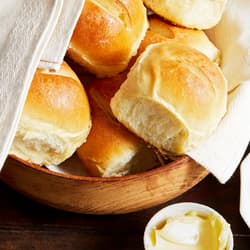
Credit: www.punchfork.com
Origins Of Parker House Rolls
The Parker House Rolls, with their buttery texture and soft, fluffy interior, have been a beloved staple in American kitchens for generations. Originating in the 19th century, these rolls carry a rich history that speaks to both tradition and innovation in baking. Their story is as inviting as their taste, offering insights into culinary evolution and the irresistible charm of classic recipes.
The Birth Of A Culinary Icon
The origins of Parker House Rolls trace back to the Parker House Hotel in Boston, Massachusetts. Established in the 1850s, the hotel quickly became a hub for travelers and locals alike. The hotel’s kitchen crafted these rolls to complement their luxurious dining experience, aiming to delight guests with a unique offering.
Accidental Creation Or Culinary Genius?
A fascinating tale surrounds the creation of these rolls. Legend has it that an angry pastry chef tossed unfinished dough into the oven, inadvertently creating the iconic fold and buttery texture. Was this a happy accident or a stroke of culinary genius? It certainly adds a layer of intrigue to their story.
Popularity Through The Ages
Parker House Rolls gained popularity as word spread of their delightful taste and texture. By the late 19th century, they were gracing tables across America, becoming a staple in households and restaurants. Their ability to complement any meal and satisfy palates contributed to their lasting appeal.
Why Do We Love Them?
There’s something magical about biting into a warm Parker House Roll. Is it the buttery richness or the soft, pillowy interior that keeps us coming back for more? Their simple ingredients create a comforting experience, making them a favorite in both holiday feasts and everyday dinners.
What do you think makes a recipe timeless? Is it the taste, the history, or perhaps the stories that you create around it? As you savor your next batch of Parker House Rolls, let their origins remind you of the simple pleasures in life and the stories that continue to unfold with every bite.
Essential Ingredients
Creating the perfect Parker House rolls starts with understanding the essential ingredients that make these rolls irresistibly soft and buttery. Each ingredient plays a vital role in achieving the desired texture and flavor. As you gather your ingredients, consider how each one contributes to the magic that is about to unfold in your kitchen. Are you ready to discover what makes these rolls so special?
Flour
Flour forms the backbone of Parker House rolls, providing structure and a soft crumb. Opt for all-purpose flour for a balanced texture. If you’re feeling adventurous, try experimenting with bread flour for a chewier roll.
Yeast
Yeast is the key to making your rolls rise to fluffy perfection. Choose active dry yeast for dependable results. Remember to check its expiration date. Fresh yeast is your ally, ensuring your rolls puff up beautifully.
Sugar
Sugar not only adds a touch of sweetness but also feeds the yeast, helping your dough rise. A few tablespoons will suffice. Consider brown sugar for a deeper flavor, enhancing the buttery richness.
Milk
Milk enriches the dough, lending a tender crumb. Whole milk is ideal, but you can use half-and-half for extra richness. Warm it slightly to activate the yeast—just warm enough to touch.
Butter
Butter is the star ingredient, imparting a luxurious flavor. Use unsalted butter to control the salt content. Melt it and brush generously over the rolls before baking for that iconic golden sheen.
Eggs
Eggs add moisture and richness, binding the dough together. Ensure they’re at room temperature for easy incorporation. They also contribute to the rolls’ lovely color and soft texture.
Salt
Salt enhances all the flavors, balancing sweetness and adding depth. Don’t underestimate its power—just a pinch can elevate your rolls from good to great. Ensure it’s evenly distributed in the dough.
As you prepare your kitchen for this delightful baking adventure, consider how each ingredient impacts the final product. With every roll, you’re not just making bread; you’re crafting a warm, comforting experience. Are you ready to savor the simple joys of homemade Parker House rolls?
Step-by-step Preparation
Create a warm kitchen atmosphere by preparing Parker House Rolls. Gather simple ingredients like flour, yeast, and butter. Knead the dough until smooth, allowing it to rise in a cozy corner. Bake until golden, filling your kitchen with irresistible aromas.
Enjoy these soft rolls with your favorite meal.
Step-by-step preparation of Parker House Rolls takes you on a delightful baking journey, ensuring each roll turns out soft, buttery, and irresistible. Whether you’re a seasoned baker or a beginner, following these steps will lead you to success. Let’s dive into the process and make your kitchen a cozy haven for homemade goodness.Mixing The Dough
Begin your adventure by gathering all the necessary ingredients. Measure out flour, sugar, salt, and yeast. In a large mixing bowl, combine these dry ingredients. Add warm milk and melted butter to the mix, stirring until it forms a sticky dough. The smell of fresh yeast and butter mingling is a promise of deliciousness to come. How does your kitchen smell right now?Kneading Techniques
Once your dough is mixed, turn it onto a floured surface. Knead with your hands, pushing the dough away with the heel of your palm, then folding it back towards you. Repeat this motion for about 8-10 minutes. You’ll feel the dough transform under your hands, becoming smooth and elastic. Keep an eye out for the moment it springs back when poked.First Rise Process
Place the kneaded dough in a greased bowl and cover it with a damp cloth. Allow it to rise in a warm place until it doubles in size, usually about 1-2 hours. The anticipation builds as you watch it grow, knowing the effort is worthwhile. Consider where you place the dough to rise—could a sunny windowsill be the ideal spot?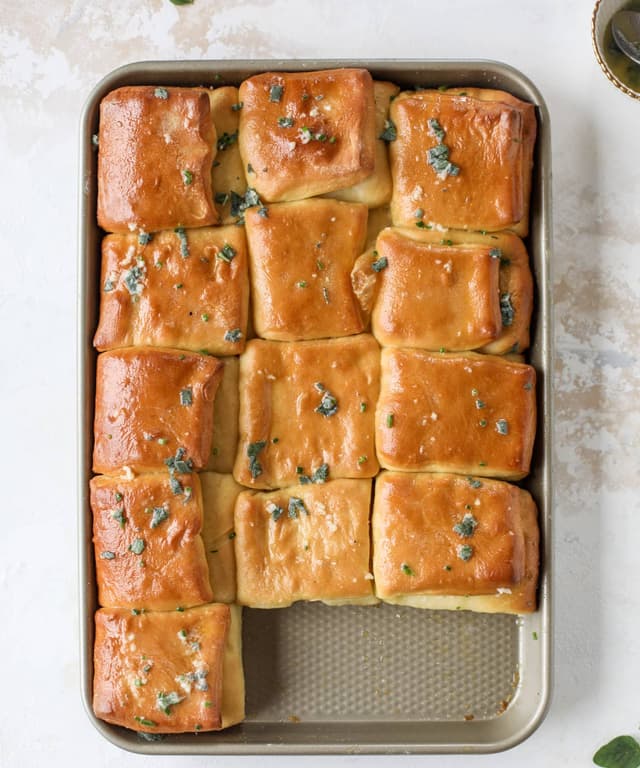
Credit: www.punchfork.com
Shaping The Rolls
Shaping the rolls for Parker House Rolls brings warmth to your kitchen. These soft, buttery delights are perfect for any meal. Enjoy the simple pleasure of homemade bread with each bite.
Shaping the rolls is a crucial step in creating the perfect batch of Parker House Rolls. The way you shape each roll can affect not only the appearance but also the texture and even the taste. It’s an art that combines technique with a personal touch. Whether you stick with the traditional folding method or get creative with alternative shapes, shaping is where your personal flair meets classic baking tradition. Let’s dive into the different methods and see how you can make your rolls stand out at the dinner table.Traditional Folding Method
The traditional folding method is a beloved technique that adds a unique character to Parker House Rolls. Start by rolling out the dough into a rectangle. Aim for about 1/2 inch thickness to ensure a fluffy rise. Cut the dough into strips, then into rectangles. Fold each rectangle in half, pressing lightly at the seam. This gives the rolls their signature half-moon shape and helps them to rise beautifully. Remember, gentle handling is key here. Too much pressure can prevent them from puffing up delightfully in the oven. Have you ever noticed how the simplest techniques often yield the most satisfying results?Alternative Shapes
Feeling adventurous? Experimenting with alternative shapes can add a fun twist to your baking routine. Try making knots by rolling the dough into ropes and tying them loosely. This shape gives each roll a unique, rustic look. Another option is to form round balls and nestle them closely in a baking dish. This method creates pull-apart rolls that are perfect for sharing. You might even consider crescent shapes for a more elegant presentation. Whatever shape you choose, your creativity can transform a simple roll into a work of art. Which shape will you try first?Baking Tips
Baking the perfect Parker House Rolls in your cozy kitchen can be a delightful experience, especially when you have a few handy tips up your sleeve. To ensure these soft, buttery rolls come out just right, it’s important to focus on some key elements during the baking process. From the oven temperature to checking if they’re perfectly cooked, every detail makes a difference.
Optimal Oven Temperature
Getting the oven temperature just right is crucial for these rolls. Generally, a temperature of 375°F (190°C) works best. This allows the rolls to rise beautifully, developing a golden-brown crust while remaining soft inside. If your rolls seem to brown too quickly, consider lowering the temperature slightly.
Ever wondered why they sometimes turn out too dense or undercooked? It might be due to fluctuating oven temperatures. Using an oven thermometer can help you keep track and ensure consistent results.
Checking For Doneness
Knowing when your rolls are done can save you from the disappointment of undercooked dough. A reliable way is to tap gently on the top—if it sounds hollow, they’re ready. Another tip is to look for a deep golden-brown color on the surface.
Feeling unsure? You can also use a kitchen thermometer. Aim for an internal temperature of about 190°F (88°C). This ensures the inside is cooked without drying out the rolls. Have you ever pulled out rolls that looked perfect but were raw inside? Checking doneness can prevent this common mishap.
Serving Suggestions
Serve these warm Parker House Rolls with creamy butter or a hint of honey. Pair with hearty soups or fresh salads for a comforting meal. Enjoy them as a delightful side dish or a tasty snack.
When serving A Cozy Kitchen Parker House Rolls, there are countless ways to enjoy them. These soft, buttery rolls complement a variety of dishes. Whether as a side or a main component, they shine on any table.Pairing With Meals
A Cozy Kitchen Parker House Rolls go well with many dishes. Serve them with hearty soups or creamy stews. They absorb flavors well, enhancing every bite. Perfect for holiday dinners or family gatherings. Pair them with roasted meats or grilled vegetables. Their buttery texture complements savory dishes beautifully.Creative Toppings
Get creative with toppings for these versatile rolls. Try garlic butter for a savory twist. Or sprinkle with sea salt for added crunch. For a sweet option, drizzle with honey or maple syrup. Add cheese for a rich flavor, or herbs for freshness. Each topping transforms these rolls into something special.Storing And Reheating
Parker House Rolls stay fresh by storing in an airtight container at room temperature. For reheating, wrap them in foil and warm in the oven at 350°F for 10 minutes.
Storing and reheating your cozy kitchen Parker House rolls can make a significant difference in maintaining their delicious, buttery flavor. Whether you’ve baked them for a family gathering or simply want to enjoy them over several days, proper storage and reheating are key to keeping them fresh and tasty. Let’s dive into the best practices for storing and reheating these delightful rolls, ensuring they remain as scrumptious as when they first came out of the oven.Best Storage Practices
To keep your Parker House rolls fresh, you’ll want to store them properly. Start by allowing the rolls to cool completely at room temperature to prevent condensation, which can make them soggy. Once cooled, place them in an airtight container or resealable plastic bag. If you’re planning to enjoy them within a couple of days, they can be left on the counter. For longer storage, consider freezing. Wrap each roll individually in plastic wrap before placing them in a freezer-safe bag. This will help in preserving their texture and flavor.Reheating For Freshness
Reheating these rolls is a breeze and can bring back their fresh-from-the-oven allure. If they were stored at room temperature, preheat your oven to 350°F (175°C), wrap the rolls in aluminum foil, and heat them for about 10 minutes. For frozen rolls, allow them to thaw at room temperature before reheating. You can also use a microwave for a quick reheat. Place a damp paper towel over the rolls and microwave on medium for about 10 seconds per roll, checking to avoid over-drying. Have you ever noticed how the aroma of freshly baked rolls can instantly uplift your mood? By storing and reheating correctly, you can relive that comforting experience any time, ensuring every bite is as delightful as the first.Nutritional Benefits
Discover the nutritional benefits of Parker House Rolls. These soft, buttery rolls offer essential carbohydrates for energy. They are a delightful source of fiber, aiding digestion and keeping you satisfied.
When you think of Parker House Rolls, the first thing that might come to mind is their soft, buttery texture and irresistible taste. But did you know they also offer some surprising nutritional benefits? Let’s dive into what makes these rolls a delightful addition to your meal, not just for the flavor, but for the health perks as well.Rich Source Of Carbohydrates
Parker House Rolls are an excellent source of carbohydrates, which are essential for providing your body with energy. Carbs are the body’s primary fuel source, especially for the brain and muscles. Enjoying these rolls can give you that needed energy boost during a busy day.Contains Essential Vitamins And Minerals
These rolls are often made with enriched flour, which means they include added nutrients such as iron and B vitamins like thiamine, riboflavin, niacin, and folic acid. These vitamins are crucial for energy production and maintaining good health. Iron, for example, plays a vital role in carrying oxygen throughout your body.Low In Sugar
Surprisingly, Parker House Rolls can be relatively low in sugar compared to other baked goods. This makes them a more balanced option for those watching their sugar intake. Pair them with a savory dish, and you have a wholesome meal that doesn’t overload you with sweetness.Source Of Protein
Though not high in protein, Parker House Rolls can still contribute to your daily protein intake. This is important for muscle repair and growth. Consider serving them with a protein-rich dish like chicken or beef to enhance your meal’s nutritional value.Customizable For Dietary Needs
One of the great things about Parker House Rolls is their adaptability. You can make adjustments to suit your dietary needs, like using whole wheat flour for added fiber. Have you ever tried experimenting with different ingredients to make them even healthier? Incorporating Parker House Rolls into your meals doesn’t have to be just about indulgence. With these nutritional benefits, they can be part of a balanced diet. So, next time you bake a batch, remember that you’re not just treating your taste buds but also giving your body some valuable nutrients.Variations To Explore
Explore delightful variations of cozy kitchen Parker House rolls. Try adding herbs for a savory touch. Sweeten with honey or cinnamon for a dessert-like experience.
A Cozy Kitchen’s Parker House Rolls are an absolute delight, but did you know there’s a whole world of variations waiting for you to try? Whether you have a sweet tooth or prefer a savory bite, there’s something for everyone. Let your imagination run wild and transform these classic rolls into a new favorite with these enticing ideas.Sweet Variations
Imagine biting into a warm Parker House Roll, its sweetness dancing on your taste buds. You can achieve this by adding a touch of honey or a sprinkle of cinnamon sugar before baking. A friend of mine swears by mixing in a handful of raisins or dried cranberries to the dough for a delightful surprise in every bite. Another idea is to top the rolls with a light glaze made from powdered sugar and milk. This adds a beautiful sheen and a sweet finish. Do you have a favorite jam or marmalade? Try spreading a thin layer on the dough before rolling it up, creating a swirl of sweetness inside.Savory Additions
If savory is more your style, consider incorporating some herbs or cheese into your rolls. Rosemary, thyme, or chives can be finely chopped and kneaded into the dough for a fresh and aromatic touch. A sprinkle of grated Parmesan or cheddar on top before baking creates a golden, cheesy crust that’s hard to resist. Feeling adventurous? Add a hint of garlic powder or onion flakes to the dough for an extra flavor kick. You could even stuff the rolls with a small cube of cheese or a slice of pepperoni for a gooey, savory center. What other savory ingredients do you think would elevate your Parker House Rolls?
Credit: www.pinterest.com
Frequently Asked Questions
What Are Parker House Rolls?
Parker House Rolls are soft, buttery dinner rolls originating from the Parker House Hotel in Boston. They are known for their distinctive fold, creating a fluffy texture. Perfect for holiday dinners, these rolls are a classic comfort food, often enjoyed fresh from the oven.
How Do You Make Parker House Rolls?
To make Parker House Rolls, combine flour, yeast, sugar, salt, milk, and butter. Knead the dough until smooth, then let it rise. Shape the rolls and let them rise again. Bake until golden brown for about 15 minutes. Brush with melted butter before serving.
Can Parker House Rolls Be Frozen?
Yes, Parker House Rolls can be frozen. After baking, cool them completely before wrapping tightly in plastic wrap and placing them in a freezer bag. They can be frozen for up to three months. Reheat them in the oven before serving for best results.
What Makes Parker House Rolls Unique?
Their soft, buttery texture and distinctive fold make Parker House Rolls unique. The fold creates layers, making the rolls fluffy and light. Originating from the historic Parker House Hotel, these rolls have a rich history and are a staple in American cuisine.
Conclusion
Parker House Rolls bring warmth and comfort to any kitchen. Their fluffy texture and buttery taste make them a delightful treat. Perfect for family gatherings or solo indulgence. Baking them fills your home with a cozy aroma. Enjoy them fresh from the oven with jam or butter.
These rolls are simple to make and please every palate. A recipe worth sharing with loved ones. Experience a homemade touch that adds joy to your meals. Try baking Parker House Rolls for a cozy kitchen feel. Delight in every bite.