How to Get Rid of Ants from the Kitchen: Proven Tips
Do you find yourself in a constant battle with ants invading your kitchen? You’re not alone.
Ants are persistent little creatures, and once they’ve found a way into your home, it can feel like an endless struggle to keep them out. They crawl across countertops, sneak into sugar jars, and disrupt the peace of your culinary haven.
But don’t worry—you’re about to discover effective strategies to reclaim your kitchen from these uninvited guests. By the end of this article, you’ll have a clear plan and simple solutions to banish ants for good, ensuring your kitchen remains a clean and ant-free zone. Ready to say goodbye to ants and hello to a spotless kitchen? Let’s dive in!
Identify Ant Species
Identify ant species to effectively eliminate them from your kitchen. Different ants require unique solutions for removal. Understanding their behavior helps in choosing the right method.
Identifying the ant species invading your kitchen is crucial for effective removal. Different ant species have unique behaviors, food preferences, and nesting habits. By understanding which species you’re dealing with, you can tailor your approach for maximum impact.Common Ant Species Found In Kitchens
In your kitchen, you might encounter common ant species such as the odorous house ant, Argentine ant, and pavement ant. Each of these species has its quirks, making identification important.Characteristics Of Odorous House Ants
These ants emit a distinct smell similar to rotten coconuts when crushed. They’re small, dark brown or black, and often follow scent trails to sugary foods.Identifying Argentine Ants
Argentine ants are light brown and form large colonies. They prefer sweets but can also be drawn to meat and greasy foods. Their colonies can be massive, sometimes covering entire city blocks.Pavement Ant Behavior
Pavement ants are dark brown and typically nest under stones or concrete slabs. They’re attracted to a variety of food sources, from sugary substances to proteins.Why Accurate Identification Matters
Knowing the species helps you choose the right bait and treatment method. Would you use the same approach for sugar-loving ants as you would for protein-hungry ones? Accurate identification prevents wasted efforts and resources.Tools For Identifying Ant Species
A magnifying glass can help you spot subtle differences in color and size. Online guides and mobile apps can assist in matching your findings with known species. Consider keeping a log of your observations to track patterns and behavior. Understanding the ants in your kitchen is the first step to reclaiming your space. Have you ever misidentified ants and faced unexpected challenges? Accurate identification not only saves time but also ensures the ants don’t return.Common Entry Points
Identifying common entry points is crucial for keeping ants out of the kitchen. Check windows, doors, and cracks where ants may enter. Seal these areas using caulk or weather stripping to block their path effectively.
Getting rid of ants from your kitchen begins with understanding their common entry points. These tiny invaders are masters at finding ways to access your home, often exploiting the smallest of openings. Identifying and sealing these entry points can be a game-changer in your battle against ants.Cracks In Walls And Floors
Ants often enter through cracks in walls and floors. These tiny gaps are like highways for ants, providing easy access to your kitchen. Regularly inspect these areas and use caulk or sealant to block their path.Windows And Doors
Check around windows and doors for gaps. Even the smallest openings can be inviting to ants. Consider installing weather stripping to ensure a tight seal.Pipes And Vents
Pipes and vents leading outside can be another entry point. Ants can crawl through spaces around plumbing or ventilation systems. Use expanding foam or mesh screens to close off these areas.Foundation And Exterior Walls
Walk around your home’s exterior and inspect the foundation and walls. Ants can sneak in through cracks or holes. Repair any damage you find and use pest-resistant materials when possible.Gaps Around Electrical Outlets
Sometimes ants find their way in through gaps around electrical outlets. These unnoticed spaces can be a secret passage. Seal these gaps with outlet covers or caulk to prevent entry. By addressing these entry points, you can effectively prevent ants from invading your kitchen. How many of these potential entry points have you overlooked in your home?Natural Repellents
Natural repellents like vinegar, lemon, and peppermint can effectively deter ants from invading the kitchen. These common household items disrupt ant trails and keep them at bay without chemicals. Simple to use, they provide a safe and eco-friendly solution for maintaining a clean kitchen environment.
Dealing with ants in the kitchen can be a frustrating ordeal. Fortunately, you don’t have to resort to harsh chemicals to send these uninvited guests packing. Natural repellents offer effective solutions, allowing you to combat ants while keeping your kitchen safe and chemical-free. Curious about how simple household items can help? Let’s explore some of the best natural options.Vinegar Solution
Vinegar is more than just an ingredient in your salad dressing; it’s a powerful ant deterrent. Mix equal parts of water and white vinegar in a spray bottle. Use this solution to wipe down surfaces, especially areas where you’ve noticed ants congregating. The strong scent disrupts their scent trails, confusing them and making your kitchen less appealing. You might be surprised at how quickly this simple method can reduce ant activity. Have you tried it yet? If not, give it a go and see the difference.Essential Oils
Ants detest the potent aroma of certain essential oils. Peppermint, tea tree, and eucalyptus oils are particularly effective. Add a few drops to water and spray around entry points or infested areas. Not only will this drive ants away, but it also leaves your kitchen smelling fresh and inviting. Consider keeping a small bottle of your favorite essential oil handy. Whenever you spot ants, a quick spritz can do wonders. Which oil do you think you’ll try first?Citrus Peels
Don’t toss those citrus peels just yet! They contain d-limonene, a compound toxic to ants. Place fresh peels near windowsills, doorways, or other entry points. Alternatively, grind the peels and mix them with water to create a spray. This method is not only effective but also eco-friendly. Plus, it repurposes something you might otherwise discard. Have citrus peels on hand? Put them to work today and watch those ants disappear.
Credit: www.exterminatoroakville.ca
Homemade Ant Baits
Create effective homemade ant baits to tackle kitchen infestations. Mix sugar with borax for a simple solution. Place it near ant trails and let it work its magic.
Ants marching through your kitchen can be more than just a small annoyance. They can quickly invade your pantry and feast on your food. The good news is, you don’t always need harsh chemicals to deal with them. Homemade ant baits can be effective and safe, using simple ingredients you probably already have at home. Let’s dive into a couple of popular DIY solutions that can help you reclaim your kitchen from these tiny invaders.Sugar And Borax Mix
A combination of sugar and borax is a classic homemade ant bait. Ants are attracted to sugar, which acts as the bait, while borax serves as the lethal agent. To create this mixture, blend one part borax with three parts sugar. Spread this mixture near ant trails in shallow dishes or on small pieces of cardboard. When ants carry the bait back to their colony, it disrupts their digestive systems, eliminating them effectively. However, it’s important to keep this mixture away from pets and children.Honey Traps
Honey traps are another simple yet effective solution. Ants can’t resist the sweet, sticky allure of honey. Place a small amount of honey on a piece of wax paper or in a shallow container. As ants consume the honey, they become trapped and unable to return to their colony. This method is particularly useful for catching ants in isolated areas. If you’ve ever struggled with ants around your sugar jar, you know how tempting sweet substances are for them. Have you ever wondered why ants are so drawn to sugar and honey? They have a remarkable sense of smell, allowing them to detect these sweet treasures from afar. So, using their own instincts against them with homemade baits can be an effective way to keep your kitchen ant-free.Store-bought Solutions
Store-bought ant baits and sprays offer practical solutions for kitchen invasions. These products target ants effectively, ensuring a clean and pest-free space. Choose a formula designed for food areas to keep your kitchen safe.
Tired of seeing ants march across your kitchen counters? Store-bought solutions might be your ticket to reclaiming your space. These ready-to-use products offer effective ways to tackle ant invasions, without the fuss of DIY methods. They are convenient, widely available, and designed to target ants effectively. Let’s explore some popular options and see which might work best for your kitchen.Ant Sprays
Ant sprays are a quick fix for visible ant trails. These sprays work instantly to kill ants on contact. They are useful for immediate results but often don’t address the root of the problem—killing the colony. When using an ant spray, direct the nozzle towards the ants and spray liberally. Remember to read the label for safety instructions, especially if you have pets or kids around. It’s a great option when you need a fast solution to a sudden ant invasion.Gel Baits
Gel baits are a strategic approach to dealing with ants. These baits attract ants with a tempting substance, which they then carry back to their colony. Over time, this can lead to the elimination of the entire colony. Apply gel baits along ant trails or near entry points. Be patient; it might take a few days to see results. This method is ideal for those who want a long-term solution rather than a quick fix.Ant Traps
Ant traps are another effective store-bought solution. These traps contain bait that lures ants inside. Once inside, the ants are exposed to a poison they carry back to their nest. Place ant traps near areas of high ant activity. Check the traps regularly and replace them as needed. Ant traps are a discreet option if you don’t want sprays or gels visible in your kitchen. Which method resonates with you the most? Consider your specific ant problem and choose a solution that fits your needs. Whether you’re looking for instant relief or a long-term strategy, store-bought options have you covered.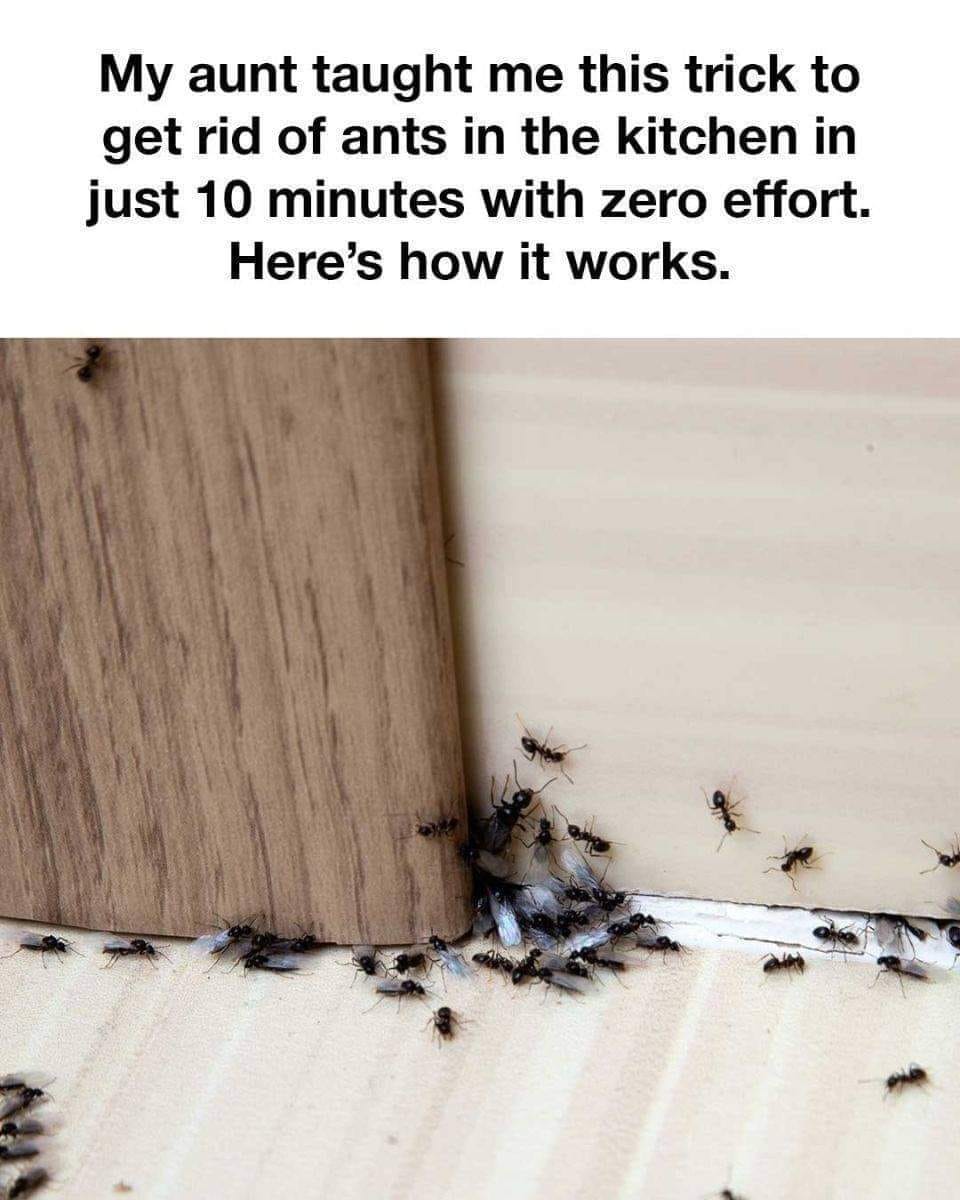
Credit: www.facebook.com
Preventive Measures
Keep counters clean and dry to discourage ants. Store food in sealed containers to prevent ant access. Regularly take out the trash and clean up spills to remove potential attractants.
Preventive measures are key to keeping ants out of your kitchen. By taking some simple steps, you can stop these tiny invaders from making themselves at home. Let’s explore how sealing cracks, proper food storage, and regular cleaning can help keep your kitchen ant-free.Sealing Cracks
Ants often find their way in through small cracks and gaps. Inspect your kitchen for any openings. Use caulk to seal cracks in walls, floors, and around windows. Check for gaps in doors and windows. Weatherstripping can help close these gaps and block entry points. This simple step can make a big difference.Proper Food Storage
Ants are attracted to food left out in the open. Store food in airtight containers. This prevents ants from smelling and accessing it. Make sure pantry items are sealed tightly. Keep fruits and vegetables in the refrigerator. This reduces the risk of attracting ants to the kitchen. Proper storage can deter ants from coming inside.Regular Cleaning
Keeping your kitchen clean is crucial in preventing ants. Wipe down counters and floors daily. Clean up spills immediately to avoid attracting ants. Don’t forget to clean under appliances. Ants can hide in these spots if crumbs and spills are left. Regular cleaning helps maintain a fresh and ant-free environment.Professional Pest Control
Professional pest control can efficiently eliminate ants from your kitchen. Experts use safe methods to target ant colonies, ensuring they don’t return. Keep your kitchen clean and store food properly to prevent future infestations.
When dealing with ants in the kitchen, professional pest control can be a wise choice. Experts bring experience and specialized tools. They ensure effective solutions for ant infestations. Professional services often provide long-term results and peace of mind. Let’s explore how professionals tackle this common kitchen issue.Understanding The Ant Problem
Professional pest control begins with understanding the ant problem. Experts identify the species. This helps in choosing the right treatment. Different ants require different approaches. Knowing their behavior is key to effective control.Inspection And Assessment
The inspection is a crucial step. Professionals thoroughly examine the kitchen. They locate ant trails and entry points. This helps in creating a targeted plan. An assessment also evaluates the extent of the infestation.Customized Treatment Plans
Professionals design customized treatment plans. These plans are based on the inspection findings. They use specific products for the ant species identified. The goal is to eliminate ants quickly and safely.Safe And Effective Products
Experts use safe and effective products. These products are often not available to the public. They ensure minimal risk to humans and pets. This approach reduces the chance of ants returning. Prevention is part of the professional service. Experts offer advice on keeping ants away. They may seal entry points or suggest storage changes. Preventive measures help maintain an ant-free kitchen.Regular Monitoring
Regular monitoring ensures the success of treatments. Professionals may schedule follow-up visits. They check for any signs of ants returning. This ongoing support ensures lasting results. Hiring professional pest control can make your kitchen ant-free. It combines expertise, customized plans, and safe products.
Credit: alphapestcontrol.com.au
Frequently Asked Questions
How Do I Get Rid Of Ants In My Kitchen Fast?
Clean surfaces and remove food crumbs to deter ants. Use vinegar or lemon juice to disrupt trails. Apply diatomaceous earth near entry points. Set bait stations with boric acid for effective elimination. Seal cracks and crevices to prevent future infestations.
Why Do I Have Ants In My Kitchen All Of A Sudden?
Ants invade kitchens seeking food and water. Check for crumbs, spills, or open containers. Seal entry points, store food securely, and clean surfaces regularly to deter them.
What Is The Safest Ant Killer For Kitchen?
Diatomaceous earth is the safest ant killer for kitchens. It is non-toxic and safe for humans and pets. Sprinkle around ant entry points and areas they frequent. This natural powder dehydrates and kills ants effectively. Always ensure it’s food-grade for kitchen use.
What Do Ants Hate The Most In The Kitchen?
Ants hate vinegar, cinnamon, and peppermint. These scents disrupt their scent trails, deterring them from entering kitchens.
Conclusion
Keeping ants out of the kitchen is manageable with simple steps. Clean surfaces regularly to deter them. Store food in sealed containers to prevent attraction. Use natural remedies like vinegar or lemon. Maintain a tidy kitchen to reduce ant interest.
If needed, try non-toxic sprays for stubborn ants. Regular checks can catch issues early. These methods help keep your kitchen ant-free. Stay vigilant to maintain a peaceful, ant-free environment. Enjoy a clean, comfortable kitchen space.