Have you ever stood in your kitchen, staring at a dripping sink, and wondered how to turn off the water? Perhaps you’re trying to fix a leak, replace a faucet, or simply save water.
Regardless of the reason, knowing how to turn off your kitchen sink water can save you time, money, and a lot of frustration. Imagine the peace of mind you’ll have when you can prevent a small drip from turning into a costly repair.
In this guide, you’ll learn straightforward steps to shut off your kitchen sink water, ensuring you’re prepared for any plumbing situation. Stick with us to discover how this simple skill can empower you and protect your home.

Credit: www.facebook.com
Locate The Shut-off Valve
Find the shut-off valve under the kitchen sink, usually attached to the water pipes. Turn the valve clockwise to stop the water flow.
Turning off the kitchen sink water may seem daunting, but it’s quite straightforward once you know where to look. The key is to locate the shut-off valve, which acts as the main control for the water flow to your sink. Whether you’re fixing a leak or replacing a faucet, finding the valve is the first essential step.Under The Sink
The most common place you’ll find the shut-off valve is directly under the sink. Open the cabinet doors beneath the sink and you’ll likely see two small valves connected to the pipes—one for hot water and one for cold. Make sure to turn each valve clockwise to stop the water flow. It’s a simple twist, but sometimes the valves can be stuck due to infrequent use. Have you ever struggled with a valve that just won’t budge? A gentle tap with a wrench can help loosen it up.Basement Or Utility Room
If you can’t find the valves under the sink, the basement or utility room is your next best bet. In some homes, especially older ones, the main shut-off valve for the kitchen might be located here. Check along the walls or near the ceiling where the pipes are exposed. You may need to trace the pipes back from the sink to locate the valve. Being prepared to venture into the basement might feel like a mini-adventure, but it’s a good idea to familiarize yourself with the plumbing layout in case of emergencies. Knowing your home’s setup could save you a lot of time and hassle. So, where is your shut-off valve located? Next time you’re in the kitchen, take a moment to check. It’s always better to be prepared than to scramble during a plumbing mishap.
Credit: www.reddit.com
Turn Off The Water Supply
Locate the valves under the kitchen sink. Turn them clockwise to stop the water flow. Ensure both hot and cold valves are fully shut.
Turning off the water supply under your kitchen sink can prevent leaks and floods. Understanding this process is essential for quick repairs or replacements. It’s a simple task that ensures safety and conserves water. Here’s a straightforward guide to help you turn off the water supply efficiently.Clockwise Motion
Locate the water valves under the sink. Usually, there are two: one for hot water, and another for cold. Turn these valves clockwise. This motion shuts off the water flow. Use gentle force to avoid damaging the valve. If it feels stuck, apply slight pressure. Do not use excessive force; it may break the valve.Check For Leaks
After turning the valves, inspect for leaks. Look under the sink and around the pipes. Ensure there’s no dripping water. Listen for any hissing sounds. That may indicate a slow leak. If you find leaks, tighten the valve slightly more. If leaks persist, further inspection may be needed. You might need professional help.Handle Different Valve Types
Locate the shut-off valves under the sink. Turn the valve handles clockwise to stop the water flow. Familiarize yourself with different valve types to ensure quick and effective shut-off.
Turning off your kitchen sink water may seem simple, but it can be tricky. Different valves require different approaches. Identifying your valve type is the first step. Let’s explore how to handle these common valve types effectively.Ball Valve
Ball valves are easy to spot. They have a lever handle. To turn it off, rotate the handle 90 degrees. Make sure it’s perpendicular to the pipe. This stops the water flow instantly. Check for any leaks. If the handle feels stiff, apply gentle pressure. Avoid using excessive force. It can damage the valve. Regular maintenance keeps it functioning smoothly.Gate Valve
Gate valves look different. They have a round wheel handle. To shut it off, turn the wheel clockwise. Turn until it won’t move anymore. This action lowers a gate inside the valve. It blocks water flow. Be cautious, these valves can be old. If it’s too tight, turn gently. Using too much force can break it. Regularly turning the valve keeps it from sticking.Troubleshooting Common Issues
Turning off kitchen sink water involves locating the valve beneath the sink. Twist the valve clockwise to stop the flow. If stuck, apply gentle pressure or use a wrench for assistance.
Troubleshooting common issues with your kitchen sink can save time and stress. Sometimes, turning off the water is not as simple as it should be. You might face problems like a stuck valve or a leaking valve. Understanding these issues helps you fix them efficiently. Here are some common problems and solutions.Stuck Valve
A stuck valve can be frustrating. First, check if dirt is blocking the valve. Clean it with a cloth or brush. If it remains stuck, apply some lubricant. This helps loosen the valve. Use pliers gently to turn it. Avoid using excessive force. Too much force might break the valve. If the valve is still stuck, consider replacing it.Leaking Valve
A leaking valve can waste water. Begin by tightening the valve. Sometimes, a loose valve causes leaks. If the leak persists, inspect the washer inside. A worn washer may need replacement. Shut off water supply before changing the washer. Use a wrench to open the valve. Replace the old washer with a new one. Ensure the new washer fits well. This should solve the leak problem. If not, check for cracks in the valve. Cracks may require valve replacement.When To Call A Professional
Call a professional if you notice persistent leaks or difficulty turning the water off. Water not shutting off completely can indicate a more serious plumbing issue. Expert assistance ensures safety and prevents further damage.
When dealing with kitchen sink water issues, knowing when to call a professional is crucial. While some problems can be fixed with basic tools, others require expert attention. Recognizing these situations saves time and prevents further damage.Persistent Leaks
Persistent leaks can signal underlying problems. If the leak continues after tightening the connections, professional help is needed. A plumber can identify hidden issues causing the leak. They have the tools to repair it effectively. Ignoring persistent leaks leads to water damage. This can cause mold growth and structural harm to your kitchen.Broken Valve
A broken valve is a complex issue. It stops water flow completely, affecting the entire kitchen. Attempting to fix a valve without expertise can cause more damage. A professional plumber has the skills to replace or repair valves safely. They ensure the water system functions properly. This prevents any potential flooding or water wastage.Preventive Maintenance Tips
Turning off your kitchen sink water requires locating the shut-off valve, usually found under the sink. Rotate the valve clockwise to stop the water flow. Regularly check valves for leaks to ensure efficient water control.
Preventive maintenance ensures your kitchen sink functions smoothly. Regular attention helps avoid costly repairs. It also extends the life of your plumbing. Here are some practical tips.Regular Inspections
Check the kitchen sink regularly. Look for leaks or drips under the sink. Examine the pipes and connections. Identify any rust or corrosion early. This helps prevent bigger issues. Use a flashlight for a better view. Make this a monthly habit.Valve Lubrication
Lubricate the sink valves twice a year. This keeps them easy to turn. Use plumber’s grease for the best results. Remove the valve handle first. Apply a small amount of grease to the valve stem. Reattach the handle securely. This simple step prevents stiffness and ensures smooth operation.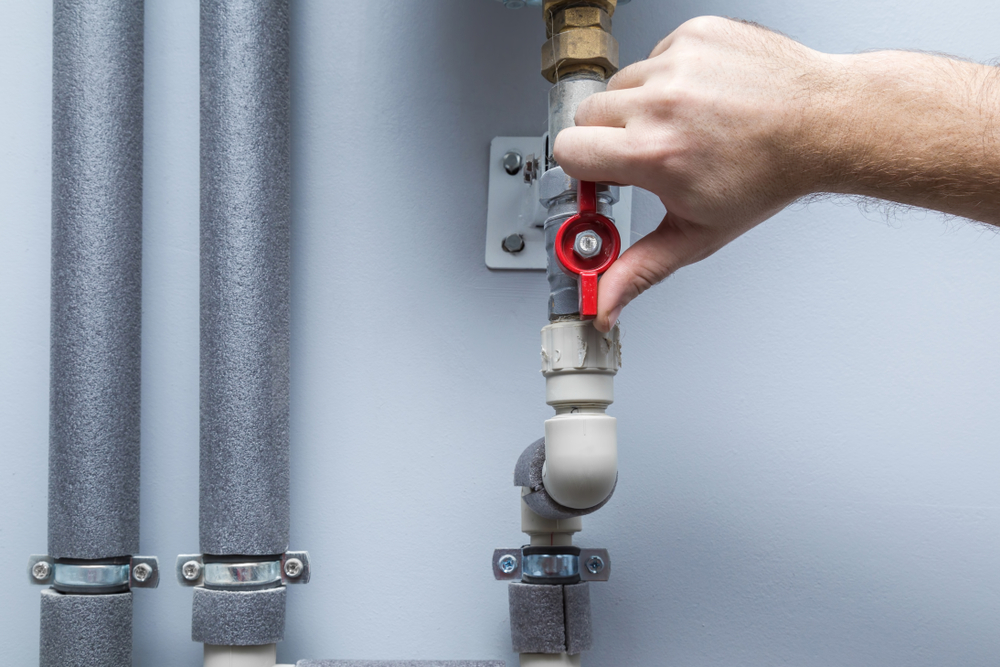
Credit: www.lanesdrainageservices.co.uk
Frequently Asked Questions
Where Is The Water Shut Off Valve For My Kitchen Sink?
The water shut off valve for a kitchen sink is typically located under the sink. Look for two small valves attached to the plumbing pipes. Turn the valves clockwise to shut off the water supply. If you can’t find it, check near the main water line entry point in the house.
How To Turn Off Water Supply In Kitchen Sink?
Locate the shut-off valves under the sink. Turn the valve handles clockwise to stop the water flow. Ensure both hot and cold water valves are fully closed to prevent leaks. Test by turning the faucet on to verify the water is off.
Is It Okay To Shut Off Water Under A Kitchen Sink?
Yes, it’s okay to shut off the water under a kitchen sink. Use the valves located beneath the sink. This helps during repairs or emergencies. Always ensure the valves are functional to avoid leaks or water damage. Regularly check and maintain them for smooth operation.
Does Every Kitchen Sink Have A Shut-off Valve?
Not every kitchen sink has a shut-off valve. Older homes might lack them. Check under the sink for two valves. If missing, consider installing them for better water control. A shut-off valve helps in emergencies and repairs, providing convenience and safety.
Conclusion
Turning off a kitchen sink water supply is simple. Start by finding the valves under the sink. Turn them clockwise to shut off the water. Check if the water stops by turning on the faucet. This basic task prevents leaks and repairs.
It also saves water. Practice these steps regularly. It keeps your kitchen in good shape. Remember, handling your sink wisely saves resources. Keep these tips in mind for a smoothly running kitchen. With practice, you’ll manage your sink with ease.