
A leaking kitchen sink drain can turn your culinary haven into a source of stress and frustration. The constant drip, the puddle that never seems to dry, and the looming threat of water damage are more than just inconveniences—they’re problems waiting to escalate.
But what if you could fix it yourself, saving both time and money? Imagine the satisfaction of solving the problem with your own hands. In this guide, you’ll discover simple, effective steps to repair that pesky kitchen sink drain leak.
Empower yourself with the knowledge to tackle this common issue head-on, restoring peace and functionality to your kitchen. Are you ready to dive in and learn how to transform your leaking sink into a well-oiled machine? Let’s get started!

Credit: www.tiktok.com
Identifying The Leak
Kitchen sink drain leaks can be a homeowner’s nightmare, leading to water damage and costly repairs. The first step in addressing this issue is identifying the leak. Understanding where and why the leak is occurring will help you choose the right repair method. Let’s dive into how you can spot these pesky leaks.
Common Leak Signs
Leaks often reveal themselves in subtle ways. You might notice water pooling under the sink, a damp cabinet base, or even a musty smell lingering in your kitchen. If the sound of dripping water becomes familiar, it’s time to take action. Keep an eye out for these signs to confirm a leak.
- Water stains or moisture on the cabinet floor
- Visible drips or water droplets on pipe joints
- Mold or mildew growth near the sink area
- Unexplained increase in water bill
Areas Prone To Leaks
Not all parts of your kitchen sink are equally vulnerable to leaks. The drain pipe is a common culprit, especially if the connections have loosened over time. The P-trap, a U-shaped pipe under the sink, is another area to watch. Often, leaks originate from worn-out seals or corroded pipes.
| Area | Reason for Leak |
|---|---|
| Drain Pipe | Loose or damaged connections |
| P-trap | Corrosion or worn seals |
| Faucet base | Faulty installation or worn washers |
Have you ever wondered why your sink’s faucet leaks more often than the drain pipe? It’s often due to frequent use and the constant pressure exerted on its parts. Regular inspections can save you from unexpected leaks. Taking proactive measures may prevent minor issues from becoming major problems.
Tools And Materials Needed
Gather essential tools like a wrench, pliers, and a bucket. Ensure materials such as plumber’s tape, replacement washers, and sealant are on hand. These items will help effectively tackle kitchen sink drain leaks.
Repairing a kitchen sink drain leak might seem daunting, but with the right tools and materials, you can tackle the task confidently and efficiently. Whether you’re a seasoned DIY enthusiast or just looking to save on repair costs, having everything you need at your fingertips can make the process smoother. Let’s dive into what you’ll need to get started.Essential Tools
- Adjustable Wrench:This is crucial for loosening and tightening nuts and bolts. Ensure it fits various sizes to adapt to different parts of your drain system.
- Plumber’s Tape:Also known as Teflon tape, it’s vital for sealing threaded connections and preventing leaks. A small roll can go a long way.
- Screwdriver:A versatile tool for removing screws and fixtures. Keep both flathead and Phillips-head types handy.
- Bucket:Handy for catching any water that escapes during the repair process. This can prevent messes and keep your workspace clean.
- Pipe Wrench:Ideal for gripping and turning pipes. It provides the leverage needed for stubborn fittings.
Recommended Materials
- Replacement Gasket:If the leak is due to a worn gasket, having a new one ready can save you time. Check the size and type specific to your sink model.
- Sealant or Epoxy:Perfect for sealing small cracks or gaps. Choose waterproof varieties to ensure long-lasting repairs.
- Drain Pipe:Sometimes, replacing the entire drain pipe is necessary. Measure the dimensions beforehand to avoid mismatches.
- Rubber Gloves:Protect your hands from grime and sharp edges. A sturdy pair can make the repair process more comfortable.
- Cleaning Rag:Useful for wiping down surfaces and ensuring everything is clean before starting repairs. A clean area is essential for a successful fix.
Preparing The Work Area
Repairing a kitchen sink drain leak requires careful preparation. Ensuring the work area is ready can make the process smoother. By clearing the space and taking safety precautions, you set the stage for a successful repair.
Clearing The Space
Start by removing all items from under the sink. This provides easy access to the plumbing. Organize cleaning supplies and tools in a nearby location. Use a flashlight to identify the source of the leak. The cleared space allows for better movement and visibility.
Safety Precautions
Wear protective gloves to prevent skin irritation. Eye protection is essential to avoid splashes. Ensure proper ventilation to avoid inhaling fumes. Keep a towel nearby to wipe any spills. Turn off the water supply to prevent accidents. Check for electrical outlets and keep them dry. This ensures a safe working environment.
Tightening Loose Connections
Fixing a kitchen sink drain leak begins by identifying loose connections. Tighten joints and replace worn washers for a secure fit. Ensure pipes are aligned properly to prevent future leaks.
Tightening loose connections can stop many kitchen sink leaks. A simple adjustment might fix the issue. Here’s a guide to help you with this easy repair task.Inspecting Connections
First, check all the connections under the sink. These include the pipes and joints. Look for signs of water or corrosion. Wet spots or rust could indicate a leak. Make sure the pipes are aligned properly. Misaligned pipes can cause leaks. Keep a flashlight handy for better visibility.Using A Wrench
Grab an adjustable wrench. It’s a handy tool for tightening connections. Gently turn the loose nuts clockwise. Ensure you don’t over-tighten them. Too much force can damage the threads. If a nut is too tight, use a penetrating oil to loosen it. This will make it easier to adjust. By tightening loose connections, you can stop leaks quickly and efficiently.Replacing Worn-out Seals
Replacing worn-out seals can stop leaks in your kitchen sink drain. First, remove the old seal carefully. Then, install a new seal that fits perfectly, ensuring a tight connection to prevent water from escaping. Regular checks can keep your sink functioning efficiently.
Replacing worn-out seals is a common fix for kitchen sink drain leaks. Over time, seals can degrade, leading to leaks and water damage. Identifying the issue early prevents further problems. Replacing these seals ensures a tight fit and stops leaks effectively. It’s a straightforward process but requires attention to detail. Let’s explore how to select and install the right seals.Choosing The Right Seal
Selecting the right seal is crucial. Check the material and size. Rubber is durable and flexible. Measure the old seal before shopping. Bring the old seal to the store for comparison. This ensures a proper fit. Look for seals designed for kitchen sinks. They resist wear and tear better. Quality seals last longer and prevent future leaks.Installation Steps
Installing new seals requires a few tools. Gather a wrench, screwdriver, and lubricant. First, turn off the water supply. Remove the drain assembly using the wrench. Clean the area thoroughly. Remove any debris or old seal remnants. Apply lubricant to the new seal. This eases installation and ensures a snug fit. Place the new seal in position. Reassemble the drain components tightly. Check for leaks by turning the water supply back on. If no leaks appear, the installation is successful.Repairing Pipe Cracks
Fixing a kitchen sink drain leak involves identifying the crack and cleaning the area. Apply plumbing tape or sealant to cover the crack. Check for leaks after running water to ensure the repair is successful.
Repairing pipe cracks in your kitchen sink drain can be straightforward. Identifying the source of the leak is crucial. Cracks in pipes can cause significant water damage if ignored. Addressing these issues promptly can save both time and money. Let’s explore some effective methods to tackle this problem.Temporary Fixes
Sometimes a quick fix is all you need. Temporary solutions can be handy until you can make a permanent repair. Here are some methods: – Plumber’s Tape: Wrap it around the crack for a quick seal. – Epoxy Putty: Mold the putty to cover the crack and let it harden. – Rubber Patch: Use a rubber patch secured with a clamp for temporary relief. These solutions can stop leaks temporarily. But remember, they are not long-term fixes.Permanent Solutions
Permanent repairs ensure the leak does not return. Here are some effective methods: – Pipe Replacement: Replace the damaged section of the pipe. This is the most reliable solution. – PVC Glue: Use PVC glue for small cracks on plastic pipes. This creates a strong bond. – Professional Help: Consider hiring a plumber for complex repairs. They can ensure the job is done correctly. Fixing pipe cracks permanently prevents future leaks. It also maintains the integrity of your plumbing system.Testing For Leaks
Spotting leaks under the kitchen sink is essential for maintenance. Start by checking the pipe connections for any drips. Use a flashlight to inspect the drain area thoroughly, identifying any water spots or corrosion.
Testing for leaks is a crucial step when repairing a kitchen sink drain. Imagine spending all that time tightening and sealing, only to find out there’s still a hidden leak. You want to be sure your efforts have paid off. A thorough test can help you sleep better knowing your kitchen is leak-free. Let’s dive into how you can effectively test for leaks after making your repairs.Conducting A Water Test
Begin by filling your sink with water. Make sure it’s about halfway full. This creates enough pressure to reveal even small leaks. Once filled, remove the drain plug and observe the pipes below. Use a flashlight to spot any drips. Consider placing a dry paper towel beneath the pipes as a quick way to see if any water escapes.Checking For Residual Leaks
After the initial water test, run the faucet continuously for a few minutes. This simulates regular use and can expose leaks that short tests might miss. Check connections and joints with your hand. Feel for any moisture or drips. If you find a leak, don’t panic. Tightening connections or reapplying sealant might be all that’s needed. Remember, even a small leak can lead to bigger problems. Testing your sink thoroughly can save time and avoid future headaches. Have you ever discovered a leak only after thinking everything was fixed? It’s a common frustration but easily avoidable with proper testing.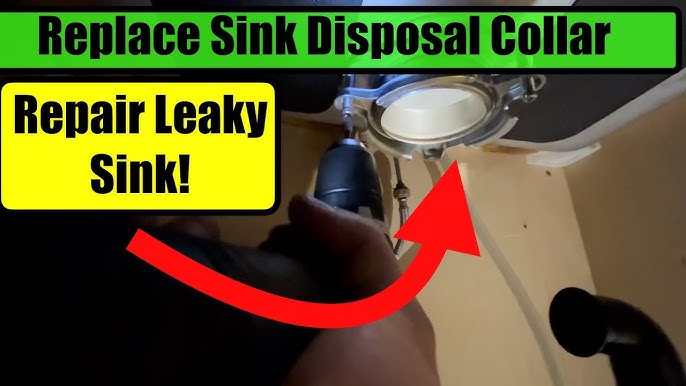
Credit: www.youtube.com
Maintenance Tips
Identify the source of the leak under the sink. Tighten connections and replace worn washers with new ones. Use plumber’s tape to secure joints and prevent future leaks.
Keeping your kitchen sink in top-notch condition is essential for preventing those pesky drain leaks. Regular maintenance can save you from unexpected water damage and expensive repairs. By incorporating a few simple habits into your routine, you can ensure your sink remains leak-free and functional.Regular Inspections
Make it a habit to check under your sink once a month. Look for any signs of water droplets or dampness around the pipes. Even a small puddle can be a warning sign of a potential leak. Touch the pipes to feel for moisture. Sometimes, a leak might not be visible but can be detected by touch. Consider using a flashlight to inspect hard-to-see areas. This small effort can prevent minor issues from turning into major headaches.Preventive Measures
Install a mesh strainer in the drain to catch food particles and debris. This simple tool can prevent blockages that lead to pressure build-up and leaks. Avoid pouring grease or oil down the drain as they can solidify and clog pipes. Instead, dispose of them in a separate container. Occasionally, flush your sink with hot water mixed with vinegar and baking soda. This natural solution helps to clear minor clogs and keep your pipes fresh. Think about the last time you checked your sink’s components. Are there any loose fittings or worn-out washers? Tightening and replacing these parts can prevent future leaks. Are you ready to take these preventive steps for a leak-free kitchen sink? These small, proactive measures can make a significant difference in maintaining your sink’s health.
Credit: www.misterplumber.ca
Frequently Asked Questions
How To Stop A Kitchen Drain From Dripping?
Tighten the sink drain connections using a wrench. Replace worn-out washers or seals. Clear any clogs with a plunger. Ensure pipes are aligned correctly and check for cracks or leaks. If the issue persists, consult a plumber for professional assistance.
What Is The Best Way To Seal A Kitchen Sink Drain?
To seal a kitchen sink drain effectively, use plumber’s putty or silicone caulk. Clean the area first. Apply the putty or caulk evenly around the drain flange. Press the drain firmly into place. Tighten the mounting nut from underneath. Check for leaks after installation.
How To Fix A Leaky Sink Drain Underneath?
Tighten the slip nuts on the drain pipes. Replace worn-out washers or gaskets. Ensure proper alignment of the pipes. Apply plumber’s tape to threaded areas for a better seal. If leaks persist, consider replacing damaged drain components.
What Is The Best Way To Seal A Leaking Drain Pipe?
Use epoxy putty or pipe repair tape to seal a leaking drain pipe. Clean the area thoroughly before applying. Ensure the putty or tape covers the entire leak. Allow it to dry completely before testing the repair. These materials provide a quick, effective fix for minor leaks.
Conclusion
Fixing a kitchen sink drain leak is manageable. Follow the steps carefully. Gather necessary tools first. Identify the leak source. Tighten connections or replace parts as needed. Seal with plumber’s tape or putty. Test for leaks after repairs. Regular checks can prevent future issues.
Save money by fixing minor leaks yourself. Keep a toolkit handy for emergencies. Remember, patience and precision are key. A well-maintained kitchen sink ensures a hassle-free kitchen. Enjoy leak-free cooking and cleaning. Stay proactive and maintain your plumbing. Happy repairing!