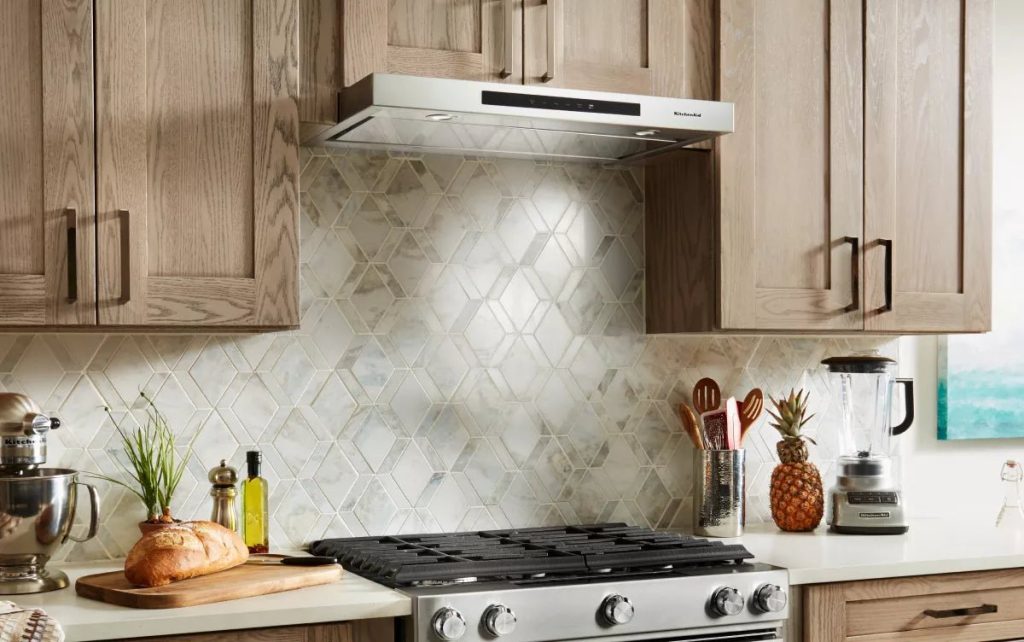
Choosing the right range hood for your kitchen can make all the difference in creating a clean, fresh, and inviting cooking space. Imagine cooking your favorite meals without the lingering smell of last night’s dinner.
A well-chosen range hood not only enhances the aesthetics of your kitchen but also ensures a healthier environment by efficiently removing smoke, grease, and odors. But with so many options available, how do you make the right choice? Don’t worry; we’ve got you covered.
In this guide, you’ll discover the essential factors to consider when selecting a range hood that perfectly fits your kitchen’s needs and style. Stay with us as we unravel the secrets to making an informed decision that you’ll be thrilled with for years to come.
Types Of Range Hoods
Choosing the right range hood involves understanding different types like wall-mounted, under-cabinet, and island hoods. Consider kitchen layout, ventilation needs, and aesthetic preferences to find the best fit. Each type offers unique features tailored to specific kitchen designs and cooking habits.
Choosing the right range hood for your kitchen can significantly impact both the aesthetics and functionality of your cooking space. Range hoods are essential in removing smoke, odors, and airborne grease, making them a critical component in kitchen design. But with so many types available, how do you decide which one is best for your kitchen setup? Let’s dive into the different types of range hoods to help you make an informed decision.Wall-mounted Hoods
Wall-mounted hoods are ideal if your stove is positioned against a wall without overhead cabinetry. They make a bold statement and can serve as a focal point in your kitchen. These hoods come in various styles, from sleek stainless steel to more traditional finishes. A friend of mine recently renovated her kitchen and opted for a glass wall-mounted hood, which beautifully complemented her modern design and effectively cleared smoke during her frequent stir-fry sessions.Under-cabinet Hoods
Under-cabinet hoods are perfect when you want a seamless look that integrates with your existing cabinetry. They are a popular choice for many homeowners due to their space-saving design. These hoods can be ducted or ductless, depending on your kitchen layout. If you’re looking to maximize space without compromising on performance, under-cabinet hoods offer a practical solution that blends functionality with discreet elegance.Island Hoods
If you have a cooktop on your kitchen island, an island hood is a must-have. These hoods hang from the ceiling and are designed to capture smoke and odors from all angles. They often become a central design element due to their visibility. Picture hosting a dinner party where your guests gather around your island; an island hood not only ensures a clear atmosphere but also adds a touch of sophistication to your kitchen’s centerpiece.Downdraft Hoods
Downdraft hoods are a unique solution for kitchens where overhead installation isn’t feasible. They retract into the countertop when not in use, offering a minimalistic approach. This type of hood is perfect for maintaining an unobstructed view if your kitchen overlooks a picturesque landscape or if you prefer a clean, uncluttered look. A neighbor of mine installed a downdraft hood, allowing her to enjoy the view of her backyard while cooking without compromising on ventilation efficiency. Choosing the right type of range hood depends on your kitchen’s layout, your cooking habits, and your personal style. Which type do you think would best enhance your culinary adventures?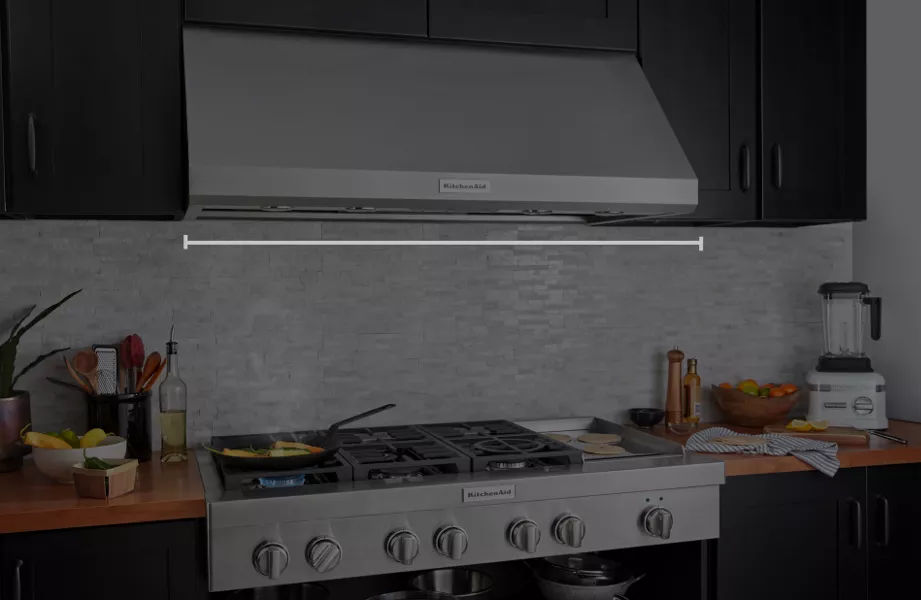
Credit: www.kitchenaid.com
Size And Coverage
Choose a range hood that matches your kitchen size for optimal performance. Ensure it covers the cooking area effectively to trap smoke and odors.
Selecting the right size and coverage for your range hood is crucial for ensuring optimal performance in your kitchen. It’s not just about aesthetics; it’s about functionality, efficiency, and safety. A well-sized range hood can dramatically improve air quality by effectively removing smoke, grease, and odors. But how do you determine the perfect fit for your kitchen?Measuring Your Cooking Area
Start by measuring the width of your cooking area. Whether you have a standard stove or a cooktop, the range hood should ideally be at least as wide as the cooking surface. This ensures that it covers the entire area, capturing all the smoke and steam. Consider the height from the cooking surface to where the hood will be installed. A higher ceiling may require a more powerful hood or an extended chimney. This measurement ensures your hood is positioned optimally for performance. Think about your cooking habits. If you often cook meals that generate a lot of steam or smoke, a larger hood might be necessary for better coverage.Standard Sizes And Custom Options
Most range hoods come in standard sizes, ranging from 24 to 60 inches in width. Typically, a 30-inch hood is ideal for a standard-sized stove. These sizes are designed to accommodate typical kitchen layouts and appliance dimensions. For those with unique kitchen designs or larger cooking appliances, custom options are available. Custom hoods can be tailored to fit unusual spaces, match specific design preferences, or provide additional features like enhanced suction or integrated lighting. Evaluate the space and style of your kitchen. Custom hoods might be the perfect solution if your kitchen features intricate cabinetry or a non-standard layout.Choosing a range hood isn’t just about picking a model that looks good. It’s a balance of functionality, size, and coverage. Would you prefer a sleek, minimalistic design or something bold and statement-making? As you ponder these questions, remember that the right range hood will not only enhance your kitchen’s appearance but also its air quality and safety.
Ventilation Options
Choosing the right range hood for your kitchen is essential not just for style, but for functionality as well. One of the most important factors to consider is the ventilation option. This decision impacts how effectively your kitchen handles smoke, odors, and moisture. Understanding the differences between ducted, ductless, and convertible systems can help you make an informed choice.
Ducted Systems
Ducted range hoods are great for efficiently removing smoke and odors from your kitchen. They vent air outside, which means they require a connection to the exterior of your home. This might involve more installation work, but the payoff is clear air and a smoke-free cooking environment.
Imagine cooking a big family meal without any lingering smells. If you often fry or cook with strong spices, a ducted system might be the best choice. Keep in mind though, this option is more feasible if you have or can create exterior access.
Ductless Systems
Ductless range hoods, on the other hand, filter air and recirculate it back into the kitchen. They use charcoal filters to trap odors and grease. This system is ideal if your kitchen layout makes external venting impossible.
They’re simpler to install and often cheaper. If you rent your home or live in an apartment, ductless might be your only option. But remember, the filters need regular replacing to maintain efficiency.
Convertible Hoods
Convertible range hoods offer the best of both worlds. They can be used as either ducted or ductless, depending on your needs. This flexibility can be a game-changer if you’re unsure about your long-term living situation.
Think about future renovations or moves. Will you want the option to switch to ducted later? Convertible hoods provide that flexibility, allowing you to adapt your kitchen setup as your circumstances change.
Have you considered how often you’ll really need to change a ductless filter, or if your home can accommodate a ducted system? These are critical questions as you decide on the best ventilation option for your kitchen.

Credit: www.create-enjoy.com
Noise Levels
Choosing the right range hood for your kitchen involves more than just style and airflow efficiency. One crucial factor often overlooked is noise levels. Imagine trying to enjoy a quiet dinner or engaging conversation in your kitchen, only to be interrupted by the loud hum of your range hood. It’s essential to understand the noise level of different models to ensure a peaceful cooking environment.
Decibel Ratings
Decibel ratings indicate how loud a range hood can be during operation. Generally, a range hood with a lower decibel rating will be quieter. Most range hoods range from 50 to 70 decibels, comparable to the noise level of a normal conversation. Consider what level of sound is acceptable for you. Would you prefer a whisper-quiet hood or are you okay with a bit of background hum?
Check product specifications before purchasing, as some manufacturers provide detailed decibel ratings at different fan speeds. This can help you assess the quietest option for your kitchen activities.
Quiet Operation Features
Many modern range hoods come equipped with features designed to minimize noise. Some models offer insulated fan motors, which help reduce the sound generated during operation. Look for hoods with variable speed controls; they allow you to adjust the fan to lower speeds when full power isn’t necessary, resulting in quieter operation.
Additionally, consider hoods with advanced technology, such as brushless motors or external blowers. These options can significantly reduce noise levels, making your kitchen a more pleasant place to cook and socialize. Wouldn’t it be nice to enjoy your culinary adventures without the constant drone of a noisy appliance?
Power And Efficiency
Choosing the right range hood involves understanding its power and efficiency. This ensures effective kitchen ventilation and energy-saving benefits. A well-powered range hood quickly removes smoke and odors. Meanwhile, energy efficiency keeps electricity bills low. These factors play a key role in selecting the perfect range hood for your kitchen.
Cfm Ratings
CFM stands for cubic feet per minute. It measures the airflow rate of the range hood. A higher CFM rating means more power in removing air pollutants. For heavy cooking, consider a range hood with at least 350 CFM. This ensures quick removal of smoke and steam.
The size of your kitchen also affects the needed CFM. Larger kitchens may require a higher CFM. Check your stove’s BTU rating to match it with the hood’s CFM. This balance ensures efficient performance.
Energy Efficiency Considerations
Energy efficiency is crucial for reducing electricity costs. Look for range hoods with the ENERGY STAR label. This label indicates the appliance meets energy-saving standards. Efficient range hoods use less power while maintaining performance.
LED lighting on range hoods offers additional energy savings. LED lights consume less electricity than traditional bulbs. This feature reduces your kitchen’s overall energy consumption.
Consider the noise level when choosing a range hood. Quieter models often use less energy. Look for hoods with sound ratings in sones. A lower sone rating indicates a quieter, more efficient hood.
Design And Aesthetics
Consider the kitchen’s style when choosing a range hood. Match the hood’s design with your cabinets and appliances. Ensure the aesthetics complement the overall theme for a cohesive look.
Design and aesthetics play a vital role in selecting a range hood. It’s more than just a functional appliance. It can be a stunning focal point in your kitchen. Choosing the right design ensures harmony with your kitchen space.Material And Finish Choices
Different materials offer distinct looks and durability. Stainless steel is popular for its sleek appearance and ease of cleaning. Glass range hoods bring a modern, airy feel to your kitchen. Copper offers a warm, rustic look, perfect for traditional kitchens. Think about the finish too. Matte finishes hide fingerprints better than glossy ones.Matching Kitchen Decor
Your range hood should complement your existing kitchen decor. Consider the colors and styles in your kitchen. Is it modern, rustic, or vintage? A stainless steel hood suits a modern kitchen. A copper hood blends well with rustic decor. Don’t forget about the size. The hood should fit the scale of your kitchen. Too big or too small can disrupt the balance.Installation And Maintenance
Selecting a range hood involves considering both installation and maintenance. Assess your kitchen’s layout for suitable installation options. Ensure easy access for cleaning and filter replacement to maintain efficiency.
Choosing the right range hood for your kitchen involves more than just finding the perfect style and size. You also need to consider how it will be installed and maintained over time. A well-installed range hood ensures optimal performance, while regular maintenance keeps it functioning efficiently and extends its lifespan. Let’s dive into some practical tips for installation and maintenance.Professional Installation Tips
Consider hiring a professional for your range hood installation. An expert can ensure that the unit is properly connected to your kitchen’s ventilation system, maximizing its efficiency. A professional will also check that the electrical connections are safe and secure.
If you decide to tackle the installation yourself, make sure to read the manufacturer’s instructions carefully. Measure the space above your cooktop to ensure the hood fits perfectly without obstructing other kitchen elements.
Think about the height of the range hood. Installing it at the right height is crucial for optimal airflow. Typically, it should be positioned 24 to 30 inches above the cooking surface.
Maintenance And Cleaning Guidelines
Regular cleaning is key to maintaining your range hood’s performance. Make it a habit to wipe down the exterior weekly to prevent grease buildup. Use a mild detergent and soft cloth for best results.
Don’t forget about the filters. Most range hoods come with removable filters that trap grease and odors. Depending on usage, these should be cleaned or replaced monthly. Metal filters can often be cleaned in the dishwasher, making maintenance easy.
Check the vent ducts annually to ensure they are free of obstructions. This step helps maintain efficient airflow and prevents potential fire hazards. A quick inspection can save you from costly repairs down the line.
Are you currently neglecting your range hood’s maintenance routine? A little effort can go a long way in keeping your kitchen fresh and your appliances running smoothly.
Budget Considerations
Selecting a range hood involves budget planning to balance cost with quality. Consider installation expenses and ongoing maintenance. Choose a model that fits your kitchen’s style without overspending.
Choosing a range hood for your kitchen is not just about aesthetics and functionality; it’s also about finding a product that fits comfortably within your budget. Balancing cost with the features you need can be challenging, but with a little guidance, you can make a smart decision. Let’s delve into the budget considerations that can guide you to the perfect range hood for your culinary space.Price Ranges
Range hoods come in a variety of price ranges, catering to different budgets and preferences. Basic under-cabinet models might start at around $100, offering simple yet effective ventilation for smaller kitchens. Mid-range options, including wall-mounted and island hoods, generally range from $300 to $800, providing enhanced features and stylish designs. For those seeking top-of-the-line models, prices can soar to $1,500 and above. These premium range hoods often boast advanced technology, such as smart home integration and ultra-quiet operation. Understanding these price brackets can help you set realistic expectations and narrow down your choices.Balancing Cost And Features
While it’s tempting to go for the least expensive option, it’s crucial to consider the features you actually need. Think about your cooking habits—do you frequently fry or grill? If so, investing in a range hood with higher CFM (cubic feet per minute) might be worth the extra cost. On the other hand, if you rarely cook elaborate meals, a basic model could suffice, saving you money for other kitchen upgrades. Consider what features are non-negotiable for you and where you might be willing to compromise. Have you thought about energy efficiency? Sometimes, spending a bit more initially can lead to long-term savings on your energy bills. Balancing the immediate cost with potential future savings can be a wise strategy. Ultimately, the key is to align your budget with your kitchen needs. By carefully considering what you truly require, you can make a purchase that enhances your cooking experience without breaking the bank.Brand And Warranty
Choosing a range hood requires attention to the brand and warranty. Reliable brands often offer better durability and performance. A good warranty ensures coverage for defects and peace of mind.
Choosing the right range hood involves considering brand and warranty. These elements ensure quality and long-term peace of mind. A reliable brand offers durability and performance. Meanwhile, a solid warranty provides protection against unexpected issues. This section explores reputable brands and warranty options.Reputable Brands
Some brands are known for quality range hoods. Brands like Broan, KitchenAid, and Whirlpool are popular. They offer a variety of styles and features. These brands often use durable materials. Their designs complement different kitchen aesthetics. Reviews often highlight their efficiency and reliability. Choosing a reputable brand can mean fewer repairs.Warranty And Support
A good warranty covers defects and malfunctions. Most warranties last one to five years. Check what the warranty includes. Some cover parts, others labor costs. Support services are crucial. Look for brands with responsive customer service. Online reviews can be a helpful guide. They often mention how well brands handle issues.
Credit: branohome.com
Additional Features
Consider noise levels; quieter models offer a more pleasant cooking environment. Check for adjustable fan speeds to suit different cooking needs. Look for integrated lighting options to enhance visibility while cooking.
Choosing the right range hood for your kitchen involves more than just selecting the right size and style. Additional features can greatly enhance both functionality and convenience. These features not only improve your cooking environment but also elevate the overall kitchen experience. Imagine the ease of cooking with optimal lighting or the thrill of controlling your range hood remotely.Lighting Options
Effective lighting is crucial when you’re cooking. Many range hoods come equipped with built-in lights, but the type of lighting can vary. LED lights are popular for their energy efficiency and bright illumination. They last longer and help you clearly see what you’re cooking. Consider adjustable lighting options that allow you to set the perfect ambiance. You might find yourself appreciating a softer glow when enjoying a quiet evening meal.Smart Technology Integration
Incorporating smart technology into your range hood can transform your kitchen experience. Imagine controlling your range hood using a smartphone app or voice commands. Some models offer connectivity with home automation systems, allowing you to set schedules or adjust settings remotely. This feature can be particularly useful if you often find yourself multitasking. Wouldn’t it be convenient to start your ventilation before stepping into the kitchen?Frequently Asked Questions
How Do I Know What Range Hood To Buy?
Choose a range hood based on kitchen size, cooking habits, and ventilation needs. Measure space, consider noise levels, and check CFM rating for effectiveness. Ensure it matches your kitchen’s style and budget. Prioritize durability and energy efficiency for long-term savings.
Reading reviews can also guide your decision.
How Many Cfm For A Range Hood Is Best?
Choose a range hood with 100 CFM per linear foot of cooktop. For high-heat cooking, 250 CFM is ideal. Consider kitchen size and cooking habits for optimal performance. Proper ventilation keeps air clean and fresh. Always match the range hood size to your kitchen needs.
How Much Suction Power Is Good For A Kitchen Hood?
A kitchen hood needs at least 300 cubic feet per minute (CFM) for basic cooking. For heavy cooking or larger kitchens, 600 CFM or more is recommended. Always consider the kitchen size and cooking habits when choosing suction power.
Does A Range Hood Have To Match A Stove?
A range hood doesn’t need to match a stove. Functionality is more important than aesthetics. Choose a hood that effectively removes smoke and odors. Consider size, power, and style for best performance. Matching designs can enhance kitchen aesthetics, but it’s not mandatory for optimal functionality.
Conclusion
Choosing the right range hood transforms your kitchen. Consider the size and type. Think about noise level; quieter is better. Energy efficiency saves money long term. Ventilation matters for air quality. Style should fit your kitchen design. Budget wisely, balancing features with cost.
Remember, installation should be easy. Check warranty for peace of mind. A good range hood makes cooking enjoyable. It keeps your kitchen fresh and clean. With these tips, finding the right range hood becomes simple. Your kitchen deserves the best choice.