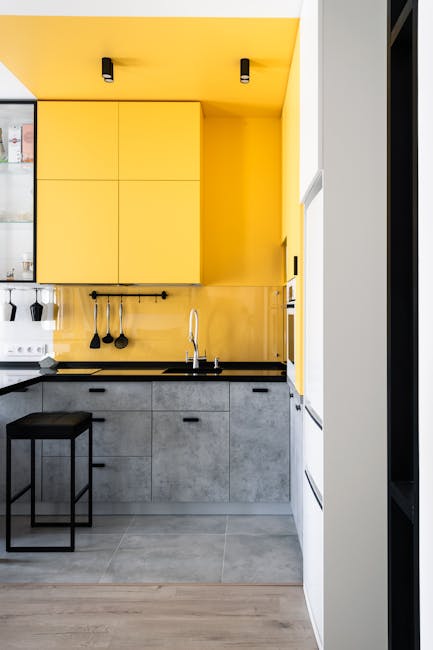
Have you ever glanced at your kitchen and wondered if a fresh coat of paint could bring those cabinets back to life? You’re not alone.
Many homeowners like you are exploring this cost-effective and transformative option. Painting kitchen cabinets is not only a brilliant way to refresh your space, but it also adds a personal touch that reflects your style. But, is it as simple as it sounds?
The idea might spark excitement, but questions about durability, technique, and color choice can be overwhelming. Before you grab a brush, let’s explore whether painting your kitchen cabinets is the right move for you. Stay with us to uncover the secrets to a successful cabinet makeover, and why this trend might just be the solution your kitchen craves.

Credit: food52.com
Benefits Of Painting Kitchen Cabinets
Painting kitchen cabinets offers a cost-effective way to refresh your kitchen. It enhances the look without a full remodel. Plus, it allows you to choose colors that match your style.
Painting kitchen cabinets can breathe new life into your cooking space, offering a fresh and updated look without the hefty price tag of a complete renovation. Imagine walking into a kitchen that feels brand new, simply because you chose to pick up a paintbrush. There are numerous benefits to painting your kitchen cabinets, and here’s why you should consider this DIY project.Cost-effective Transformation
Revamping your kitchen doesn’t always have to mean breaking the bank. Painting your cabinets is a budget-friendly way to achieve a dramatic change. Instead of spending thousands on new cabinetry, a few cans of paint can completely alter the ambiance of your space. Isn’t it amazing how a simple color change can make everything feel different?Personalized Style
Your kitchen should reflect your personality and style. Painting cabinets allows you to choose colors that truly resonate with you. Whether you prefer a calming blue or a vibrant red, you have the freedom to express yourself. Why settle for generic when you can tailor your kitchen to your taste?Eco-friendly Option
By opting to paint your cabinets instead of replacing them, you’re making a more environmentally friendly choice. This reduces waste and promotes sustainability. It’s rewarding to know that your stylish upgrade is also a responsible one. How often do you get to feel good about both style and sustainability?Quick And Easy Update
If you’re looking for a project that’s quick yet impactful, painting cabinets is the way to go. With the right tools and preparation, you can complete this transformation over a weekend. The sense of accomplishment you feel after seeing the finished product is unbeatable. Who doesn’t love the satisfaction of a job well done in a short time?Increase Home Value
A well-maintained kitchen can significantly boost your home’s value. Freshly painted cabinets can make your kitchen more appealing to potential buyers. It’s a small investment that can yield great returns when selling your home. Isn’t it fascinating how a simple update can influence a buyer’s decision?Choosing The Right Paint
Painting kitchen cabinets is an easy and affordable way to refresh your space. Choose the right paint for durability and a smooth finish. Consider factors like paint type and color to ensure a lasting makeover.
Choosing the right paint for kitchen cabinets is crucial for lasting results. The correct paint enhances durability and appearance. It can transform your kitchen’s look completely.Types Of Paint
There are various paint types for kitchen cabinets. Latex paint is water-based and easy to clean. It dries quickly and has low odor. Oil-based paint offers a smooth finish. It is durable but takes longer to dry. Chalk paint provides a matte finish. It needs sealing with wax or a topcoat.Color Selection Tips
Selecting the right color is vital. Consider your kitchen’s style and lighting. Light colors make spaces look larger. Dark shades add warmth and elegance. Neutral colors offer flexibility in décor changes. Test samples before committing to a color. Observe the paint under different lighting conditions.Essential Tools And Materials
Quality paintbrushes and rollers ensure smooth application on cabinets. Sandpaper helps in prepping surfaces for paint. A strong primer is essential for adhesion and durability.
Painting kitchen cabinets can refresh the heart of your home. It’s a budget-friendly way to transform the look of your space. To achieve a professional finish, you’ll need the right tools and materials. Let’s explore what’s essential for this DIY project.Paint Brushes And Rollers
Choose high-quality brushes for smooth application. Use rollers for larger surfaces. They help cover areas evenly. Foam rollers are perfect for a sleek finish.Sandpaper And Sanding Blocks
Sandpaper prepares surfaces by removing old paint. This ensures new paint adheres properly. Sanding blocks make it easier to handle.Primer And Paint
Primer is crucial for cabinet painting. It ensures paint sticks well and lasts longer. Choose paint suitable for kitchen surfaces. Semi-gloss or gloss finishes are ideal. They are easy to clean.Drop Cloths And Tape
Protect floors with drop cloths. Use tape to cover edges and hinges. This prevents paint from spreading to unwanted areas.Cleaning Supplies
Cleaning supplies are vital before painting. Remove grease and grime from cabinets. A clean surface ensures better paint adhesion.Screwdriver And Hardware
Use screwdrivers to remove cabinet doors. Store hardware safely. This makes painting doors simpler and more efficient.Paint Sprayer (optional)
A paint sprayer offers a smooth, professional finish. It covers large areas quickly. Consider this tool for an advanced touch.
Credit: www.youtube.com
Preparing Your Cabinets
Preparing your kitchen cabinets for painting is a crucial step that can make or break the final result. A little extra effort now means a smoother finish and long-lasting beauty. You might think it’s all about the paint, but what’s underneath matters just as much.
Cleaning And Degreasing
Start by removing all traces of grease and grime. Cabinets in the kitchen can accumulate a surprising amount of residue over time. Use a solution of warm water and mild detergent, or opt for a degreasing agent designed for kitchen surfaces.
Don’t overlook the nooks and crannies. Consider using a toothbrush for hard-to-reach areas. A clean surface ensures your paint adheres properly, avoiding peeling or bubbling later.
Sanding Techniques
Sanding is your next step. It’s tempting to skip, but sanding helps the primer and paint grip the surface. Use a fine-grit sandpaper to lightly roughen the surface. You don’t need to remove the existing finish completely—just enough to give it some texture.
Be mindful of the corners and edges. They need attention too, but be gentle to avoid unnecessary damage. Dust off completely afterwards to prevent particles from ruining your paint job.
Priming For Success
Priming is your secret weapon for a professional-looking finish. Choose a quality primer that suits your cabinet material. Apply evenly and let it dry thoroughly before moving on to painting.
Consider using a tinted primer to match your paint color. It can reduce the number of paint coats you need, saving time and effort. Have you ever thought about how much primer can affect the final color and durability?
Painting Techniques
Painting kitchen cabinets can breathe new life into your kitchen. It’s a cost-effective way to transform the space. Choosing the right painting technique is crucial for a smooth finish. Let’s explore some popular methods to achieve the best results.
Brushing Vs. Spraying
Brush painting is a traditional method. It offers great control over the application. Ideal for small kitchens with intricate designs. Brushes can reach tight corners easily. Yet, brush strokes can sometimes be visible. This requires a steady hand.
Spray painting provides a smooth, even finish. It covers large areas quickly. Perfect for modern, sleek kitchens. Spraying requires a well-ventilated space. Also, proper masking to avoid overspray. It may need professional equipment or help.
Applying Multiple Coats
Applying several coats enhances durability. The first coat acts as a base. It helps the paint adhere to the surface. Allow ample drying time between coats.
The second coat provides depth. It enhances the color’s richness. Sometimes, a third coat may be necessary. This ensures complete coverage and a polished look.
Sanding lightly between coats improves adhesion. It smoothens any imperfections. Use fine-grit sandpaper for best results.
Drying And Curing Process
Proper drying and curing are crucial after painting kitchen cabinets. This ensures a smooth, durable finish that lasts. Allow ample time for paint layers to settle before reassembling or using cabinets.
Painting kitchen cabinets can transform your space. It’s crucial to understand the drying and curing process. This ensures your cabinets look great and last long. Proper drying prevents smudges and imperfections. Curing strengthens the paint and improves durability.Understanding The Difference Between Drying And Curing
Drying is the first stage after painting. The paint becomes touchable. It usually takes a few hours. Curing is different. It means the paint has fully hardened. This can take days or weeks. Both stages are vital for a smooth finish.Factors Affecting Drying And Curing Times
Several factors influence these times. Humidity plays a big role. High humidity slows drying. Temperature also matters. Warm temperatures speed up the process. Ventilation is crucial. Good airflow helps paint dry faster. Paint type affects curing time. Oil-based paints take longer to cure.Tips For Faster Drying And Curing
Ensure good ventilation in the kitchen. Open windows and use fans. Keep the temperature warm but not too hot. Use a dehumidifier if needed. Choose a paint with a quick drying formula. Always follow the manufacturer’s instructions.Checking If Paint Is Fully Cured
Perform a simple touch test. Gently press the surface with a finger. If no mark appears, it’s cured. You can also try a scratch test. Lightly scratch with a fingernail. If no paint comes off, it’s ready. Remember, full curing ensures long-lasting cabinets.Reassembling Your Kitchen
Transform your kitchen by painting the cabinets. Fresh paint can enhance the style and create a clean look. Choose suitable paint and colors for a durable finish.
Reassembling Your Kitchen after painting cabinets is an exciting step. It’s the moment your vision comes to life. You’ll see your hard work pay off, transforming the heart of your home. Below are steps to follow for a smooth reassembly process.Organize Your Tools And Hardware
Gather all tools and hardware in one place. Ensure screws, hinges, and handles are easily accessible. This prevents losing items and saves time.Attach The Cabinet Doors
Start with attaching the cabinet doors. Align hinges with their original spots. Secure them tightly to avoid any wobble.Install The Drawers
Insert each drawer carefully into its slot. Check for smooth sliding. Ensure each drawer is level for optimal function.Add The Handles And Knobs
Place handles and knobs on doors and drawers. Align them properly before tightening. This adds the finishing touch to your cabinets.Check For Proper Alignment
Inspect the alignment of doors and drawers. Adjust them if necessary. This ensures everything looks neat and operates smoothly.Clean Up And Enjoy Your New Space
Wipe down surfaces to remove dust. Step back and admire your refreshed kitchen. Enjoy the updated look and feel.Maintenance Tips For Painted Cabinets
Painting kitchen cabinets can give them a fresh look. Clean them regularly with a mild soap solution to maintain their appearance. Avoid harsh chemicals to protect the paint finish.
Painting kitchen cabinets can transform your space without the hefty price tag of a full renovation. Yet, like any beautiful transformation, it requires some upkeep to keep it looking fresh and vibrant. Regular maintenance can ensure your painted cabinets continue to impress for years to come. Here are some practical tips to keep them in top shape.Regular Cleaning Routine
Regular cleaning is crucial to maintaining the beauty of your painted cabinets. Use a soft cloth dampened with mild soap and water to wipe away grease and grime. Avoid abrasive cleaners that could damage the paint finish.Handle With Care
Always be gentle when opening and closing cabinet doors. Consider adding soft-close hinges to minimize wear and tear. Remind family members to handle them with care to extend their lifespan.Protect From Moisture
Excess moisture can be detrimental to painted surfaces. After cooking, ensure adequate ventilation to prevent moisture buildup. Wipe away any water spills immediately to avoid damaging the paint.Touch-up Paint
Over time, chips and scratches can occur. Keep a small amount of leftover paint for quick touch-ups. This ensures your cabinets always look their best with minimal effort.Inspect Regularly
Make it a habit to inspect your cabinets regularly. Look for signs of wear or damage that need addressing. Early detection can prevent minor issues from becoming major problems.Use Protective Pads
Consider adding felt pads to the corners of cabinet doors. This simple addition can prevent paint chipping from frequent use. It’s a small investment that can save you from costly repairs. By following these maintenance tips, your painted kitchen cabinets can remain a stunning feature in your home. What strategies have you found effective in maintaining your kitchen cabinets? Share your thoughts in the comments below!Common Mistakes To Avoid
Choosing the right paint for kitchen cabinets is essential. Avoid skipping the prep work like cleaning and sanding. Applying too much paint can lead to drips and uneven surfaces.
Painting kitchen cabinets can transform your cooking space. But many people make mistakes that can affect the final look. Avoiding these common pitfalls ensures a smooth and successful painting project. Here are some common mistakes to watch out for.Skipping Surface Preparation
Proper prep is crucial before painting. Clean cabinets thoroughly to remove grease and grime. Sanding is also essential to help the paint adhere well. Without these steps, paint may peel or chip easily.Using The Wrong Paint
Choose the right paint type for cabinets. Not all paints are suitable for kitchen use. Use durable, high-quality paint that withstands humidity and frequent cleaning. Avoid matte finishes that show stains easily.Ignoring Primer Application
Primer helps paint stick better. It also covers old stains or dark colors. Applying primer ensures an even and professional finish. Skipping this step can lead to uneven color and a lack of durability.Rushing Through The Process
Painting cabinets requires patience. Allow each coat to dry completely before adding another. Rushing can lead to smudges or uneven layers. Plan your time wisely to achieve the best results.Neglecting Hardware Removal
Remove hardware before painting. Painting over knobs or hinges leads to messy results. It also makes future maintenance harder. Proper removal ensures a clean and polished appearance.Not Testing Colors First
Test paint colors on a small area first. Lighting changes how colors look in your kitchen. Testing prevents disappointment with the final shade. Choose a color that complements your kitchen style. Following these tips can help you avoid common mistakes. Achieve a beautiful and lasting finish for your kitchen cabinets.
Credit: www.instagram.com
Frequently Asked Questions
Is Painting Your Kitchen Cabinets A Good Idea?
Painting kitchen cabinets can refresh your space affordably. Choose durable, high-quality paint for long-lasting results. Ensure proper surface preparation for a smooth finish. Consider professional help for optimal outcome. This DIY project can enhance aesthetics and increase home value, making it a worthwhile investment.
Can I Just Paint Over My Kitchen Cabinets?
Yes, you can paint over kitchen cabinets. Clean them thoroughly and sand for better adhesion. Use a primer before applying paint for a smooth finish. Choose high-quality paint for durability.
What Kind Of Kitchen Cabinets Cannot Be Painted?
Laminate and thermofoil kitchen cabinets are difficult to paint. These surfaces don’t hold paint well. Solid wood and MDF are better options for painting. Proper surface preparation and priming are crucial for successful painting on any cabinet material.
Can I Just Paint Over My Kitchen Cabinets Without Sanding?
You can paint over kitchen cabinets without sanding by using a high-quality primer. Ensure the surface is clean and grease-free. This allows the paint to adhere properly. Consider using a deglosser for better results. Proper preparation ensures a smooth, durable finish for your cabinets.
Conclusion
Painting kitchen cabinets can refresh your space without a full renovation. With basic tools, you can achieve a fresh look. Remember to clean and sand surfaces first. Choose quality paint for lasting results. Patience is key to a smooth finish.
Painting cabinets saves money and adds personal style. Enjoy a new kitchen vibe with just a few strokes. Ready to transform your kitchen? Grab your brush and start today! It’s a simple project with big impact. Your dream kitchen awaits!