How are Kitchen Sponges Made: Unveiling the Process
Executive Chef & Lead Commercial Kitchen Specialist at Daily Kitchup Test Lab
Ever picked up a kitchen sponge and wondered how this small but mighty tool came to be? You’re not alone.
Understanding the journey of a kitchen sponge from raw materials to your sink can change the way you view this everyday essential. Imagine knowing the secrets behind its soft texture, its ability to soak up spills, and its effectiveness in scrubbing away grime.
This knowledge can transform your cleaning routine, making it more efficient and satisfying. Stay with us as we reveal the fascinating process of how kitchen sponges are made, and discover why this humble tool is a staple in every home. You won’t want to miss this inside look that could change the way you handle your kitchen duties.

Credit: oksponge.en.made-in-china.com
Materials Used
Kitchen sponges are everyday essentials. Their creation involves various materials. These materials determine the sponge’s durability and function. Let’s dive into the details.
Natural Vs Synthetic
Sponges come in two main types: natural and synthetic. Natural sponges are sourced from the sea. They are biodegradable and eco-friendly. Synthetic sponges are man-made. They are crafted from materials like cellulose and polyester. Synthetic options offer more variety in texture and size.
Common Ingredients
Sponges consist of several key ingredients. Cellulose is a primary component in many sponges. It is derived from wood pulp. This gives the sponge its absorbent quality. Some sponges contain polyester for added strength. Polyurethane is another common material. It creates a resilient and flexible sponge. Dyes and finishes give sponges their vibrant colors. Anti-microbial treatments are sometimes added. They help prevent bacteria growth.

Credit: www.youtube.com
Manufacturing Process
The manufacturing process of kitchen sponges involves several essential steps. Each step ensures the sponge is durable and effective for cleaning. Let’s explore how these steps contribute to making a quality kitchen sponge.
Mixing And Blending
In this stage, raw materials are combined to create a sponge base. These materials include cellulose, fiber, and sometimes synthetic polymers. The mixture needs to be well-blended for consistent texture. Machines ensure even distribution of components. This step is crucial for sponge quality.
Forming And Molding
The blended mixture is poured into molds. Molds shape the sponge into its final form. Pressure and heat are applied to set the shape. The process ensures uniform thickness and size. Different molds create various sponge designs. This step gives sponges their familiar look.
Curing And Setting
In this phase, the formed sponges are dried and cured. This process hardens the material, making it durable. It also removes excess moisture. Curing can take several hours to complete. Proper curing ensures the sponge’s longevity and performance. Once cured, sponges are ready for packaging.
Cutting And Shaping
Kitchen sponges play a vital role in cleaning tasks. Their journey from raw material to final product involves several steps. One crucial stage is cutting and shaping. This process ensures each sponge fits perfectly in your hand and meets cleaning needs. Precision is key to making sponges that are effective and user-friendly. Let’s explore the techniques and possibilities involved.
Techniques For Precision
Manufacturers use advanced machinery to cut sponges accurately. These machines ensure each piece is uniform in size and thickness. This uniformity helps maintain sponge quality and performance. Lasers and rotary cutters are common tools. They offer precision and can handle large volumes of sponges efficiently.
Consistency is crucial for customer satisfaction. Precise cutting prevents fraying edges and uneven surfaces. This ensures the sponge lasts longer and performs better during cleaning tasks.
Custom Shapes And Sizes
Standard rectangular sponges are common. Yet, many users prefer custom shapes for specific tasks. Some sponges are cut into circles, triangles, or even unique designs. These shapes make cleaning corners and hard-to-reach spots easier.
Manufacturers can also adjust sponge thickness. Thicker sponges offer more absorption and durability. Thinner sponges are flexible and easy to handle. Custom sizes cater to diverse user needs and preferences. This customization adds value to the product and enhances user experience.
Quality Control
Kitchen sponges begin with cellulose fibers pressed into sheets. They are cut into shapes and treated with antibacterial agents. Quality control checks ensure durability and hygiene standards are met before packaging.
Quality control in the production of kitchen sponges is crucial. It ensures every sponge meets high standards before reaching your kitchen. The process involves rigorous testing and evaluation. This guarantees durability and safety in everyday use. Quality control is essential for consumer satisfaction.Testing For Durability
Durability testing checks the sponge’s resilience under pressure. Manufacturers simulate various cleaning scenarios. They scrub, twist, and stretch the sponge. This ensures it withstands daily wear and tear. Tests measure how long a sponge lasts before breaking down. A durable sponge saves money and reduces waste.Ensuring Safety Standards
Safety standards are vital in kitchen sponge production. Each sponge must be free from harmful chemicals. Manufacturers test for toxicity and allergen presence. Sponges must meet specific health regulations. This assures consumers they are safe to use in food-related tasks. A safe sponge protects health and enhances kitchen hygiene.Packaging And Distribution
Kitchen sponges begin their journey as raw cellulose and synthetic materials. These materials are cut and shaped into sponge forms. Afterward, they undergo packaging in various sizes before distribution to stores worldwide.
The journey of a kitchen sponge doesn’t end when it’s crafted; packaging and distribution are crucial steps in ensuring they reach your kitchen sink ready for action. How a sponge is packaged can impact both its longevity and environmental footprint, while distribution networks play a key role in making these everyday essentials available globally. Let’s dive into how these factors come together to bring sponges to your home efficiently and sustainably.Eco-friendly Packaging
In today’s world, eco-friendly packaging is more important than ever. Brands are increasingly shifting towards materials that are biodegradable or recyclable. You might notice sponges packaged in simple cardboard sleeves instead of plastic wraps. This not only reduces waste but also supports a cleaner environment. Consider the impact your purchasing choices have—by opting for sponges with eco-friendly packaging, you contribute to a healthier planet. Have you ever thought about the lifecycle of the packaging after the sponge is unwrapped? It’s a small decision with a big ripple effect.Global Distribution Networks
Kitchen sponges are in demand worldwide, necessitating robust global distribution networks. These networks ensure sponges are available in your local store, no matter where you are. Distribution channels often involve complex logistics, balancing cost-effectiveness with speed and reliability. Have you ever wondered how a sponge manufactured in one part of the world makes its way to your local grocery store shelf? It’s fascinating to consider the intricate web of transportation and warehousing that makes it possible. Moreover, some companies are investing in greener transportation options, reducing the carbon footprint of these distribution processes. Your next sponge purchase is part of a global story, connecting people and places across continents.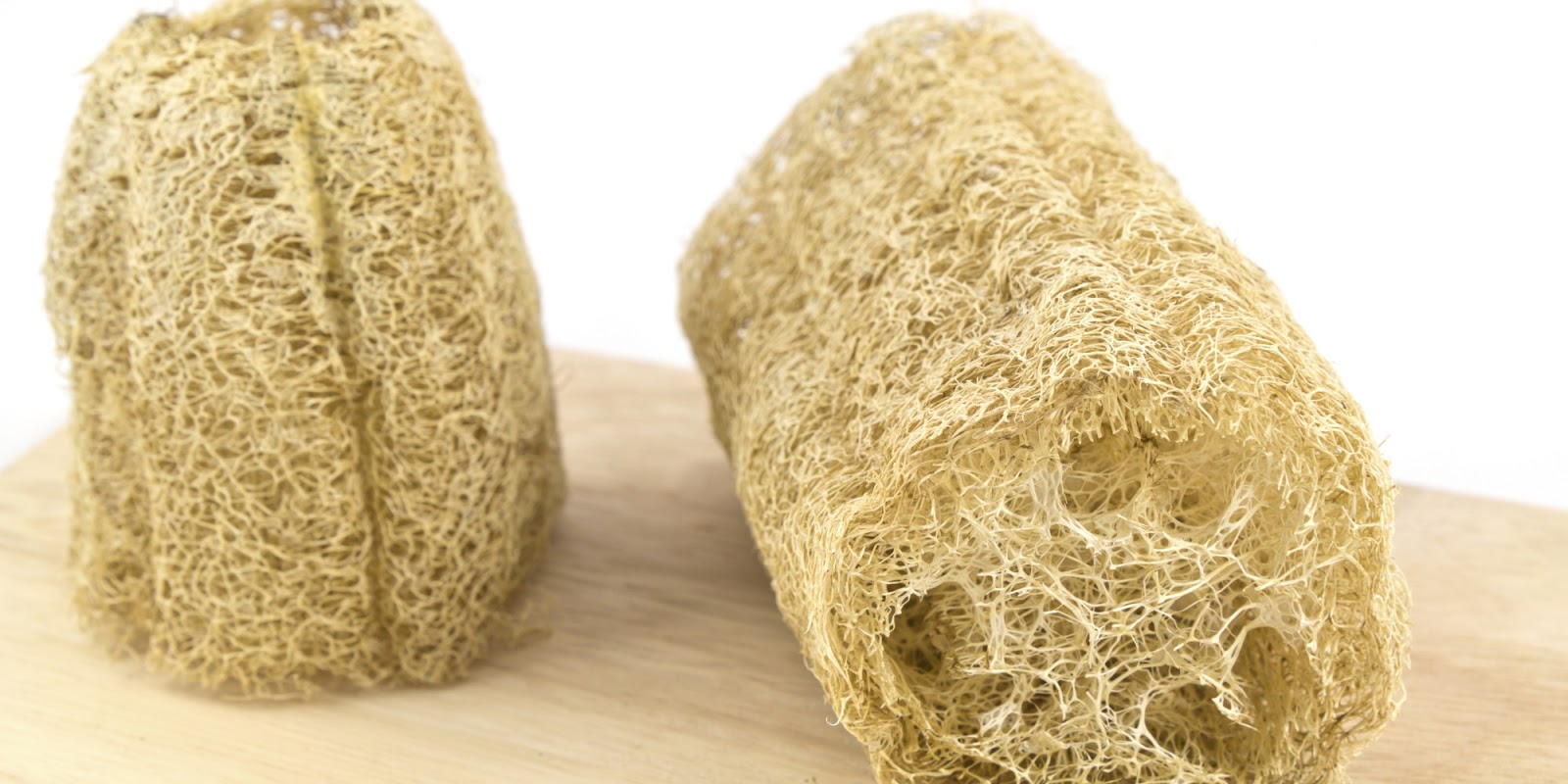
Credit: ourpermaculturelife.com
Environmental Impact
Kitchen sponges are crafted from synthetic materials like polyester and polyurethane. These materials undergo chemical processes to achieve their soft texture. Manufacturing involves cutting and shaping to ensure absorbency and durability.
The environmental impact of kitchen sponges is a topic that often flies under the radar. Every time you reach for a sponge to clean up a spill or scrub a stubborn dish, you’re contributing to a larger global conversation about sustainability. Sponges, typically made from synthetic materials, can take years to decompose, leaving a significant footprint on our planet.Sustainability Practices
Many manufacturers are now embracing sustainable practices to reduce the ecological footprint of their sponges. They’re investing in eco-friendly production methods, such as using renewable energy sources and reducing water consumption. Some companies have even started recycling programs, allowing you to send back used sponges for repurposing, thereby closing the loop on waste.Biodegradable Options
Biodegradable sponges are becoming more popular as consumers seek eco-friendly alternatives. These sponges are made from natural materials like cellulose, cotton, or hemp, which break down more easily in the environment. You can find these options in most supermarkets, often labeled as “compostable” or “biodegradable.” Choosing biodegradable sponges can significantly reduce your household waste. Imagine the difference it would make if every home switched to these environmentally-friendly options. Wouldn’t it feel good to know that your daily cleaning routine could actually contribute to a cleaner planet? As you consider the environmental impact of your kitchen sponge, think about the choices you can make. Could you opt for a more sustainable brand next time? Small changes can lead to big results, and your decision today could lead to a greener tomorrow.Frequently Asked Questions
Are Kitchen Sponges Made Of Real Sponges?
Kitchen sponges are not made from real sea sponges. They are typically crafted from synthetic materials like cellulose or foam. Synthetic sponges are designed for durability and effective cleaning. Real sea sponges are less common and mainly used for cosmetic purposes.
What Are The Disadvantages Of Cellulose Sponges?
Cellulose sponges deteriorate quickly and harbor bacteria when not properly dried. They can break down with harsh chemicals. Their porosity makes them less durable over time, leading to frequent replacements.
How Sanitary Are Kitchen Sponges?
Kitchen sponges can harbor bacteria due to moisture and food particles. Regular cleaning and replacement are essential. Microwave or boil sponges to sanitize them. Opt for quick-drying options and avoid keeping them too long. Proper maintenance ensures a cleaner kitchen environment and reduces the risk of contamination.
Are There Chemicals In Dish Sponges?
Yes, dish sponges often contain chemicals. Manufacturers use antimicrobial agents to prevent bacteria growth. Some sponges may have dyes or fragrances. Always check labels for specific chemical information. Choosing eco-friendly or natural sponges can reduce chemical exposure. Regular replacement helps maintain hygiene and reduces chemical buildup.
Conclusion
Kitchen sponges are essential for cleaning. Their creation involves several steps. From raw materials to finished product, the process is fascinating. Understanding it helps us appreciate these everyday tools. Sponges start with cellulose or synthetic fibers. They are then shaped and treated for durability.
Some have added features like scrubbers. These additions enhance cleaning power. Next time you use a sponge, think about its journey. It’s more than just a cleaning tool. It’s a product of thoughtful design and engineering. Keep your sponges clean to ensure safety and longevity.
A simple yet vital part of our kitchens.

Similar Posts