How Did Hell’S Kitchen Get Its Name: Unveiling Its Origins
Have you ever wondered about the stories behind the names of places you pass by every day? Some names hint at a history that’s vibrant, mysterious, or even a bit dark.
“Hell’s Kitchen” is one of those intriguing names that just begs for an explanation. You might have heard it on TV or passed through it in New York City, but do you know how it really got its name? Unlocking the mystery of Hell’s Kitchen might just surprise you, as its name has layers of history and culture that reflect the grit and resilience of its past.
By the end of this article, you’ll not only satisfy your curiosity but also gain an interesting story to share with friends. Imagine, next time you’re in a conversation about New York, being the one with the fascinating tale about this notorious neighborhood’s name. Ready to dive in? Let’s explore the origins of Hell’s Kitchen together.
Historical Background
Hell’s Kitchen got its name from its gritty past. Known for crime and unrest, the area earned a fierce reputation. The name reflects its turbulent history and tough character.
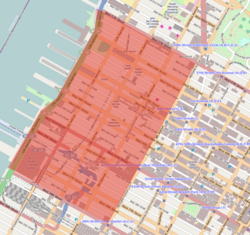
Hell’s Kitchen, a neighborhood known for its vibrant culture and diverse history, has a name that piques curiosity. Located on the west side of Midtown Manhattan, Hell’s Kitchen has evolved from its gritty past to a lively district filled with eateries, theaters, and residential buildings. But how did it get such a fiery name? Let’s dive into the historical background that sheds light on this intriguing moniker.Origins Of The Name
The origins of the name “Hell’s Kitchen” are as spicy as the neighborhood itself. One popular theory suggests that the term was coined by two policemen during the late 19th century. They were patrolling the area known for its crime and poverty. One officer reportedly said, “This place is hell,” to which his partner replied, “Hell’s a mild climate. This is Hell’s Kitchen.”Crime And Poverty
During the late 1800s and early 1900s, Hell’s Kitchen was notorious for its gangs and crime. The neighborhood’s reputation was far from inviting, with poverty-stricken streets and dangerous corners. The name “Hell’s Kitchen” aptly reflected the rough conditions faced by its residents.Immigrant Influence
The neighborhood was a melting pot of cultures, primarily inhabited by Irish immigrants. They brought with them a resilience that shaped the community. Despite the challenges, the immigrant spirit infused Hell’s Kitchen with vibrancy and a unique cultural blend, which is still evident today.Industrial Boom
As industries grew along the Hudson River, Hell’s Kitchen saw an influx of workers. The industrial boom brought new opportunities but also exacerbated the area’s gritty reputation. The blend of bustling industry and tough living conditions contributed to the enduring name. Hell’s Kitchen is a testament to transformation. From its turbulent beginnings to a thriving hub, the name serves as a reminder of the neighborhood’s resilience and rich history. Have you ever walked through Hell’s Kitchen and felt the pulse of its past?
Credit: www.newyorktheatreguide.com
Early Settlements
Hell’s Kitchen earned its name from its rough and dangerous past. Local gangs and violence dominated the area, making it infamous. This gritty reputation led to its fiery moniker.
In the heart of New York City lies Hell’s Kitchen. This neighborhood’s name intrigues many. Its origins are rooted in the early settlements. Immigrants flocked here in the late 19th century. They sought jobs and a better life. The area was bustling yet gritty.Immigrant Waves And Their Impact
A diverse group of settlers arrived. Irish immigrants dominated in the beginning. They built communities and established roots. Other nationalities soon followed. Germans, Italians, and Dutch joined the mix. This blend shaped Hell’s Kitchen’s character.Living Conditions And Struggles
Life wasn’t easy for the settlers. The area faced overcrowding issues. Housing was often substandard and cramped. Many lived in tenements with poor sanitation. Despite hardships, residents persevered. They formed tight-knit communities for support.Economic Activities And Growth
Jobs were plentiful but demanding. Most worked in factories or on the docks. Others found employment in construction. The neighborhood’s economy grew steadily. Businesses emerged to cater to locals. Shops, taverns, and eateries lined the streets.Social Dynamics And Challenges
Social challenges were ever-present here. Gang activity was a constant threat. Tensions often erupted into violence. Despite this, community bonds remained strong. Residents organized events and gatherings. These fostered unity and resilience. Hell’s Kitchen’s name is steeped in history. The early settlers laid its foundation. Their spirit and struggles echo today.Notorious Reputation
Hell’s Kitchen earned its notorious reputation due to its history of crime and violence. This Manhattan neighborhood was once home to gangs and dangerous activities. The name reflects its rough past and gritty character.
Hell’s Kitchen is a neighborhood with a rough past. Its name is tied to its reputation for crime and poverty. In the late 19th and early 20th centuries, it was known for its dangerous streets. This area was infamous for its violence and hardship. Its gritty history is part of its story.Crime And Poverty
Hell’s Kitchen was a place where crime thrived. The streets were not safe, and poverty was widespread. People struggled to make ends meet. Many lived in poor conditions. The crime rate was high, and lawlessness was common. Families faced tough times. Jobs were scarce, and survival was hard. This led to a cycle of poverty and crime. People often turned to illegal activities. Desperation drove many to crime. The neighborhood’s reputation grew darker. It became known for its rough life.Infamous Gangs
Gangs played a big role in Hell’s Kitchen’s history. They controlled the streets and spread fear. Names like the Gophers and the Hudson Dusters were well-known. These gangs fought for power and territory. Their battles were fierce and violent. They were involved in illegal activities. Extortion, theft, and violence were common. Gangs ruled the neighborhood. This added to Hell’s Kitchen’s fearsome reputation. People lived in fear of gang violence. The gangs shaped the area’s identity. Their legacy remains part of Hell’s Kitchen’s story.Theories Behind The Name
Have you ever wondered why Hell’s Kitchen in New York City bears such an ominous name? Theories abound, each offering a unique glimpse into the past. Some suggest Dutch settlers played a part, while others point to the tumultuous Civil War era. Journalists, with their flair for dramatic storytelling, might also have contributed. Let’s dive into these intriguing theories and see which one resonates with you.
The Dutch Influence
Some historians believe the name Hell’s Kitchen can be traced back to the Dutch settlers. They were among the first Europeans to set foot in the area. The rugged terrain and challenging conditions may have inspired a name reflecting the harsh environment.
Imagine being a settler faced with the wild and untamed landscape. Would you see it as a kitchen from hell? This theory highlights the settlers’ struggle to tame the land.
Do you think the name captures the essence of their experience?
The Civil War Era
The Civil War era brought its own set of challenges and transformations. As the area developed, it became a hotspot for crime and unrest. Soldiers returning from battle often settled here, adding to the volatile mix.
This period saw the neighborhood’s reputation take a dark turn. A name like Hell’s Kitchen could have reflected the chaos and danger lurking in the streets.
Could the Civil War have cast a long shadow, leaving its mark in the name?
The Journalistic Angle
Journalists played a significant role in shaping public perception. Sensational stories filled the newspapers, painting Hell’s Kitchen as a lawless place. The dramatic flair of journalism might have immortalized the name.
Consider the impact of catchy headlines. A name like Hell’s Kitchen would surely grab attention and evoke a strong reaction.
Do you think the media’s portrayal exaggerated the reality or mirrored it?
Cultural Impact
Hell’s Kitchen, a Manhattan neighborhood, got its name from its gritty and rough reputation in the 19th century. The term reflects the area’s history, filled with crime and poor living conditions, impacting its cultural identity. Over time, it became symbolic of resilience and transformation.
The cultural impact of Hell’s Kitchen is as fiery as its name suggests. This neighborhood, steeped in history and mystique, has left an indelible mark on literature, media, and popular culture. Its gritty reputation and vibrant community life have inspired countless stories and depictions, shaping perceptions far beyond its boundaries.Literature And Media
Hell’s Kitchen has been a muse for many writers and filmmakers. Its colorful history and urban grit have been portrayed in novels like “The Kitchen God’s Wife” and “The Hell’s Kitchen Cookbook.” These works capture the raw essence and dynamic spirit of the area, offering readers a glimpse into a world that is both harsh and fascinating. In movies and TV series, Hell’s Kitchen often serves as the backdrop for gritty crime dramas and superhero tales. Shows like “Daredevil” have transformed the neighborhood into a character in its own right, reflecting its rough charm and relentless energy. This portrayal not only entertains but also cements Hell’s Kitchen’s place in pop culture as an emblem of resilience.Perception In Popular Culture
The name “Hell’s Kitchen” evokes a sense of danger and intrigue, influencing how people perceive the neighborhood. While some see it as a place of crime and hardship, others view it as a symbol of transformation and opportunity. This duality makes it a compelling subject for storytellers and a fascinating destination for visitors. Have you ever walked through Hell’s Kitchen and felt its vibrant pulse? This neighborhood isn’t just a place on a map; it’s a living narrative that continues to evolve. Its cultural impact is a testament to the power of place in shaping stories and perceptions. Whether through the pages of a book or the screen of a TV, Hell’s Kitchen challenges us to look beyond the surface and appreciate the complexities of urban life. How does a name influence your view of a place, and what stories does it inspire you to tell?
Credit: en.wikipedia.org
Modern Transformation
The name “Hell’s Kitchen” likely comes from the area’s gritty past. It was known for crime and tough living conditions. Another theory suggests it was named after a notorious gang leader.
The Modern Transformation of Hell’s Kitchen is a fascinating tale of urban evolution. Once notorious for its gritty reputation, the area has undergone a significant makeover. This transformation has reshaped its streets, culture, and community, making it a vibrant hub of activity.Gentrification
The gentrification of Hell’s Kitchen has been both a blessing and a challenge. As new developments sprung up, the neighborhood saw an influx of young professionals and creatives. This brought trendy cafes, chic boutiques, and upscale dining to the area. Yet, with these changes, long-time residents faced rising rents and altered landscapes. Walking through the streets, you might notice a blend of old and new architecture. This juxtaposition reflects the ongoing tug-of-war between preserving history and embracing modernity.Current Reputation
Today, Hell’s Kitchen boasts a reputation as one of New York City’s most dynamic neighborhoods. Its diverse culinary scene attracts foodies from all over the city. With Broadway just a stone’s throw away, entertainment options are endless. The community vibe remains strong, with locals cherishing the area’s rich history while embracing its contemporary allure. As you wander through the bustling avenues, you might wonder how long this balance will last. Can a neighborhood continue to evolve without losing its essence? The modern transformation of Hell’s Kitchen is a testament to the city’s ever-changing landscape, offering a unique experience for both residents and visitors.
Credit: tvtropes.org
Frequently Asked Questions
Why Is It Called Hell’s Kitchen?
Hell’s Kitchen got its name from its rough reputation in the 19th century. Locals believed the area’s crime and chaos resembled hell. Today, it’s known for its vibrant dining scene and diverse culture, contrasting its historical roots.
Why Are Gordon Ramsay’s Restaurants Called Hell’s Kitchen?
Gordon Ramsay’s restaurants are called Hell’s Kitchen because they emulate the fiery, intense atmosphere of his TV show. The name reflects the challenging and high-pressure culinary environment, where chefs strive for excellence under Ramsay’s guidance. It captures the essence of competitive cooking and gourmet perfection.
What’s The Story Behind Hell’s Kitchen?
Hell’s Kitchen is a reality TV show where chefs compete in intense culinary challenges. Hosted by Gordon Ramsay, it tests culinary skills and endurance. The show is famous for Ramsay’s fiery personality and high-pressure environment. Contestants vie for a chance to win a prestigious chef position.
Who Came Up With Hell’s Kitchen?
Gordon Ramsay created “Hell’s Kitchen” with the help of producers. The show first aired in the UK in 2004. It gained popularity and was adapted for American audiences, making Ramsay a household name. His unique style and intense challenges contribute to the show’s success.
Conclusion
Hell’s Kitchen has a fascinating history behind its name. Many tales and theories exist. Some stories link it to crime and danger. Others suggest it was inspired by tough living conditions. The name reflects the area’s gritty past. Today, Hell’s Kitchen is vibrant and diverse.
Despite its evolving nature, the intriguing name remains. It captures the imagination and invites curiosity. Locals and visitors alike wonder about its origins. This name, with its rich history, continues to define the neighborhood. It’s a reminder of the stories that shape places.
Hell’s Kitchen is a unique blend of past and present.