How Do I Clean Sticky Kitchen Cabinets: Easy Solutions
Executive Chef & Lead Commercial Kitchen Specialist at Daily Kitchup Test Lab
Sticky kitchen cabinets can be a real headache, can’t they? You spend all that time cooking and cleaning, yet those stubborn stains and grime seem to have a life of their own.
It’s frustrating to open your cabinets only to feel that tacky residue on your fingers. But don’t worry, you’re not alone in this battle against sticky surfaces. You’ve probably tried a few solutions already, but if you’re still searching for a way to make those cabinets sparkle and shine, you’re in the right place.
This guide will show you how to effectively clean sticky kitchen cabinets, using simple methods that won’t break the bank or take up too much of your precious time. Ready to finally conquer that sticky mess and restore your kitchen’s gleam? Let’s dive in and discover the secrets to a cleaner, more inviting kitchen space.
Causes Of Sticky Cabinets
Grease and food residue often cause sticky kitchen cabinets. Cooking fumes and spilled liquids add to the problem. Regular cleaning prevents buildup and keeps cabinets fresh.
Sticky kitchen cabinets can be a real nuisance. They make your kitchen look dirty and neglected. Understanding the causes can help you prevent the sticky mess.Accumulated Grease
Cooking releases grease into the air. This grease settles on cabinets over time. Frequent frying can worsen the problem.Humidity And Moisture
High humidity levels can lead to sticky surfaces. Moisture mixes with dust and grease, creating a sticky residue.Food Spills
Spills from cooking or eating can leave sticky residues. Sugary or oily spills are especially problematic.Improper Cleaning
Using the wrong cleaner can cause stickiness. Harsh chemicals may leave residue behind.Dust And Dirt
Dust can mix with grease, causing a sticky layer. Regular cleaning reduces this buildup.Old Finish
Cabinet finishes can wear out over time. An old finish can become sticky and dull.Credit: www.facebook.com
Essential Cleaning Supplies
Tackle sticky kitchen cabinets with essential cleaning supplies like vinegar, baking soda, and mild dish soap. Mix vinegar and warm water for an effective solution. Use a soft cloth or sponge to gently scrub away grime.
Cleaning sticky kitchen cabinets can be a daunting task, but having the right tools makes it much easier. Imagine walking into your kitchen and seeing the gleaming surfaces that reflect your hard work. The secret? A well-stocked arsenal of essential cleaning supplies. Let’s dive into what you’ll need to transform those sticky cabinets into spotless wonders.Vinegar And Water Solution
A simple mix of vinegar and water is a natural cleaner that’s tough on grease. Combine equal parts of white vinegar and warm water in a spray bottle. This solution cuts through sticky residue without harsh chemicals, making it safe for most cabinet finishes.Microfiber Cloths
Microfiber cloths are your best friends when it comes to cleaning. They trap dust and grime effectively without scratching surfaces. Use these cloths dampened with your vinegar solution for a streak-free finish.Dish Soap
A few drops of dish soap mixed with warm water can work wonders on kitchen grime. This mild cleaner is perfect for tackling greasy spots. Just make sure to rinse thoroughly to avoid leaving any soap residue.Baking Soda Paste
For stubborn stains, a baking soda paste is your go-to. Mix baking soda with a little water to form a thick paste. Apply it to the sticky areas, let it sit for a few minutes, and then scrub gently with a soft cloth.Toothbrush
An old toothbrush can reach those hard-to-clean crevices and corners. Dip it in your cleaning solution or baking soda paste. This tool is perfect for getting into the grooves of cabinet handles and edges.Dry Cloth Or Towel
After cleaning, a dry cloth or towel is essential to prevent water spots. Wipe down the cabinets thoroughly to ensure a polished look. This final step helps keep your cabinets looking fresh and clean. Are you ready to tackle your sticky cabinets with confidence? With these supplies in hand, cleaning becomes a quick and rewarding task. Your kitchen will thank you with a sparkling shine.Natural Cleaning Methods
Sticky kitchen cabinets can be frustrating. Natural cleaning methods offer a safe solution. They use simple ingredients found in any home. These methods are not only effective but also eco-friendly. Let’s explore some easy ways to clean sticky cabinets using everyday items.
Vinegar And Water Solution
Mix equal parts vinegar and water in a spray bottle. Spray this solution onto the sticky areas. Let it sit for a few minutes to break down grime. Wipe clean with a soft cloth. Vinegar’s acidity cuts through grease easily. It leaves your cabinets fresh and clean.
Baking Soda Paste
Create a paste using baking soda and water. Apply the paste to sticky spots on cabinets. Let it sit for about 15 minutes. Scrub gently with a soft brush. Baking soda acts as a mild abrasive. It lifts dirt without damaging surfaces. Wipe away residue with a damp cloth.
Citrus-based Cleaners
Use lemon or orange peels to make a cleaner. Boil the peels in water to extract oils. Cool the liquid and use it as a spray. Citrus oils break down grease effectively. They leave a pleasant scent behind. Spray, let it sit, then wipe clean with a cloth.
Credit: www.facebook.com
Commercial Cleaners
Cleaning sticky kitchen cabinets is a common task for many homeowners. Grease and grime can accumulate over time, leaving cabinets feeling unpleasantly sticky. Commercial cleaners offer an efficient solution, designed to tackle tough residues with ease.
Choosing The Right Product
Not all commercial cleaners are created equal. Look for products labeled specifically for kitchen cabinets. They often contain degreasing agents that break down sticky substances effectively. Check product reviews and ratings for reliability. Consider environmentally friendly options to minimize chemical exposure in your home.
Application Tips
Before starting, ensure good ventilation in the kitchen. Shake the cleaner well to mix any settled ingredients. Apply the cleaner to a microfiber cloth instead of directly on the cabinet. This prevents over-saturation and potential damage. Gently wipe the cabinets in a circular motion to lift grime.
Focus on areas with more buildup, like around handles and edges. Rinse the cloth frequently to avoid spreading dirt. After cleaning, use a dry cloth to wipe away any remaining residue. This leaves the cabinets clean and shiny.
Step-by-step Cleaning Process
Sticky kitchen cabinets can be cleaned with a mixture of warm water and vinegar. Scrub gently with a soft cloth to remove grime. Finish by wiping with a dry towel for a polished look.
Cleaning sticky kitchen cabinets can seem daunting. But with the right steps, it’s simple and rewarding. A thorough cleaning not only enhances the look but also extends the cabinet’s life. Here’s a step-by-step guide to help you get started.Preparation Steps
Ensure you have all the necessary supplies. Gather a microfiber cloth, mild detergent, vinegar, and warm water. Lay old towels on the floor to catch drips. Remove items from the cabinets to access every corner. Open windows to improve ventilation.Cleaning Techniques
Mix warm water with a few drops of mild detergent. Dip a microfiber cloth into the solution. Gently wipe the cabinet surfaces. For tougher spots, use vinegar and water. Apply the solution to stubborn areas. Let it sit for five minutes.Rinsing And Drying
Use a clean, damp cloth to rinse the cabinets. Remove all soap residues. Follow with a dry cloth to prevent water marks. Ensure every surface is dry. This prevents moisture damage. Return items to their spots once cabinets are dry.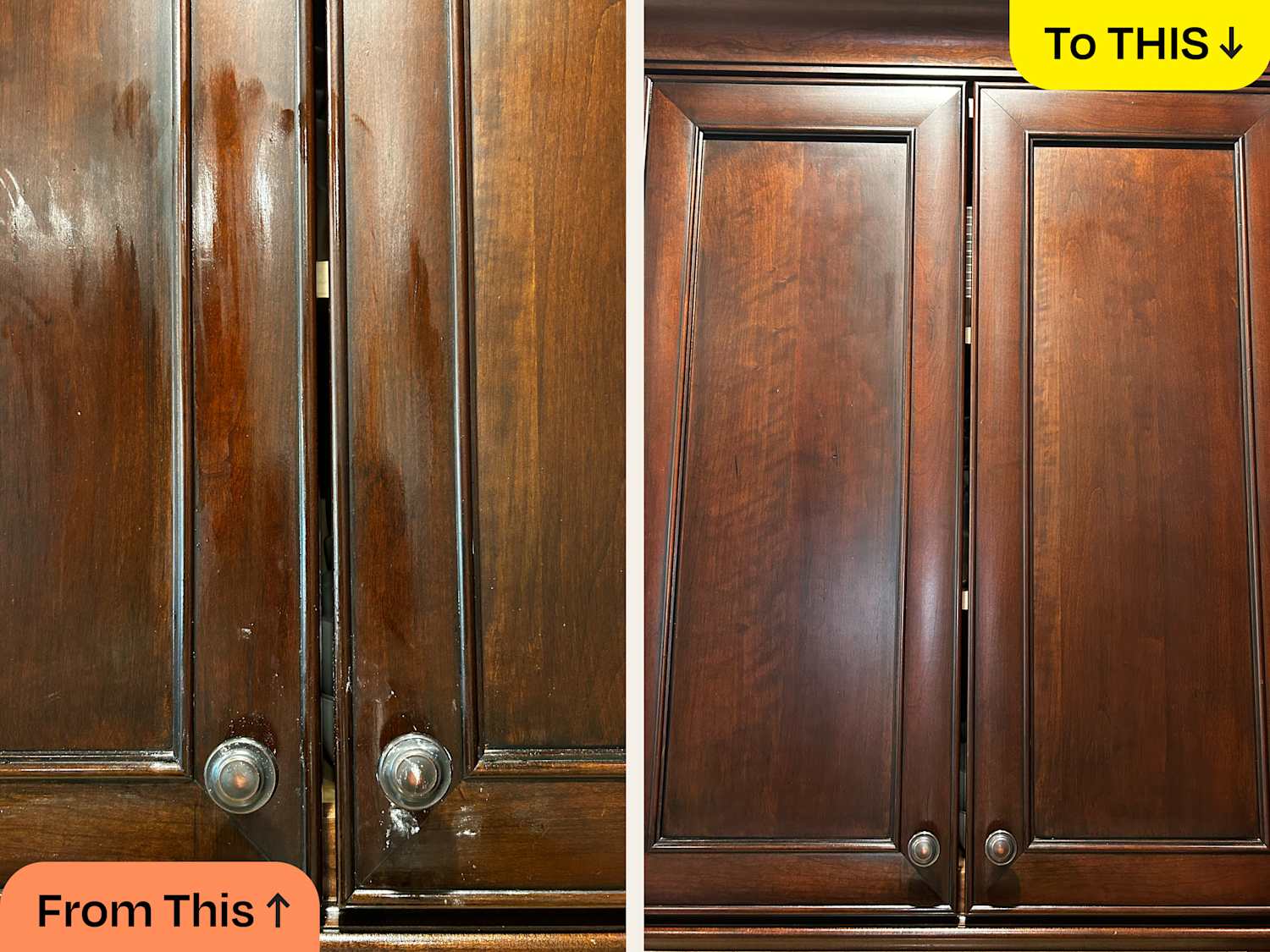
Credit: www.thekitchn.com
Preventing Future Build-up
Regular cleaning prevents sticky build-up on kitchen cabinets. Use gentle soap and water weekly to maintain shine. Dry thoroughly to avoid moisture damage.
Preventing future build-up on your kitchen cabinets can save you time and effort in the long run. With a few simple habits and smart strategies, you can keep your cabinets looking pristine. Let’s explore some effective ways to maintain your cabinets and shield them from sticky residues.Regular Maintenance Tips
Create a cleaning schedule that fits your lifestyle. A quick wipe-down of cabinet surfaces with a damp cloth every week can make a big difference. Use a mild dish soap solution for tougher spots and immediately dry with a clean towel to prevent moisture damage. Consider setting a monthly reminder to check those hard-to-reach areas, like the tops of cabinets, where grease can accumulate unnoticed.Protective Measures
Use cabinet liners to protect the inside surfaces from spills and drips. These liners are easy to clean and replace. Install a range hood if you don’t already have one. It helps in sucking up grease particles before they settle on your cabinets. Be mindful of your cooking habits. Using lids on pots and pans when cooking can minimize splatters and steam, protecting your cabinets from sticky build-up. Isn’t it worth investing a few minutes regularly to prevent the headache of deep cleaning later? These small steps can ensure your kitchen stays fresh and inviting.When To Seek Professional Help
Sticky kitchen cabinets may need professional cleaning if DIY efforts fail or damage the surface. Stubborn grime, especially on wood, can require expert solutions. Professionals ensure safe, effective results without harming your cabinets.
Cleaning sticky kitchen cabinets can sometimes feel like you’re fighting a losing battle. Despite your best efforts, there are times when the grime seems to be stubbornly resistant. At this point, it might be time to consider bringing in a professional. But when exactly should you make that call?Complex Stains That Won’t Budge
If you’ve tried all the DIY tricks and those pesky stains still linger, it might be time to seek professional help. Professionals have access to industrial-grade cleaning agents that can tackle the toughest grime without damaging your cabinets.Signs Of Damage
Sticky residue can sometimes hide underlying damage. Professionals can assess whether the stickiness is masking issues like peeling paint or water damage, potentially saving you from costly repairs down the line.Lack Of Time Or Energy
Life can get busy, and cleaning cabinets might not be at the top of your priority list. If you’re juggling multiple tasks and can’t find the time or energy to deal with sticky cabinets, hiring a professional can be a relief.Persistent Odors
Sometimes, sticky cabinets come with unpleasant odors that simply won’t go away. Professionals have specialized techniques to not just clean but also deodorize, leaving your kitchen smelling fresh and inviting.Seeking Perfect Results
Maybe you’ve cleaned them yourself, but the cabinets don’t look quite right. Professionals can ensure a spotless finish, restoring your cabinets to their original charm. Have you ever wondered if your cleaning efforts are enough? Or have you experienced the frustration of persistent stickiness? Seeking professional help might be the answer to achieving the sparkling kitchen you’ve always wanted.Frequently Asked Questions
How To Get Stickiness Off Of Kitchen Cabinets?
Clean sticky cabinets with a mixture of vinegar and warm water. Use a soft cloth to scrub gently. Dry with a clean towel. Avoid harsh chemicals to prevent damage. Regular cleaning helps maintain a fresh look and prevents build-up. Ensure thorough drying to prevent moisture-related issues.
Why Are My Kitchen Cabinets Still Sticky After Cleaning?
Sticky cabinets can result from residue left by cleaning products or inadequate rinsing. Use warm water and mild soap for effective cleaning. Avoid harsh chemicals that may leave sticky residues. Dry thoroughly to prevent moisture buildup. Regular maintenance ensures clean, non-sticky surfaces.
How Do You Clean Kitchen Cabinets Without Removing The Finish?
Use a mixture of mild dish soap and warm water. Apply with a soft cloth or sponge. Gently scrub and wipe with a clean, damp cloth. Dry with a microfiber towel to avoid streaks. Avoid harsh chemicals or abrasive pads to protect the finish.
What Is The Best Degreaser For Kitchen Cabinets?
The best degreaser for kitchen cabinets is a mixture of vinegar and dish soap. This solution effectively cuts through grease. Simply mix equal parts vinegar and water, add a few drops of dish soap, and apply with a soft cloth.
Rinse thoroughly for sparkling clean cabinets.
Conclusion
Cleaning sticky kitchen cabinets can be simple with the right steps. Regular maintenance prevents grime build-up. Use mild cleaners and soft cloths for gentle care. Avoid harsh chemicals that damage the surface. Pay attention to handles and edges, where dirt hides.
Consistent cleaning keeps your kitchen fresh and inviting. Remember, patience and care make a big difference. Your cabinets will thank you with lasting shine. Stick to these tips for a spotless kitchen experience. Happy cleaning!

Similar Posts