How Do I Fix a Clogged Kitchen Sink: Quick Solutions
Executive Chef & Lead Commercial Kitchen Specialist at Daily Kitchup Test Lab
Imagine this: you’re in the middle of preparing a delicious meal, and suddenly, your kitchen sink decides to play the villain by refusing to drain. A clogged sink isn’t just an inconvenience; it can disrupt your entire day.
But don’t worry, you’re not alone in this. Many people face this pesky problem, and the good news is, you can fix it yourself! By the end of this article, you will have the confidence and know-how to tackle that stubborn clog head-on, without having to call in a professional.
This guide will walk you through simple, effective steps that are easy to follow, saving you time and money. Plus, solving this problem yourself will give you a satisfying sense of accomplishment. Ready to reclaim your kitchen? Let’s dive in and get your sink back to working smoothly.
Identify The Cause
Identify the Cause First, check for food debris or grease in the drain. Use a flashlight to inspect the sink’s trap. Understanding the blockage source helps in selecting the right solution.
Identifying the cause of a clogged kitchen sink is crucial in finding the right solution. It might seem like a minor annoyance, but understanding the root of the problem can save you time, effort, and possibly money. Knowing what you’re dealing with allows you to tackle the issue effectively. Let’s dive into some common reasons your kitchen sink might be clogging.Common Blockages
Food particles are often the culprits behind a blocked sink. Even when using a garbage disposal, not everything should go down the drain. Items like coffee grounds, eggshells, and fibrous vegetables can accumulate over time, leading to a stubborn blockage. Fats, oils, and grease are notorious for causing clogs. You might think washing them down with hot water will do the trick, but as they cool, they solidify. This solidification can create a sticky trap for other debris, exacerbating the clog. Another common problem is soap buildup. If you have hard water, the minerals can combine with soap, creating a hard residue. Over time, this can narrow the pipes, making it easier for clogs to form.Signs Of A Clog
Is your sink draining slower than usual? This is often the first sign of a clog. You might notice that the water takes longer to disappear, which indicates a blockage is starting to form. Listen for unusual sounds. Gurgling noises when water is running down the drain can hint at trapped air in the pipes, a common side effect of a clog. Do you detect any unpleasant odors? A foul smell emanating from your sink is a telltale sign of decomposing food particles caught in the drain. This odor can linger and worsen if not addressed quickly. Pay attention to these signs, as catching a clog early can prevent more serious plumbing issues. By understanding what causes clogs and recognizing the symptoms, you’re better equipped to keep your kitchen sink in good working order.Credit: katieskottage.com
Prevent Future Clogs
Preventing future clogs involves regular maintenance. Use strainers to catch food particles and avoid pouring grease down the drain. Periodically flushing the sink with hot water keeps pipes clear.
Preventing future clogs in your kitchen sink is easier than you might think. Regular care and a few mindful habits can keep your drains running smoothly. Imagine never having to deal with a stubborn clog again—sounds great, right?Regular Maintenance Tips
Implementing regular maintenance can save you from the hassle of unexpected clogs. Start by running hot water through your sink after each use. This simple step helps clear any grease buildup, ensuring it doesn’t solidify in your pipes. Consider using a natural cleaning solution once a week. A mixture of vinegar and baking soda can effectively break down minor blockages. Pour half a cup of baking soda followed by a cup of vinegar down the drain, let it fizz for a few minutes, and then flush with hot water. You might also invest in a drain cover or strainer. It catches larger debris like food scraps before they can slip down the drain. Keeping these items out of your pipes can prevent the gradual accumulation of material that leads to clogs.What Not To Pour Down The Sink
Being mindful of what you pour down the sink is crucial in preventing clogs. While it may seem convenient to rinse everything down, certain items can cause significant problems. Avoid pouring cooking grease or oils down the drain. They may be liquid when hot, but they solidify as they cool, creating a sticky trap for other debris. Instead, collect them in a container and dispose of them in the trash. Coffee grounds might seem harmless, but they can accumulate and cause blockages. Compost them or throw them in the garbage instead. Similarly, fibrous foods like celery and potato peels can tangle in your pipes, leading to clogs. Have you ever thought about the impact of pouring harsh chemicals down your sink? Not only can they damage your pipes over time, but they can also harm the environment. Opt for gentler, eco-friendly cleaners whenever possible. By following these practical tips, you can keep your kitchen sink free from clogs and enjoy a hassle-free kitchen experience.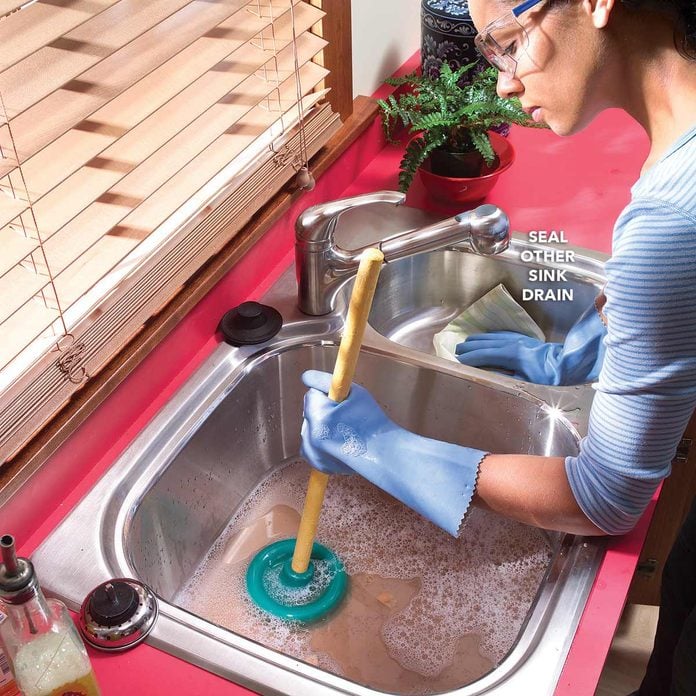
Credit: www.familyhandyman.com
Frequently Asked Questions
What Is The Best Way To Unclog A Clogged Kitchen Sink?
Use a plunger to create suction and dislodge debris. Pour boiling water down the drain. Mix baking soda and vinegar, let it fizz, then flush with hot water. Use a plumber’s snake for stubborn clogs. Regular maintenance prevents future issues.
Do Baking Soda And Vinegar Work Better Than Drano?
Baking soda and vinegar can clear minor clogs by creating a chemical reaction. Drano is more effective for tougher blockages. Drano contains stronger chemicals designed to dissolve grease and hair. For stubborn clogs, Drano is generally preferred, while baking soda and vinegar are eco-friendly alternatives for lighter issues.
What Is The Most Common Cause Of Kitchen Sink Clogs?
The most common cause of kitchen sink clogs is food particles and grease buildup. These substances accumulate over time, blocking the pipes. Regular cleaning and avoiding pouring grease down the drain can help prevent clogs. Use a strainer to catch food particles and dispose of them in the trash.
How To Unblock A Severely Blocked Sink?
Use a plunger to dislodge the blockage. Pour baking soda and vinegar, then flush with hot water. If necessary, use a drain snake to break up stubborn clogs. Avoid chemical drain cleaners, as they can damage pipes. Regularly clean the sink to prevent future blockages.
Conclusion
Fixing a clogged kitchen sink is manageable. Start with removing any debris. Use a plunger for stubborn clogs. Baking soda and vinegar can help dissolve buildup. Try a plumber’s snake for deeper blockages. Always maintain your sink to prevent future clogs.
Regular cleaning keeps pipes clear. Avoid pouring grease down the drain. Hot water flushes are useful. Call a professional if problems persist. Proper care saves time and stress. Enjoy a smoothly running kitchen. Happy cooking with a clear sink!

Similar Posts