How Do U Get Rid of Ants in the Kitchen: Proven Solutions
You open your kitchen cupboard, and there they are—tiny ants marching in a line, seemingly out of nowhere. It’s frustrating, isn’t it?
These little invaders can make you feel like you’re losing control of your own space. You might wonder, “How do I get rid of ants in the kitchen? ” You’re not alone. Many people face this problem, and the good news is that there are effective ways to tackle it.
Imagine your kitchen, free from these pesky insects, where you can cook and eat without a second thought. You’ll discover simple, actionable steps to reclaim your kitchen and keep it ant-free. Ready to take back control? Let’s dive in.
Identify The Ant Species
Ants in the kitchen can be a nuisance, but before you rush to grab the nearest pesticide, take a moment to identify the ant species. This might sound like an unnecessary step, but understanding which type of ant you’re dealing with can make all the difference in effectively ridding your kitchen of them. Different species have different behaviors, preferences, and vulnerabilities. Recognizing these differences can help tailor your approach and save you time and frustration.
Identifying Common Kitchen Ant Species
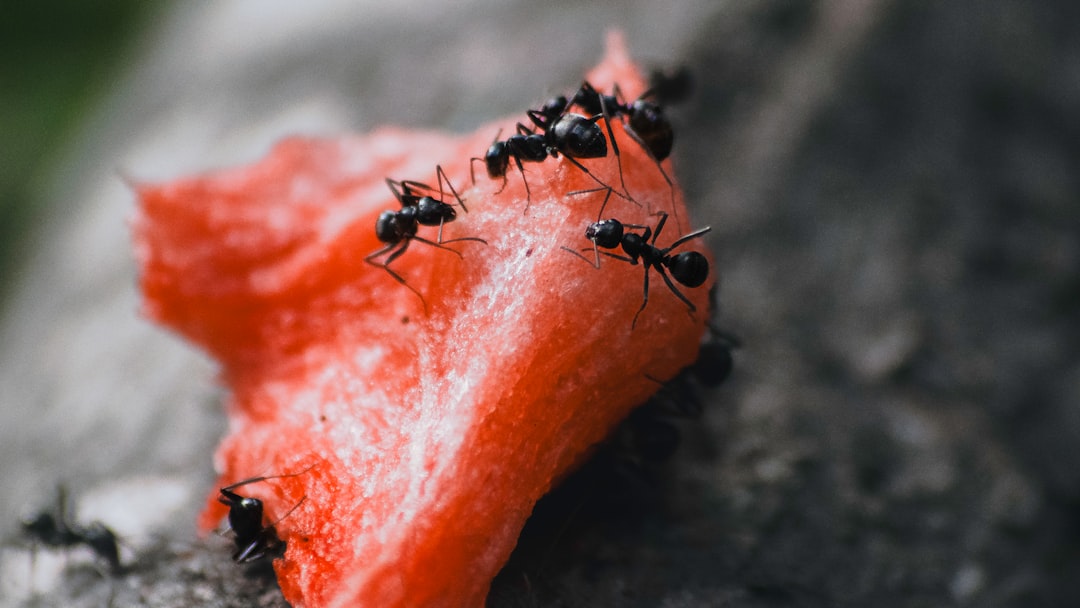
Several species are notorious for invading kitchens, each with unique characteristics.
- Argentine Ants:These are small, light to dark brown ants commonly found in warm climates. They are known for forming massive colonies.
- Odorous House Ants:When crushed, they emit a rotten coconut smell. They prefer sweet foods and can nest indoors.
- Carpenter Ants:Larger in size, usually black or brown, they may indicate moisture issues as they nest in damp wood.
Why Identifying The Species Matters
Knowing the species helps you determine the most effective elimination method. For instance, Argentine ants are attracted to sweet substances, so bait traps with sugary solutions work well. Meanwhile, carpenter ants might require professional intervention due to their nesting habits in wood structures.
How To Identify Ant Species
Start by observing the ants’ size, color, and behavior. Use a magnifying glass for a closer look. Note their movement patterns and the types of food they’re attracted to. You can also consult online guides or apps that match your observations with known species.
Personal Experience: Identifying Ants In My Kitchen
Last summer, my kitchen was overrun by tiny ants. They weren’t interested in the usual crumbs but seemed to love sugary liquids. After some investigation, I realized they were Argentine ants. Armed with this knowledge, I set up sugar bait traps, and within days, the ants vanished.
Engage With Experts
If you’re unsure about the species, consider reaching out to local pest control services or entomologists. They can provide insights and possibly save you from trial and error. Have you ever wondered if your ant problem could be easily solved by identifying their type?

Credit: www.express.co.uk
Natural Deterrents
Natural deterrents like vinegar and lemon juice can effectively repel ants in the kitchen. Peppermint oil also deters ants by masking their scent trails.
Natural deterrents are a fantastic way to manage pesky ants in your kitchen without resorting to harsh chemicals. These solutions are not only environmentally friendly but also cost-effective, making them ideal for any household. Let’s explore some of these natural remedies that can help keep your kitchen ant-free.Essential Oils
Essential oils are not just for aromatherapy; they can be powerful ant repellents too. Oils like peppermint, tea tree, and lemon have strong scents that ants find overwhelming. Have you tried placing a few drops of peppermint oil near ant entry points? You might be surprised at how quickly they retreat. Mixing essential oils with water and spraying it around your kitchen can create a barrier that ants are reluctant to cross. It’s a simple method that leaves your kitchen smelling fresh and inviting.Vinegar Solutions
Vinegar is a versatile household item that can double as an ant deterrent. Its strong smell disrupts the pheromone trails ants use to navigate, effectively confusing them. Consider wiping your countertops and floors with a vinegar-water solution. Not only does this keep ants at bay, but it also helps sanitize surfaces. You might wonder why you didn’t try this sooner, given its effectiveness and simplicity.Baking Soda And Sugar
Combining baking soda and sugar creates a bait that ants find irresistible yet fatal. While sugar attracts them, baking soda reacts with the acid in their stomachs, ultimately eliminating them. Have you ever thought of setting up a small dish with this mixture in your kitchen corners? It’s an unobtrusive method that can reduce ant populations significantly without harming your kitchen’s environment. These natural deterrents offer practical solutions that are easy to implement. Which method are you planning to try first? Making your kitchen ant-free can be as simple as utilizing these everyday items.Chemical Solutions
Dealing with ants in the kitchen can be frustrating. Chemical solutions offer effective ways to eliminate ants quickly. These methods target ants directly and are easy to apply. Using these solutions can help maintain a clean and pest-free kitchen.
Ant Baits
Ant baits lure ants with sweet or protein-rich substances. Inside, they contain poison. Ants carry the bait back to their colony. This spreads the poison among other ants. Eventually, it kills the entire colony. Place baits near ant trails or entry points. Keep them out of reach of children and pets.
Insecticide Sprays
Insecticide sprays are another option for ant control. They kill ants on contact. Use sprays on countertops, floors, and near entry points. Choose products labeled safe for indoor use. Follow instructions carefully for best results. Ensure good ventilation when spraying. This helps to keep the kitchen safe.
Maintain Cleanliness
Keep your kitchen spotless to deter ants effectively. Store food in airtight containers and promptly clean up spills. Regularly wipe surfaces with vinegar or lemon solutions to repel these pesky invaders.
Maintaining cleanliness is crucial to keeping ants out of your kitchen. Ants are attracted to food crumbs, spills, and residues. A clean kitchen reduces their food sources and discourages them from invading. By focusing on a few key areas, you can create an inhospitable environment for these pests.Regular Cleaning
Wipe down counters and tables daily. Use a mild disinfectant to remove food particles. Sweep or vacuum the floors to eliminate crumbs and debris. Pay attention to corners and hidden areas where ants may hide. Clean spills immediately to prevent attracting ants.Proper Food Storage
Store food in airtight containers. This keeps ants from reaching food. Place bread, cereals, and snacks in sealed bags or containers. Keep fruits and vegetables in the refrigerator. This simple step deters ants from entering your kitchen.Waste Management
Dispose of garbage regularly. Use a trash can with a tight-fitting lid. Empty the trash daily to prevent odors from attracting ants. Rinse recyclables before placing them in bins. Keep compost bins away from your kitchen to reduce ant attraction.Seal Entry Points
Ants in the kitchen can be a nuisance. They seem to appear out of nowhere, marching in lines and invading your space. One effective way to tackle this problem is by sealing entry points. By blocking these access routes, you can prevent ants from entering your kitchen. This proactive step not only keeps ants at bay but also maintains a cleaner, pest-free environment.
Inspect Cracks And Gaps
Start with a thorough inspection of your kitchen. Look closely for cracks and gaps. Check areas near windows and doors. Pay attention to spaces around plumbing and electrical outlets. These are common entry points for ants. Use a flashlight to see hidden or dark places. Ants can squeeze through tiny spaces, so be meticulous in your search.
Use Sealants And Caulk
Once you’ve identified the entry points, it’s time to seal them. Use sealants and caulk for this task. Choose a high-quality product for best results. Apply the sealant along the edges of windows and doors. Fill in any visible cracks and gaps. Ensure the application is smooth and consistent. This creates a barrier that ants cannot cross. Regularly check and maintain these seals to ensure long-term effectiveness.

Credit: www.callnorthwest.com
Create Barriers
Seal food in airtight containers to keep ants away. Clean spills immediately and use natural repellents like vinegar. Close gaps and cracks to block entry points.
Creating barriers is an effective way to keep ants out of your kitchen. By blocking their entry points, you deter them from invading your space. Several methods can help you build these barriers, each with its own benefits. Let’s explore some practical solutions.Chalk Lines
Chalk lines can serve as an effective ant deterrent. Draw a line of chalk around entry points. Ants dislike the texture and avoid crossing it. Use plain white chalk for best results. This simple method creates a barrier that ants find difficult to breach.Diatomaceous Earth
Diatomaceous earth is a natural ant repellent. Sprinkle it in areas where ants enter your kitchen. The fine powder dehydrates ants, leading to their demise. Make sure to use food-grade diatomaceous earth. It’s safe for humans and pets but lethal for ants. Apply it in a thin layer for maximum effectiveness.Seek Professional Help
Seeking professional help can effectively eliminate ants from your kitchen. Experts have the right tools and techniques for a quick, thorough solution. This approach ensures a safe and pest-free environment.
Seeking professional help for ant problems can be a smart choice. Professionals know how to handle pests effectively. They use safe methods for your home and family. They can identify the root cause of the problem. Their expertise ensures ants are gone for good.Expert Assessment
Professionals inspect your kitchen thoroughly. They find entry points and identify ant species. This helps them choose the right treatment method. Their assessment covers areas you might overlook. They focus on long-term solutions.Customized Solutions
Each ant problem is unique. Professionals offer tailored solutions. They choose treatments based on your kitchen’s needs. This personalized approach ensures effective results. They aim for minimal impact on your daily life.Safe And Efficient Treatments
Professionals use safe treatments. They prioritize your health and safety. Their methods effectively eliminate ants. They use eco-friendly products where possible. You don’t have to worry about harmful chemicals.Prevention Strategies
Experts provide prevention tips. They help you keep ants from returning. They suggest changes to your kitchen habits. This helps maintain a pest-free environment. Their advice is easy to follow.Peace Of Mind
Hiring professionals brings peace of mind. You know the problem is handled properly. You save time and effort. You can enjoy your kitchen without worry. Their services are reliable and trusted.
Credit: www.express.co.uk
Frequently Asked Questions
How Do I Get Rid Of Ants In My Kitchen Fast?
Seal food containers and clean spills immediately. Use vinegar or lemon juice to deter ants. Place ant traps or bait stations strategically. Sprinkle diatomaceous earth or borax powder near entry points. Regularly check and maintain cleanliness to prevent return.
What Do Ants Hate The Most In The Kitchen?
Ants dislike vinegar due to its strong odor. Citrus peels repel them with their acidic scent. Essential oils like peppermint and tea tree are effective deterrents. Keeping the kitchen clean and storing food properly helps prevent ant infestations. Use these natural methods to keep ants away from your kitchen.
Why Am I Getting So Many Ants In My Kitchen?
Ants invade kitchens in search of food, water, and shelter. Open food containers and crumbs attract them. Sealing food and cleaning surfaces helps deter them. Check for entry points like cracks and seal them to prevent access. Regularly empty trash and fix leaks to reduce their attraction.
What Is The Safest Ant Killer For Kitchen?
Diatomaceous earth is a safe ant killer for kitchens. It’s non-toxic and effective when sprinkled in ant-prone areas. Keep it dry for best results. Use it around pet and child-friendly zones without worry. Always ensure it’s food-grade for safety in food preparation areas.
Conclusion
Ants in the kitchen can be a real nuisance. Simple steps can help. Keep food sealed and clean spills promptly. Natural remedies like vinegar deter ants. Regularly check for entry points and seal them. If problems persist, consider professional pest control.
A clean kitchen is crucial in preventing ants. These tips make your kitchen less inviting to ants. Stay vigilant and maintain cleanliness. Your kitchen can be ant-free with consistent effort. Remember, prevention is key in keeping ants away.