
You know the feeling. You’re standing in your kitchen, ready to clean up, but the sink is clogged.
Water won’t drain, and you’re left with a mess that’s both frustrating and inconvenient. Unclogging a kitchen sink drain might seem daunting, but it doesn’t have to be. Imagine the relief and satisfaction when you can solve this problem quickly and efficiently, getting your kitchen back to its usual rhythm.
This article will guide you through simple steps to unclog your kitchen sink drain, using techniques that are both effective and easy to follow. By understanding these methods, you can save yourself time, money, and the headache of a backed-up sink. Dive into this practical guide and discover how you can tackle this common issue with confidence.
Common Causes Of Clogged Kitchen Sinks
Grease buildup, food particles, and soap residue often cause clogged kitchen sinks. Regular cleaning helps prevent these blockages.
Clogged kitchen sinks can disrupt your daily routine. Understanding the common causes can help prevent these annoying blockages. From food scraps to grease buildup, several culprits can lead to clogged drains. Let’s explore the frequent offenders that might be lurking in your kitchen pipes.Food Scraps
Food scraps often find their way into drains. Even small bits can accumulate over time. They create a barrier that blocks water flow. Coffee grounds and eggshells are notorious for causing clogs. Dispose of these items in the trash instead.Grease And Fat
Grease and fat are sneaky. They may seem harmless when liquid. But they solidify as they cool down. This creates stubborn blockages in pipes. Pour used cooking oil into a container, not the sink.Soap Scum
Soap scum can build up without notice. It forms when soap mixes with hard water. This sticky residue narrows pipe openings. Use soap sparingly and consider using liquid soap.Hair
Hair is a common culprit in bathroom drains. But it also finds its way into kitchen sinks. Long strands can tangle and trap other debris. Use a sink strainer to catch hair before it enters the drain.Foreign Objects
Small objects often end up in sinks. Utensils or bottle caps can fall unnoticed. These items block water flow completely. Always check the sink before washing dishes. Understanding these causes can help maintain a clean and efficient kitchen sink. Regular cleaning and mindful disposal practices are key to avoiding clogs.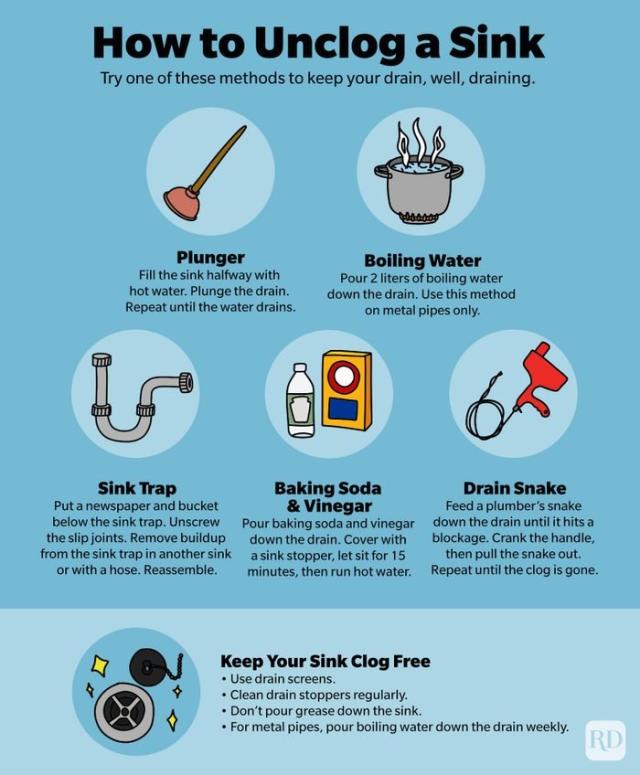
Credit: www.aol.com
Tools And Materials Needed
A plunger, baking soda, and vinegar can help clear kitchen sink drains effectively. Rubber gloves and a bucket are useful for catching water. A plumber’s snake might be needed for stubborn clogs.
Unclogging a kitchen sink drain can seem daunting. But with the right tools, it becomes manageable. Having the correct materials is essential. It ensures the process is smooth and effective. Below, we explore some essential tools and materials needed for the task.Plunger
A plunger is a basic but effective tool. It helps dislodge blockages using suction. Choose a plunger with a flat cup. This type works best for sinks.Drain Snake
A drain snake reaches deep into pipes. It removes debris causing the clog. It’s flexible and easy to use. A must-have for stubborn clogs.Bucket
A bucket is essential for catching water. Place it under the sink trap. It prevents spills during the unclogging process.Wrench
A wrench helps remove the sink trap. It’s necessary for accessing deeper clogs. Ensure it’s adjustable for different fittings.Baking Soda And Vinegar
This natural solution is effective for minor clogs. It’s safe for pipes and the environment. Simply pour them down the drain and let them work.Rubber Gloves
Rubber gloves protect your hands from grime. They provide a better grip on tools. Always wear them when working on drains.Cleaning Cloth
A cleaning cloth is useful for wiping spills. It helps keep the area tidy. Use it to clean around the sink after unclogging.Simple Home Remedies
Kitchen sink drains often get clogged due to food scraps and grease. Before calling a plumber, try some simple home remedies. These methods are cost-effective and use common household items.
Baking Soda And Vinegar
Baking soda and vinegar can clear minor blockages. Start by pouring half a cup of baking soda down the drain. Follow it with half a cup of vinegar. The mixture will fizz and help break down clogs. Let it sit for 15 minutes. Rinse with hot water to clear the debris.
Boiling Water Technique
Boiling water can dissolve grease and loosen debris. Boil a pot of water and carefully pour it into the drain. Repeat the process a few times if needed. This method works best for minor clogs and routine maintenance.
Credit: www.familyhandyman.com
Using A Plunger
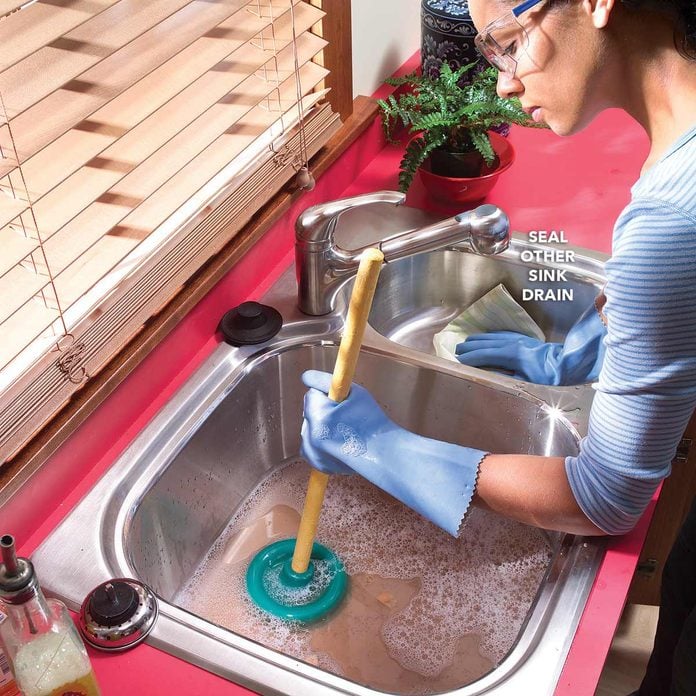
Using a plunger effectively can clear stubborn clogs in kitchen sink drains. First, ensure there’s enough water to cover the plunger cup. Position the plunger over the drain and push down firmly, creating a seal, then pull up to dislodge the blockage.
Unclogging a kitchen sink drain can be frustrating. One effective tool is a plunger. This simple device can save you time and effort. Using a plunger correctly can dislodge stubborn blockages. It is essential to know the right technique and choose the appropriate plunger for your needs.Choosing The Right Plunger
There are various types of plungers available. For a kitchen sink, a cup plunger is ideal. It has a flat bottom that creates a strong seal on flat surfaces. This seal is crucial to build pressure and dislodge clogs. Avoid using a toilet plunger, as its design is different. Ensure the plunger is clean before using it in the kitchen. A clean plunger prevents contamination.Proper Plunging Technique
Begin by filling the sink with enough water to cover the plunger cup. Water helps create the necessary seal and pressure. Place the plunger over the drain and press down firmly. Use quick, consistent strokes to pump the plunger. Repeat this motion several times. The goal is to push and pull the water forcefully. If successful, you will hear the clog breaking free. Test by running water to see if the sink drains properly. If not, try plunging again.Plumbing Snake Method
Unclogging kitchen sink drains often involves using a plumbing snake method. The flexible tool navigates pipes, breaking up blockages efficiently. This method effectively clears stubborn debris without damaging pipes.
The Plumbing Snake Method is a tried and true technique for tackling stubborn clogs that just won’t budge. Imagine having dinner guests and suddenly facing a slow-draining sink—frustrating, right? A plumbing snake can be your saving grace in such scenarios, helping you restore your kitchen’s functionality swiftly. This handy tool is designed to navigate through the twists and turns of your pipes, breaking down blockages without the need for harsh chemicals.Types Of Plumbing Snakes
Plumbing snakes come in various forms, each suited to different needs. – Handheld Snakes: Ideal for minor clogs, these are easy to use and perfect for homeowners. – Power Augers: Equipped with a motor, these are best for deeper, stubborn blockages. – Toilet Augers: Specifically designed for toilets, but can be adapted for sinks with caution. Choosing the right snake can make all the difference. Consider the severity of the clog and the location. A handheld snake might suffice for simple kitchen sink issues.How To Use A Plumbing Snake
Using a plumbing snake is straightforward, though it requires a bit of patience. – Preparation: Start by removing any visible debris from the sink. – Insertion: Carefully insert the snake into the drain, turning the handle to help navigate through the pipes. – Break the Blockage: Once you hit resistance, rotate the snake to break up the clog. You’ll feel the tension ease as the blockage clears. Why not give it a try before calling in a professional? With practice, you’ll find it’s a rewarding skill to master.Chemical Drain Cleaners
Chemical drain cleaners can effectively unclog kitchen sink drains by dissolving stubborn grease and food particles. Ensure proper ventilation and follow safety instructions when using these cleaners to maintain a smooth-flowing drain.
Chemical drain cleaners can seem like a quick and effortless solution for unclogging kitchen sink drains. These products are formulated with powerful substances designed to dissolve common clogs like grease, food particles, and hair. While they offer convenience, understanding their appropriate use and taking necessary precautions is crucial to ensure safety and effectiveness.When To Use Chemical Cleaners
Chemical cleaners are best reserved for stubborn clogs that don’t respond to physical methods like plunging or using a drain snake. If water continues to stand stubbornly in your sink despite your best efforts, a chemical cleaner might be your next option. However, frequent reliance on these cleaners can damage your pipes over time. Do you often find yourself reaching for the chemical bottle too quickly? Consider whether you’ve tried all other methods first. Chemical cleaners should be your last resort, not your first line of defense.Safety Precautions
Using chemical drain cleaners requires careful handling. Always read the instructions on the label before use. Never mix different chemical cleaners, as this can cause dangerous reactions. Here are some safety tips to keep in mind: – Protective Gear: Wear gloves and safety goggles to prevent skin and eye irritation. – Ventilation: Ensure the area is well-ventilated to avoid inhaling fumes. – Avoid Direct Contact: Pour the cleaner slowly into the drain to prevent splashing. Have you considered the impact of these chemicals on your plumbing and the environment? Overuse can lead to pipe erosion and contribute to environmental pollution. Always weigh the pros and cons before proceeding with chemical options.Preventive Measures
Regularly clean your kitchen sink drain with baking soda and vinegar to prevent clogs. Use a plunger for effective removal of minor blockages. Avoid pouring grease or food scraps down the drain to maintain smooth flow.
Preventive measures are essential in maintaining a clog-free kitchen sink. By taking proactive steps, you can avoid the hassle of dealing with a blocked drain. Imagine cooking a feast without worrying about leftovers causing a plumbing nightmare.Regular Maintenance Tips
Regular maintenance of your kitchen sink can save you from unexpected clogs. Make it a habit to flush your drain weekly with hot water. This simple act can help dissolve grease and debris that may accumulate over time. Consider using a combination of baking soda and vinegar monthly. Pour half a cup of baking soda followed by half a cup of vinegar down the drain. Let it fizz for a few minutes and then flush with hot water. This natural cleaning solution can break down residues and deodorize your sink. Using a sink strainer is another effective way to prevent clogs. It catches food particles and prevents them from going down the drain. Make sure to clean the strainer regularly to ensure its effectiveness.What Not To Put Down The Sink
Understanding what should never go down your sink is crucial. Avoid pouring grease or oil down the drain as they solidify and cause blockages. Instead, collect them in a container and dispose of them in the trash. Fibrous foods like celery, potato peels, and corn husks can wrap around the blades of your garbage disposal, leading to jams. Composting these items is a better alternative. Are you guilty of rinsing coffee grounds down the sink? They can stick together and form clumps, causing serious clogs. Dispose of them in your trash or use them as compost material. By following these preventive measures, you can enjoy a hassle-free kitchen experience. Taking small, consistent actions can lead to big results. How do you keep your kitchen sink clear and flowing?
Credit: www.youtube.com
When To Call A Professional
Sometimes, unclogging a kitchen sink drain is not simple. Home remedies or DIY methods might not work. Persistent clogs can indicate a bigger problem. In such cases, calling a professional is wise. Experts have the tools and skills needed. They ensure the drain is clear and safe.
Signs You Need Expert Help
Some signs suggest a professional’s touch is necessary.
- Water drains slowly despite your efforts.
- You hear strange noises from the pipes.
- Bad odors persist even after cleaning.
- There are multiple clogs in your home.
- Your sink clogs frequently.
Finding A Reliable Plumber
Choosing the right plumber is crucial. Start by asking friends for recommendations. Check online reviews to gauge reliability. Look for licensed and insured professionals. Verify their experience with kitchen sink issues. Compare quotes from different plumbers. Ensure they offer a warranty for their service. A trusted plumber gives you peace of mind.
Frequently Asked Questions
What Is The Best Way To Unclog A Clogged Kitchen Sink?
Use a plunger to dislodge debris in your sink. Pour boiling water to dissolve grease. Mix baking soda and vinegar, pour it, and wait. Rinse with boiling water. For persistent clogs, use a plumber’s snake or call a professional plumber.
What Will Dissolve Food Stuck In The Drain?
Pour a mixture of baking soda and vinegar down the drain. Let it fizz for 15 minutes. Rinse with hot water to dissolve food particles effectively. This natural solution helps clear blockages without harsh chemicals. Repeat if necessary for stubborn clogs.
What Liquid Do Plumbers Use To Unclog Drains?
Plumbers often use enzyme-based drain cleaners or chemical solutions like sulfuric acid to unclog drains. These liquids break down blockages effectively. It’s crucial to handle them with care due to their corrosive nature. Always follow safety guidelines or consult a professional for stubborn clogs.
How Do You Unblock A Kitchen Sink Drain?
To unblock a kitchen sink drain, use baking soda and vinegar. Pour one cup of baking soda, followed by one cup of vinegar, down the drain. Wait 15 minutes, then flush with hot water. If necessary, use a plunger or plumber’s snake for stubborn clogs.
Regular maintenance prevents blockages.
Conclusion
Unclogging a kitchen sink drain isn’t complicated. Armed with simple tools, you can tackle the task. Baking soda and vinegar often work wonders. A plunger helps too. For persistent clogs, a plumber’s snake is effective. Always clean the drain regularly.
This prevents future problems. Remember, maintenance saves time and money. Keep your kitchen running smoothly. Your sink will thank you. Follow these tips for a hassle-free kitchen. Enjoy the satisfaction of fixing it yourself. Now, you’re ready for any kitchen drain challenge.