How Do You Unclog the Kitchen Sink: Expert Tips
Executive Chef & Lead Commercial Kitchen Specialist at Daily Kitchup Test Lab
Picture this: You’re in the middle of cooking your favorite meal, and suddenly, the water in your kitchen sink refuses to go down. A clogged sink can disrupt your routine and make your kitchen feel like a battleground.
It’s a common problem, but one that often leaves you feeling frustrated and helpless. Before you reach for your phone to call a plumber, consider this: unclogging your kitchen sink might be simpler than you think. In this guide, you’ll discover easy and effective methods to clear up that stubborn blockage.
Imagine the relief of watching the water flow smoothly again, without spending a fortune on professional help. Whether it’s grease buildup, food scraps, or something else entirely, you’ll learn how to tackle it head-on. So why let a clogged sink ruin your day? Read on to find out how you can regain control and keep your kitchen running smoothly.
Credit: www.familyhandyman.com
Common Causes Of Kitchen Sink Clogs
Kitchen sink clogs can be a real headache, disrupting your day and possibly leading to costly repairs if not addressed promptly. Understanding what typically causes these clogs is crucial in preventing them. By identifying the common culprits behind sink blockages, you can take proactive measures to keep your kitchen running smoothly.
Food Residue
Food residue is often the sneaky villain behind clogged kitchen sinks. Small bits of food can easily slip down the drain and accumulate over time, forming a stubborn blockage. You might think washing plates thoroughly will prevent this, but even the smallest scraps can lead to issues. Have you ever noticed how just a few grains of rice seem to multiply in the drain? It’s a good idea to scrape off excess food into the trash before rinsing dishes.
Grease Buildup
Grease might be invisible when hot, but as it cools down, it solidifies, sticking to the pipes and forming layers that eventually clog the sink. This is a common problem, especially if you frequently cook foods high in fat. Consider using a grease trap or disposing of cooking oils separately. Have you ever poured bacon grease down the sink, thinking it’s harmless? It’s time to rethink that habit and save yourself from future plumbing woes.
Foreign Objects
Foreign objects can be surprisingly common in kitchen sink clogs. From small utensils slipping through to accidentally dropped bottle caps, these items can obstruct water flow. It’s easy to overlook these mishaps, especially in a busy kitchen. Keep an eye out for items that might accidentally make their way down the drain. Have you ever fished out a spoon from the disposal? It’s a reminder to always double-check before turning on the tap.
By understanding these common causes, you can take simple steps to prevent clogs and keep your kitchen sink flowing freely. Have you identified any of these culprits in your home? Taking action now can save you from future headaches.
Credit: www.homeserve.com
Tools Needed For Unclogging
Plungers, baking soda, and vinegar are essential tools for unclogging the kitchen sink. A plumber’s snake can tackle stubborn blockages. Always keep these handy for quick fixes.
Unclogging a kitchen sink might seem like a daunting task, but with the right tools, it can be a straightforward process. Different tools serve different functions, and knowing which to use can save you time and effort. Whether you’re dealing with a minor blockage or a stubborn clog, having the right tools on hand is essential. Let’s explore some of the most effective tools you can use to tackle a clogged kitchen sink.Plunger
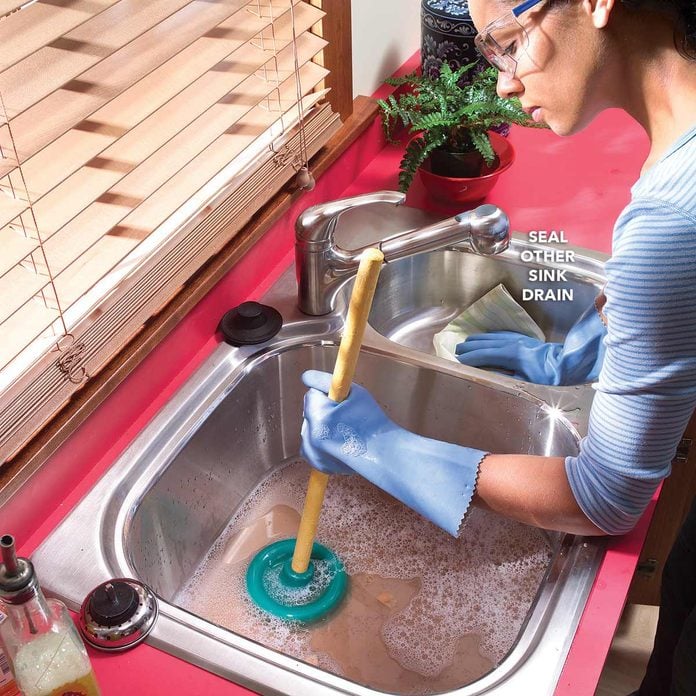
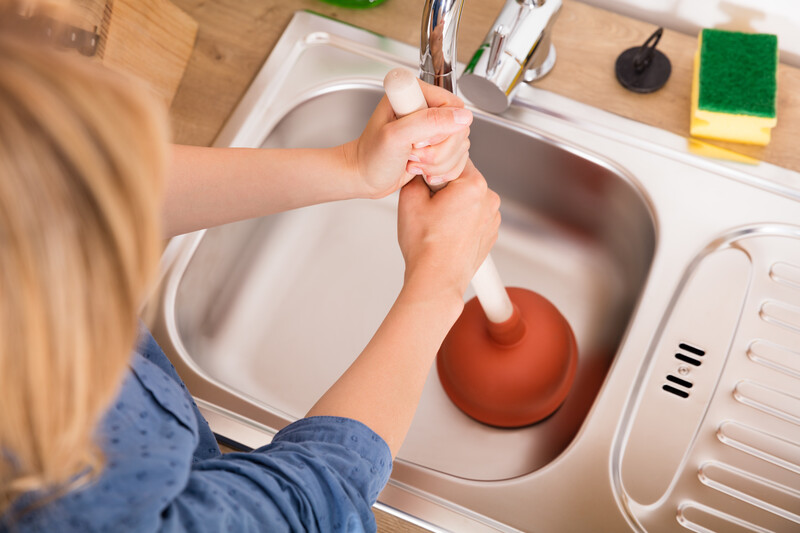
A plunger is often your first line of defense against a clogged sink. This simple tool creates suction and pressure that can dislodge debris stuck in your pipes. Remember to cover any overflow openings in the sink to maximize the plunger’s effectiveness. Using a plunger requires some elbow grease, but it can be surprisingly effective. Have you ever noticed how satisfying it is to feel the clog give way after a few firm pumps? If only all life’s problems could be solved with a plunger!Drain Snake
For clogs that refuse to budge, a drain snake is your next best bet. This flexible tool can reach deep into your pipes to break apart or retrieve blockages. It’s especially useful for retrieving hair or food particles that a plunger can’t shift. Operating a drain snake might feel like you’re on a fishing expedition, but it’s a skill worth mastering. Have you ever thought about what strange treasures might lurk in your pipes? A drain snake can help you find out—hopefully, it’s not a long-lost earring!Chemical Cleaners
When mechanical tools fail, chemical cleaners might be the solution. These powerful solutions dissolve clogs and can clear even the toughest blockages. However, they must be used with caution, as they can be harsh on your pipes and the environment. Before reaching for a chemical cleaner, consider if you’ve exhausted all other options. Have you tried every other tool and still face a stubborn clog? If yes, then it might be time to carefully pour some cleaner down the drain. Always follow the instructions on the label to ensure safe use. By using these tools effectively, you can often unclog your kitchen sink without having to call in a professional. Which tool will you reach for first the next time your sink starts to back up?Step-by-step Unclogging Methods
Clearing a kitchen sink can be simple. Begin by removing visible debris. Use a plunger to create suction. Pour baking soda followed by vinegar to break down blockages. Finish by flushing with hot water. Repeat if needed for stubborn clogs.
Unclogging a kitchen sink is a task that many homeowners face at some point. It can be frustrating, but with the right methods, you can tackle it efficiently. Whether you’re dealing with a stubborn blockage or a slow drain, understanding how to clear it can save you time and hassle. Let’s dive into some effective step-by-step unclogging methods that you can try.Using A Plunger
A plunger can be your best friend in unclogging a kitchen sink. Its suction power helps dislodge stubborn blockages. – Ensure there’s enough water in the sink: This helps create a tight seal around the plunger. – Position the plunger over the drain: Firmly press down and pull up several times. – Repeat if necessary: Sometimes, a few attempts are needed to clear the clog. Have you ever tried using a plunger and felt that satisfying release when the blockage finally gives way? It’s always a moment of triumph!Applying Baking Soda And Vinegar
This method is not only effective but also eco-friendly. It’s a great alternative to harsh chemicals. – Pour baking soda into the drain: Use about half a cup. – Follow with vinegar: Add a cup of vinegar and watch the fizzing magic happen. – Wait and rinse: Let it sit for 15-20 minutes, then flush with hot water. The reaction between baking soda and vinegar can dislodge minor clogs. Have you noticed how these household items can transform into powerful cleaning agents?Utilizing A Drain Snake
A drain snake, or plumber’s auger, is perfect for more stubborn clogs that refuse to budge. – Insert the snake into the drain: Twist it gently while pushing it further down. – Feel for resistance: This indicates that you’ve reached the clog. – Twist and pull: Work the snake to break up and retrieve the blockage. Using a drain snake might sound intimidating, but once you get the hang of it, you’ll be amazed at how effective it can be. Have you ever wondered why this tool is a staple in plumbers’ toolkits? Each method has its own charm and effectiveness. Have you tried any of these methods before? Which one do you think would work best for your current situation?
Credit: www.angi.com
Preventive Measures
Regularly clean sink drains with hot water and baking soda to prevent clogs. Use a strainer to catch food particles, and avoid pouring grease down the drain to maintain a smooth flow.
Preventive measures can save you the hassle of a clogged kitchen sink. Keeping your sink clean and clear involves a few simple practices. These practices help maintain smooth drainage and prevent blockages.Regular Cleaning
Regular cleaning is crucial for a healthy kitchen sink. It helps remove food particles and soap residues. Clean your sink weekly with hot water and vinegar. This combination helps dissolve minor buildups. Scrub the sink’s surface to avoid grime accumulation. Ensure the drain is free from debris to keep water flowing smoothly.Avoiding Grease Disposal
Avoid pouring grease down the sink. Grease solidifies in pipes, causing clogs. Instead, let grease cool and dispose of it in the trash. Use paper towels to wipe greasy pans before washing. This simple step prevents grease from entering the drain. It significantly reduces the risk of blockages.Installing A Sink Strainer
Installing a sink strainer is a smart preventive measure. It catches food scraps and prevents them from entering the drain. Choose a strainer that fits well in your sink. Clean the strainer regularly to ensure efficient operation. This small tool can make a big difference in maintaining a clear drain. It keeps larger particles out, reducing clog chances significantly.When To Call A Professional
Persistent clogs may require a professional plumber. Strange noises or foul odors suggest a deeper issue. Avoid damage by seeking expert help.
When your kitchen sink clogs, it can disrupt your day. Most clogs are easy to fix with simple tools. But some situations need professional help. Knowing when to call a plumber can save time and money.Persistent Clogs
If your sink clogs often, it may have a deeper issue. Using a plunger or snake doesn’t always work. Persistent clogs might mean something is wrong in the pipes. A professional can find the problem and fix it properly. They have tools to clear stubborn blockages and ensure the pipes are clean.Complex Plumbing Issues
Older homes often have complex plumbing systems. Pipes may be hard to reach or interconnected. Trying to fix these can lead to damage. Professionals understand these systems well. They know how to handle intricate pipe layouts. Their expertise prevents further damage and ensures the sink works smoothly.Safety Concerns
Some clogs involve harmful substances like chemicals or grease. Handling these without proper gear can be risky. Plumbers have the right equipment to deal with dangerous clogs safely. They also know how to dispose of hazardous waste correctly. Calling a professional keeps you safe from potential harm.Eco-friendly Solutions
Clogged kitchen sinks are a common headache. Many traditional drain cleaners contain harsh chemicals. These can harm the environment and your health. Eco-friendly solutions offer a safer approach. They use natural ingredients that are biodegradable and less toxic. Let’s explore some effective options to keep your sink flowing freely.
Biodegradable Cleaners
Biodegradable cleaners break down naturally over time. They don’t leave harmful residues in the water supply. Choose products labeled as “biodegradable” to ensure their safety. These cleaners often contain plant-based ingredients. This reduces their impact on the environment.
Many biodegradable cleaners use enzymes. These enzymes eat away at organic matter. They are effective in clearing mild clogs. Another option is baking soda and vinegar. They create a fizzing action that helps to dislodge debris.
Natural Alternatives
Natural alternatives often involve common household items. Baking soda is a versatile cleaner. It’s gentle yet effective at breaking down grime. Combine it with vinegar for a powerful cleaning duo. Pour baking soda into the drain, then add vinegar. The reaction helps push through blockages.
Lemon juice is another natural cleaner. Its acidity breaks down grease. Pour lemon juice into the drain and let it sit. Rinse with hot water to clear the pipes. Salt can also help scrub away buildup. Mix it with baking soda for added cleaning power.
Natural alternatives are safe for most pipes. They are also budget-friendly. They provide an easy way to keep your sink clean without chemicals.
Frequently Asked Questions
How To Unclog A Severely Blocked Sink?
Use a plunger to dislodge debris. Pour boiling water to clear minor clogs. Mix baking soda with vinegar, then flush. For stubborn clogs, use a plumber’s snake. Consider professional help if the problem persists.
What Causes A Kitchen Sink To Block?
Food scraps, grease, and soap residue can block kitchen sinks. These substances accumulate and restrict water flow. Dispose of waste properly and avoid pouring grease down the drain to prevent clogs. Regular cleaning helps maintain a clear and functional sink.
Use a drain cover to catch debris.
What Will Dissolve A Blocked Drain?
Baking soda and vinegar effectively dissolve blocked drains. Pour baking soda, then vinegar, and cover the drain. Wait 15 minutes, then flush with hot water. This method clears clogs and eliminates odors. Alternatively, use a commercial drain cleaner following the instructions for a quick solution.
How To Unclog A Kitchen Sink With No Plunger?
Pour boiling water down the drain to loosen debris. Mix baking soda and vinegar, then pour it in. Wait 15 minutes. Rinse with more boiling water. Use a wire hanger to remove stubborn clogs. Try a drain snake for deeper blockages.
Regular cleaning prevents future clogs.
Conclusion
Fixing a clogged kitchen sink can be easy. Follow the steps outlined. Start with simple solutions like hot water and baking soda. Use a plunger for stubborn clogs. Consider a plumber’s snake for deeper blockages. Regular cleaning prevents future problems.
Keep grease and large food scraps out. These tips help maintain a smooth-running sink. A clear sink makes kitchen tasks easier. You save time and avoid stress. Remember, the key is consistency. Regular care ensures a clog-free kitchen sink. Now you’re ready to tackle clogs with confidence.
Happy unclogging!

Similar Posts