
Are you considering opening a restaurant or expanding your food business? One of the most crucial steps is building a commercial kitchen.
But how much will it cost you? This question probably lingers in your mind as you plan your budget. Understanding the expenses involved is essential to avoid unexpected financial surprises. You’ll discover the key factors that influence the cost of building a commercial kitchen.
From equipment to permits, we’ll break down each aspect so you can make informed decisions. Dive into the details and ensure your culinary venture starts on the right foot without breaking the bank.
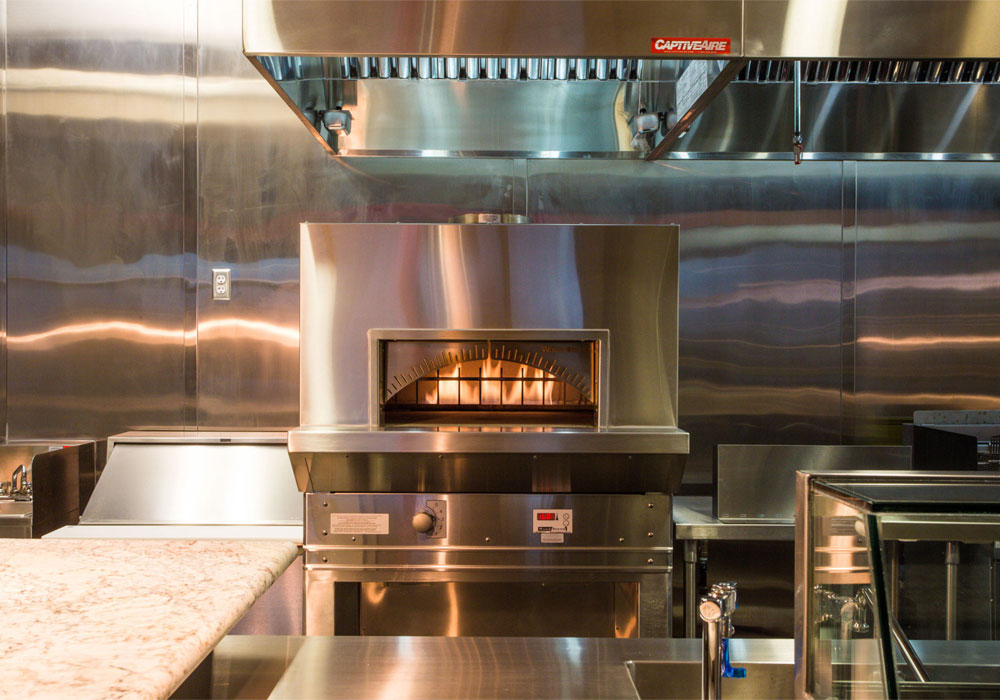
Credit: nutoneconstruction.com
Factors Influencing Costs
Building a commercial kitchen is a complex endeavor with several factors influencing the overall cost. Understanding these factors can help you plan effectively and avoid unexpected expenses. Each element plays a crucial role in determining your budget, from location and size to design and layout. Knowing what to consider can make the difference between a well-functioning kitchen and a costly oversight.
Location And Size
Your kitchen’s location can significantly impact costs. Urban areas typically have higher property prices and utility costs compared to rural settings. The size of your kitchen also matters. A larger space requires more materials and equipment, increasing costs. Consider where your target customers are and balance this with your budget constraints.
Type Of Cuisine
The cuisine you plan to offer dictates the equipment needed, directly affecting costs. A bakery requires different ovens and mixers than a sushi restaurant, which might need specialized refrigeration units. Think about the specific appliances and tools that your menu demands. This will help you allocate your budget efficiently.
Regulatory Requirements
Compliance with local regulations is non-negotiable and can add to your expenses. Health and safety standards may require specific installations, such as fire suppression systems and ventilation. Research the requirements in your area thoroughly. Skimping here can result in fines or forced closures, proving more costly in the long run.
Design And Layout
A well-thought-out design ensures efficiency but can be costly. Hiring a professional designer might seem expensive upfront, yet it saves money by optimizing workflow and minimizing wasted space. Consider how the layout affects staff movement and equipment accessibility. A practical design enhances productivity and reduces operating costs.
Have you considered how each factor might influence your budget? Understanding these aspects ensures you’re prepared for the financial demands of building a commercial kitchen.
Equipment Expenses
Building a commercial kitchen involves significant equipment expenses. Costs vary based on size, type, and quality of appliances. Essential items include ovens, refrigerators, and dishwashers, which can add up to thousands of dollars.
Building a commercial kitchen requires a significant investment. One of the most substantial costs involves purchasing equipment. These expenses vary based on the type and size of the kitchen. Choosing the right equipment can save money and improve efficiency.Essential Appliances
Every kitchen needs basic appliances. These include ovens, refrigerators, and freezers. High-quality appliances last longer and perform better. It’s crucial to invest in reliable brands. Consider the kitchen’s capacity when selecting sizes. Larger kitchens may need multiple units.Specialized Equipment
Some kitchens require specialized gear. Pizza ovens or wok burners cater to specific cuisines. Investing in these items enhances food quality. Ensure you have the right tools for your menu. Specialized equipment can be costly but necessary for diverse offerings.Energy-efficient Options
Energy-efficient appliances reduce long-term costs. They consume less power, lowering utility bills. Initial costs may be higher, but savings accumulate over time. Look for certifications like Energy Star. These appliances help create a sustainable kitchen.Construction And Renovation
Building a commercial kitchen can cost between $50,000 and $150,000. Factors like location, equipment, and design influence the total price. Planning and budgeting carefully helps manage these costs effectively.
Constructing or renovating a commercial kitchen is a significant investment, often requiring meticulous planning and budgeting. From selecting the right materials to ensuring efficient plumbing and electrical systems, every detail impacts the overall cost. Let’s break down some key aspects that influence the expenses involved in building a commercial kitchen.Building Materials
Choosing the right building materials is crucial for both the functionality and durability of your commercial kitchen. Stainless steel is a popular choice due to its resistance to rust and ease of cleaning. However, it can be more expensive than other materials like laminate or wood. Consider the flooring as well. Non-slip tiles are essential for safety, but they may come with a higher price tag compared to standard tiles. Balancing quality and cost is key when selecting materials.Plumbing And Electrical
Plumbing and electrical systems form the backbone of any commercial kitchen. Installing a robust plumbing system is vital for smooth operations, but it can be costly. Ensure that your design allows for efficient water usage and easy access for maintenance. Electrical needs in a commercial kitchen are substantial. You’ll need to account for high-powered appliances and adequate lighting. Hiring a professional to design an efficient electrical layout can prevent costly mistakes down the line.Ventilation And Hvac
Proper ventilation and HVAC systems are non-negotiable in a commercial kitchen. They ensure a comfortable working environment and meet health and safety regulations. Investing in a high-quality ventilation system reduces the risk of smoke, odors, and grease buildup. While these systems can be expensive, they are essential for maintaining air quality. Consider energy-efficient models to save on long-term operational costs. Would you compromise on air quality for a lower initial cost? By focusing on these elements, you can create a functional and compliant commercial kitchen without unnecessary expenses.Labor And Staffing Costs
Labor and staffing costs significantly impact commercial kitchen construction expenses. Skilled workers, electricians, and plumbers demand fair wages. These costs vary by location and project size, influencing the overall budget.
Labor and staffing costs play a vital role in building a commercial kitchen. These costs can vary widely depending on several factors. Understanding the different components can help manage expenses effectively. Here, we explore key areas related to labor and staffing.Hiring Professionals
Qualified professionals are essential for a successful kitchen. Chefs, sous chefs, and line cooks are core roles. Their salaries differ based on experience and location. A head chef might require a substantial salary. Entry-level positions cost less but still add up. Hiring specialists like pastry chefs or butchers may increase costs. Consider hiring professionals with diverse skills. This approach can optimize staffing expenses.Training And Certifications
Training ensures staff meet industry standards. Proper training is crucial for maintaining quality. Certifications for safety and hygiene are mandatory. Employees need regular updates on health regulations. Investing in training improves efficiency and reduces errors. Training programs can vary in price. Consider online courses as a cost-effective option. Budgeting for training can enhance your kitchen’s reputation.Ongoing Labor Expenses
Ongoing expenses include salaries, benefits, and overtime pay. These costs are recurring and require careful planning. Employee benefits add to the total labor cost. Health insurance, paid leave, and retirement plans are common benefits. Some kitchens offer performance bonuses to motivate staff. Overtime pay can increase during peak periods. Monitoring labor costs helps maintain financial balance. Efficient scheduling can minimize unnecessary expenses.Permits And Licenses
Building a commercial kitchen requires various permits and licenses, which can significantly impact the overall cost. Fees vary by location and include health permits, zoning approvals, and fire safety certifications. Proper budgeting for these essentials ensures compliance and smooth operation.
Permits and licenses are crucial in building a commercial kitchen. They ensure the kitchen meets legal standards. Without them, operations might face penalties. Obtaining these permits can be challenging. Each permit serves a different purpose. They collectively ensure safety and compliance.Health Department Approvals
Health department approvals safeguard public health. They ensure the kitchen follows hygiene standards. Inspectors check the design and cleanliness. Proper food storage and handling are vital. These approvals prevent foodborne illnesses. Meeting these standards is mandatory.Fire Safety Compliance
Fire safety compliance is essential for any kitchen. It involves installing fire alarms and extinguishers. Proper ventilation reduces fire risks. Fire exits and emergency plans are crucial. Compliance protects staff and customers. It minimizes potential hazards.Zoning And Land Use
Zoning and land use rules determine where a kitchen can be built. They ensure the location is suitable for commercial activities. These rules prevent conflicts with residential areas. They consider noise and traffic impact. Understanding these regulations is important for planning.Ongoing Maintenance
Building a commercial kitchen is just the beginning of your culinary journey. Once the kitchen is operational, ongoing maintenance becomes crucial to keep the space safe, efficient, and compliant with health codes. Regular upkeep not only extends the life of your equipment but also ensures a smooth workflow and prevents costly breakdowns. Let’s delve into the different aspects of maintenance that you should consider.
Routine Inspections
Routine inspections are your first line of defense against unexpected issues. By scheduling regular checks, you can identify wear and tear early, allowing for timely repairs. Think of these inspections as a health check-up for your kitchen. Are there any loose wires or malfunctioning equipment that need attention? Regular inspections not only ensure safety but also keep your kitchen running like a well-oiled machine.
Repair And Replacement
Repairs and replacements are inevitable in any commercial kitchen. Equipment breaks down, and parts wear out—it’s a fact of life. The key is knowing when to repair and when to replace. For instance, if a stove has been acting up frequently, it might be time to invest in a new one. Making smart decisions here can save you money in the long run. Do you know the lifespan of your kitchen equipment?
Cleaning And Sanitation
Cleaning and sanitation are crucial not just for health code compliance but for creating a pleasant working environment. A spotless kitchen boosts morale and efficiency. Develop a cleaning schedule that covers everything from daily wipe-downs to weekly deep cleans. Think about the areas that often get overlooked, like behind appliances or in air vents. Do you have a plan to tackle these hidden spots?
Budgeting And Financing
Building a commercial kitchen involves costs for equipment, space, and compliance with health regulations. Expenses vary based on size, location, and design preferences. Consider budgeting for installation and maintenance to ensure smooth operations.
Building a commercial kitchen is no small feat, both in terms of time and money. Budgeting and financing are crucial elements that can make or break your project. Understanding how to plan your finances and explore various funding options can help you turn your culinary dream into reality. So, how do you ensure you’re financially prepared to create the kitchen your business needs?Cost Estimation
Before diving into financing options, get a clear picture of the costs involved. Start by listing the essential equipment and design elements your kitchen will require. Consider factors like square footage, equipment quality, and labor costs. Create a detailed spreadsheet to estimate costs accurately. Break down expenses into categories such as equipment, permits, and labor. A friend of mine underestimated the cost of ventilation systems and had to pause construction midway—don’t let that be you.Financing Options
Once you have a cost estimate, explore financing options. You may have savings, but it’s wise to consider additional funding sources. Business loans from banks are a traditional choice. They often offer lower interest rates but require a solid credit score. Crowdfunding is an innovative option, especially if you have a unique concept. It allows you to engage potential customers even before your kitchen is operational.Contingency Planning
Unexpected expenses are almost inevitable. How do you prepare for them? By setting aside a contingency fund, typically 10-20% of your total budget. This fund acts as a safety net for unforeseen costs like equipment repairs or contractor delays. I learned this the hard way when a plumbing issue added an extra $5,000 to my expenses. Having a contingency plan saved me from financial stress. Budgeting and financing your commercial kitchen is an ongoing process. Regularly update your financial plan to reflect changes and ensure you’re on track to meet your goals.
Credit: www.thekitchendoor.com
Case Studies And Examples
Exploring the costs of building a commercial kitchen reveals diverse factors like location, size, and equipment choices. Case studies show budgets can range from $50,000 to over $200,000, depending on design complexity and specific needs.
When planning to build a commercial kitchen, costs can vary greatly. Factors like size, design, and equipment influence these costs. To provide a clearer picture, let’s dive into some case studies and examples.Small-scale Kitchens
Small-scale kitchens suit cafes and food trucks. These kitchens typically require less space and equipment. For example, a 500 sq ft cafe kitchen may cost around $50,000. This includes basic appliances like ovens and refrigerators. Renovations in existing spaces can reduce costs. Used equipment or compact models also help in saving money.Large-scale Operations
Large-scale kitchens cater to restaurants and catering services. These kitchens need extensive equipment and space. A large restaurant kitchen might range from $250,000 to $500,000. This accounts for high-capacity ovens, large refrigerators, and ventilation systems. Compliance with health and safety standards adds to the cost. Investing in energy-efficient appliances can lower operational expenses.Innovative Designs
Innovative kitchen designs incorporate technology and sustainability. These designs focus on efficiency and customer experience. For instance, a smart kitchen with automated systems may cost over $300,000. Features include programmable ovens and digital inventory systems. Sustainable designs use eco-friendly materials and energy-saving appliances. Though initially costly, they offer long-term savings and appeal to eco-conscious customers.
Credit: www.architecturaldigest.com
Frequently Asked Questions
How Much Does It Cost To Build A Small Commercial Kitchen?
Building a small commercial kitchen typically costs between $30,000 and $80,000. Costs vary based on location, equipment, and design. Essential expenses include permits, appliances, ventilation, plumbing, and electrical work. Budgeting accurately helps ensure a successful setup.
Is Owning A Commercial Kitchen Profitable?
Owning a commercial kitchen can be profitable with proper management and high demand for rental space. Success depends on location, marketing, and efficient operations. Diversifying services and maintaining high standards attract consistent clients, enhancing profitability. It’s essential to analyze costs, market trends, and competition to maximize returns.
What Is The Most Expensive Part Of A Commercial Kitchen?
The most expensive part of a commercial kitchen is often the cooking equipment. Items like ovens, ranges, and grills require significant investment. High-quality refrigeration units can also be costly. Installation and maintenance add to these expenses, making them substantial investments for any commercial kitchen.
Can I Put A Commercial Kitchen On My Property?
Yes, you can, but local zoning laws and permits are essential. Check regulations and building codes first. Consult with local authorities to ensure compliance with health and safety standards. Consider environmental impact and neighborhood restrictions before proceeding.
Conclusion
Building a commercial kitchen involves various costs. Equipment is a major expense. Quality is important, but budget wisely. Location affects costs too. Urban areas may cost more. Size matters; larger kitchens need more investment. Permits and licenses add to expenses.
Also, consider ongoing costs. Maintenance and utilities can be significant. Plan carefully. Research and compare options. Get expert advice when needed. A well-planned kitchen can save money long-term. Prioritize safety and efficiency. Keep your goals clear. A successful kitchen is an investment.
Make informed decisions. Achieve your dream kitchen while staying within budget.