How Much for a Small Kitchen Renovation: Budget Tips
Are you dreaming of transforming your small kitchen into a stylish and functional space, but feeling overwhelmed by the potential costs? You’re not alone.
Many homeowners like you are eager to renovate, but the big question is: “How much will it cost? ” Imagine walking into your newly updated kitchen, where every corner reflects your style and meets your needs. The good news is, a small kitchen renovation doesn’t have to break the bank.
We’re breaking down the costs, so you can plan your dream kitchen makeover with confidence. Keep reading, because understanding these details is the first step to making your renovation dreams a reality.
Assessing Your Current Kitchen
Assessing your current kitchen is the first step in a renovation journey. Knowing what you have helps you decide what you need. It sets the stage for a successful transformation.
Evaluating Space And Layout
Look at the space and layout. Is there enough room to move? Check if the layout makes cooking easy. Does it allow for a smooth workflow? Think about how often you cook or entertain. Your needs can shape the space. Consider if the current layout meets your lifestyle.
Identifying Key Areas For Improvement
Identify areas that need change. Are the cabinets old and worn? Is the countertop scratched or stained? Look at the lighting. Is it bright enough for cooking? Consider the appliances. Are they efficient and modern? Each element can impact the kitchen’s feel. Small changes can lead to big improvements.

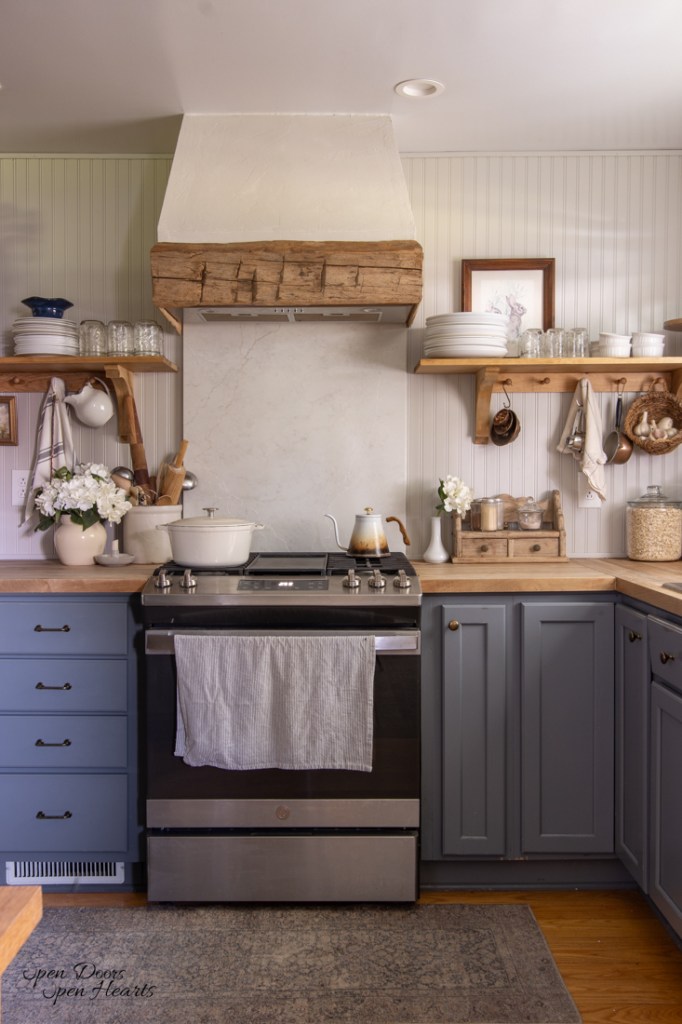
Credit: opendoorsopenhearts.com
Setting A Realistic Budget
Setting a realistic budget for a small kitchen renovation involves understanding essential costs. Consider expenses for materials, labor, and unexpected changes. Keep the budget flexible to accommodate unforeseen expenses while focusing on quality improvements that enhance functionality and style.
Setting a realistic budget for a small kitchen renovation can be the difference between a smooth transformation and a stressful financial burden. Knowing your spending limits and sticking to them ensures you won’t end up regretting your decisions halfway through. It’s essential to plan wisely and prioritize what matters most to you in your kitchen upgrade.Determining Financial Limits
Understanding your financial limits starts with a clear assessment of your current savings and income. Are you willing to dip into your savings for this project, or do you prefer financing options? Consider your lifestyle and spending habits. If unexpected expenses arise, will you be able to handle them without stress? Engage with online tools or budgeting apps to get a precise picture of your financial health. This step is crucial for setting a realistic budget that aligns with your capabilities.Allocating Funds Wisely
Allocating funds wisely involves prioritizing what’s essential versus what’s desirable. Are new appliances more critical to you than aesthetic changes? Creating a list of must-haves versus nice-to-haves can help you allocate resources effectively. Think about the long-term value of each choice. A well-chosen countertop might save you money on repairs later. Consider unexpected costs like installation or delivery fees. Have a contingency fund ready, so you’re not caught off guard by these surprises. Remember, your kitchen is an investment. Would you prefer to save on certain areas now, or spend a bit more for quality and durability?Cost-saving Strategies
Small kitchen renovations can be cost-effective with smart planning. Opt for budget-friendly materials and repurpose existing fixtures. DIY tasks like painting and minor repairs can significantly reduce expenses.
Renovating a small kitchen can be a daunting task, especially when you’re trying to stick to a budget. However, with the right cost-saving strategies, you can transform your space without breaking the bank. Whether you’re working with a tight budget or simply want to make the most of your investment, these tips will help you prioritize, reuse, and choose wisely.Prioritizing Essential Upgrades
Focus on what truly needs attention in your kitchen. Is your cabinetry falling apart, or is it just the hardware that looks dated? Sometimes, a fresh coat of paint can do wonders for cabinets, making them look brand new without the cost of replacement. Consider updating fixtures like faucets and lighting, which can dramatically change the look and feel of your kitchen. These upgrades are often more affordable and can be done with little disruption to your daily routine.Reusing And Repurposing Materials
Before tossing out old materials, think about ways to reuse them. Can you refinish your existing cabinets instead of buying new ones? A bit of sanding and a fresh stain can completely change their appearance. Look around your home for furniture or decor that can be repurposed. An old dresser might serve as a new kitchen island with a little creativity. Always consider the potential of what you already own. This not only saves money but also adds a unique, personalized touch to your renovation.Choosing Cost-effective Alternatives
Shop smart and consider alternatives that look expensive but aren’t. Laminate flooring or countertops can mimic the look of high-end materials like hardwood or granite at a fraction of the cost. Seek out wholesale stores or online marketplaces where you can find quality materials for less. Sometimes, you can even find discounted items from last season’s stock that are still in perfect condition. Explore DIY options for simple projects. YouTube tutorials can guide you through tasks like installing a backsplash or painting cabinets, saving you the cost of hiring professionals. By adopting these strategies, you’ll not only save money but also enjoy a kitchen that feels entirely new. What cost-saving tactics have you tried in your own home renovations? Your insights could help others achieve their dream kitchen without the hefty price tag.Affordable Design Choices
Renovating a small kitchen on a budget doesn’t mean sacrificing style. With careful planning, you can achieve a fresh and modern look without overspending. Affordable design choices make a big difference in your kitchen’s appearance and functionality. You can create a beautiful space that matches your taste.
Selecting Budget-friendly Materials
Picking the right materials can save money and still look great. Consider laminate countertops, which mimic expensive stone finishes. They offer durability and come in various designs. For flooring, vinyl or laminate options provide a modern look at a lower cost. Choose paint over expensive tiles for backsplashes. It offers flexibility in color and style.
Opting For Simple Yet Stylish Designs
Simple designs can be stylish and cost-effective. Open shelving instead of closed cabinets saves money and adds character. Use light colors for walls and cabinets to make the space feel larger. Minimalist designs reduce clutter and streamline the kitchen’s appearance. Choose multipurpose furniture to maximize space and functionality.
Diy Vs. Professional Help
Renovating a small kitchen can be exciting. The big question: DIY or professional help? Both options have advantages. DIY can save money. Professionals offer expertise. This section explores both paths.
Evaluating Diy Potential
First, assess your skills. Can you handle tools safely? Basic tasks like painting are manageable. Installing cabinets or plumbing might be complex. Think about your time. DIY projects require dedication. Are you ready for challenges? Mistakes can be costly. Learning as you go is possible. Research is key. Watch tutorials. Read guides.
When To Hire A Professional
Consider hiring a professional if tasks are complex. Licensed experts offer reliability. They understand building codes. This ensures safety. Professionals complete projects faster. They have the right tools. Quality is often higher. They provide warranties. This adds peace of mind. Budget for their services. Get quotes from multiple contractors. Compare costs carefully.
Hidden Costs To Consider
Embarking on a small kitchen renovation can be an exciting journey. But unexpected costs can sneak up on you. Understanding these hidden costs is crucial for a smooth renovation process. From unforeseen damages to necessary permits, it’s vital to account for everything. Let’s dive into the key areas where hidden costs can arise.
Accounting For Unexpected Expenses
Renovations often reveal hidden issues. Old wiring or plumbing might need replacing. Structural problems can also surface, adding to costs. Set aside funds for these unexpected expenses. A contingency budget helps you manage surprises without stress.
Factoring In Permits And Fees
Permits are essential for legal renovations. Fees vary by location and project scale. Research local regulations to know permit costs upfront. This prevents delays and fines. Including permit expenses in your budget ensures a hassle-free renovation.
Maximizing Small Kitchen Space
Renovating a small kitchen can cost between $5,000 and $20,000. Smart planning maximizes space and keeps costs manageable. Focus on efficient layouts and multifunctional furniture to enhance usability.
Maximizing a small kitchen space involves clever design choices and strategic planning. With limited square footage, every inch counts. Making the most of a compact kitchen requires innovative storage solutions and a well-thought-out layout. These elements can transform a cramped area into a functional and inviting space.Smart Storage Solutions
Optimizing storage in a small kitchen starts with using vertical space. Install shelves or cabinets up to the ceiling to store rarely used items. This frees up lower cabinets for daily essentials. Consider pull-out pantry shelves to access items easily and maximize space. Use drawer organizers to keep utensils and gadgets in order. Install hooks or racks on walls for pots and pans. Magnetic strips can hold knives or spice jars, freeing up counter space. Incorporating multipurpose furniture is another smart move. A kitchen island with built-in storage or a foldable table can serve multiple functions. Opt for cabinets with adjustable shelves to accommodate different items.Efficient Layout Planning
An efficient kitchen layout enhances workflow and space usage. The triangle layout, linking the sink, stove, and refrigerator, is popular. It minimizes movement and maximizes efficiency. Keep essential appliances within easy reach to streamline cooking tasks. Consider open shelving to create an airy feel. It offers easy access to frequently used items. Remove unnecessary walls or barriers, opening up the space visually. Choose compact appliances tailored for small kitchens. Slim refrigerators and under-counter ovens save space. Ensure pathways are clear, allowing smooth navigation within the kitchen. Small kitchens can be both stylish and functional with thoughtful planning. By focusing on smart storage and efficient layouts, you can create a space that meets your needs without feeling cramped.Financing Options
Renovating a small kitchen can be exciting yet challenging. Financing options play a crucial role in making this dream a reality. Understanding these options helps in planning the renovation without straining your budget. Here, we explore several ways to fund your kitchen makeover.
Exploring Loans And Credit
Personal loans offer flexibility for your renovation needs. Many banks provide loans with reasonable interest rates. Check your credit score before applying. A good score might get you a better rate.
Home equity loans are another option. They use your home as collateral. This can offer lower interest rates. Ensure you understand the risks involved before proceeding.
Credit cards can also fund your project. Some cards offer 0% interest for a limited time. It’s essential to pay off the balance before the promotional period ends.
Budget-friendly Payment Plans
Some contractors offer payment plans. This allows you to pay in installments. Discuss the terms thoroughly. Make sure they fit your budget.
Retailers often provide financing for kitchen appliances. Look for interest-free options. This can ease the burden on your finances.
Consider joining a community savings group. These groups pool funds for projects like renovations. It’s a shared financial commitment.
Finalizing Renovation Plans
Finalizing renovation plans for a small kitchen requires careful thought. A well-organized approach saves money and time. This phase ensures that your vision aligns with your budget.
Creating A Detailed Plan
Start with a clear vision of your new kitchen. List all desired changes. Consider cabinets, countertops, appliances, and lighting. Prioritize these based on importance. Create a floor plan using online tools or graph paper. This helps visualize space and layout. Measure everything twice to avoid costly mistakes.
Research materials and their costs. Compare different options. Look for energy-efficient appliances. They save money in the long run. Decide on colors and finishes early. Consistency creates a cohesive look. Gather inspiration from magazines or websites.
Setting A Timeline
Establish a realistic timeline for your renovation. Break the project into manageable phases. Set start and end dates for each phase. Allow extra time for unexpected delays. Discuss timelines with contractors. Ensure they agree and can commit.
Consider the order of tasks. Some tasks depend on others. For example, install plumbing before laying flooring. A well-structured timeline minimizes disruptions. It also keeps the project on track.
Communicate regularly with your team. Check progress against the timeline. Adjust as necessary to stay within your schedule.

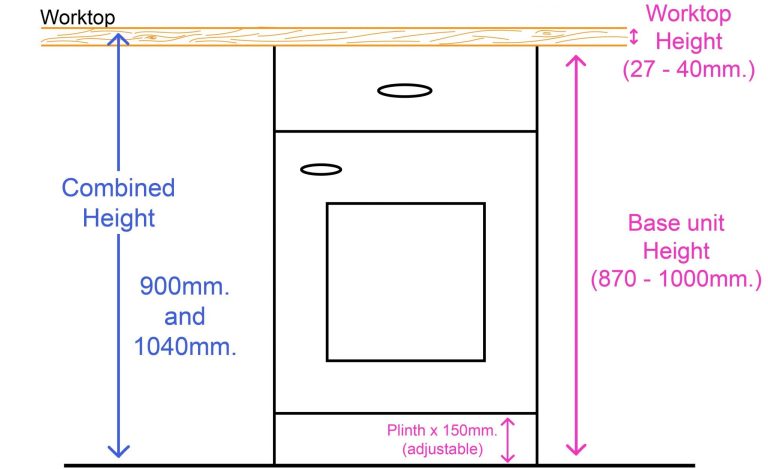
Credit: www.designcafe.com

Credit: www.mrcabinetcare.com
Frequently Asked Questions
How Much Does It Cost To Renovate A Small Kitchen?
Renovating a small kitchen typically costs between $5,000 and $20,000. Prices vary based on materials and design choices. Budget-friendly updates may cost less, while high-end renovations can exceed $20,000. Always plan for potential unexpected expenses to ensure a smooth renovation process.
Can You Remodel A Small Kitchen For $5000?
Remodeling a small kitchen for $5000 is possible with careful planning. Focus on cost-effective updates like painting cabinets, changing hardware, and upgrading lighting. Consider DIY projects to save money. Prioritize essential changes and hunt for discounts on materials to maximize your budget.
How Much Does It Cost To Refurb A Small Kitchen?
Refurbishing a small kitchen typically costs between $5,000 and $20,000. The price depends on materials, design, and labor. Custom features and high-end materials increase costs. Planning and budgeting help manage expenses efficiently.
Is $10,000 Enough For A Kitchen Remodel?
A $10,000 budget can cover a small kitchen remodel. Focus on essentials like painting, new fixtures, and minor upgrades. Prioritize cost-effective changes for maximum impact. Research affordable materials and DIY options to stretch your budget further. Remember, costs vary by location and design preferences.
Conclusion
Budgeting for a small kitchen renovation can feel overwhelming. Costs vary based on materials and labor. Setting a clear budget helps avoid overspending. Research is key. Compare prices and explore options. A small kitchen can transform with smart choices. Focus on quality and functionality.
Consult professionals for expert guidance. Prioritize essential updates. Paint, lighting, and fixtures can make a difference. Keep your vision clear and stay flexible. Enjoy the process. A revamped kitchen enhances home value and daily life. Remember, every upgrade brings you closer to your dream kitchen.
Happy renovating!