How to Eradicate Ants from Kitchen: Effective Solutions
Executive Chef & Lead Commercial Kitchen Specialist at Daily Kitchup Test Lab
Are you tired of sharing your kitchen with uninvited guests? Ants are more than just a nuisance; they can invade your food and disrupt your peace of mind.
Picture this: you’re about to enjoy a meal, and suddenly, you spot a trail of ants marching across your countertop. It’s frustrating, right? You deserve a clean, ant-free kitchen where you can cook and eat without worry. We’ll reveal effective strategies to eradicate ants from your kitchen for good.
You’ll learn simple, actionable tips that truly work, ensuring your kitchen stays spotless and your food remains safe. Ready to take back control? Let’s dive in and banish those pesky ants once and for all.
Identifying Ant Species
Identifying ant species is key to removing them from your kitchen. Different species have different habits. Knowing which kind you have helps in choosing the right method.
Common Types In Kitchens
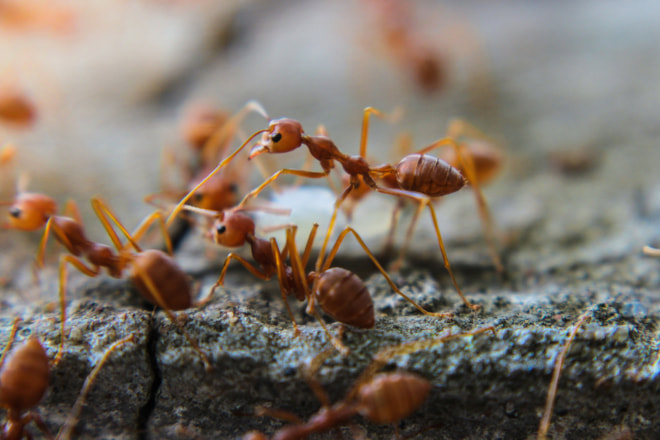
Several ant species are common in kitchens. The Argentine ant is small and brown. They travel in trails and are often seen near sweets. Pharaoh ants are tiny and yellow. They prefer protein-rich foods. Carpenter ants are larger and black or red. They may nest in wood, causing structural damage.
Signs Of Infestation
Spotting ants in your kitchen is the first sign. Ant trails leading to food sources are a giveaway. You may notice small piles of dirt or wood shavings. These indicate a nest nearby. Finding these signs early can help you tackle the problem faster.
Understanding Ant Behavior
Ants are fascinating creatures that follow a complex social structure. To effectively eliminate them from your kitchen, understanding their behavior is crucial. Ants operate in colonies and communicate using pheromones. This communication system helps them find food and navigate their surroundings. Knowing what attracts them to kitchens can help in devising a strategy to keep them away.
Why Ants Invade Kitchens
Kitchens are a favorite destination for ants due to their food sources. Ants are drawn to any crumbs, spills, or open food containers. They follow scent trails left by other ants, leading them straight to food. Even the smallest gaps or cracks can serve as entry points for these tiny invaders.
Ants’ Food Preferences
Ants have varied tastes depending on their species. Most ants are attracted to sweet foods like sugar and honey. Some prefer protein-rich items such as meats and nuts. Understanding their preferences can help in removing potential attractants from your kitchen. Keeping food sealed and areas clean makes your kitchen less appealing.
Preventive Measures
Seal food containers tightly and clean spills promptly to prevent ants in the kitchen. Regularly inspect and seal entry points like cracks or gaps. Use natural repellents like vinegar or lemon to deter ants effectively.
Preventive Measures To keep ants out of your kitchen, embracing preventive measures is essential. It’s not just about dealing with the existing ants but ensuring they don’t make a return. By making a few adjustments in your daily routine, you can create an environment that’s uninviting for these pesky intruders.Sealing Entry Points
Ants can sneak through the tiniest cracks and gaps. Look around your kitchen, especially near windows, doors, and vents. Use caulk or weather stripping to seal these entry points effectively. It’s a small investment that pays off big in keeping ants out. You might be surprised at how many tiny cracks are letting in unwanted visitors.Proper Food Storage
Ants are attracted to food residues and crumbs. Store your food in airtight containers to prevent any scent from escaping. This simple shift can make a world of difference in deterring ants. Consider labeling containers for easy access and organization. Next time you snack, think about how securely your food is stored. Are you inviting ants inadvertently? By sealing entry points and ensuring proper food storage, you can fortify your kitchen against unwelcome ant invasions.Natural Repellents
Natural repellents like vinegar, lemon juice, and essential oils can help keep ants away from your kitchen. These ingredients disrupt ant trails and deter them naturally, ensuring a pest-free environment.
Ants in your kitchen can be more than just a minor nuisance. They can contaminate food and leave you feeling like your home isn’t as clean as it should be. Thankfully, you don’t always need harsh chemicals to send these tiny invaders packing. Natural repellents can be effective and safe alternatives for getting rid of ants. Let’s explore some of these natural solutions.Essential Oils
Essential oils are not just for aromatherapy; they can be a powerful tool in your ant-fighting arsenal. Peppermint oil, for instance, is known for its strong scent that ants detest. To use peppermint oil, mix about 10 to 15 drops with water in a spray bottle and apply it to entry points such as doors and windows. Not only does this repel ants, but it also leaves your kitchen smelling fresh and invigorating. Tea tree oil is another effective option. Combine 5 to 10 drops with water, and spray it in areas where you notice ant activity. Tea tree oil also acts as a natural disinfectant, adding an extra layer of cleanliness to your kitchen.Vinegar Solutions
Vinegar is another household staple that can keep ants at bay. Its strong smell disrupts the scent trails that ants rely on to navigate. Create a simple solution using equal parts of vinegar and water in a spray bottle. Spritz it generously on countertops, floors, and any visible ant trails. As an added bonus, vinegar is a great natural cleaner, so you’ll be tackling messes while deterring ants. If you find the smell of vinegar too strong, consider adding a few drops of essential oils like lemon or eucalyptus to your solution. This can make the scent more pleasant while maintaining its effectiveness against ants. Have you tried using natural repellents in your kitchen? They can be a game-changer, offering an eco-friendly way to keep your kitchen ant-free.Homemade Ant Traps
Homemade ant traps can help keep your kitchen free from ants. Mix sugar with borax to attract and eliminate them. Place the mixture in small containers near ant trails for effective results.
Homemade ant traps can be a simple solution to an ant problem. They use common household items to lure and eliminate ants. These traps are cost-effective and easy to make. With the right ingredients and placement, they can help keep your kitchen ant-free.Borax And Sugar Mixtures
Borax and sugar make an effective ant trap. Borax is toxic to ants, while sugar attracts them. Mix one part borax with three parts sugar. Add a little water to form a paste. Spread the paste on a piece of cardboard. Place the cardboard near ant trails. Ants will carry the bait back to their colony.Bait Station Placement
Correct placement of bait stations is crucial. Locate areas where ants are active. Place traps near entry points, like windowsills and doors. Avoid placing them in areas where children or pets can reach. Check traps regularly and replenish as needed. This ensures consistent ant control.Credit: www.facebook.com

Credit: bestlifeonline.com
Frequently Asked Questions
How Do I Get Rid Of Ants In My Kitchen Fast?
Use vinegar or lemon juice to disrupt ant trails. Seal food tightly and clean surfaces. Place ant traps or use diatomaceous earth near entry points. Keep the kitchen dry and remove crumbs. Regularly check for and seal any cracks or openings.
What Is The Safest Ant Killer For Kitchen?
Use diatomaceous earth as the safest ant killer for kitchens. It’s non-toxic, safe around pets, and effective. Sprinkle it in ant-prone areas to eliminate infestations. Opt for food-grade diatomaceous earth for added safety in kitchen environments. Always follow product instructions for maximum effectiveness and safety.
What Do Ants Hate The Most In The Kitchen?
Ants hate citrus scents, vinegar, and cinnamon in the kitchen. These natural repellents disrupt their scent trails. Keep these items accessible to deter ants effectively. Regular cleaning and sealing food containers also help prevent ant infestations.
Why Do I Have Ants In My Kitchen All Of A Sudden?
Ants invade kitchens for food and water. They follow scent trails left by other ants. Seal food, clean spills, and remove moisture to deter them. Inspect and block entry points like cracks or crevices. Regularly clean counters and floors to prevent attracting more ants.
Conclusion
Eradicating ants from your kitchen is possible with patience and care. Start by sealing entry points. Keep surfaces clean and free from crumbs. Use natural remedies like vinegar or lemon juice. Regularly check and clean hidden spots. Store food in airtight containers.
These steps help maintain a pest-free kitchen. Consistent effort is key. Ants may return if you stop maintaining your kitchen. Stay vigilant and proactive. Your kitchen will remain ant-free and welcoming. Enjoy cooking without the worry of unwanted visitors.

Similar Posts