
Are you considering a kitchen upgrade and wondering about the cost of replacing your sink? It’s a common question that many homeowners face when they start dreaming of a refreshed cooking space.
A kitchen sink isn’t just a functional necessity; it’s a focal point that can transform your kitchen’s look and feel. But how much should you expect to spend on this crucial update? In this guide, you’ll discover everything you need to know about the costs involved in replacing a kitchen sink.
We’ll break down the expenses, including materials, installation, and additional features, to help you make an informed decision. Whether you’re aiming for a budget-friendly option or considering a luxurious upgrade, understanding these costs will empower you to plan effectively. Stay with us as we unravel the hidden factors and smart tips that can save you money and enhance your kitchen’s appeal. Your dream kitchen is just a few insights away!
Factors Influencing Replacement Costs
Various factors affect the cost of replacing a kitchen sink. Material choice, labor charges, and plumbing complexities all play crucial roles. Each aspect influences the final expense significantly.
When planning to replace your kitchen sink, the costs can vary widely based on several factors. Understanding these influences will help you budget effectively and make informed decisions. How much you end up spending will largely depend on the choices you make regarding materials, styles, and installation complexity. Let’s dive into the specifics.Material Choices
The material of your sink significantly impacts the price. Stainless steel is often the most budget-friendly option, offering durability and a sleek look. However, if you want something more unique, consider granite or quartz composite sinks, which provide a high-end appearance and enhanced durability, but at a higher cost. Copper sinks bring a rustic charm and are naturally antibacterial, yet they tend to be pricey. Think about how each material aligns with your kitchen’s aesthetic and your maintenance preferences. Are you willing to invest in a material that requires more care for a stunning visual effect?Sink Styles
The style of the sink you choose can also affect the replacement cost. Traditional top-mount sinks are generally less expensive due to simpler installation processes. If you opt for an undermount sink, prepare for higher costs since this style requires precise installation to ensure a seamless look with your countertop. Farmhouse sinks have gained popularity for their deep basin and vintage appeal, but their unique design often comes with increased installation costs. Consider if the style of the sink enhances your kitchen’s functionality and fits within your budget.Installation Complexity
Installation complexity is a crucial factor that can drive up costs. The more complex the installation, the more you’ll pay in labor fees. If you’re replacing a sink with the same type and dimensions, the process might be straightforward. However, changing sink styles or sizes may require adjustments to your countertop, plumbing, or cabinetry. Reflect on whether you have the skills for a DIY installation or if hiring a professional is necessary. Will the added labor cost be worth the convenience and peace of mind that comes with expert installation? By considering these factors, you’ll be better equipped to estimate the total cost of replacing your kitchen sink and avoid any surprises along the way.
Credit: www.reddit.com
Material Costs
Replacing a kitchen sink involves material costs like the sink itself and plumbing fixtures. Prices vary based on sink material, with stainless steel and porcelain being popular options. Budget for additional materials like sealants and fittings to ensure a proper installation.
Replacing your kitchen sink can be a significant but rewarding upgrade, impacting both aesthetics and functionality. One of the crucial factors to consider is the material cost, which can vary widely based on your choice of sink material. Let’s dive into some popular sink materials to help you make an informed decision.Stainless Steel
Stainless steel sinks are popular for their durability and sleek appearance. They’re often more affordable than other materials, with prices ranging from $100 to $500. You might find the sound of water hitting the sink a bit loud, but some models come with soundproofing pads.Porcelain
Porcelain sinks bring a classic and elegant look to your kitchen. They typically cost between $200 and $700. While they offer a timeless aesthetic, they can be prone to chipping. Consider your daily kitchen routine and whether porcelain’s beauty outweighs its maintenance demands.Composite Granite
Composite granite sinks offer a modern and robust option, usually priced from $300 to $600. They resist scratches and stains better than porcelain, making them ideal for busy households. However, they can be heavier, requiring additional support during installation.Copper And Cast Iron
Copper sinks provide a unique, rustic charm but can be more expensive, ranging from $500 to over $1,200. They develop a patina over time, which adds character. Cast iron sinks, coated with enamel, are equally durable and range from $300 to $800. Their weight can be a challenge, so ensure your countertop can support them. Choosing the right material for your kitchen sink is not just about cost but also about how it fits into your lifestyle. What does your kitchen say about you?Sink Style Pricing
Replacing a kitchen sink can cost between $200 and $1,000, depending on style and material. Installation fees add extra costs, typically ranging from $150 to $300. Consider factors like sink type, countertop material, and plumbing complexity for accurate pricing.
Replacing a kitchen sink can be a surprisingly complex decision. It’s not just about finding a sink that fits your kitchen layout but also one that suits your style and budget. Sink style pricing varies greatly, offering options for every taste and pocket. Whether you prefer the sleek look of an undermount sink or the rustic appeal of a farmhouse sink, knowing the price range can help you make an informed decision.Undermount Sinks
Undermount sinks are popular for their clean and seamless look. They sit below the countertop, making it easy to wipe crumbs straight into the sink. Prices for these sinks range from $200 to $500, depending on the material and brand. The installation cost might be higher due to the precision required. Are you ready to invest a little more for that sleek finish?Top-mount Sinks
Top-mount sinks, also known as drop-in sinks, are the most budget-friendly option. They have a rim that sits on top of the counter, making installation a breeze. Prices typically range from $50 to $300. These sinks are versatile and easy to replace. Would you prefer this cost-effective option for its simplicity?Farmhouse Sinks
Farmhouse sinks, with their deep basins and exposed front, add a rustic charm to any kitchen. These sinks can cost anywhere from $500 to $1,500. The price is influenced by materials like fireclay and copper. Installation can be a bit challenging, often requiring custom cabinetry adjustments. Are you willing to pay for both style and function?Bar Sinks
Bar sinks are smaller and perfect for a secondary sink area or a kitchenette. They range from $100 to $400, offering flexibility in placement and usage. These sinks are ideal for entertainment areas or smaller kitchens. Do you see the potential in adding a bar sink to your setup?
Credit: www.instagram.com
Installation Expenses
Replacing a kitchen sink can cost between $200 and $600. This includes labor and materials. Costs vary based on sink type and installation complexity.
Replacing a kitchen sink involves various installation expenses. These costs can vary based on factors like labor, plumbing adjustments, and additional features. Understanding these components will help you budget effectively for your kitchen upgrade.Labor Costs
Labor costs are a significant part of sink installation. Professional plumbers typically charge hourly rates. The complexity of the job affects the total time required. An easy installation may take less time. Complex setups might require more hours. You can expect labor costs to range between $50 to $150 per hour. Different regions may have varying rates. It’s wise to get multiple quotes for better comparison.Plumbing Adjustments
Adjusting plumbing can add to installation expenses. If the new sink is a different size, pipes may need modification. Old plumbing systems may require updates or repairs. Sometimes, new fittings are necessary for proper connection. These changes can incur additional costs. Estimate between $100 and $500 for plumbing adjustments. The final amount depends on the extent of changes needed.Additional Features
Additional features may enhance your kitchen sink experience. Installing a garbage disposal unit or water filtration system increases costs. Fancy faucets or soap dispensers can also add to the price. Each feature comes with its own installation fee. Expect to pay extra for these enhancements. These can range from $50 to $300 per feature. Choose features based on your budget and preferences.Additional Costs
Replacing a kitchen sink involves more than just the sink’s cost. Plumbing adjustments, installation fees, and potential countertop modifications add to expenses. Budgeting for these additional costs ensures a smoother, hassle-free upgrade.
Replacing a kitchen sink involves more than just the sink itself. Several additional costs can sneak up on you if you’re not prepared. Knowing these can help you plan better and avoid any unwelcome surprises. Let’s dive into some of the extra expenses you might encounter.Faucet Replacement
Upgrading your sink often means considering a new faucet. A good faucet can enhance the functionality and aesthetic of your kitchen. Prices can range from $50 for a basic model to several hundred for high-end designs with features like pull-out sprayers and touchless operation. When choosing a faucet, think about your daily use. Do you need a high-arch spout or a dual-handle setup? These choices can influence both cost and convenience.Disposal Systems
If your current sink setup includes a garbage disposal, you might need to replace or upgrade it. A decent disposal system can cost between $100 and $300. Installation might add another $50 to $100 to your total bill. Think about how often you use your disposal. If you frequently cook and dispose of food scraps, investing in a quality system can save you headaches later.Countertop Modifications
Swapping out your sink can sometimes lead to necessary modifications to your countertop. This is especially true if you’re changing the size or shape of your sink. Altering countertops can cost anywhere from $100 to $500, depending on materials and labor. Consider the material of your countertop. Granite or marble might require professional cutting, while laminate might be more forgiving. Is your new sink worth a potential investment in countertop changes?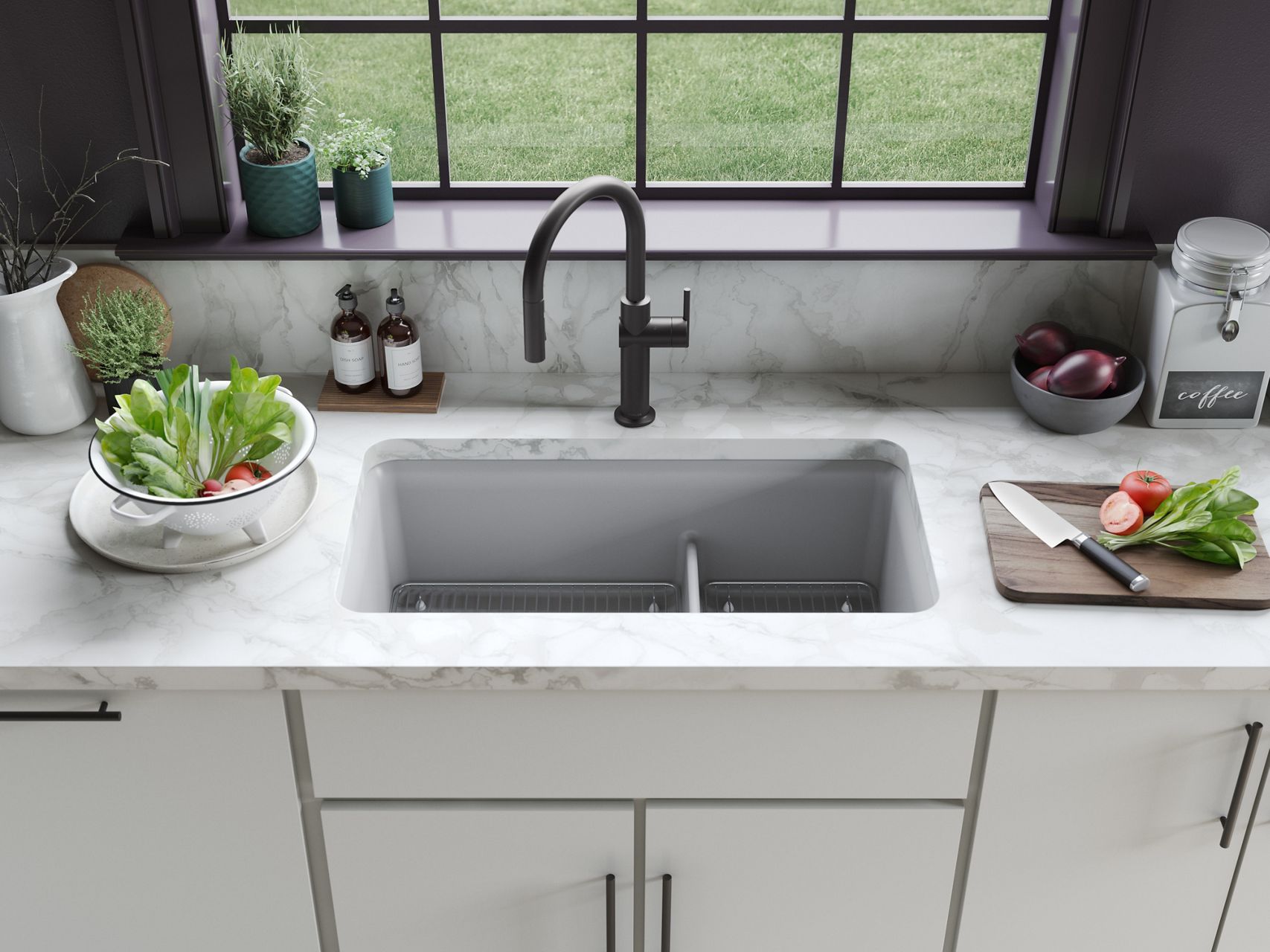
Credit: www.kohler.com
Cost-saving Tips
Replacing a kitchen sink can cost between $200 and $1,000, depending on materials and labor. Opt for DIY installation and choose budget-friendly materials to save money. Consider durable options to avoid frequent replacements.
Upgrading your kitchen sink can be an exciting yet daunting task. The costs can quickly add up, but don’t fret! With a few cost-saving tips, you can replace your kitchen sink without breaking the bank. Let’s explore some practical strategies to keep expenses in check while still achieving a stunning kitchen update.Diy Installation
Consider taking the DIY route to save on labor costs. Installing a kitchen sink might seem intimidating, but with the right tools and a good tutorial, it can be manageable. Remember the satisfaction of completing a project yourself, plus the extra savings in your pocket. Start by researching online tutorials or watching videos to understand the process. Make sure to gather all necessary tools before you begin. If you’re unsure about any step, don’t hesitate to ask a friend with plumbing experience for guidance.Choosing Budget-friendly Materials
Opt for materials that offer a balance between cost and durability. Stainless steel is often a budget-friendly choice, offering both a modern look and longevity. Composite granite sinks are another option, providing a stylish appearance without a hefty price tag. Consider the pros and cons of each material to determine what best suits your kitchen’s needs and style. Don’t overlook second-hand options; sometimes you can find a great sink at a fraction of the price in resale stores.Bundling Purchases
Bundle your purchases to take advantage of discounts. Many retailers offer deals when you buy multiple kitchen fixtures at once. Think about what other kitchen upgrades you might need, like a new faucet or cabinet hardware. By purchasing these items together, you might secure a better deal, saving you money in the long run. Always keep an eye out for sales or promotional discounts that can further reduce your costs. By implementing these strategies, you’ll not only save money but also gain a sense of accomplishment. Why spend more than necessary when you can achieve a fantastic kitchen makeover with a little savvy shopping and elbow grease?Budgeting For Replacement
Replacing a kitchen sink involves costs for materials and labor. Factors like sink type, size, and installation complexity affect the total expense. Allocating a budget ensures a smooth process without financial strain.
Replacing a kitchen sink might seem like a straightforward task, but budgeting for it requires careful consideration. You want to ensure that you’re not only covering the costs of the sink itself but also any additional expenses that might arise. To avoid financial surprises, it’s crucial to plan meticulously and understand all potential costs involved.Setting A Realistic Budget
Begin by evaluating how much you can afford to spend. Consider your current financial situation and any other upcoming expenses. Ask yourself: Is this a necessary replacement, or could it be postponed until you save more? Research the prices of different sink types and materials. A basic stainless-steel sink might cost less than a luxurious farmhouse sink. Remember, your budget should align with your kitchen’s style and your personal preferences.Estimating Total Costs
The sink is only one part of the expense. Factor in installation costs, which vary depending on the complexity of the job. Will you need to hire a plumber, or can you handle the installation yourself? Don’t forget about additional parts like faucets, hoses, and sealants. These small components can quickly add up. Make a list of everything you’ll need to purchase to ensure you have a comprehensive cost estimate.Planning For Unexpected Expenses
Even with the best planning, surprises happen. Perhaps your countertop needs adjustments, or you discover plumbing issues that require attention. How will you handle these unexpected costs? Set aside a contingency fund, typically around 10-20% of your total budget, for unforeseen expenses. This safety net will help alleviate stress and allow you to enjoy your new kitchen sink without financial worry. By taking the time to budget carefully, you can ensure a smooth and financially stress-free kitchen sink replacement. What insights have you gained from past home improvement projects that could help in this endeavor?Frequently Asked Questions
How Much Do Plumbers Charge To Replace A Kitchen Sink?
Plumbers typically charge between $150 and $450 to replace a kitchen sink. Costs vary based on complexity and location. Additional fees may apply for new fixtures or repairs. Always get multiple quotes to ensure a fair price.
How Much Will It Cost To Replace My Kitchen Sink?
Replacing a kitchen sink can cost between $200 and $600. Prices vary based on sink type, installation, and materials. Consider labor costs and additional plumbing fees for a more accurate estimate. Always compare quotes from professionals to find the best deal.
Do I Need A Plumber To Replace A Kitchen Sink?
Hiring a plumber is recommended for replacing a kitchen sink. They ensure proper installation and prevent leaks. While DIY is possible, professional help guarantees safety and efficiency. Plumbers have the expertise to handle unexpected issues that may arise during installation.
What Factors Influence Kitchen Sink Replacement Cost?
The cost to replace a kitchen sink depends on several factors. Material type, sink size, and installation complexity affect the price. Additional expenses can arise from plumbing modifications and countertop adjustments. Hiring a professional installer also adds to the total cost.
Conclusion
Replacing a kitchen sink requires careful planning. Costs can vary widely. Consider your budget before making decisions. Think about materials, installation fees, and additional expenses. Research different options. Compare prices from various suppliers. Consult professionals for reliable advice. Quality sinks may cost more but last longer.
Don’t rush your decision. Take time to find a sink that fits your needs and budget. A new sink can enhance your kitchen’s functionality and appearance. Choose wisely. Investing in the right sink brings long-term satisfaction. Enjoy your refreshed kitchen space with confidence.
Happy remodeling!