How to Arrange Kitchen Cupboards: Maximize Space Effortlessly
Executive Chef & Lead Commercial Kitchen Specialist at Daily Kitchup Test Lab
Is your kitchen feeling more like a chaotic jungle than a sanctuary of culinary creativity? You’re not alone.
Many find themselves overwhelmed by cluttered countertops and disorganized cupboards, making cooking feel like a daunting task. But what if you could transform your kitchen into an orderly haven where everything has its place? Imagine opening your cupboard doors to find every pot, pan, and spice perfectly arranged, saving you time and reducing stress.
In this guide, you’ll uncover simple, effective strategies to arrange your kitchen cupboards, turning chaos into calm. Get ready to streamline your cooking space and unleash your inner chef with newfound ease and efficiency. Curious to find out how? Let’s dive into the secrets of a well-organized kitchen.
Assessing Your Needs
Assessing your kitchen storage needs helps in arranging cupboards efficiently. Consider the types and sizes of items you use most. Group similar items together for easy access and organization.
Assessing Your Needs Organizing your kitchen cupboards can feel like an overwhelming task, but understanding what you truly need can simplify the process immensely. The key to a functional kitchen is knowing how to tailor your storage solutions to your daily habits and cooking style. Before diving into a full rearrangement, take a step back and assess your needs. This will ensure that your cupboard arrangement supports your lifestyle and makes cooking a more enjoyable experience.Identify Daily Use Items
Start by pinpointing the items you use every day. These are your kitchen essentials and should be easily accessible. Think about the pots, pans, spices, and utensils that play a starring role in your daily cooking routine. Consider placing these items in the most accessible cupboards—ideally near your cooking area or countertop. This reduces the time and effort spent searching for them, making meal prep more efficient. Ask yourself: are there items you’re constantly reaching for yet stored in the farthest corners of your kitchen? If so, it’s time to bring them front and center.Evaluate Storage Space
Next, take a close look at the available storage space in your kitchen. Are your cupboards deep enough to accommodate larger items? Do you have enough shelves to organize smaller items efficiently? Measure the dimensions of each cupboard and shelf. Use these measurements to determine where each item will fit best. You might find that some shelves are perfect for stacking plates, while others are better suited for storing canned goods. Think creatively—could you add hooks for hanging mugs or use bins for organizing lids? Sometimes a small tweak can drastically improve your storage capacity.Decluttering Essentials
Arranging kitchen cupboards starts with decluttering essentials. A clutter-free kitchen makes cooking enjoyable. Organized cupboards save time and reduce stress. Begin by sorting items and decide what you need.
Sort And Categorize
Empty your cupboards completely. Place all items on a table. Group similar items together. Keep baking supplies, spices, and canned goods separate. This helps identify duplicates. Use clear containers for small items. Label each container for easy access.
Donate Or Discard Unused Items
Check expiration dates on food items. Discard anything expired or stale. For kitchen tools, consider frequency of use. If you haven’t used it in a year, donate it. Pass along duplicates to friends or charities. Keep only what you love and use often. This will make your kitchen feel spacious and welcoming.
Strategic Placement
Strategic placement in your kitchen cupboards can make cooking more enjoyable. A well-organized kitchen saves time and reduces stress. By arranging items strategically, you create a functional and efficient space. This method ensures everything has a place and is easy to find.
Store Items By Frequency Of Use
Place frequently used items within easy reach. This includes spices, oils, and daily dishware. Keep them at eye level or on lower shelves. Reserve higher shelves for items used less often. This minimizes unnecessary bending or stretching.
Group Similar Items Together
Organize similar items in one area. Place all baking supplies in one cupboard. Store pots and pans near the stove. Keep plastic containers and lids together. This method prevents clutter and makes items easy to find.
Utilizing Vertical Space
Maximizing kitchen storage can transform your cooking space. One effective way is utilizing vertical space. This method clears counters and keeps the kitchen organized. By thinking vertically, you can create more storage without expanding your kitchen.
Install Adjustable Shelves
Adjustable shelves let you customize cupboard spaces. They provide flexibility for storing different-sized items. You can move shelves up or down based on your needs. This ensures no space is wasted. Consider installing them in cupboards to hold tall bottles or small spices.
Use Stackable Containers
Stackable containers make organizing simple. They help in storing items neatly on top of each other. You can easily see and access what you need. Choose clear containers to quickly identify contents. This approach saves space and keeps your kitchen tidy.
Incorporating Organizational Tools
Organizing your kitchen cupboards can transform the cooking experience from chaotic to delightful. By using smart organizational tools, you can maximize space and ensure everything is easily accessible. Whether you’re tidying up a tiny apartment kitchen or a spacious culinary hub, incorporating these tools can make a significant difference in your daily routines. Let’s explore how you can organize your cupboards effectively.
Drawer Dividers For Utensils
Have you ever spent precious minutes searching for that elusive spatula buried beneath a pile of mismatched utensils? Drawer dividers can be your best friend in this case. They help you keep similar items together, making it easier to grab what you need.
Imagine opening a drawer and instantly spotting your favorite wooden spoon, thanks to neatly sectioned spaces. It’s not just about tidiness; it’s about making your kitchen work more efficiently. You can even use adjustable dividers to customize sections based on your needs. What could you achieve with that extra time saved?
Lazy Susans For Accessibility
Lazy Susans are not just for corner cabinets anymore. These rotating trays can revolutionize how you access your spices, sauces, and small jars. Placing a Lazy Susan in your cupboard means no more reaching into the back to find the elusive cinnamon.
Think of it as a mini carousel for your kitchen essentials. It turns chaos into order and brings items to the forefront with a simple spin. This tool is especially helpful for upper shelves where visibility is limited. Have you considered the ease of finding what you need, just by turning a wheel?

Credit: www.youtube.com
Labeling For Efficiency
Efficiency in the kitchen often starts with how well you can find things when you need them. Labeling your kitchen cupboards is a simple yet powerful way to achieve this. Not only does it save time, but it also reduces the stress of searching for items during a busy cooking session. Let’s dive into some practical strategies for labeling your kitchen cupboards effectively.
Label Containers Clearly
Start by labeling all containers clearly. This means using large, readable fonts and ensuring labels are positioned where you can easily see them. Consider using waterproof labels if your kitchen tends to get messy.
- Choose a consistent labeling method—stickers, chalk markers, or even printed labels.
- Use color codes to differentiate types of items or frequency of use. For example, green for daily use and blue for occasional use.
- Include the expiration date on labels for perishables. This helps maintain freshness and reduces waste.
Have you ever spent precious minutes searching for the cinnamon while your pasta boils over? Clear labels can prevent such chaos.
Create A Cupboard Map
Creating a cupboard map can revolutionize how you navigate your kitchen. It’s like having a mini GPS for your pantry. Start by drawing a simple map of your cupboard layout.
- Sketch each shelf and what it contains. You don’t need to be an artist—just clear enough to recognize what’s where.
- Highlight sections for baking goods, spices, canned items, etc. This visual guide can save time when you’re in a rush.
- Consider placing the map on the inside of your cupboard door for quick reference.
Think about how much easier meal prep would be if you didn’t have to rummage through mismatched containers. A cupboard map can keep you organized and calm.
By implementing these labeling techniques, you not only streamline your kitchen routines but also create a space that feels welcoming and efficient. What’s your biggest kitchen labeling challenge? Share your thoughts and let’s brainstorm solutions together!
Maintaining Order
Organize kitchen cupboards by grouping similar items together. Use baskets or containers to hold smaller items. Place frequently used items within easy reach for convenience.
Maintaining order in your kitchen cupboards ensures a stress-free cooking experience. A well-organized space saves time and reduces clutter. By creating a system, you can easily find items when needed. Let’s explore some strategies to maintain order.Regularly Review Contents
Check your cupboards frequently. Remove expired or unused items. This keeps your space tidy and functional. Set a reminder to review every month. Regular checks prevent clutter buildup. It helps in identifying what you need to restock.Adopt A One In, One Out Rule
Implement a simple one in, one out rule. When you buy something new, remove an old item. This keeps the cupboard from overflowing. It encourages mindful shopping and reduces waste. Stick to this rule to maintain a balanced inventory.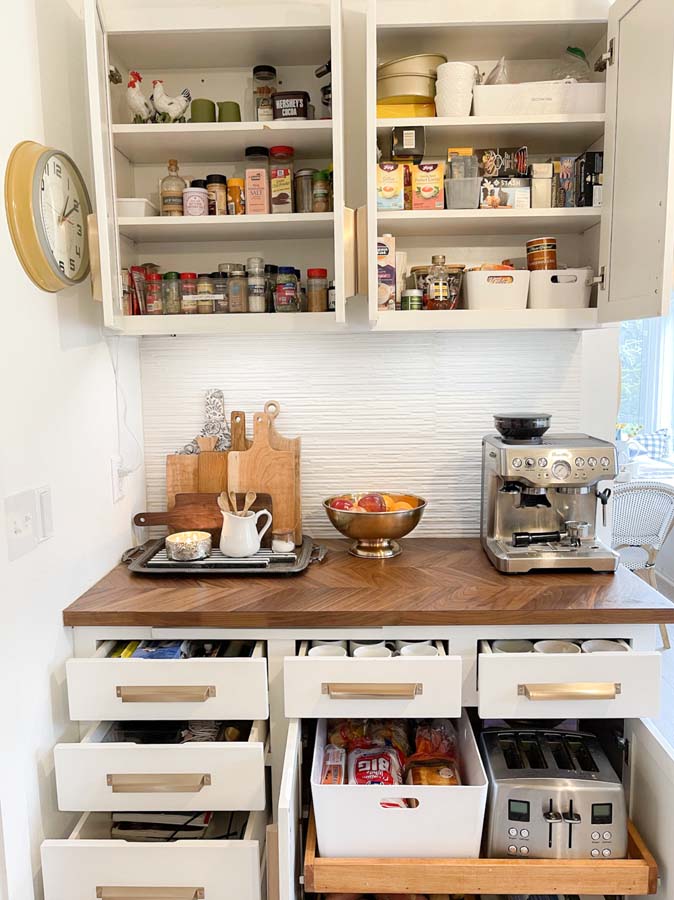
Credit: www.hallstromhome.com

Credit: www.hgtv.com
Frequently Asked Questions
How Do You Decide Where To Put Things In Kitchen Cabinets?
Organize kitchen cabinets by function and frequency of use. Store everyday items within easy reach. Place rarely used items higher or deeper. Group similar items together, like plates with bowls. Keep cleaning supplies separate from food. Consider accessibility for all household members.
Adjust based on your cooking habits and needs.
What Is The Best Way To Organize Kitchen Cupboards?
Sort items by usage frequency, storing essentials within reach. Group similar items together for easy access. Use organizers, baskets, or shelves to maximize space. Label containers for quick identification. Regularly declutter to maintain order and ensure functionality.
How Should Kitchen Cupboards Be Arranged?
Organize kitchen cupboards by storing frequently used items at eye level. Group similar items together for easy access. Place heavier items on lower shelves. Use dividers for pots and pans. Keep spices and condiments near the cooking area for convenience.
Maintain a clean and clutter-free space for efficiency.
How To Set Kitchen Cabinets For Beginners?
Start by measuring the space for cabinets. Organize items by usage and accessibility. Use dividers for utensils and trays. Install cabinets securely with proper tools. Keep aesthetics in mind for a cohesive look.
Conclusion
Arranging kitchen cupboards can be simple and rewarding. Start by sorting items by type. Then, place frequently used items within easy reach. Label shelves for quick identification. Keep counters clear for better workspace. Use containers for loose items. Remember, a tidy kitchen saves time and reduces stress.
Adjust your setup as needs change. Stay flexible with your organization. Ultimately, a well-organized kitchen boosts efficiency. Enjoy your cooking more with a clutter-free space. A little effort goes a long way in achieving order. Make your kitchen a welcoming and functional area for everyone.

Similar Posts