How to Fix a Stopped Up Kitchen Sink: Quick Solutions
Is your kitchen sink refusing to drain, leaving you with a frustrating mess? You’re not alone.
A stopped-up kitchen sink is a common household problem that can disrupt your daily routine. But the good news is, you don’t need to be a plumbing expert to fix it. With just a few simple steps, you can have your sink running smoothly again.
Imagine the satisfaction of solving this annoying issue on your own, without the need for costly professional help. By the end of this article, you’ll know exactly how to tackle that stubborn clog and prevent it from happening again. Let’s dive in and get your kitchen sink back to working order, so you can focus on more important things.
Credit: www.familyhandyman.com
Common Causes
A stopped-up kitchen sink can be a frustrating experience, especially when you’re in the middle of preparing a meal or washing dishes. Understanding the common causes of sink blockages can help you tackle the problem effectively and prevent it from happening again. Let’s explore some typical culprits behind a clogged kitchen sink.
Food Debris
One of the most common causes of a blocked kitchen sink is food debris. Tiny bits of food can easily slip through the drain and accumulate over time. If you’re not careful, these scraps can form a stubborn clog. Consider using a sink strainer to catch food particles before they enter the drain.
Think about those times when you’ve rinsed a plate without scraping it properly. A simple habit of pre-scraping can save you from future plumbing woes. Do you often find yourself in a hurry and skip this step?
Grease Buildup
Grease is notorious for causing sink blockages. When grease cools, it solidifies and clings to the pipes. This buildup can eventually obstruct water flow. Avoid pouring grease down the sink, and instead, collect it in a container for disposal.
Imagine the aftermath of cooking a hearty breakfast. Bacon grease, for instance, can be a real troublemaker if it finds its way into your pipes. Have you ever been surprised by a clogged sink after a cooking session?
Foreign Objects
Sometimes, objects that aren’t meant to go down the sink end up there accidentally. Items like utensils, rings, or even small toys can cause a blockage if they slip through the drain cover. Check your drain cover regularly to ensure it’s intact and functioning properly.
Remember that time your favorite spoon disappeared during dishwashing? Such mishaps are more common than you think and can lead to unexpected plumbing issues. How often do you inspect your drain cover?
By understanding these common causes, you’re well-equipped to prevent and address a stopped-up kitchen sink. Taking small preventative measures can save you from larger headaches down the road.
Initial Assessment
Experiencing a stopped-up kitchen sink can be frustrating. Before attempting any repair, it’s essential to conduct an initial assessment. This ensures you understand the underlying issue. A thorough evaluation can prevent unnecessary work and save time.
Visual Inspection
Begin by checking the sink’s visible parts. Look for water pooling in the basin. Check for any debris or food particles. Inspect the sink strainer for any obstructions. Ensure the sink’s seal is intact and not damaged. Look under the sink for any visible leaks or drips. A flashlight might help in darker areas.
Testing The Drain
Run water to see if it drains slowly or not at all. This helps determine the severity of the blockage. Observe if water backs up into the sink. Listen for any unusual gurgling sounds. These can indicate a deeper issue in the pipes. Check if there is any unpleasant odor. This might suggest trapped food or residue.
Basic Tools Needed
A clogged kitchen sink can feel like a mini-disaster, especially when dishes pile up and water refuses to drain. Fortunately, you can tackle this common household problem with a few basic tools that are likely already in your home. Equipped with these essentials, you’re not just fixing a sink—you’re taking back control of your kitchen.
Plunger
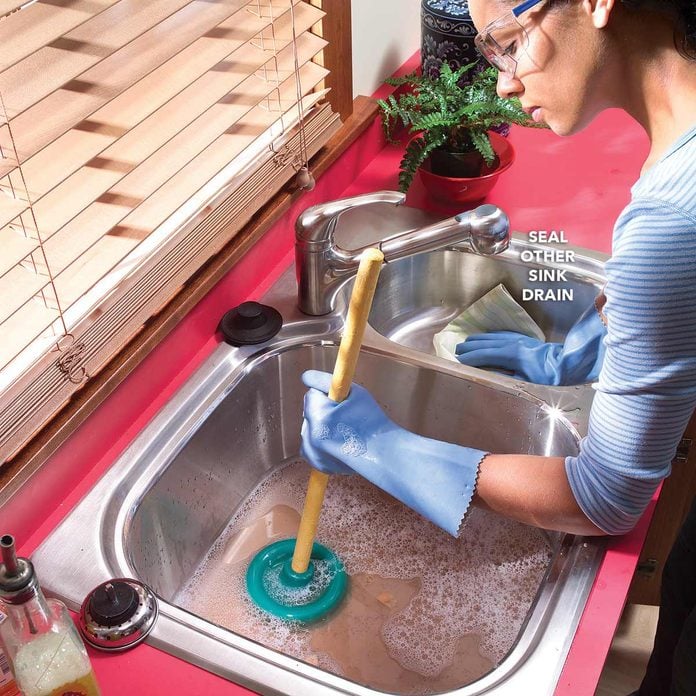
The plunger isn’t just for toilets. A sink plunger, specifically designed for flat surfaces, can be your first line of defense against a stubborn clog.
Ensure a tight seal by covering the overflow drain with a wet cloth. This maximizes suction power and can dislodge even the most stubborn debris.
Remember to use brisk, forceful motions. It’s not about brute strength—it’s about rhythm and pressure. Ever tried plunging a sink without covering the overflow? You might notice the difference in effectiveness.
Drain Snake
If the plunger doesn’t do the trick, a drain snake, or auger, might be your next best bet. This flexible tool is perfect for reaching deep into pipes and snagging clogs that are out of sight.
Feed it slowly into the drain until you feel resistance, then twist and maneuver to break up the blockage.
It’s like fishing—patience pays off. Have you ever felt the satisfaction of pulling out a wad of gunk that’s been causing havoc? It’s oddly rewarding.
Baking Soda And Vinegar
This dynamic duo is more than just a science experiment. Baking soda and vinegar form a natural cleaning powerhouse when combined.
Pour half a cup of baking soda down the drain, followed by a cup of vinegar. Let it fizz for a few minutes as it breaks down grime and residue.
Rinse with hot water to wash away the remnants. Can you believe something so simple can be so effective? It’s like kitchen alchemy.

Credit: www.facebook.com
Using A Plunger
Using a plunger can effectively clear a stopped-up kitchen sink. Create a tight seal over the drain and push firmly. Repeat several times to dislodge the blockage and restore water flow.
Clearing a stopped-up kitchen sink can be frustrating. A plunger is a simple tool that often saves the day. It uses suction to dislodge clogs, restoring water flow. This method is effective and doesn’t require special skills. Let’s explore the right way to use a plunger on your sink.Proper Technique
Start with a clean sink. Remove any dishes or debris. Fill the sink with a few inches of water. This water helps create suction. Place the plunger over the drain. Ensure a tight seal by covering the drain completely. Push the plunger down firmly. Then, pull up sharply without breaking the seal. Repeat this motion several times. Check if the water drains. If it does, you’ve cleared the clog. If not, try a few more plunges. This method works best for minor blockages.When To Use
Use a plunger for simple clogs. Food particles and grease often cause these. Avoid using it for severe blockages. These might need a professional plumber. If water drains slowly, plunging can help. If the sink overflows, stop plunging. This indicates a more serious issue. A plunger is a first line of defense. It can fix many common sink problems. Keep one handy for emergencies.Applying Baking Soda And Vinegar
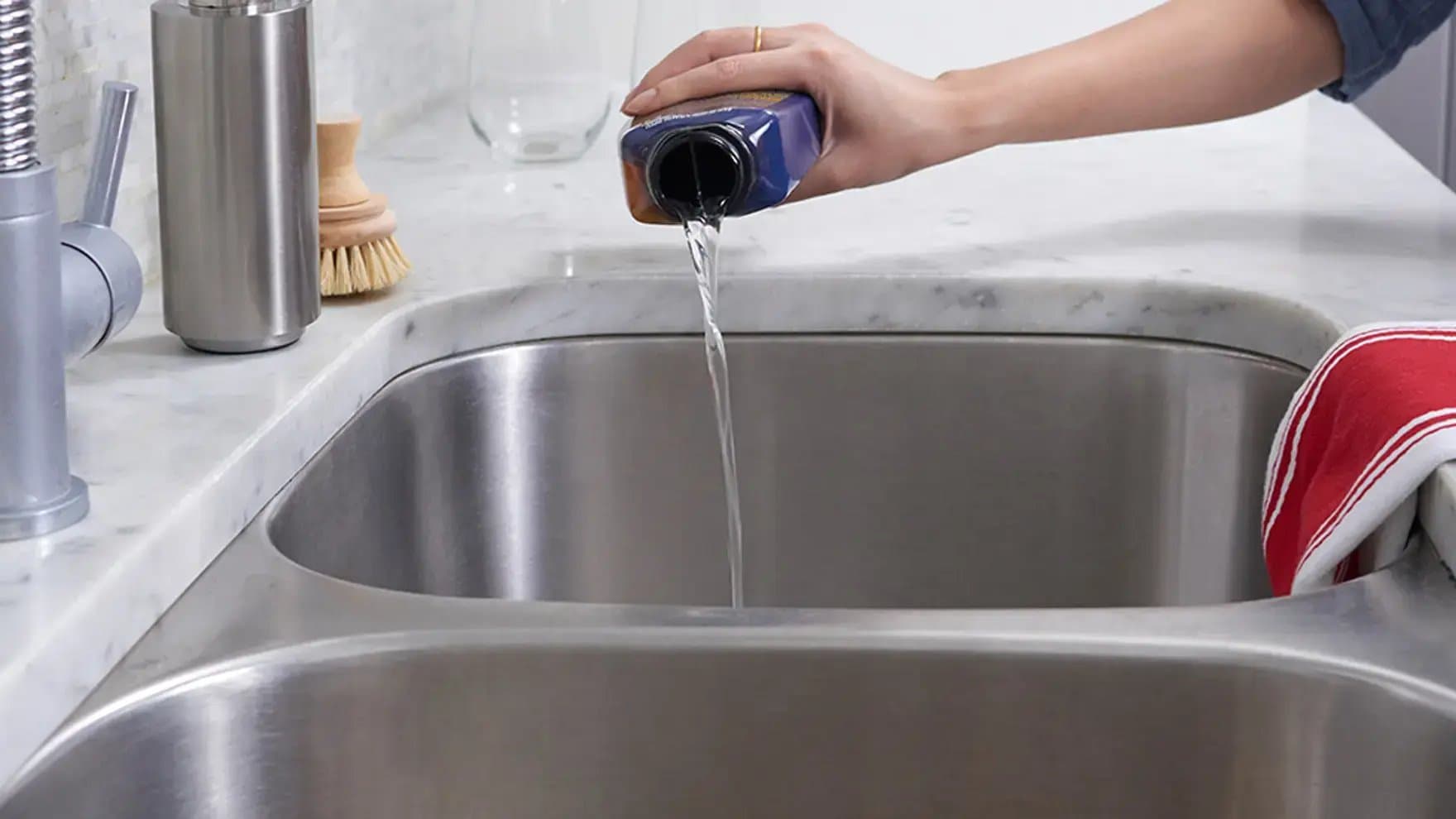
Combine baking soda and vinegar for an effective sink fix. Pour baking soda into the drain, then add vinegar. This natural mixture breaks down clogs, restoring smooth water flow.
A stopped-up kitchen sink can be a real nuisance, but you don’t need to call a plumber just yet. One of the most effective and eco-friendly ways to tackle this issue is by using baking soda and vinegar. This dynamic duo can break down clogs, clear away grime, and even neutralize odors. Let’s dive into how you can use these common household items to get your sink back in working order.Mixing The Solution
Start by gathering your supplies. You’ll need a box of baking soda and a bottle of white vinegar. Measure out about half a cup of baking soda and a full cup of vinegar. The combination creates a fizzing reaction that helps to dislodge gunk in your pipes. Mixing them directly in the drain isn’t necessary. Instead, sprinkle the baking soda into the drain first. The powdery texture allows it to settle into the clog. Then, pour the vinegar slowly over the baking soda. Have you ever watched a science project volcano erupt? That’s the kind of reaction you’ll witness here. The fizzing helps break down and flush away debris. Keep a cloth or stopper handy to cover the drain and contain the foam.Pouring Method
With your mixture ready, it’s time to pour. Carefully sprinkle the baking soda directly into the drain. Ensure that it gets into the pipe without spilling over the sides. Next, gently pour the vinegar over the baking soda. You might wonder if the fizzing is strong enough to work through stubborn clogs. It is, thanks to the carbon dioxide bubbles that form during the reaction. These bubbles can penetrate and break up the blockage. Allow the mixture to sit for at least 15 minutes. This gives the reaction time to work its magic. Use this waiting period to think about what could be causing the clog in the first place. Is it grease, food particles, or something else entirely? Understanding the cause can help prevent future blockages. After the wait, flush the drain with boiling water. This step is crucial as it helps wash away any remaining debris. Repeat the process if necessary, but most often, one round is enough to clear things up. Why spend money on harsh chemicals when you can solve the problem with what’s already in your pantry?Utilizing A Drain Snake
Clearing a clogged kitchen sink can be simple with a drain snake. Insert the snake into the drain and turn the handle to break up the blockage. Repeat until the water flows freely.
Utilizing a drain snake can be a game-changer when your kitchen sink is stubbornly clogged. This handy tool is designed to reach deep into the plumbing, removing blockages that are beyond the reach of ordinary plungers. If you’ve ever felt the frustration of a slow-draining sink, a drain snake might just be your new best friend. But how do you use it effectively? Let’s dive into the steps to ensure you’re getting the most out of this tool.Inserting The Snake
First, ensure your sink area is clear. This makes it easier to work and prevents any damage. Insert the end of the drain snake into the drain opening. Push it gently at first, feeling for resistance. You might be surprised at how quickly you hit the blockage. When this happens, keep your grip firm to avoid the snake bending back on itself.Clearing The Blockage
Once you feel resistance, it’s time to clear the blockage. Rotate the snake handle clockwise, which helps the tool grip onto the clog. Keep turning until you feel the tension ease. This means the blockage is breaking apart. Now, pull the snake out carefully. You may need to repeat this process a couple of times for stubborn clogs. Finally, run hot water to flush out any remaining debris. This step often reveals a pristine, free-flowing drain. Have you ever tried using a drain snake? If not, it’s a skill worth mastering for those unexpected kitchen emergencies.Preventive Measures
Regular cleaning prevents kitchen sink clogs. Avoid disposing grease and food scraps down the drain. Use a drain strainer to catch debris effectively.
Preventive measures can save you from the headache of a stopped-up kitchen sink. A few simple habits can keep your pipes clear and prevent costly repairs.Regular Cleaning
Regular cleaning helps maintain a healthy kitchen sink. Make it a habit to clean your sink weekly. Use baking soda and vinegar to keep drains clear. Pour boiling water down the drain to flush debris away. Cleaning the sink after meals prevents food particles from building up. A clean sink is less likely to clog.Avoiding Certain Materials
Avoiding certain materials is crucial for a clog-free sink. Never pour grease or oil down the drain. They solidify and block pipes. Keep fibrous foods like celery and potato peels out of the disposal. Coffee grounds and eggshells are also troublemakers. Use a strainer to catch these before they reach the drain. Preventing clogs is easier than fixing them.
Credit: www.youtube.com
When To Call A Professional
Struggling with a stubborn sink clog? Consider calling a professional when DIY methods fail or multiple drains are affected. Persistent issues may indicate deeper plumbing problems requiring expert attention.
When it comes to a clogged kitchen sink, most of us try to fix it ourselves. But there are times when DIY efforts just don’t cut it. Knowing when to call a professional can save you time, effort, and potentially costly damage. It’s important to recognize the signs that it’s time to pick up the phone and get expert help.Persistent Blockages
You’ve tried the plunger, the baking soda, and even the trusty coat hanger. Yet, the water stubbornly refuses to drain. Persistent blockages indicate a deeper issue, possibly within the plumbing system. Ignoring this problem could lead to more serious damage. A professional plumber can diagnose and fix the root cause, ensuring your sink functions smoothly again.Unfamiliar Noises
If your sink starts making gurgling or bubbling sounds, it might be a sign of trouble. These noises often indicate trapped air or a blockage in the pipes. Ignoring these sounds might worsen the blockage or cause damage to the plumbing system. A professional can quickly identify and resolve the issue, saving you from potential headaches down the line. Plus, they have specialized tools to handle complex problems that a plunger can’t. Have you ever ignored strange noises, only to regret it later? Don’t let a small problem escalate into a major repair. Sometimes, it’s best to let the experts handle it.Frequently Asked Questions
How Do You Unclog A Stopped Up Kitchen Sink?
To unclog a kitchen sink, start by removing any visible debris. Use a plunger to dislodge the blockage. Pour boiling water mixed with baking soda and vinegar down the drain. Consider using a plumber’s snake for stubborn clogs. If unsuccessful, contact a professional plumber for assistance.
Why Should You Never Use Baking Soda And Vinegar To Unclog A Drain?
Baking soda and vinegar can worsen clogs. Their reaction creates water and carbon dioxide, not enough pressure to clear drains. Use proper drain cleaners or mechanical methods for effective results. Regular use may damage pipes over time. Always opt for safer, more effective solutions to maintain plumbing health.
How To Unblock A Severely Blocked Sink?
Pour boiling water down the sink to loosen debris. Use a plunger vigorously to dislodge blockages. Apply baking soda and vinegar, wait 30 minutes, then flush with hot water. If needed, try a drain snake to remove stubborn clogs. Regular cleaning prevents future blockages.
What Will Dissolve Food Stuck In The Drain?
Use baking soda and vinegar to dissolve food stuck in the drain. Pour half a cup of baking soda followed by half a cup of vinegar down the drain. Wait for 15 minutes, then flush with hot water. This mixture effectively breaks down organic matter, clearing the blockage.
Conclusion
Fixing a stopped-up kitchen sink doesn’t need to be stressful. Start with simple solutions like baking soda and vinegar. Check for clogs in the pipes. Try plunging to clear stubborn blockages. If problems persist, consider calling a professional plumber. Regular cleaning prevents future clogs.
Keep your sink drain free of large food pieces. Avoid pouring grease down the sink. Stay proactive with maintenance. This saves time and money in the long run. A clean sink means a happy kitchen. Tackle those clogs today and enjoy smooth, worry-free washing.
Remember, a little effort goes a long way!