How to Fix Kitchen Aid Ice Maker: Expert Tips Revealed
Are you frustrated with your KitchenAid ice maker not working as it should? You’re not alone.
Many homeowners find themselves struggling with ice makers that suddenly stop producing ice, leak, or make strange noises. The good news is, you don’t need to be a tech guru to tackle these issues. With a few simple steps, you can have your ice maker back to its frosty best.
Imagine the relief of having a steady supply of ice for your drinks again! In this guide, we’ll walk you through straightforward solutions to common problems, empowering you to fix your KitchenAid ice maker without unnecessary stress or expense. Stay with us, and you’ll soon have the cool, refreshing ice you need at your fingertips.

Credit: www.tiktok.com
Common Issues
Kitchen Aid ice makers are a convenient addition to any modern kitchen, but like all appliances, they can occasionally run into issues. Understanding these common problems can make troubleshooting easier and help you get back to enjoying perfectly chilled beverages. Let’s dive into some of the typical challenges you might face with your ice maker.
Ice Maker Not Making Ice
Is your ice maker refusing to produce any ice? Start by checking the water supply line. Ensure it’s connected properly and not blocked. Sometimes, the water filter might need replacing if it’s clogged with debris. A simple fix could be adjusting the temperature settings to ensure they’re optimal for ice production. Have you checked if the ice maker is turned on? This may sound obvious, but it’s a common oversight.
Ice Maker Leaking Water
Water leakage can be a frustrating problem. Inspect the water line for any cracks or loose connections. It’s possible that the ice maker’s fill tube might be frozen, causing leaks. You might need to thaw it out carefully. Also, check the ice maker’s level, as an uneven appliance can cause water overflow. Is your freezer set at the right temperature? Too cold can freeze the fill tube, while too warm can cause melting.
Ice Cubes Are Too Small Or Large
Struggling with ice cubes that are either too tiny or too big? Adjust the water level controls to get the size just right. Sometimes, the ice maker’s components may be slightly off, affecting cube size. Regular cleaning can also ensure that no residues are affecting ice production. Have you ever thought about how water pressure might affect the size of your ice cubes?
Strange Noises From The Ice Maker
Odd sounds coming from your ice maker can be unsettling. These noises might be due to ice jams or mechanical parts needing lubrication. Check for any obstructions in the ice tray or dispenser chute. If your ice maker sounds like it’s working overtime, it might be struggling with ice buildup. How often do you give your ice maker a thorough cleaning to prevent noisy operations?

Credit: www.youtube.com
Troubleshooting Steps
Check the water supply line for any blockages or kinks. Verify the ice maker is switched on and properly connected. Clean the ice maker and ensure the freezer temperature is set correctly.
When your Kitchen Aid ice maker isn’t functioning as it should, it can be frustrating. Understanding how to troubleshoot it can save you time and money. Below are some practical steps to help you get your ice maker back in working order. Each step is designed to address common issues that can prevent your appliance from producing ice.Checking The Power Connection
First, ensure that your ice maker is properly connected to a power source. A simple power outage or a loose plug can halt its operation. Check the outlet by plugging in another appliance to verify it has power. If the outlet is functional, inspect the power cord for any visible damage or signs of wear.Inspecting The Water Supply Line
The water supply line is crucial for ice production. Ensure that the valve supplying water to the ice maker is open. Look for any kinks or blockages in the line that could restrict water flow. If you find an issue, gently straighten the line or remove the blockage.Resetting The Ice Maker
Sometimes, simply resetting the ice maker can resolve the issue. Locate the reset button, often found under the ice bin or on the control panel. Press and hold the reset button for a few seconds until you hear a beep or see a light indicator. Wait for a few hours to see if the ice maker resumes production.Cleaning The Ice Maker Components
Over time, mineral deposits and debris can accumulate, affecting performance. Begin by unplugging the appliance for safety. Remove and clean the ice bin, and wipe down the interior components with a mild detergent. Rinse thoroughly and ensure all parts are dry before reassembling. By maintaining a clean ice maker, you not only extend its lifespan but also ensure the quality of the ice produced. Can you remember the last time your ice tasted a bit off? It might just need a good clean.Tools And Materials Needed
Tools and materials required include a screwdriver, a multimeter, and cleaning supplies. Gather replacement parts like filters and hoses. Having these items ensures a smooth repair process.
When fixing a KitchenAid ice maker, having the right tools and materials is vital. This ensures the repair process is smooth and effective. A well-prepared toolkit can save time and prevent frustration. Let’s explore the essential tools and recommended cleaning solutions needed for this task.Essential Tools For Repair
Having the right tools is crucial for any repair work. Here’s a list of essential tools:- Screwdrivers: Both Phillips and flat-head types are needed.
- Multimeter: Useful for checking electrical connections.
- Wrench: Necessary for loosening and tightening bolts.
- Flashlight: Helps illuminate hard-to-see areas.
- Bucket: Catches water during the repair process.
- Towels: Useful for absorbing spills.
Recommended Cleaning Solutions
Proper cleaning solutions ensure longevity and efficiency. Consider using the following:- Vinegar: An effective natural cleaner for removing buildup.
- Baking soda: Helps deodorize and cleanse surfaces.
- Dish soap: For general cleaning of removable parts.
- Soft brush: Ideal for scrubbing without scratching.
- Warm water: Aids in dissolving cleaning agents.
Preventive Maintenance Tips
Fixing a Kitchen Aid ice maker starts with checking the water supply. Ensure the water line is clear and properly connected. Regular cleaning of the ice maker prevents clogging and maintains performance. Adjusting the freezer temperature can also resolve ice production issues.
Preventive maintenance keeps your Kitchen Aid ice maker running smoothly. Regular care extends its lifespan and ensures consistent ice production. By following these simple tips, you can avoid costly repairs. Let’s dive into how you can maintain your ice maker effectively.Regular Cleaning Schedule
Set a cleaning schedule. Clean your ice maker every six months. Use a soft cloth and mild detergent. Wipe down the exterior and interior surfaces. Remove and wash the ice bin regularly. This prevents build-up and keeps ice fresh. A clean machine works more efficiently.Avoiding Common Mistakes
Do not overfill the ice bin. This can block the ice maker. Avoid using sharp objects to remove ice. They can damage the machine. Use the recommended water filter. It ensures clean water and better ice quality. Following these practices prevents unnecessary issues.Checking For Wear And Tear
Inspect your ice maker for signs of wear. Look for cracks in the ice bin. Check the water line for leaks. Listen for unusual noises from the motor. Replace any worn or broken parts promptly. This prevents bigger problems down the line. Regular checks keep your machine in top condition.When To Call A Professional
There comes a point when fixing your KitchenAid ice maker on your own might not be the best idea. Sometimes, despite your best efforts, the problem persists or worsens. This is when calling in a professional can save you time, stress, and potentially more money down the line. But how do you know when it’s time to make that call?
Identifying Serious Issues
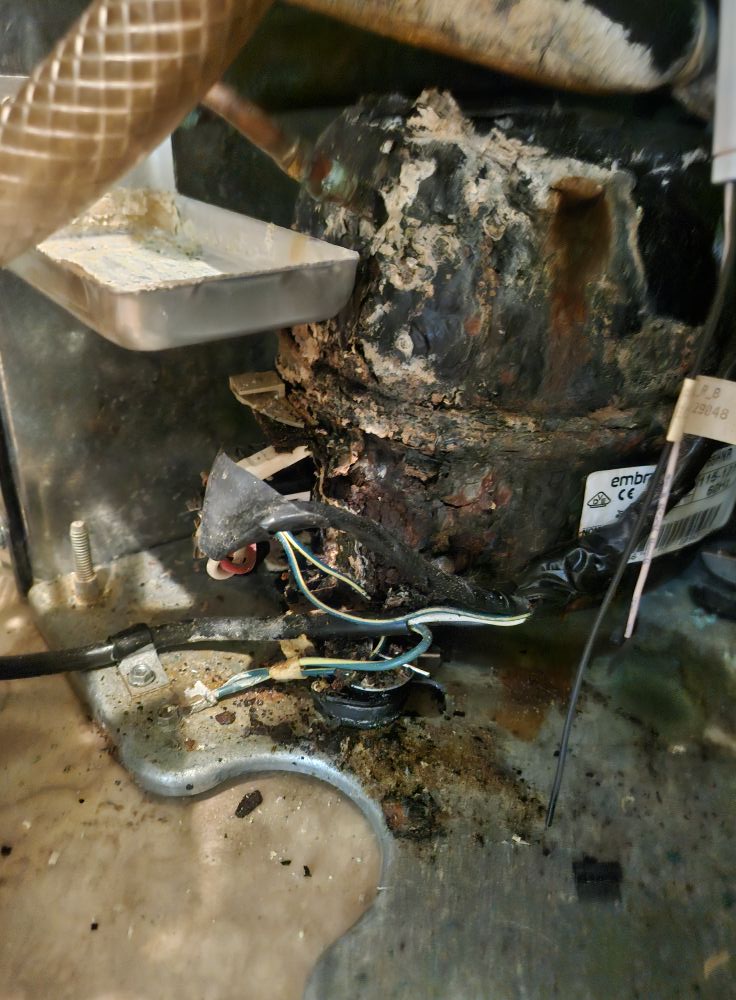
Some problems are beyond the average DIY fix. If your ice maker is leaking water all over your kitchen floor or if there’s a mysterious electrical smell, it might be more serious than a simple jam or filter issue. Additionally, strange noises that sound like grinding or loud clanking often indicate internal mechanical problems.
Another red flag is if your ice maker stops working completely after trying several troubleshooting steps. If you’ve already tried replacing the filter, checking the water line, and resetting the machine with no luck, a professional’s expertise may be needed. These situations often require specialized tools and knowledge that a certified technician can provide.
Cost-benefit Analysis Of Professional Repairs
Before you call a professional, consider the costs. A repair might seem expensive, but weigh this against the cost of a new ice maker or further damage from a botched DIY attempt. Sometimes, spending a little more upfront can save a lot in the long run.
Also, think about the time and effort involved in tackling the problem yourself. If the repair requires extensive dismantling of the machine or dealing with electrical components, it might be safer and more efficient to let a professional handle it. Consider the value of your time and peace of mind.
Ultimately, deciding when to call a professional involves assessing the severity of the issue and the potential costs. Is it worth the risk of trying to fix it yourself, or is professional help the smarter choice? By evaluating these factors, you can make an informed decision that ensures your KitchenAid ice maker runs smoothly and safely.
Credit: www.facebook.com
Frequently Asked Questions
How Do I Reset A Kitchenaid Ice Maker?
To reset a KitchenAid ice maker, unplug the appliance for 5 minutes. Reconnect it, then press the on/off switch. Ensure the water supply is turned on. Wait for a few hours to see if it resumes ice production.
Why Is My Kitchenaid Ice Maker Not Making Ice?
Check water supply connection, filter, and ice maker settings. Clean ice maker parts for blockages. Ensure freezer temperature is set correctly. Verify ice maker’s power and reset it if necessary. Contact KitchenAid support if issues persist.
Why Would An Ice Maker Suddenly Stop Working?
An ice maker may stop working due to a clogged water line, malfunctioning thermostat, or faulty motor. Check for power issues, water supply problems, or blocked filters. Regular maintenance helps prevent these issues and ensures efficient operation. Consider consulting a professional technician if problems persist.
How Do I Manually Reset My Ice Maker?
Locate the reset button on your ice maker, usually under the front panel. Hold it for 10 seconds. Release and wait for the ice maker to restart. Ensure it’s reconnected to water and power. Consult your manual for model-specific instructions.
Conclusion
Fixing your KitchenAid ice maker doesn’t have to be hard. Follow the steps mentioned for a smooth repair process. Check connections and clean the machine regularly. This helps prevent future issues. Always ensure the ice maker is level. A balanced machine works better.
If problems persist, consider professional help. Experts can solve complex issues quickly. Regular maintenance ensures your ice maker stays in top shape. Enjoy ice without hassle. Keep your KitchenAid running smoothly. Save time and effort with these simple tips. Now, get back to enjoying your ice-cold drinks!