What is Ghost Kitchen: Revolutionizing Food Delivery
Executive Chef & Lead Commercial Kitchen Specialist at Daily Kitchup Test Lab
Imagine ordering your favorite meal from a restaurant you love, only to find out it doesn’t actually exist in the way you thought it did. Welcome to the intriguing world of ghost kitchens, a concept that might just revolutionize your dining experience.
What exactly is a ghost kitchen, and how is it changing the way you enjoy food? You’re about to uncover the secrets behind these mysterious culinary operations. As you delve into this article, you’ll discover how ghost kitchens are reshaping the food industry, offering you more options, faster deliveries, and perhaps even new flavors you never expected.
Get ready to satisfy your curiosity and your appetite as we explore the ins and outs of ghost kitchens, and how they might just become your new favorite way to dine. Your next meal could come from a ghost kitchen, and you’ll want to know why that’s something to get excited about.
Credit: cervitude.com
Comparisons With Traditional Kitchens
Ghost kitchens operate without dining areas, focusing solely on food delivery. Traditional kitchens serve dine-in customers, requiring more staff and space. Ghost kitchens, by contrast, streamline operations and reduce costs.
Comparisons between ghost kitchens and traditional kitchens can reveal striking differences in operation, efficiency, and customer interaction. While both aim to deliver delicious meals, the way they achieve this is notably different. Understanding these differences can help you decide which might be more suitable for your business or dining preferences.Flexibility And Adaptability
Ghost kitchens offer unparalleled flexibility. They can quickly adjust menus based on customer demand, seasonal ingredients, or food trends. Traditional kitchens, with their physical dining space and established routines, may struggle to adapt so swiftly. Imagine being able to test a new dish without the risk of alienating regular dine-in customers. Ghost kitchens thrive on this ability.Operational Costs
Operating costs in ghost kitchens are typically lower. There’s no need for an expensive dining area or the staff required to maintain it. This streamlined approach can make it easier for new restaurateurs to enter the market. Traditional kitchens, on the other hand, face higher overheads, from rent to utilities and staff wages. How might these savings impact your pricing strategy or profit margins?Customer Experience
The customer experience in ghost kitchens is entirely digital. Orders are placed online, and meals are delivered directly to the customer’s doorstep. This can be convenient, but lacks the personal touch of a face-to-face interaction. Traditional kitchens provide a holistic dining experience, from ambiance to service. Would you miss the clinking of glasses and the hum of conversation?Menu Variety
Ghost kitchens often have diverse menus, catering to multiple brands or cuisines under one roof. This variety can attract a broader customer base. Traditional kitchens typically focus on a specific theme or cuisine, offering depth rather than breadth. Which would you prefer: a variety of choices or a specialized experience?Location Independence
Ghost kitchens can operate almost anywhere. They’re not tied to high-rent districts or bustling city centers. This opens up a world of possibilities for reaching underserved areas. Traditional kitchens rely on foot traffic and prime locations to draw customers. How important is location to your dining decision? In examining these comparisons, consider what matters most to you—flexibility, cost, experience, variety, or location. Each kitchen type offers unique advantages, shaping the dining landscape in exciting ways.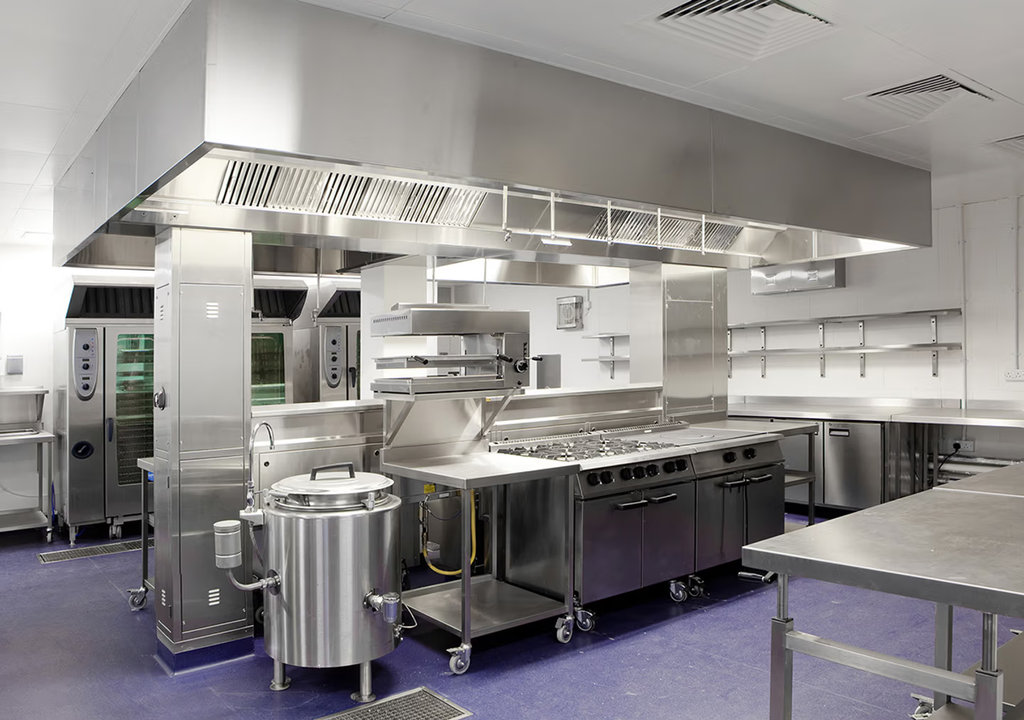
Credit: www.halton.com
Frequently Asked Questions
What Is The Concept Of A Ghost Kitchen?
A ghost kitchen is a delivery-only restaurant without a physical dine-in space. It operates exclusively online, optimizing food delivery services. This model reduces overhead costs and allows restaurants to experiment with menus. Ghost kitchens cater to the growing demand for food delivery, especially in urban areas.
Who Cooks The Food In A Ghost Kitchen?
Chefs and kitchen staff cook the food in a ghost kitchen. They prepare meals for delivery-only restaurants. These professionals work behind the scenes to ensure quality and efficiency. Ghost kitchens often employ skilled culinary teams to meet customer demands. They focus on creating delicious meals without a traditional dining space.
Do Ghost Kitchens Make Money?
Yes, ghost kitchens can be profitable. They have lower overhead costs than traditional restaurants. This allows them to focus on delivery and takeout services. Profitability depends on effective marketing, menu pricing, and efficient operations. Successful ghost kitchens often leverage technology and data analytics to optimize their performance and customer satisfaction.
Why Is Ghost Kitchen So Popular?
Ghost kitchens are popular due to their cost-effectiveness and flexibility. They cater to the rise in online food delivery. Businesses can easily experiment with menus and expand reach. These kitchens maximize efficiency and reduce overhead expenses, appealing to both entrepreneurs and customers seeking convenience and variety in food options.
Conclusion
Ghost kitchens are reshaping the food industry. They focus on delivery-only services. This model reduces overhead costs for restaurants. Entrepreneurs find it a flexible option. Customers enjoy diverse menu choices without leaving home. The rise of food delivery apps boosts their popularity.
Traditional restaurants face new competition from ghost kitchens. It’s an evolving trend worth watching. Understanding ghost kitchens can benefit food business strategies. Whether you’re a restaurateur or consumer, ghost kitchens impact the dining experience. Adapting to this change is key.
Stay informed and enjoy the convenience they offer.

Similar Posts