How to Get Rid of Ants in the Kitchen: Effective Tips
Executive Chef & Lead Commercial Kitchen Specialist at Daily Kitchup Test Lab
Got ants marching across your kitchen counters? These tiny invaders can quickly turn your cooking space into a battleground, leaving you feeling frustrated and overwhelmed.
Don’t let these persistent pests take over your sanctuary. Imagine a kitchen free from ants, where you can prepare meals and entertain guests without worry. In this guide, you’ll discover simple yet effective strategies to reclaim your space. With the right approach, you can say goodbye to ants for good and enjoy a pest-free kitchen.
Ready to take control? Let’s explore how you can banish these unwelcome guests once and for all.
Identify Ant Species
Identifying ant species helps in choosing the best method to eliminate them from your kitchen. Check for common signs like trails or nests to determine the type of ant.
Identifying the ant species invading your kitchen is crucial for effectively eliminating them. Different species have unique behaviors and preferences, which means the method to get rid of them can vary. Have you ever wondered why some ants seem to prefer sugary foods while others are more attracted to greasy leftovers? Understanding their specific traits helps in targeting them more effectively.Understanding Common Kitchen Ants
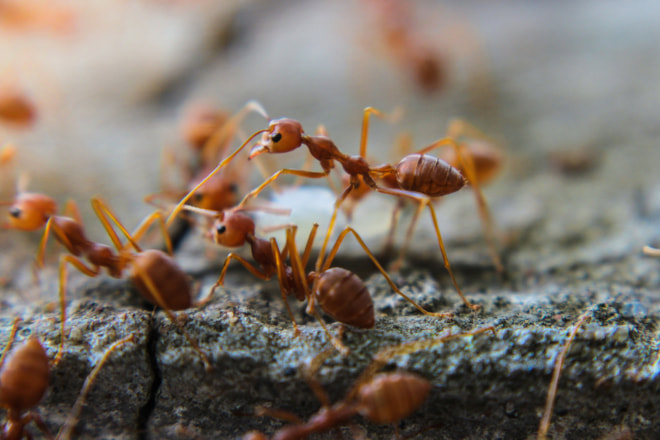
The most common ant species found in kitchens are the odorous house ants, pavement ants, and Argentine ants. Odorous house ants emit a rotten coconut smell when crushed. Pavement ants often nest in cracks in concrete or under kitchen tiles, and Argentine ants are known for forming large colonies.Visual Clues For Identification
Look at the size and color of the ants. Odorous house ants are small and dark brown or black. Pavement ants have light brown legs and a darker body with grooves on their head. Argentine ants are light brown and tend to move in long trails.Behavioral Patterns
Observe their movement and nesting habits. Odorous house ants are drawn to sweets and will trail to sugary spills, while pavement ants are more likely to be found near greasy food remnants. Argentine ants are particularly attracted to moisture, so check near sinks and damp areas.Why Accurate Identification Matters
Successfully identifying the ant species can save you time and effort. It allows you to use targeted solutions rather than a one-size-fits-all approach. Wouldn’t it be satisfying to see your kitchen finally free of these persistent invaders? Recognizing their specific traits helps you choose the most effective treatment, ensuring your kitchen stays ant-free.Credit: www.facebook.com
Chemical Solutions
When ants invade your kitchen, their tiny parade can feel like an unstoppable force. While natural remedies are often the first line of defense, sometimes the situation demands a more direct approach. Chemical solutions, though effective, require careful consideration to ensure safety and efficacy. Let’s explore how you can use pesticides to reclaim your kitchen from these pesky invaders.
Select Safe Pesticides
Choosing the right pesticide is crucial. Look for products specifically designed for ant control. Many brands offer options that are safe for indoor use and won’t harm your family or pets.
Consider the type of ants you’re dealing with. Different species react differently to various chemicals. Some pesticides target specific ant types, ensuring you’re not just scattering the problem elsewhere.
Are you worried about environmental impact? Opt for eco-friendly pesticides. These minimize harm to non-target species and reduce your carbon footprint.
Follow Application Guidelines
Ever read the fine print on a pesticide label? It’s not just there for show. Following these guidelines ensures you use the product effectively and safely.
Identify the ants’ entry points and trails. Apply the pesticide directly to these areas, focusing on spots where ants are most active. This strategy targets the problem at its source.
Safety matters. Use gloves and masks during application, especially in enclosed spaces. Ventilate your kitchen to prevent inhaling harmful fumes.
Consider timing. Applying pesticides during low activity hours, like late evening or early morning, can maximize effectiveness and minimize disruption to your daily routine.
What if the ants return? Reassess the situation. You might need a different approach or further treatment. Remember, persistence is key in maintaining an ant-free kitchen.
Prevent Future Infestations
After you’ve taken the necessary steps to remove ants from your kitchen, it’s crucial to focus on preventing them from coming back. Ants are persistent little creatures, and a single crumb can be enough to invite them back into your space. By implementing preventive measures, you can keep your kitchen ant-free and maintain a hygienic environment. Let’s delve into some practical strategies that will help you safeguard your kitchen from future ant invasions.
Regular Inspections
Conducting regular inspections is one of the simplest yet most effective ways to prevent ants from returning. Make it a habit to check your kitchen for any signs of ants or potential entry points. Look for cracks in walls, gaps around windows, and any holes in your pantry.
Seal these vulnerabilities promptly. A little caulk or weather stripping can go a long way in keeping ants out. You might be surprised at how a tiny crack can become a highway for ants.
Additionally, keep an eye out for food residue or spills. Even the smallest crumbs can attract ants, so ensure your counters and floors are clean. Have you ever found ants swarming around a forgotten cookie crumb?
Maintain Outdoor Areas
Your kitchen’s defense against ants begins outside. Keep your outdoor areas tidy to deter ants from approaching your home. Trim plants and shrubs near your house to eliminate bridges for ants.
Consider the placement of trash bins. Ensure they are a reasonable distance from your kitchen door and always keep them sealed. Open trash is a buffet for ants, and they won’t hesitate to follow a scent trail indoors.
If you’ve noticed ant hills in your garden, deal with them promptly. You can use natural deterrents like diatomaceous earth or commercial ant bait. Remember, the less inviting your outdoor area, the less likely ants will invade your kitchen.
By staying vigilant and proactive, you can maintain a kitchen that’s not just clean, but also ant-free. Isn’t it reassuring to know you have the power to keep those pesky ants at bay?
Credit: alphapestcontrol.com.au
Frequently Asked Questions
What Is The Fastest Way To Get Rid Of Ants In The Kitchen Naturally?
Use white vinegar spray to deter ants. Sprinkle cinnamon or peppermint oil for a natural repellent. Seal entry points and keep surfaces clean.
Why Are There Suddenly So Many Ants In My Kitchen?
Ants invade kitchens seeking food and water sources. Small crumbs or spills attract them quickly. Seal food containers and clean surfaces regularly to deter ants. Check for entry points like cracks or gaps and block them. Seasonal changes can also increase ant activity in your home.
How Do I Get Rid Of Tiny Ants In My Kitchen?
Seal food containers tightly to prevent ants. Clean spills promptly. Use vinegar or lemon juice as deterrents. Place ant traps or bait near entry points. Fix any water leaks to reduce moisture.
What Is The Best Homemade Ant Killer?
A mixture of equal parts vinegar and water effectively kills ants. Spray directly on ants and entry points. For better results, add a few drops of dish soap. This disrupts their scent trails and suffocates them. It’s eco-friendly and safe for home use.
Conclusion
Ants in the kitchen can be frustrating. Simple steps can help manage them. Keep surfaces clean and dry. Seal all food in tight containers. Use natural repellents like vinegar or lemon. Check for entry points and seal them. Consistent cleaning and vigilance are key.
These measures make your kitchen less inviting to ants. Enjoy a kitchen free from unwanted pests. Stay patient and persistent. The effort will pay off. Your kitchen will be ant-free and peaceful. Remember, every small step counts. Keep practicing these habits for best results.

Similar Posts