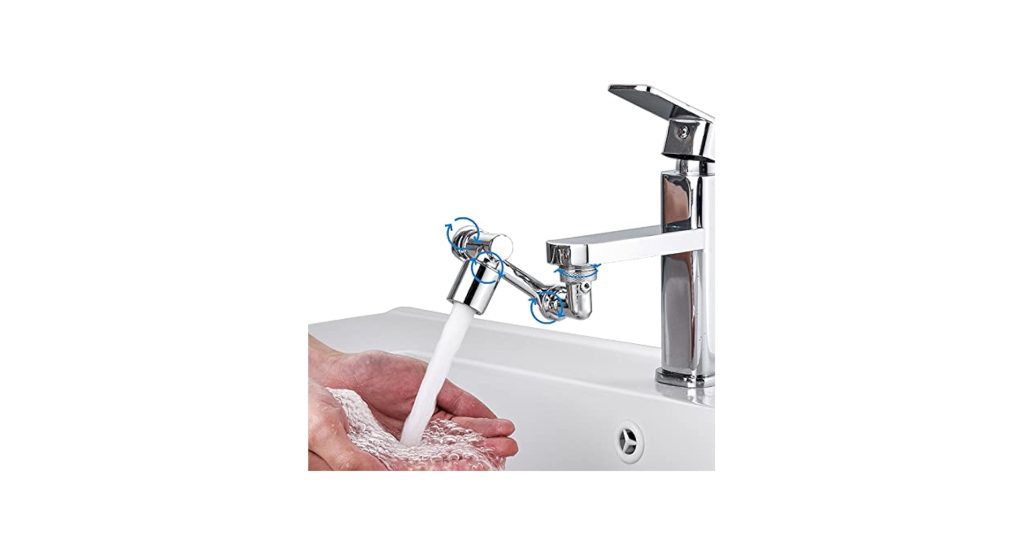
Is your kitchen sink water pressure leaving you frustrated? You turn the faucet, but the flow is just not cutting it.
Whether you’re rinsing dishes or filling a pot, weak water pressure can slow you down and make daily tasks a hassle. The good news is, you don’t have to settle for dribbles and trickles. With a few simple steps, you can boost the water pressure and restore your kitchen’s functionality.
Imagine the satisfaction of a powerful stream at your command. Ready to make your kitchen sink work for you? Let’s dive into how you can increase that water pressure and transform your kitchen experience.
Causes Of Low Water Pressure
Low water pressure in the kitchen sink can stem from clogged aerators, faulty valves, or aging pipes. Regular cleaning of faucet aerators and checking for leaks can help boost water flow effectively.
Low water pressure in your kitchen sink can be a real headache, turning everyday tasks into frustrating chores. Understanding the root causes can help you tackle this issue effectively. It’s not just about getting a strong water flow but also ensuring your plumbing system is in good condition. Let’s dive into some common reasons behind low water pressure and how you can address them.Clogged Aerators
A clogged aerator is often the simplest fix for low water pressure. Aerators are small mesh screens attached to the end of your faucet, designed to save water and improve flow. Over time, minerals and debris can build up, obstructing the flow. If you’ve noticed a gradual decrease in pressure, check your aerator. Removing and cleaning it can often restore the flow. A quick soak in vinegar can help dissolve any mineral deposits.Pipe Blockages
Pipe blockages are another common culprit. They can be caused by mineral buildup, rust, or debris. These blockages can occur anywhere in your plumbing system, making them tricky to pinpoint. If the problem persists after cleaning the aerator, consider the pipes. You might need professional help to clear deep blockages. Regular maintenance can prevent these blockages from becoming a recurring problem.Faulty Faucets
Sometimes, the faucet itself is the issue. Internal components can wear out, leading to low water pressure. If your faucet is old or frequently used, it might be time for a replacement. Before you rush to buy a new one, inspect the faucet for leaks or damage. Replacing faulty parts can sometimes resolve the pressure issue without the need for a full replacement. Keep an eye on the faucet’s performance, as early detection can save you from future headaches.Cleaning The Aerator
Cleaning the aerator can help increase kitchen sink water pressure. Remove the aerator and soak it in vinegar to dissolve mineral buildup. Rinse thoroughly and reinstall for improved water flow.
Cleaning the aerator is often an overlooked yet crucial step in increasing your kitchen sink water pressure. Over time, mineral deposits and debris can clog the aerator, reducing the flow of water. Addressing this common issue can lead to a noticeable improvement in water pressure without the need for professional help.Removing The Aerator
Start by unscrewing the aerator from the faucet. You might need a wrench or pliers to get a good grip, but be gentle to avoid scratching the faucet. Wrap a cloth around the aerator to protect it from damage. Once removed, inspect it for any visible debris or buildup. It’s surprising how much gunk can accumulate in such a small component!Soaking And Scrubbing
Place the aerator in a bowl of vinegar to dissolve mineral deposits. Let it soak for about 30 minutes. The acidity in the vinegar works wonders on stubborn buildup. After soaking, use a toothbrush to scrub away any remaining debris. Pay special attention to the tiny holes in the aerator, ensuring each one is clear. Feel free to repeat the soaking and scrubbing process if necessary. Sometimes, a second round is needed to get it completely clean.Reinstalling Properly
Before reattaching the aerator, run the faucet for a few seconds to flush out any loose debris. This simple step can prevent future clogs. Screw the aerator back onto the faucet, ensuring it’s tightly secured but not overly tightened. Test the water flow to confirm that the pressure has improved. If you find that the pressure is still low, consider checking for other issues like leaks or pipe blockages. Could there be more than one culprit affecting your water pressure?Checking For Leaks
Leaks can lower water pressure in kitchen sinks. Inspect pipes and joints for any drips or moisture. Fixing leaks can improve water flow significantly.
Checking for leaks in your kitchen sink is essential. Leaks can reduce water pressure significantly. By addressing leaks, you can improve your sink’s performance. Let’s explore key areas to inspect.Inspecting Visible Pipes
Begin by examining the pipes under your sink. Look for any signs of water droplets. Check for corrosion or mineral buildup on pipe joints. Use a flashlight to get a clear view. These signs indicate potential leaks. Tighten loose connections if needed. Replace damaged pipes promptly.Testing Faucet Connections
Turn on your faucet fully. Observe any water escaping from joints. Feel around the faucet base for moisture. Even small leaks can affect water pressure. Ensure all connections are secure. Use a wrench to tighten any loose nuts. Consider replacing worn-out washers.Addressing Detected Leaks
Once you find a leak, act quickly. Use plumber’s tape to seal minor leaks. For larger leaks, seek professional help. Regular maintenance prevents future leaks. Keep an eye on water flow changes. This proactive approach ensures efficient water pressure.
Credit: www.reddit.com
Adjusting The Pressure Regulator
Adjusting the pressure regulator can significantly increase your kitchen sink water pressure. Many households face low water pressure due to improperly set regulators. By making simple adjustments, you can enjoy a more efficient water flow. Let’s explore how to locate, set, and monitor your pressure regulator for optimal results.
Locating The Regulator
The regulator is often found near the main water line. It’s a round device with a screw or knob. Check under the sink or in the basement. If you’re unsure, consult your home’s plumbing diagram. Finding the regulator is the first step to better water pressure.
Setting Optimal Pressure
Once located, use a wrench to adjust the screw or knob. Turn clockwise to increase pressure. Make small adjustments to avoid high pressure. High pressure can damage pipes. Aim for a balanced flow for daily tasks.
Monitoring Changes
After adjustment, test the water flow at your sink. Monitor for leaks or unusual sounds. Check pressure regularly to ensure stability. If issues persist, consider consulting a plumber. Regular checks help maintain optimal pressure.
Clearing Pipe Blockages
Clearing pipe blockages is essential to boost kitchen sink water pressure. Regular cleaning can ensure smooth water flow. Use natural solutions like vinegar and baking soda to tackle minor clogs effectively.
Having a low water pressure in your kitchen sink can be incredibly frustrating, especially when you’re trying to wash dishes or fill a pot. A common culprit behind this issue is blockages in the pipes. Over time, minerals, food particles, and other debris can accumulate, narrowing the passage and reducing water flow. Addressing these blockages can significantly improve your water pressure.Using Natural Solutions
One effective way to clear minor blockages is by using natural solutions. A simple mixture of baking soda and vinegar can work wonders. Pour half a cup of baking soda followed by half a cup of vinegar down the sink drain. Allow the mixture to fizz for about 15 minutes. This chemical reaction helps to break down the gunk clogging your pipes. Flush the drain with boiling water to clear the residue. This method is eco-friendly and avoids harsh chemicals, making it a great first step before trying more invasive techniques.Employing A Plumber’s Snake
When natural solutions aren’t enough, a plumber’s snake might be your next best friend. This tool is designed to reach deep into the pipes and dislodge stubborn clogs. Insert the snake into the drain and carefully maneuver it through the pipe. Twist the snake to catch any debris along the way. Pull the snake out slowly to avoid damaging the pipes. It might be a bit messy, but it’s a straightforward method to clear up more significant blockages.Professional Assistance
If you’ve tried everything and the water pressure is still low, it might be time to call in the pros. Professional plumbers have the expertise and tools to diagnose and fix more complex issues. They can use cameras to inspect the pipes for hidden blockages or damage. Sometimes the problem could be more serious than a simple clog. Remember, investing in a professional can save you time and potential damage in the long run. Have you ever had a situation where professional help made all the difference? It might be worth considering.
Credit: www.luxuryhomefaucet.com
Replacing Faulty Fixtures
Is your kitchen sink water pressure feeling more like a trickle than a torrent? Replacing faulty fixtures might be the solution you need. Often, the root of low water pressure lies in worn-out parts that can easily be swapped for new, efficient models. Getting hands-on with your sink can be empowering, and you might discover that the fix is simpler than you thought. Dive into the world of plumbing repairs and transform your kitchen experience.
Identifying Worn Components
How can you tell if your fixtures are faulty? Start by examining the faucet and handles. Do you notice rust, leaks, or unusual noises? These are telltale signs. Additionally, mineral buildup inside the aerator can significantly reduce water flow. By removing the aerator and inspecting it, you can see if this might be the culprit. Don’t overlook the valves under the sink; they can also wear out and restrict water flow.
Choosing Efficient Models
When it’s time to replace those old fixtures, efficiency is key. Modern faucets are designed to maximize water pressure while conserving water. Brands like Moen and Delta offer models specifically engineered for optimal performance. Consider opting for a faucet with a high arc design, which not only improves pressure but also adds a touch of elegance to your kitchen. Look for units with easy-to-clean aerators to prevent future buildup.
Diy Replacement Steps
- Gather Your Tools:You’ll need a wrench, plumber’s tape, and a bucket to catch water spills.
- Turn Off the Water:Locate the valves under your sink and twist them clockwise to shut off the water supply.
- Remove the Old Fixture:Use your wrench to unscrew the nuts holding the faucet in place. Lift it out carefully.
- Install the New Fixture:Align the new faucet and secure it with the nuts. Make sure it’s tight to avoid leaks.
- Test Your Work:Turn the water back on and check for leaks. Enjoy your improved water pressure!
Are you ready to tackle this DIY project? Improving your kitchen sink’s water pressure is not just about functionality; it’s about creating a space where you feel in control. Feel the satisfaction of knowing you enhanced your kitchen with your own two hands.
Upgrading The Plumbing System
Increasing kitchen sink water pressure starts with checking for clogs in the faucet aerator. Regular cleaning can enhance flow. Adjusting the pressure regulator might solve low pressure issues. Inspecting pipes for leaks or obstructions ensures consistent water delivery. Consider upgrading to modern fixtures for improved performance.
Upgrading the plumbing system might sound daunting, but it’s often the key to solving water pressure problems at your kitchen sink. By focusing on modern solutions and materials, you can achieve a significant improvement in your water flow. Here’s how you can tackle this upgrade effectively.Assessing Current System
Before making any changes, take a close look at your current plumbing setup. Is it outdated or made from materials that corrode easily? Identifying the weak spots helps in planning the upgrade. Grab a flashlight and check for leaks or rust, which could be culprits for low pressure. Consider the age of the pipes; older systems might need a complete overhaul rather than a simple fix.Considering Pex Pipes
PEX pipes are becoming the go-to choice for modern plumbing upgrades. They are flexible, durable, and resistant to scale and chlorine. Replacing old copper or galvanized pipes with PEX can dramatically improve water pressure. Installing PEX is relatively straightforward, making it a favorite among DIY enthusiasts. Imagine a plumbing system that reduces the risk of leaks and saves you from frequent repairs.Consulting With Professionals
Sometimes, expert advice is invaluable. Consulting with a plumber can offer insights that you might overlook, ensuring the upgrade is done right. Professionals can assess the entire plumbing system and recommend comprehensive solutions tailored to your specific needs. Why not leverage their experience to avoid costly mistakes? It’s about optimizing your investment for lasting results. By focusing on upgrading the plumbing system, you can transform your kitchen sink experience. Have you ever wondered how much better your daily routine could be with improved water pressure?
Credit: www.tiktok.com
Regular Maintenance Tips
Clean the aerator to remove mineral deposits that block water flow. Check for leaks in pipes and connections. Replace the washer if worn out, improving water pressure effectively.
Boosting the water pressure in your kitchen sink can make a world of difference in daily chores. Imagine washing dishes or filling pots with a robust stream of water instead of a weak trickle. Regular maintenance is key to keeping your kitchen sink performing at its best. By following some simple maintenance tips, you can ensure a steady and strong water flow.Routine Aerator Cleaning
The aerator is a small mesh screen located at the tip of your faucet. Over time, mineral deposits and debris can clog it, reducing water pressure. Cleaning it is simple: unscrew it, soak it in vinegar for a few minutes, and scrub gently with a toothbrush. A clean aerator can significantly improve water flow. Make it a habit to clean it every few months. This ensures consistent water pressure and prolongs the life of your faucet.Periodic Leak Checks
Leaks can be sneaky culprits of low water pressure. Even a small leak can lead to significant water loss and pressure drop. Regularly check under your sink and around the faucet base for any signs of leakage. Use a flashlight to inspect darker areas. If you find any leaks, fix them promptly to maintain optimal water pressure. You’d be surprised how much of a difference fixing a tiny drip can make.Scheduled Professional Inspections
Sometimes, the root cause of low water pressure isn’t immediately visible. That’s where a professional inspection comes in handy. Schedule a routine check with a plumber to catch hidden issues, like pipe corrosion or pressure regulator problems. Professionals have tools and expertise that can identify and fix problems you might overlook. Investing in these inspections every year or so can save you from bigger, costlier repairs down the road. Plus, you’ll enjoy a kitchen sink that works efficiently all year round. Consider how much easier life would be with a powerful stream of water at your command. Regular maintenance is not just about preventing issues; it’s about enhancing your daily experience in the kitchen.Frequently Asked Questions
How Do Plumbers Increase Water Pressure?
Plumbers increase water pressure by cleaning clogged pipes, adjusting the pressure regulator, or replacing faulty fixtures. They also check for leaks and inspect the main water supply line. Upgrading to larger pipes or installing a pressure booster pump can further enhance water pressure effectively.
How To Fix A Tap With Low Water Pressure?
To fix low water pressure, first clean the aerator by removing debris. Check for leaks in pipes and replace faulty washers. Ensure valves are fully open. If pressure remains low, inspect for pipe blockages or consult a plumber.
How Do I Adjust The Water Pressure On My Faucet?
Turn off the water supply. Use a wrench to adjust the pressure regulator under the sink. Test the faucet.
Why Does A Kitchen Faucet Have Low Pressure?
Low kitchen faucet pressure may result from clogged aerators, mineral buildup, or valve issues. Inspect for leaks and clean components. Ensure water supply valves are fully open. Check for pipe blockages or pressure regulator malfunctions. Regular maintenance can help maintain optimal water flow and pressure.
Conclusion
Boosting kitchen sink water pressure is simpler than you think. Regular checks can identify issues early. Clean the aerator to remove buildup. Inspect pipes for leaks or blockages. Adjust the pressure valve if needed. These steps can improve water flow.
Better pressure means efficient washing and less frustration. Remember, consistent maintenance ensures lasting results. Tackle small problems before they grow. A well-functioning sink makes kitchen tasks easier. Enjoy better water pressure today. It’s within reach. Keep your kitchen running smoothly with these easy tips.