How to Increase Water Pressure in Kitchen Sink: Expert Tips
Executive Chef & Lead Commercial Kitchen Specialist at Daily Kitchup Test Lab
Is your kitchen sink suffering from low water pressure woes? It can be incredibly frustrating when you’re trying to wash dishes or fill a pot, only to be met with a feeble stream of water.
But fear not, because you’re not alone, and there are simple solutions at your fingertips. Imagine the satisfaction of turning on your kitchen tap and experiencing a strong, steady flow of water, making your daily tasks a breeze. By reading this article, you’ll discover easy and effective ways to boost the water pressure in your kitchen sink.
Say goodbye to the hassle and hello to a more efficient kitchen experience. Ready to transform your water flow? Let’s dive in.
Identify Low Pressure Causes
Is your kitchen sink water pressure too low, making everyday tasks feel like a chore? Identifying the root cause is the first step towards solving this common problem. There’s a good chance the issue is something you can fix yourself without the need for a plumber. Let’s dive into the potential culprits causing that frustrating trickle instead of a steady stream.
Check For Clogged Aerators
Start with the simplest fix: inspect the aerator. This small mesh screen at the end of your faucet can become clogged with mineral deposits or debris over time. Simply unscrew the aerator and clean it thoroughly. Soaking it in vinegar can dissolve stubborn deposits. If cleaning doesn’t work, consider replacing it. A clean aerator can immediately boost your water flow.
Inspect Supply Valves
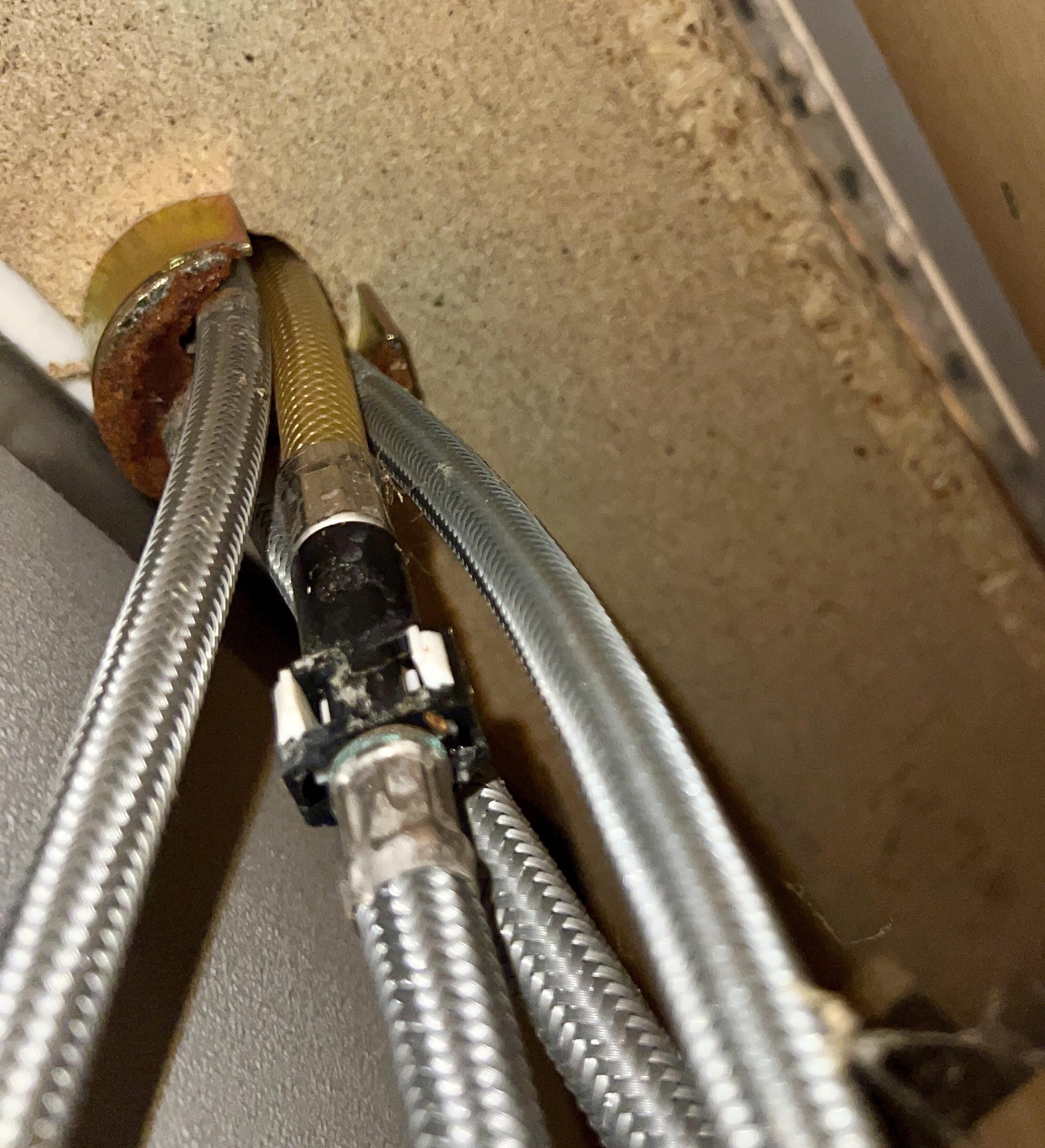
Next, ensure your supply valves are fully open. Sometimes, valves can get partially closed without anyone noticing, reducing water pressure significantly. Check under your sink for these valves—there should be one for hot water and one for cold. Turn them counterclockwise to open fully. This simple check might be all you need to restore full pressure.
Evaluate Pipe Blockages
Persistent low pressure might indicate a blockage in your pipes. Mineral buildup or debris can create obstructions. Consider using a pipe cleaning solution to flush out any buildup. If the problem persists, it might be time to call a professional to inspect for more serious issues like corrosion or leaks. Regular maintenance can help prevent these blockages from occurring in the future.
Feeling empowered to tackle your kitchen sink woes? Taking these steps can transform your sink from a slow drip to a powerful stream, making kitchen tasks a breeze once again. Don’t let low water pressure disrupt your routine—address the causes and enjoy the flow!
Cleaning And Maintenance
Increasing water pressure in the kitchen sink often involves cleaning clogged aerators or adjusting the pressure regulator. Inspect pipes for leaks and sediment buildup, which can hinder water flow. Regular maintenance ensures optimal performance and efficient water usage in your kitchen.
Cleaning and maintenance are crucial steps in ensuring your kitchen sink maintains strong water pressure. If you’ve ever noticed a drop in water flow, it might be time to roll up your sleeves and dive into some simple cleaning tasks. Regular upkeep not only helps in preserving optimal water pressure but also extends the lifespan of your plumbing fixtures. Let’s explore some easy methods to give your kitchen sink the attention it deserves.Clean The Aerator
The aerator, that small device at the tip of your faucet, often becomes clogged with mineral deposits and debris. Unscrewing it and giving it a thorough clean can work wonders. Consider soaking it in a mixture of vinegar and water to dissolve stubborn buildup. You’ll be amazed at how a clean aerator can restore your sink’s water flow.Flush The Pipes
Sometimes, the issue lies deeper within your plumbing system. Flushing the pipes can clear out any sediment or mineral deposits that are restricting water pressure. To do this, turn off the water supply, remove the faucet handle, and flush the pipes using a garden hose. This process might seem daunting, but the result is worth the effort.Regular Plumbing Checks
Imagine the peace of mind that comes with knowing your plumbing is in top shape. Regular checks can help you spot potential issues before they become significant problems. Schedule periodic inspections with a professional plumber to ensure all parts are functioning correctly. This proactive approach can save you from unexpected drops in water pressure. Cleaning and maintenance might seem like small tasks, but they hold the key to maintaining your kitchen sink’s water pressure. Are you ready to give your sink the attention it deserves?Adjusting Water Pressure
Boost kitchen sink water pressure by checking for clogged aerators and cleaning them. Also, ensure valves are fully open.
Adjusting the water pressure in your kitchen sink can transform your dishwashing experience from frustrating to seamless. Low water pressure is a common issue, and sometimes the solution is simpler than you think. By tweaking or replacing the pressure regulator, you can achieve a powerful water flow that makes your kitchen tasks easier.Adjust Pressure Regulator
Most homes have a water pressure regulator located near the main water supply line. It’s often a bell-shaped device that controls the water pressure entering your home. Begin by locating this regulator and check the current pressure setting. To adjust it, use a wrench to loosen the lock nut. Then, turn the adjustment screw clockwise to increase the pressure, or counterclockwise to decrease it. Adjust it gradually and check your sink’s water pressure after each tweak. Remember, a slight adjustment can make a significant difference, so proceed with small turns.Replace Pressure Regulator
If adjusting the regulator doesn’t solve the problem, it might be time for a replacement. Replacing a faulty regulator can restore your kitchen sink’s water pressure to optimal levels. Start by purchasing a new regulator that matches your home’s specifications. Before installation, ensure the main water supply is turned off. Remove the old regulator using a wrench and install the new one in its place. Follow the manufacturer’s instructions closely for the best results. Once installed, turn the water back on and test the pressure to confirm the improvement. Have you ever tackled a plumbing issue yourself? It can be rewarding and save you a call to the plumber. Just remember to take your time and ensure all connections are secure. With a bit of patience, you can enjoy a more powerful water flow in your kitchen sink.Credit: www.smithsplumbingservice.com
Preventative Measures
Preventative measures can play a crucial role in maintaining optimal water pressure in your kitchen sink. By addressing potential issues before they become major problems, you can ensure a steady flow of water for all your culinary and cleaning needs. Let’s dive into some effective strategies to keep your kitchen sink’s water pressure in check.
Regular System Inspections
Regular inspections are key to preventing water pressure issues. You might discover a hidden leak or a clog that’s affecting the flow. Check for any signs of rust or corrosion on pipes, as these can lead to blockages.
Consider setting a monthly reminder to inspect your kitchen plumbing. A quick look under the sink can save you from future headaches. If you notice any unusual sounds or smells, it might be time to call a professional.
Invest In Water Softeners
Hard water can be a silent culprit in reducing water pressure. Mineral build-up can clog pipes and restrict flow. Installing a water softener can prevent these minerals from settling in your plumbing system.
Think of water softeners as an investment in your home’s plumbing health. They work to remove calcium and magnesium, which are the primary contributors to hard water. This not only improves water pressure but also extends the lifespan of your appliances.
Have you noticed spots on your dishes or a white film on your faucet? These are signs of hard water. A water softener can help alleviate these issues while boosting your kitchen sink’s performance.
Credit: www.reddit.com
Frequently Asked Questions
How Do I Increase The Water Pressure At My Kitchen Sink?
Clean the faucet aerator to remove debris. Check for leaks in pipes. Ensure the shut-off valve is fully open. Consider installing a water pressure booster if needed. Regular maintenance can help maintain optimal water pressure at the kitchen sink.
Why Is The Pressure Low On My Kitchen Sink Faucet?
Low faucet pressure may be due to clogged aerators or blocked pipes. Check for leaks or valve issues. Clean aerators and ensure valves are fully open. Inspect water supply lines for obstructions or kinks. Consider professional help for complex plumbing problems to restore normal water flow.
How Do I Manually Increase Water Pressure?
Check for leaks and fix them to prevent pressure loss. Clean clogged pipes and faucet aerators. Adjust the pressure regulator valve to increase pressure. Ensure the main water valve is fully open. Consider installing a booster pump if necessary for better pressure.
How To Remove Flow Restrictor From Kitchen Faucet?
Turn off the water supply to the faucet. Unscrew the aerator using pliers. Remove the flow restrictor gently. Clean any debris. Reassemble the aerator and test the water flow. Ensure all parts are securely tightened.
Conclusion
Boosting water pressure in your kitchen sink doesn’t have to be tough. A few simple steps can make a big difference. Start by checking the faucet aerator for debris. Clean or replace it if needed. Next, inspect the pipes for leaks or blockages.
Fixing these can improve flow. Consider adjusting the pressure regulator, if present. Regular maintenance helps keep pressure steady. Remember, a little effort can lead to better water flow. Enjoy smoother kitchen tasks with improved pressure. Your sink is ready for action!

Similar Posts