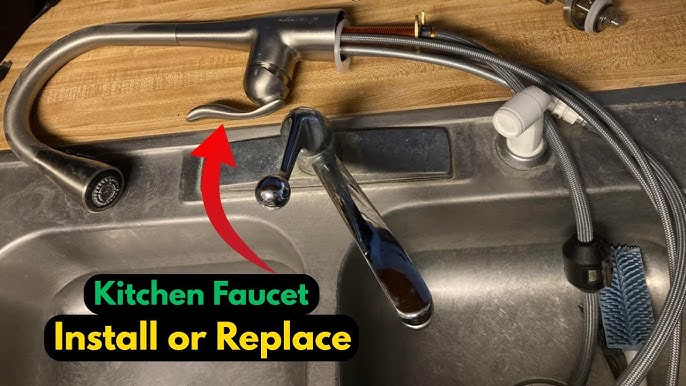
How to Install a New Kitchen Faucet: Easy DIY Guide
Are you tired of that old, leaky kitchen faucet that’s been driving you crazy? Imagine upgrading to a sleek, modern faucet that not only enhances the look of your kitchen but also works perfectly every time.
Installing a new kitchen faucet might sound daunting, but it’s easier than you think. And here’s the good news: you can do it yourself without calling in a professional, saving you time and money. In this guide, you’ll discover simple, step-by-step instructions that will make the installation process smooth and straightforward.
Don’t miss out on transforming your kitchen with just a few easy steps. Let’s dive into how you can give your kitchen the upgrade it deserves!
Choosing The Right Faucet
Choosing the right faucet is crucial for both functionality and style in your kitchen. With a wide array of options available, it can feel overwhelming. But fear not! By focusing on a few key factors, you can make a choice that satisfies both your practical needs and aesthetic desires.
Styles And Finishes
The style and finish of your faucet should complement the overall design of your kitchen. Are you aiming for a modern look with sleek lines, or do you prefer a vintage vibe with intricate detailing? Chrome and stainless steel finishes are popular for their timeless appeal and durability. Matte black offers a bold, contemporary look, while brass can add warmth and elegance. Consider your existing kitchen hardware and fixtures to ensure everything aligns seamlessly. Mixing finishes can sometimes work, but it’s often safer to stick with a cohesive look.
Single Handle Vs. Double Handle
The choice between a single handle and a double handle faucet impacts both convenience and aesthetics. Single handle faucets are popular for their ease of use; you can adjust water temperature and flow with one hand. They’re also ideal for smaller spaces. Double handle faucets, on the other hand, offer precise temperature control and a classic look. If you often find yourself juggling multiple tasks at the sink, a single handle might be your best friend. However, if you enjoy a more traditional look and precise control, a double handle could be the way to go.
Consideration Of Features
Think about the features that will make your kitchen faucet work smarter for you. Do you need a pull-down spray for rinsing vegetables or filling large pots? Touchless models are a game changer for cleanliness and convenience, especially if you often have messy hands in the kitchen. Water filtration systems can be integrated into some faucets, providing clean drinking water right from the tap. Consider your daily kitchen habits and choose features that will enhance your cooking and cleaning routine. Imagine the convenience of just waving your hand to turn on the water when you’re in the middle of a busy cooking session!
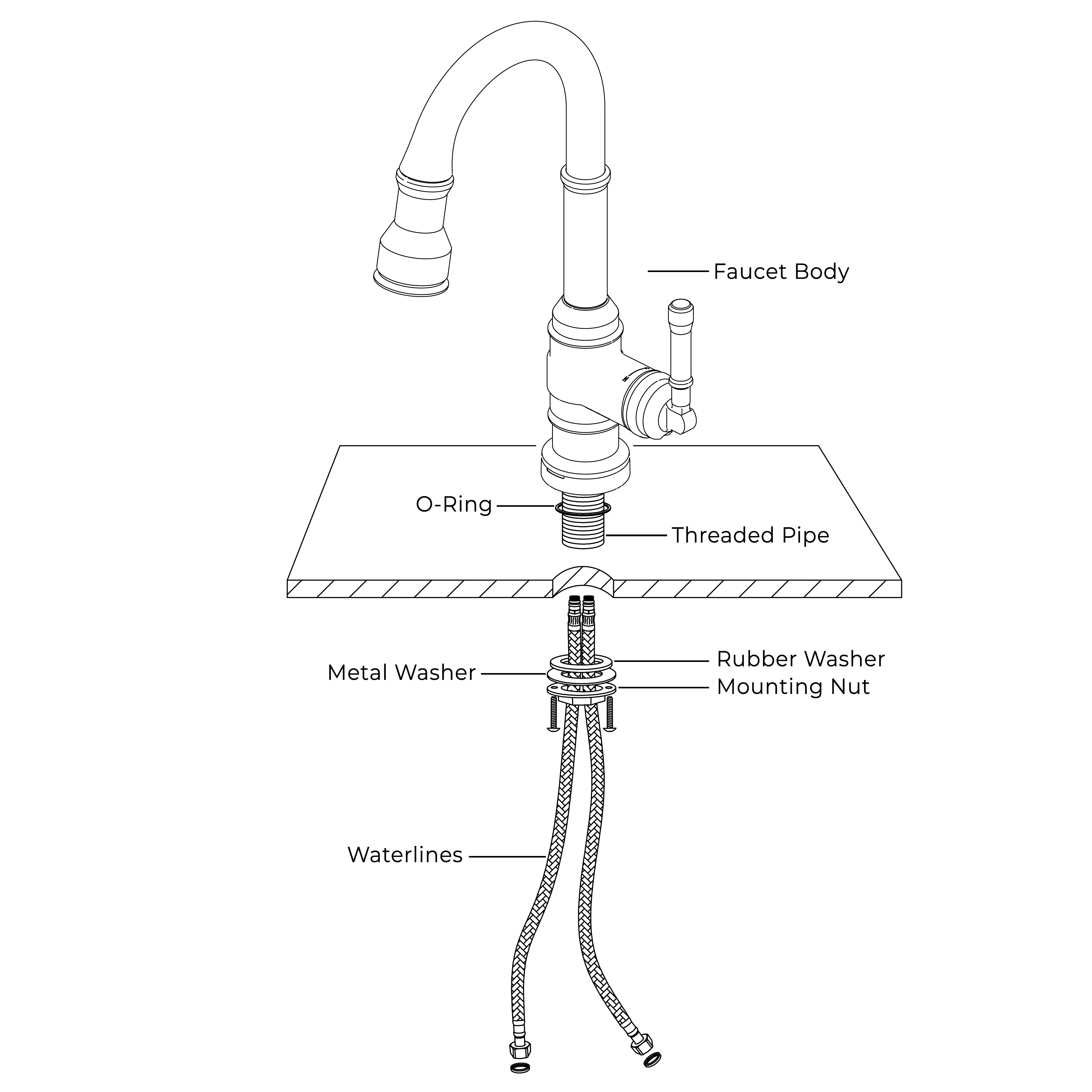
Credit: www.fontanashowers.com
Gathering Necessary Tools And Supplies
Installing a new kitchen faucet can be a rewarding DIY project. Before starting, gather all the necessary tools and supplies to ensure a smooth installation process. Proper preparation saves time and reduces hassle. Below are essential tools and supplies you need for this task.
Basic Tools Required
- Adjustable wrench: Essential for loosening and tightening nuts.
- Screwdriver: Useful for removing and securing screws.
- Pliers: Handy for gripping and twisting components.
- Tape measure: Needed to check dimensions and spacing.
- Bucket: Useful for catching water during disconnection.
Plumbing Supplies Needed
- New faucet: Choose a style that fits your sink.
- Flex supply lines: Ensure they match your faucet and valves.
- Plumber’s tape: Helps seal threaded connections securely.
- Rubber gaskets: Prevent leaks around the faucet base.
- Putty or caulk: Seals gaps and prevents water seepage.
Safety Gear Essentials
- Safety goggles: Protect your eyes from debris.
- Gloves: Safeguard your hands from sharp edges.
- Work apron: Keeps your clothing clean during installation.
Preparing The Work Area
Installing a new kitchen faucet can be a rewarding home improvement project. However, before you dive into the installation process, it’s crucial to prepare the work area properly. This step ensures a smooth and hassle-free experience, minimizing potential headaches down the line. Let’s dive into the key actions you need to take to get your work area ready.
Clearing The Sink Area
Start by clearing the sink area of any dishes, cleaning supplies, or clutter. This not only gives you ample space to work but also prevents any accidental breakage or spills. If your sink is home to decorative items or soaps, relocate them temporarily. You’ll be glad to have an unobstructed area when maneuvering tools and faucet parts.
Consider laying down a towel or mat beneath the sink. This can catch any falling debris or water, and protect your cabinet surface. Remember, a clean and organized space sets the tone for an efficient installation.
Turning Off Water Supply
Before you proceed, ensure the water supply is turned off. Locate the valves under the sink and twist them clockwise until fully closed. If you’re unsure which valve controls the faucet, you might want to turn off the main water supply temporarily.
Turning off the water is a critical step to avoid unwanted leaks or water damage. Double-check that the faucet isn’t running by turning it on and verifying that no water flows.
Removing Old Faucet
With your workspace cleared and water supply off, it’s time to remove the old faucet. Begin by loosening the nuts that secure the faucet to the sink. A basin wrench can be particularly helpful for tight spaces.
Once the nuts are removed, gently pull the old faucet away from the sink. You might encounter some resistance due to sediment buildup over the years. Patience is key; wiggle it gently until it comes loose.
What challenges have you faced when removing old fixtures? Sometimes, unexpected issues arise, but with a prepared workspace and a patient mindset, you’ll overcome them efficiently.
Installing The New Faucet
Replacing a kitchen faucet can be simple. Gather tools like a wrench, plumber’s tape, and a bucket. Follow instructions carefully to ensure a proper fit and finish.
Installing a new kitchen faucet can transform your cooking space. It’s a straightforward task that requires a little patience and attention to detail. With the right tools and guidance, you can achieve a professional finish. This section will guide you through placing, securing, and connecting your new faucet, ensuring it functions flawlessly.Placing The Faucet
Begin by positioning the faucet in the sink hole. Make sure the gasket is in place to prevent leaks. Align the faucet with the sink and countertop for a balanced look. This step sets the stage for a secure installation.Securing The Faucet Base
Tighten the mounting nuts underneath the sink. Use a wrench for a snug fit. This ensures stability and prevents wobbling. Double-check alignment before final tightening. A firm base is crucial for long-term functionality.Connecting Water Supply Lines
Attach the water supply lines to the faucet. Connect the hot and cold lines correctly. Use Teflon tape for leak prevention. Ensure a tight connection with an adjustable wrench. Check for leaks by turning on the water gently. Adjust connections as necessary. Proper connection ensures smooth water flow without drips.Testing And Final Adjustments
Once you’ve installed your new kitchen faucet, testing and final adjustments are crucial. This ensures everything works smoothly and efficiently. Follow these steps to guarantee your faucet operates without issues.
Checking For Leaks
Turn on both hot and cold water handles. Look under the sink for any leaks. Use a flashlight if needed to see clearly. Check connections for drips or moisture. Tighten any loose fittings with a wrench. If leaks persist, consider resealing the connections.
Adjusting Water Flow
Test the water flow by running the faucet. Ensure water pressure is adequate but not too strong. Adjust the shut-off valves if necessary. This may require a simple twist to balance flow. Aim for a steady, comfortable stream. This prevents splashing and conserves water.
Ensuring Proper Function
Operate the faucet handle to ensure it moves smoothly. Test both hot and cold settings. Ensure the faucet swivels easily if it’s a pull-down type. Check the sprayer function if applicable. Verify it retracts smoothly into the dock. Listen for unusual noises or grinding. Address any issues promptly to avoid future problems.

Credit: www.youtube.com
Maintenance Tips
Installing a new kitchen faucet can be simple. Ensure you have all necessary tools before starting. Follow the manufacturer’s instructions carefully for a smooth installation process.
Installing a new kitchen faucet can freshen up your kitchen. But keeping it in top shape requires regular maintenance. Proper care ensures the faucet lasts longer and functions well. Simple practices can prevent common issues and save you from future hassles. Let’s explore some essential maintenance tips.Regular Cleaning
A clean faucet is a happy faucet. Wipe it down with a soft cloth daily. Use mild soap and water for better results. Avoid harsh chemicals to prevent damage. Dry the faucet to avoid water spots. Regular cleaning maintains the shine and finish.Preventing Mineral Buildup
Mineral deposits can clog your faucet. Use vinegar to dissolve these deposits. Fill a bag with vinegar and tie it around the faucet spout. Leave it for a few hours, then rinse. This simple trick keeps water flowing freely.Handling Minor Repairs
Minor leaks and drips need quick attention. Tighten loose parts to stop leaks. Replace worn-out washers or seals if needed. Keep basic tools handy for these small repairs. This prevents bigger problems later on. Regular checks can catch issues early.
Credit: pbphomerepair.com
Frequently Asked Questions
Can I Install A Kitchen Faucet By Myself?
Yes, you can install a kitchen faucet yourself. Follow the manufacturer’s instructions carefully. Ensure you have the right tools and materials. Turn off the water supply before starting. Consult online tutorials for additional guidance. If unsure, consider hiring a professional for assistance.
Do I Need A Plumber To Install A New Faucet?
Installing a faucet can be a DIY task if you have plumbing skills. For complex installations, hire a plumber. They ensure proper sealing, preventing leaks and potential water damage. Professional installation is often quicker and guarantees compliance with local plumbing codes.
Always consider your skill level and project complexity before deciding.
Do I Need Plumbers Putty To Install A New Kitchen Faucet?
You might not need plumber’s putty for installing a kitchen faucet. Many modern faucets have rubber gaskets. Check your faucet instructions for specific requirements. Plumber’s putty is typically used for sealing drains, not faucets. Ensure a proper seal to prevent leaks, depending on your faucet design and sink material.
What Would A Plumber Charge To Install A New Kitchen Faucet?
A plumber typically charges between $150 to $300 to install a new kitchen faucet. Costs vary by location and complexity. Always request quotes from multiple professionals to ensure competitive pricing and quality service. Remember to inquire about any additional charges for parts or specific installation requirements.
Conclusion
Installing a new kitchen faucet is easier than it seems. Follow the steps carefully. Gather the right tools. Make sure to turn off water supply first. Connect the faucet securely. Check for leaks once installed. Tighten connections if needed. Enjoy your new faucet.
It adds style and function. A fresh look for your kitchen. Feel proud of your accomplishment. Your kitchen upgrade is complete. You did it yourself. Share tips with friends. Encourage them to try. Remember, practice makes perfect. Tackle more projects soon.
Enhance your home step by step. A rewarding experience awaits.